5 Things to Consider Before Installing Fitted Wardrobes
Fitted wardrobes are one of the most effective ways to enhance storage, organisation, and style in a home. Unlike freestanding furniture, fitted wardrobes are designed to suit your room perfectly, making the most of available space while creating a seamless, built-in appearance. However, before installing fitted wardrobes, it is important to plan carefully to ensure the final result meets both your practical needs and design expectations.

By considering a few key factors in advance, you can avoid costly mistakes and achieve a fitted wardrobe that is functional, stylish, and built to last.
1. Understanding Your Storage Requirements
The first and most important step before installing fitted wardrobes is understanding what you need to store. Everyone’s storage needs are different, and a wardrobe should be designed around your lifestyle rather than following a standard layout.

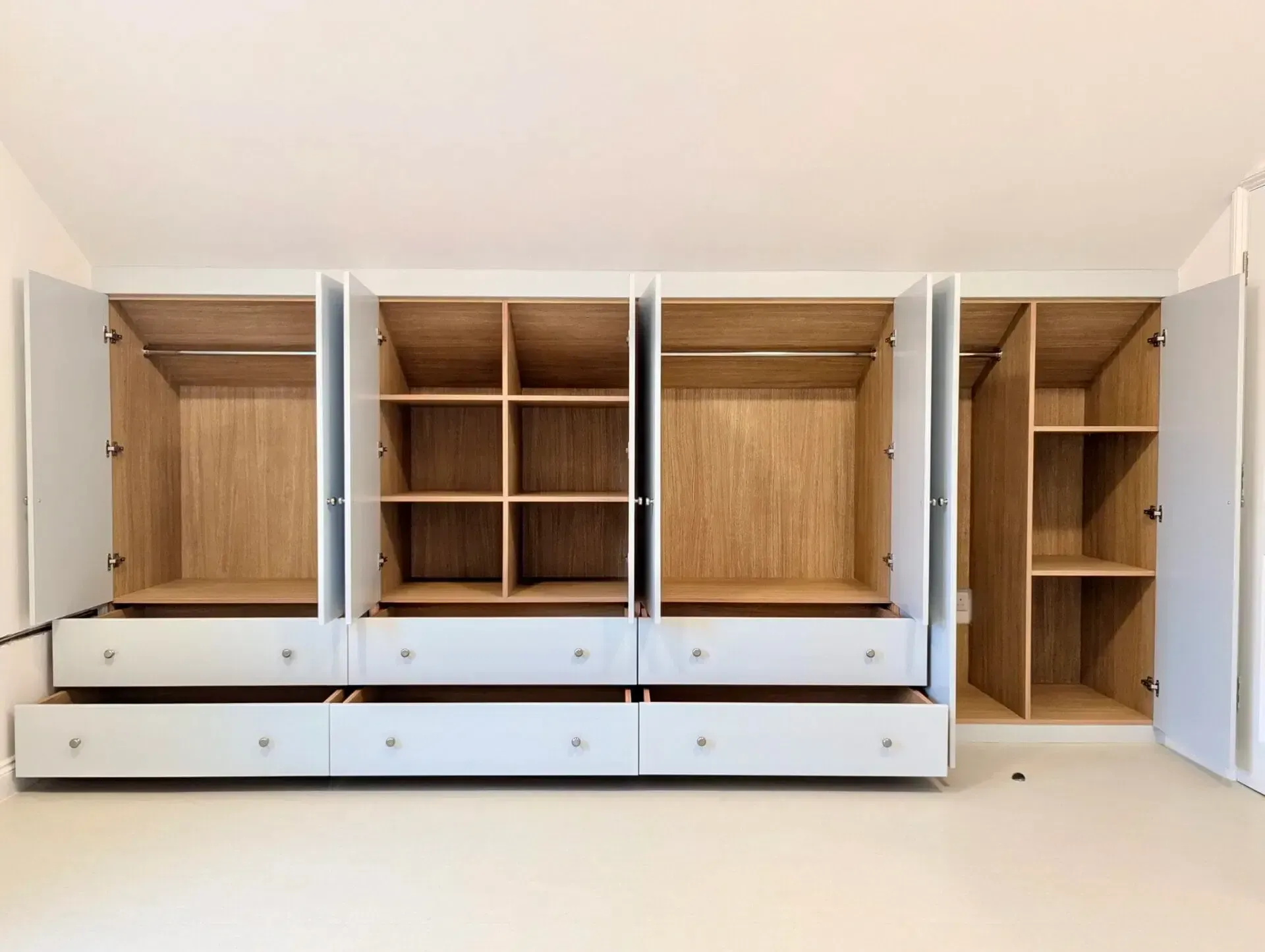
Consider how much hanging space you require for long and short garments, as well as how many shelves and drawers you need for folded clothes, shoes, and accessories. Think about items that are used daily versus those stored occasionally, such as seasonal clothing or bedding. Planning storage requirements in advance ensures the wardrobe interior is practical, organised, and easy to maintain.
It is also worth considering how your storage needs may change over time. A flexible interior design allows your wardrobe to adapt, ensuring long-term usability without the need for replacement.
2. Making the Most of Available Space
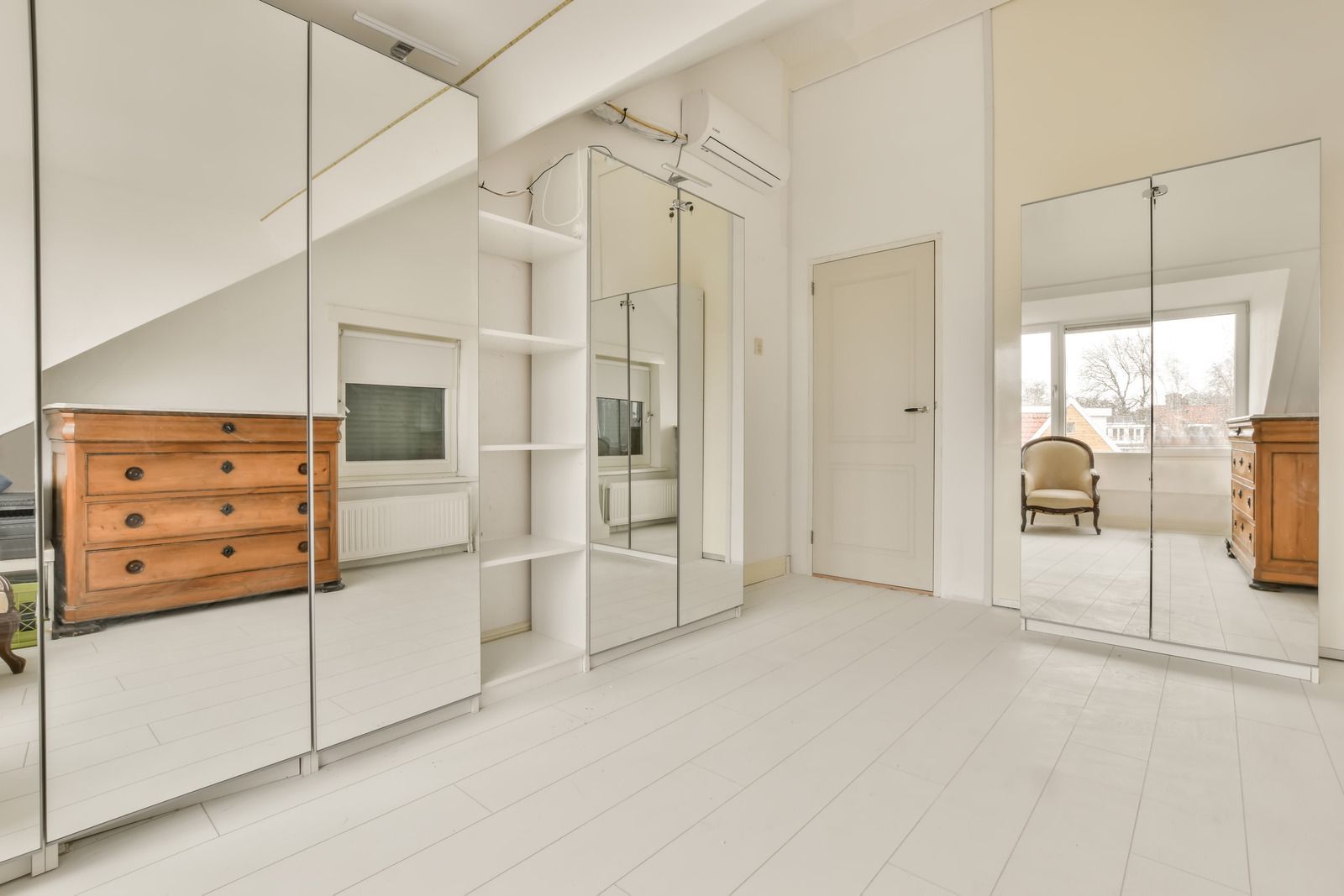
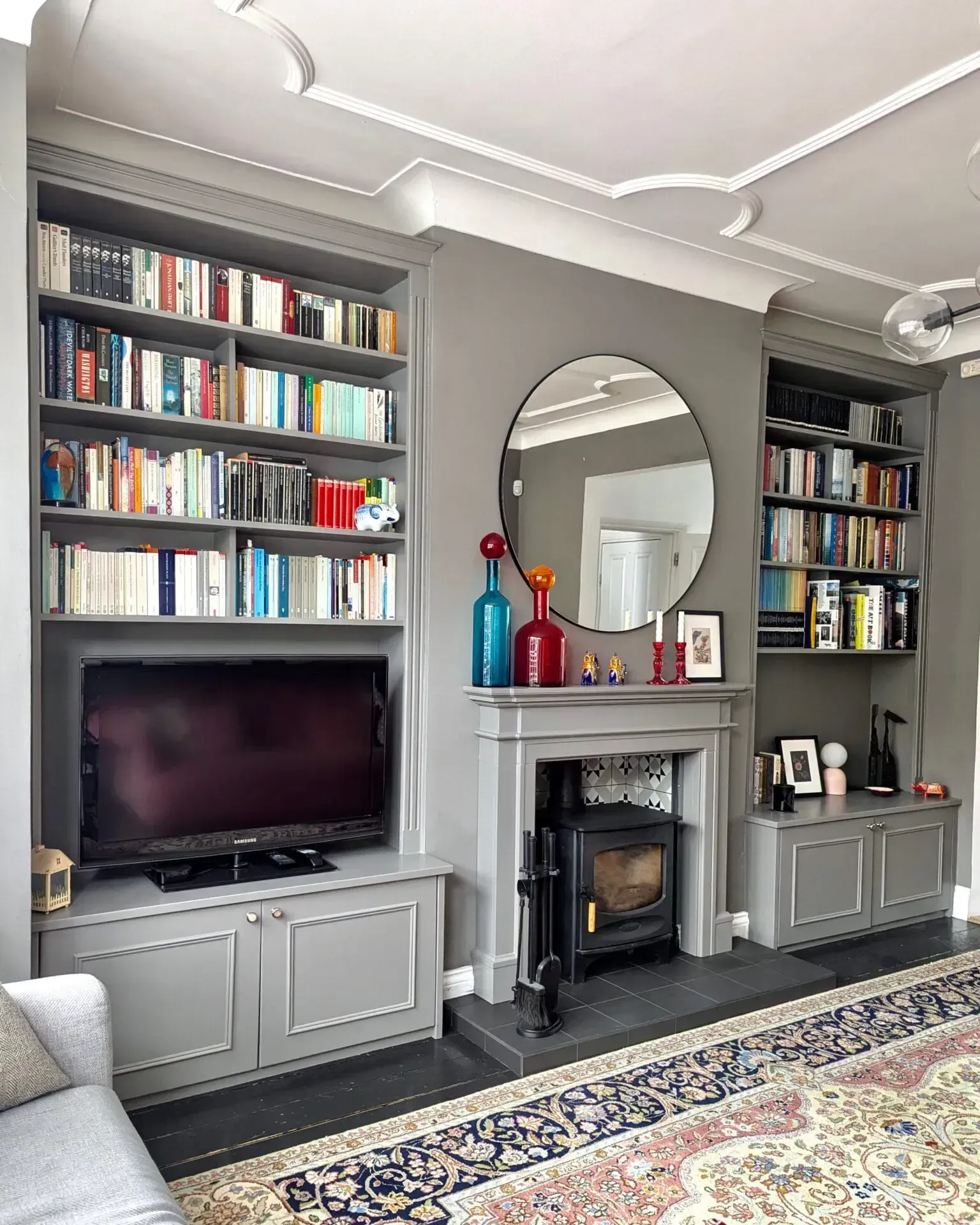
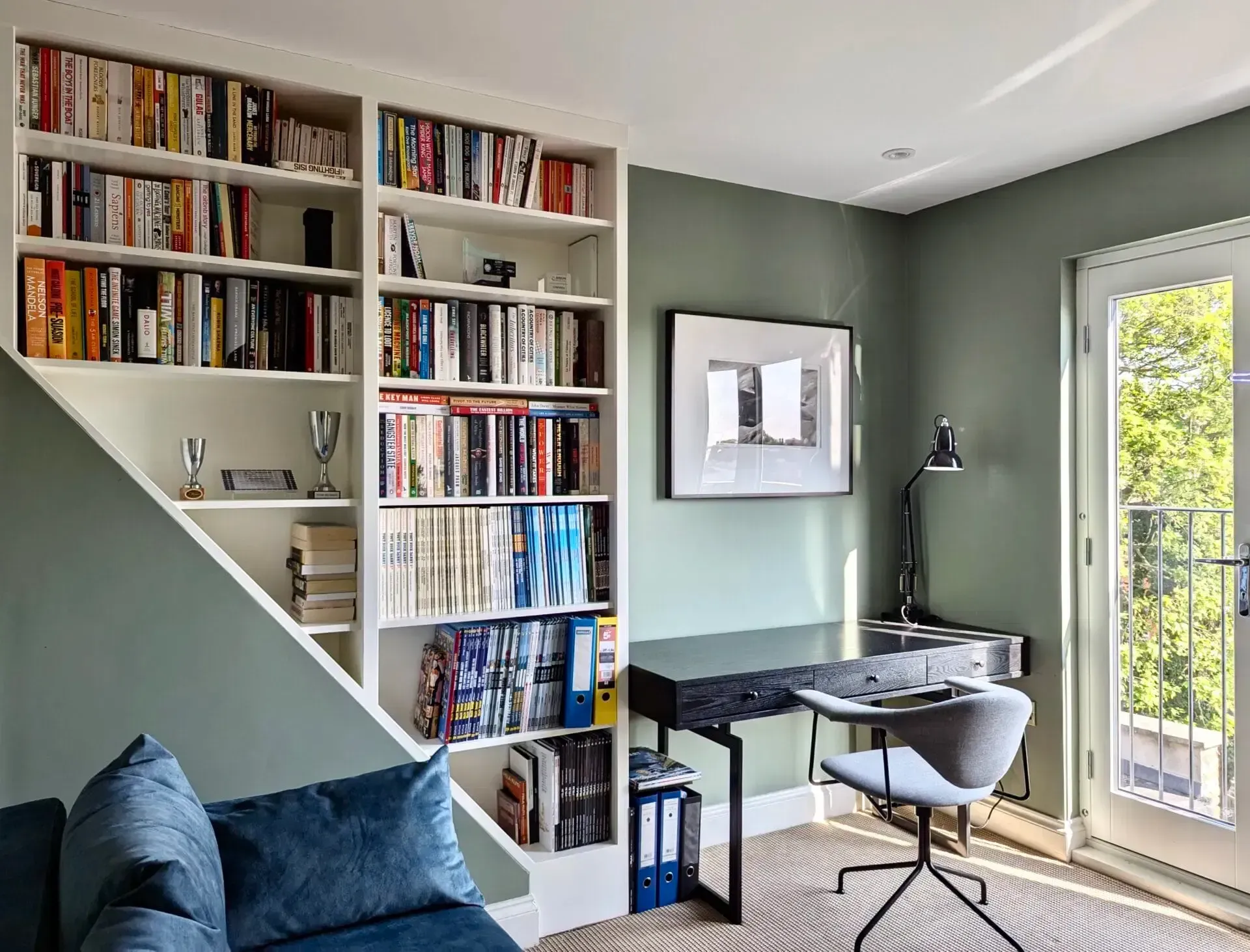
One of the biggest advantages of fitted wardrobes is their ability to maximise space, especially in rooms with awkward layouts, alcoves, or sloping ceilings. Before installation, it is essential to assess how the wardrobe will fit within the room and how it will interact with existing features such as doors, windows, radiators, and lighting points.
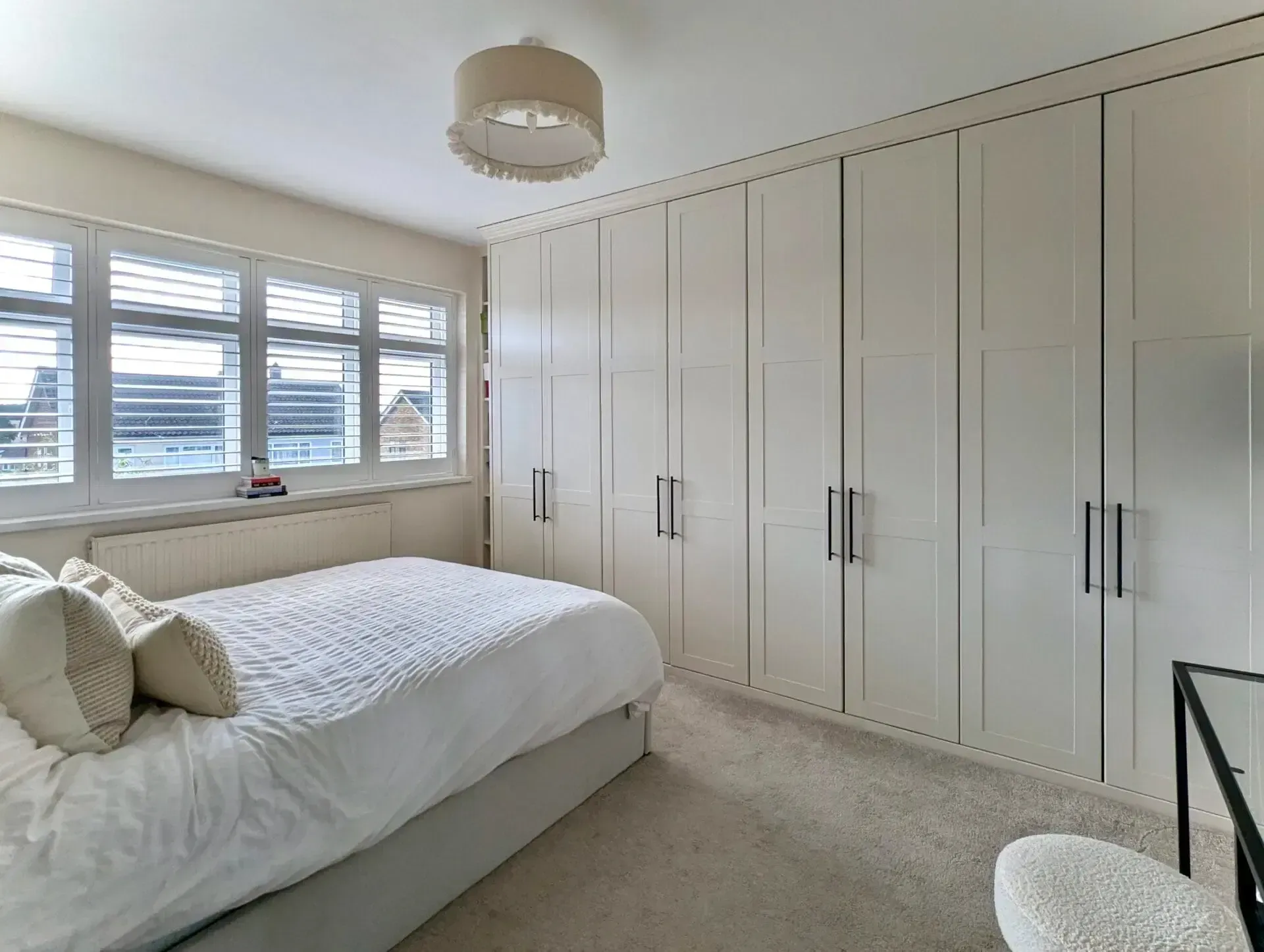
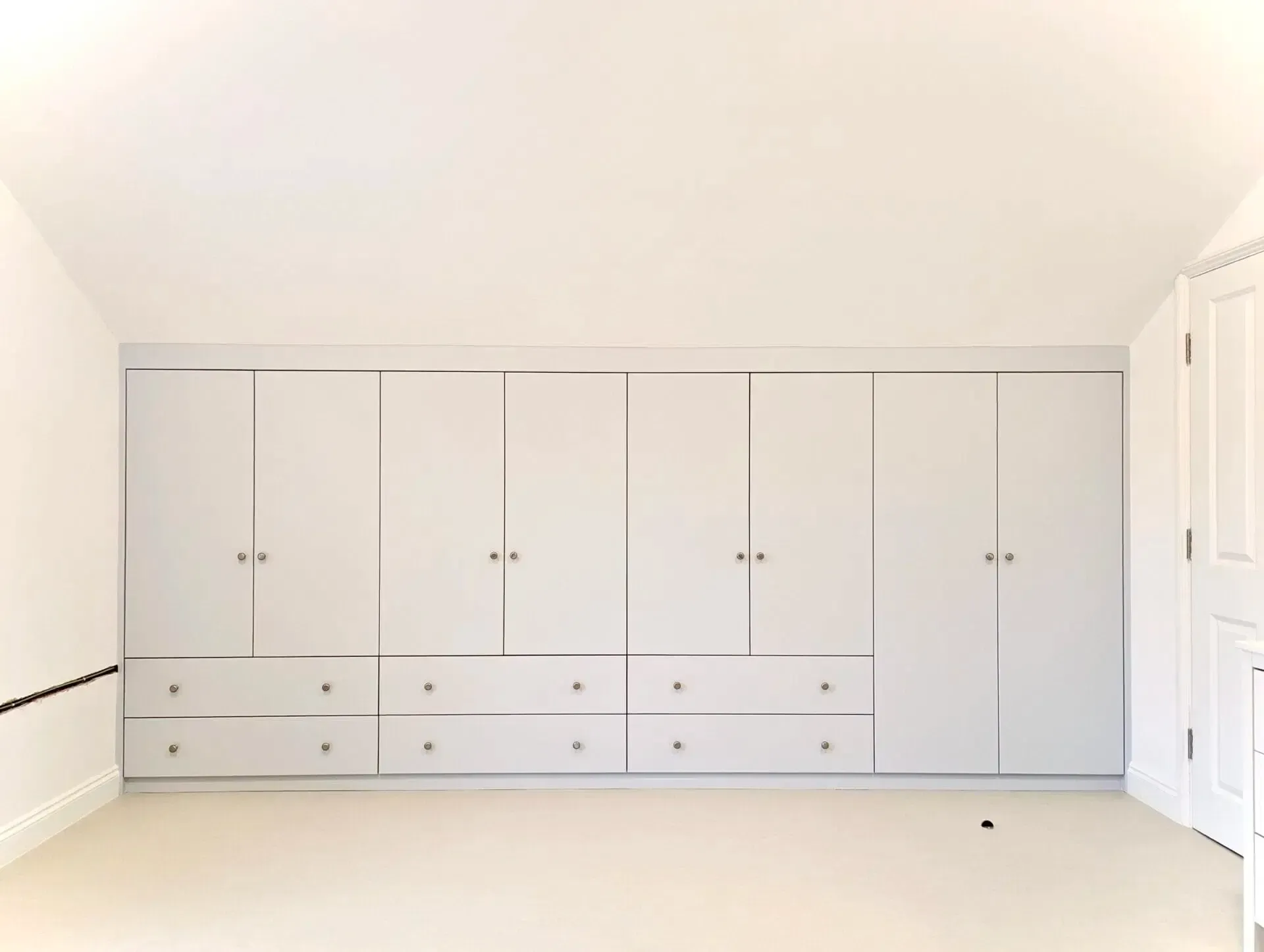
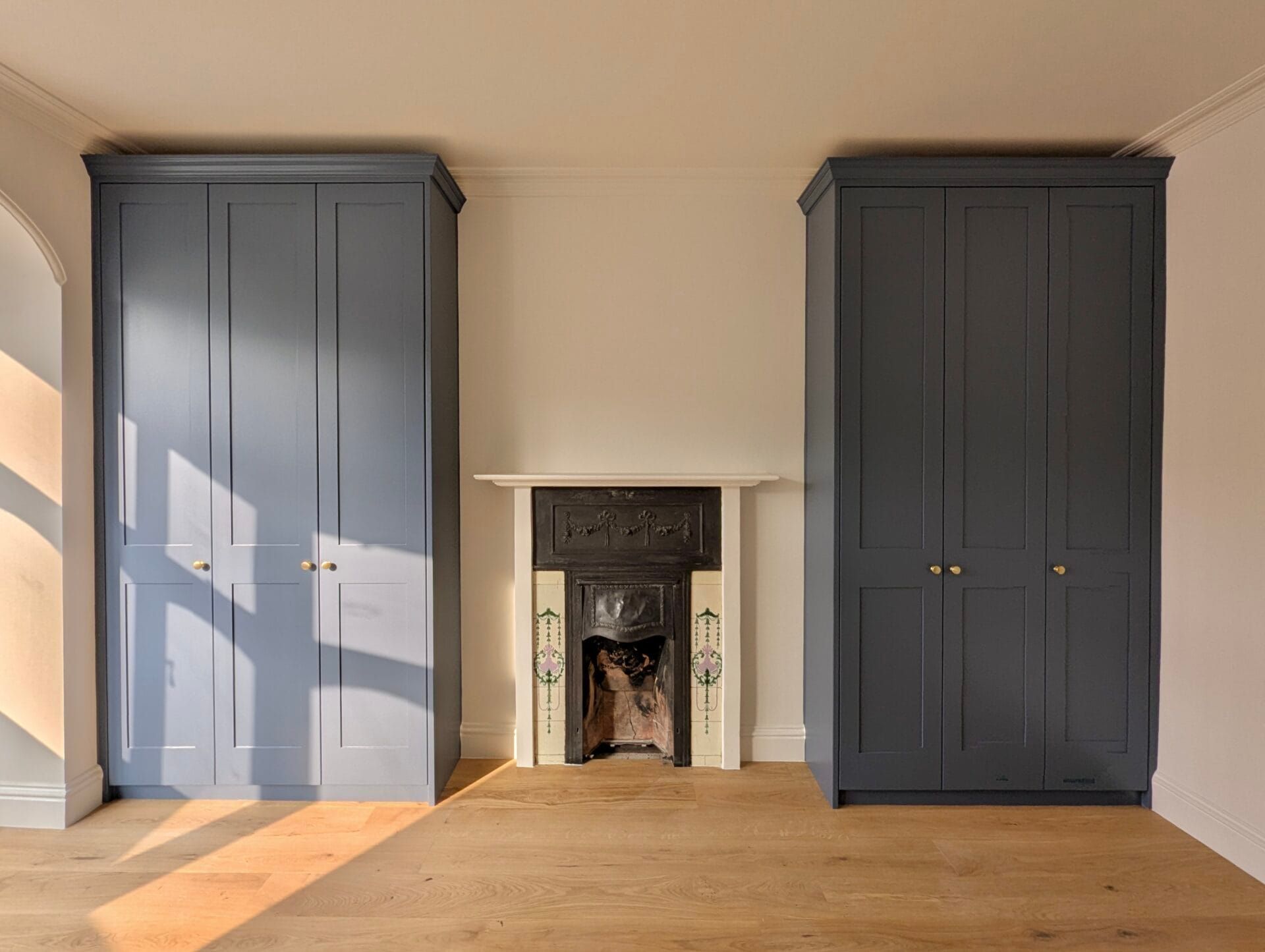
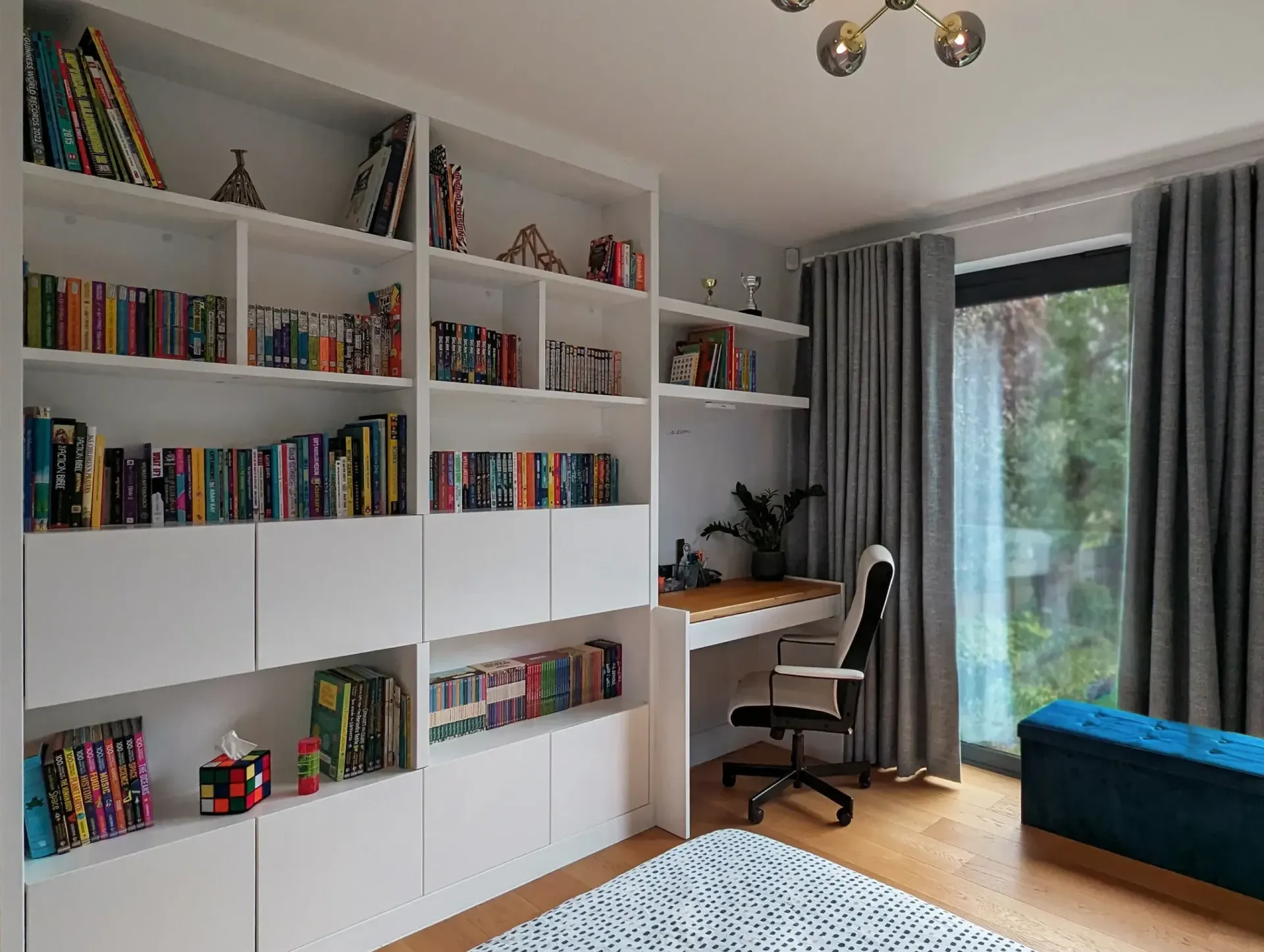
Floor-to-ceiling designs are particularly effective, as they utilise vertical space that would otherwise go unused. These designs also create a clean, streamlined look that makes rooms feel more organised and spacious. Careful planning ensures the wardrobe enhances the room’s proportions rather than overwhelming the space.
Accurate measurements are crucial at this stage, as even small miscalculations can affect both appearance and functionality.
3. Choosing the Right Wardrobe Style
The style of your fitted wardrobe plays a significant role in the overall appearance of the room. Whether you prefer a classic, contemporary, or minimalist look, the wardrobe design should complement your existing interior.

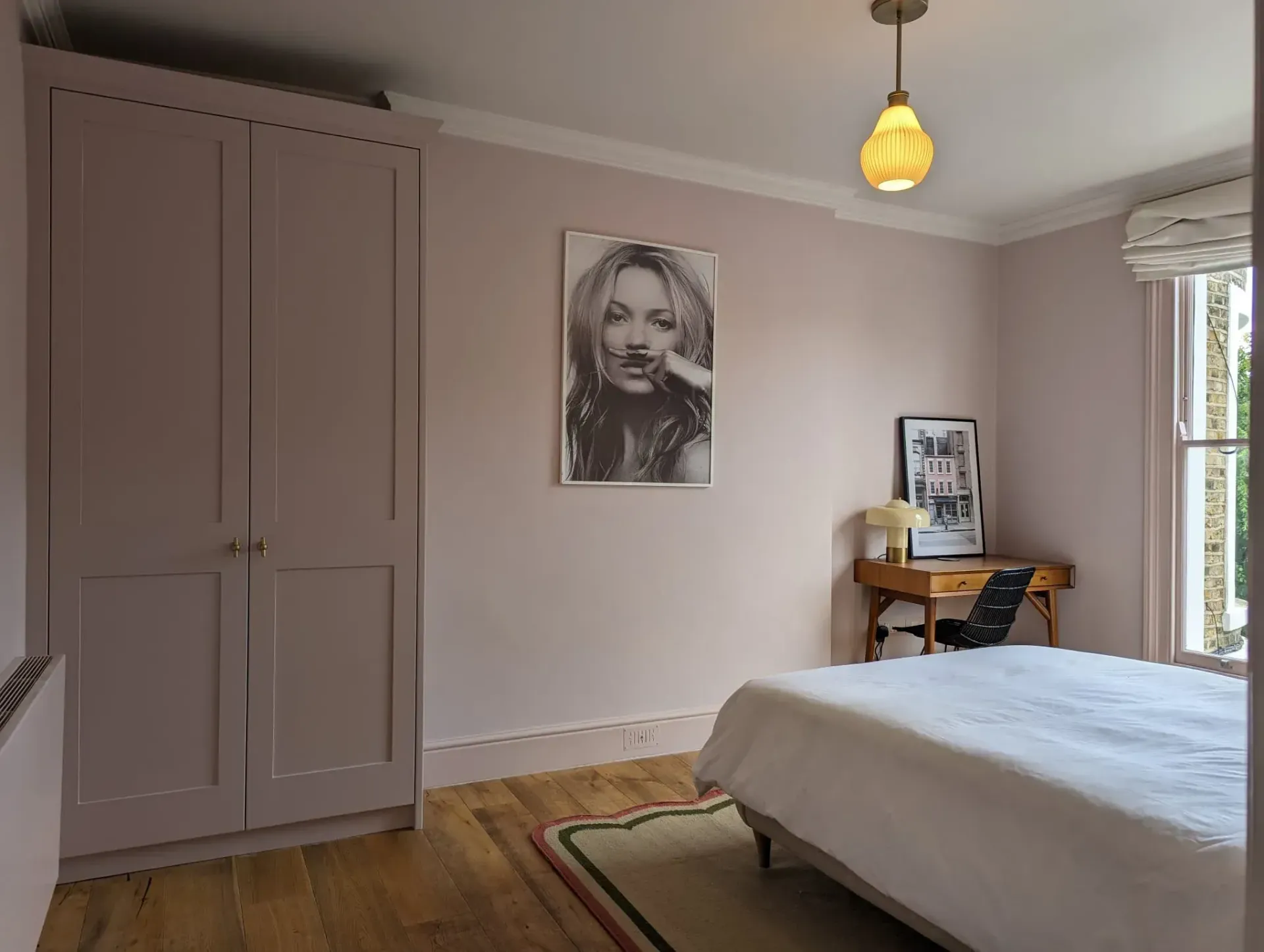
Shaker-style wardrobes offer timeless appeal and suit both traditional and modern homes, while sleek, modern designs create a clean and contemporary finish. Colour choice is equally important, as lighter shades can make a room feel more open, while darker tones add depth and sophistication.
Choosing a wardrobe style that aligns with your home’s character ensures visual harmony and long-lasting appeal.
4. Door Type and Accessibility
Selecting the right type of doors is an important practical consideration. Hinged doors provide full access to the wardrobe interior and work well in rooms with ample space. Sliding doors, on the other hand, are ideal for smaller bedrooms as they do not require clearance to open.

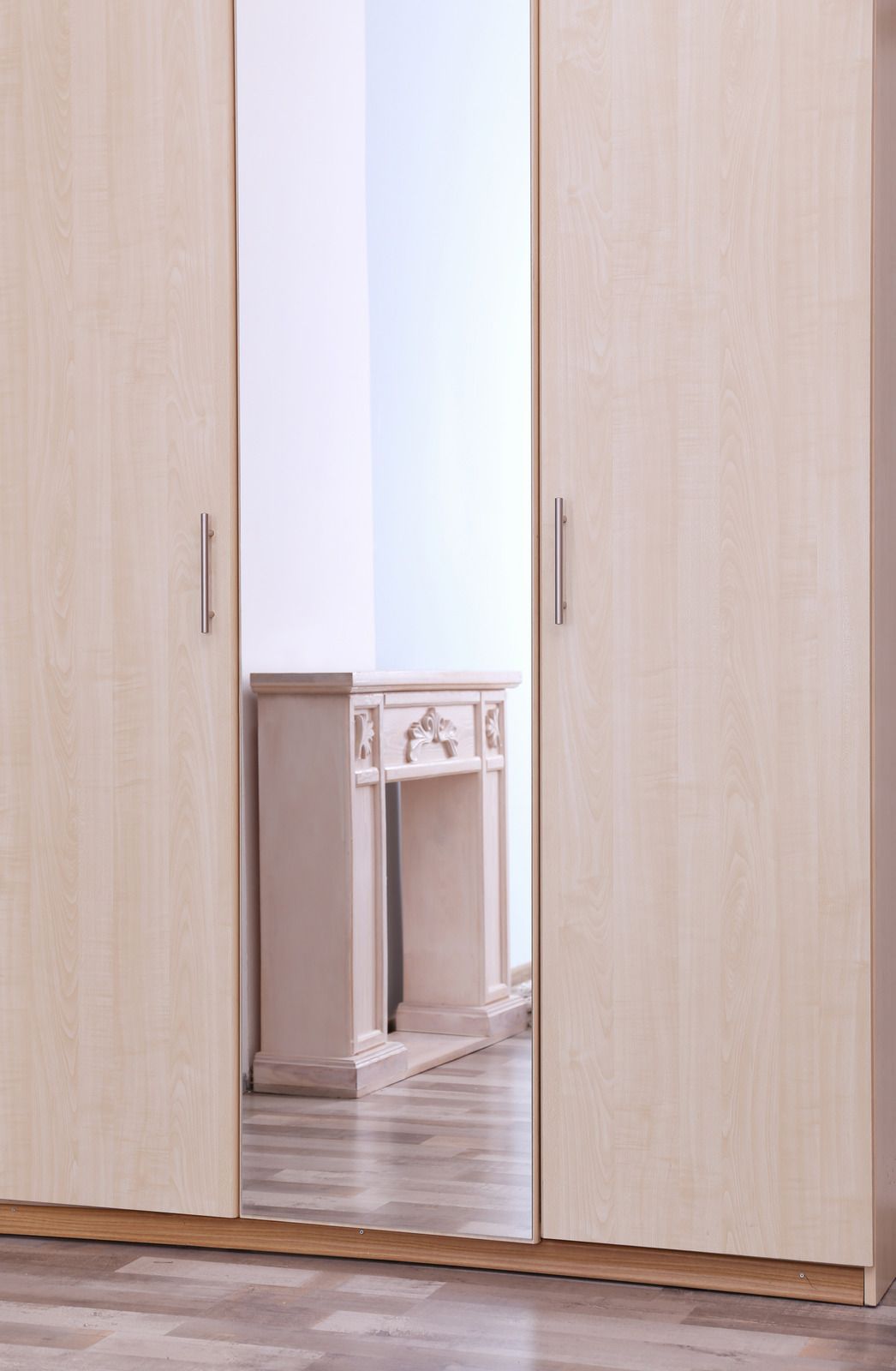
Mirrored doors are another popular option, helping to reflect light and visually expand the room while serving a practical purpose. Door choice influences not only accessibility but also how open and balanced the space feels once the wardrobe is installed.
5. Quality Materials and Craftsmanship
The quality of materials and craftsmanship directly affects the durability and longevity of fitted wardrobes. Investing in high-quality materials ensures the wardrobe can withstand daily use while maintaining its appearance.

Strong internal structures, smooth drawer runners, reliable hinges, and durable finishes all contribute to a wardrobe that feels solid and refined. Skilled craftsmanship ensures precise fitting, clean lines, and a flawless built-in result that enhances the overall room.
Considering Lighting, Ventilation, and Comfort
Beyond storage and design, it is important to think about comfort and usability. Integrated LED lighting improves visibility and makes it easier to access items, especially in deeper wardrobe sections. Motion-sensor lighting adds convenience and a modern touch.

Ventilation is another factor often overlooked. Proper airflow within fitted wardrobes helps prevent moisture build-up and keeps clothing fresh, particularly in rooms with limited natural ventilation. These elements contribute to a healthier and more pleasant living environment.
Budget Planning and Value Considerations
Before installing fitted wardrobes, it is essential to establish a realistic budget. Costs can vary depending on size, materials, finishes, and internal features. While it may be tempting to focus solely on price, value should always be prioritised over short-term savings.

High-quality fitted wardrobes offer long-term durability, reduced maintenance, and increased property appeal. Investing in quality craftsmanship often proves more cost-effective over time, as well-built wardrobes are less likely to require repairs or replacement.
Additional Interior Features That Add Value
Small design details can make a significant difference in everyday use. Soft-close drawers reduce noise and wear, while pull-out shoe racks and accessory trays improve organisation. Dedicated compartments for jewellery, belts, or bags keep items protected and easy to find.

These thoughtful features enhance functionality and elevate the overall wardrobe experience, making daily routines more efficient and enjoyable.
Planning for the Future
When installing fitted wardrobes, it is wise to think long-term. Storage needs evolve, and a flexible design ensures your wardrobe can adapt. Adjustable shelving, removable dividers, and adaptable hanging rails allow the interior to be reconfigured as needed.

Planning ahead helps maximise value and ensures your fitted wardrobe remains relevant and practical for many years.
Working With Experienced Designers and Installers
Another important consideration before installing fitted wardrobes is choosing the right professionals to design and install them. Experienced designers understand how to balance aesthetics with functionality, ensuring your wardrobe suits both the room and your lifestyle. Skilled installers ensure precise fitting, smooth operation, and a flawless finish, which is essential for long-term performance. Working with experts also helps avoid common issues such as poor alignment, wasted space, or compromised durability. Professional guidance throughout the process results in a wardrobe that looks refined, functions perfectly, and adds lasting value to your home.
Conclusion
Installing fitted wardrobes is a valuable investment that enhances both storage and style. By carefully considering storage requirements, space utilisation, wardrobe style, door options, material quality, budget, professional expertise, and future needs, you can achieve a fitted wardrobe that is both practical and visually appealing. Thoughtful planning combined with expert craftsmanship results in a storage solution that feels like a natural extension of your home, offering organisation, comfort, and long-lasting value.
At HUMPHRIES BESPOKE FITTED WARDROBES & CUPBOARDS FULHAM LIMITED, we specialise in designing and crafting bespoke fitted wardrobes, cabinets, and shelving tailored to individual homes. With a focus on quality materials, expert craftsmanship, and thoughtful design, we create made-to-measure storage solutions that maximise space and complement your interior perfectly.