Floating Shelves Done Right: Materials, Weight Limits, Fixings and Styling
A floating shelf looks simple, but the look depends entirely on the fixing hidden inside it and the wall behind it. Choose the right material for the load, fix it into solid masonry or timber studs rather than plasterboard alone, keep the depth in proportion, and style the shelf with a mix of books and objects. Get those right, and a floating shelf holds real weight and looks clean for years.
A floating shelf looks effortless. No visible brackets, no clutter underneath, just a clean line of timber holding books or a row of plants as if by magic. That simplicity is exactly why they so often go wrong. The look depends entirely on what you cannot see, the fixing hidden inside the shelf and the wall behind it.
Get those right, and a floating shelf carries real weight for years. Get them wrong, and it sags, pulls away from the wall, or worse. This guide covers what actually matters, from materials and weight to fixings, depth and styling, so your shelves look as good as they hold.
Where Floating Shelves Work Best
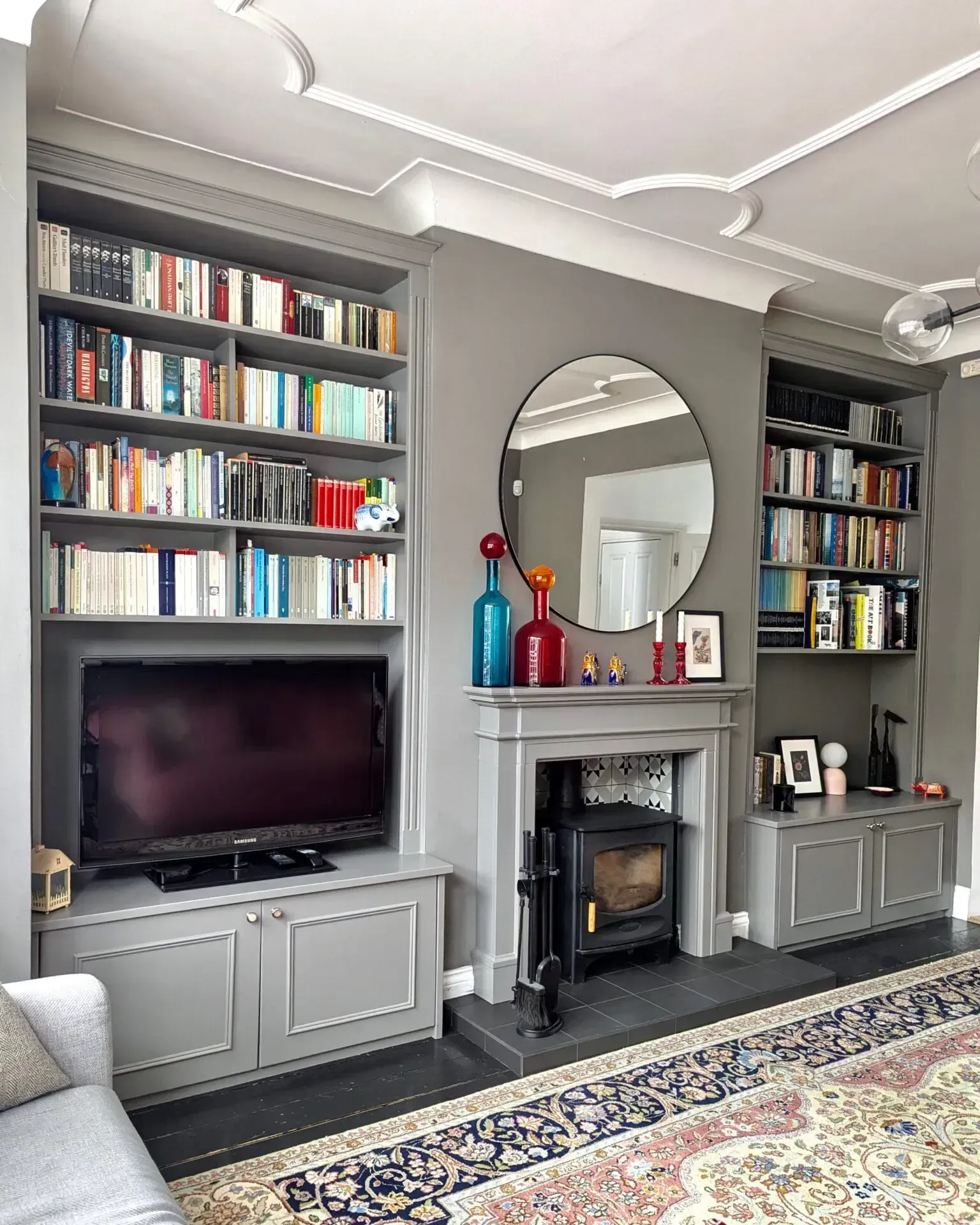
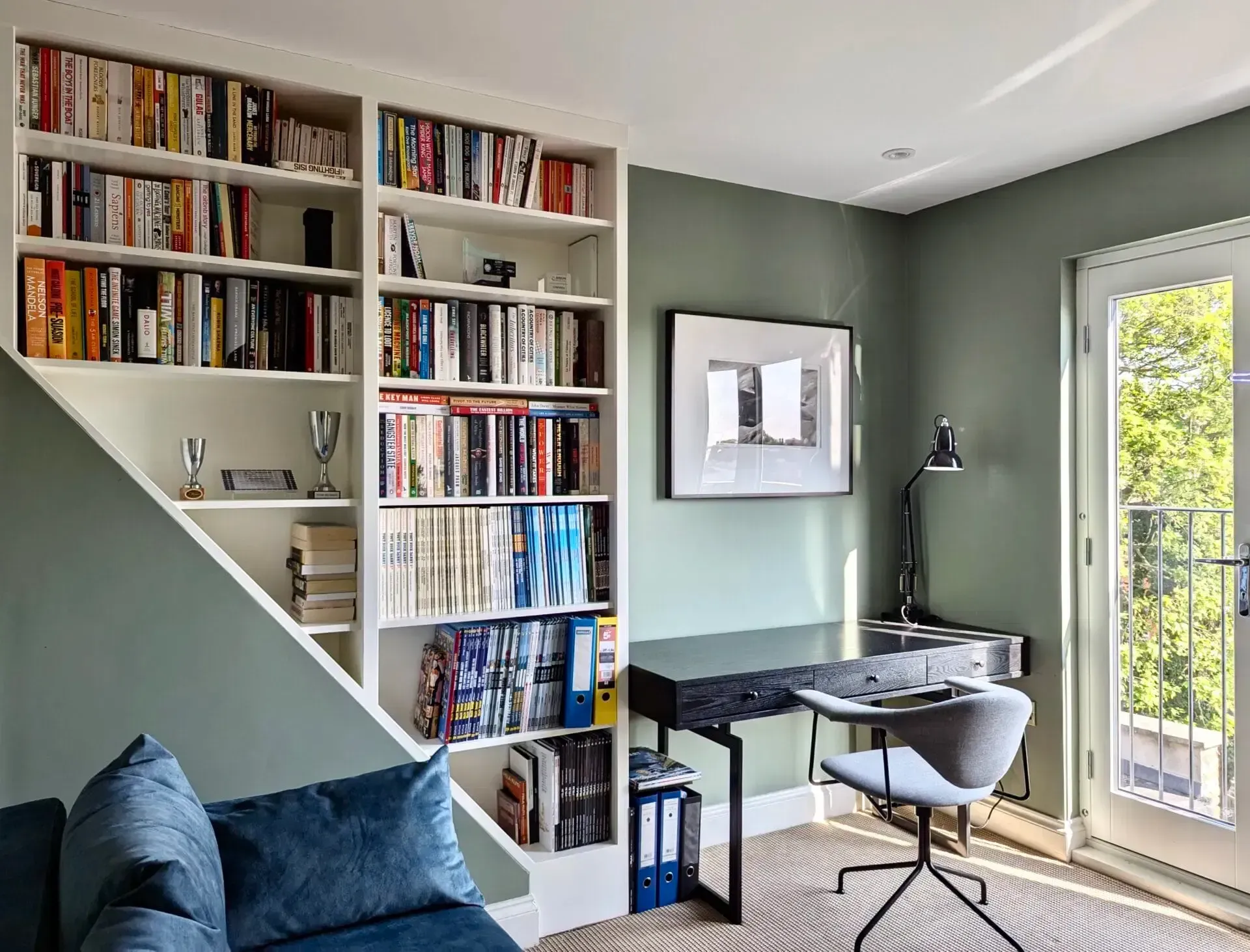
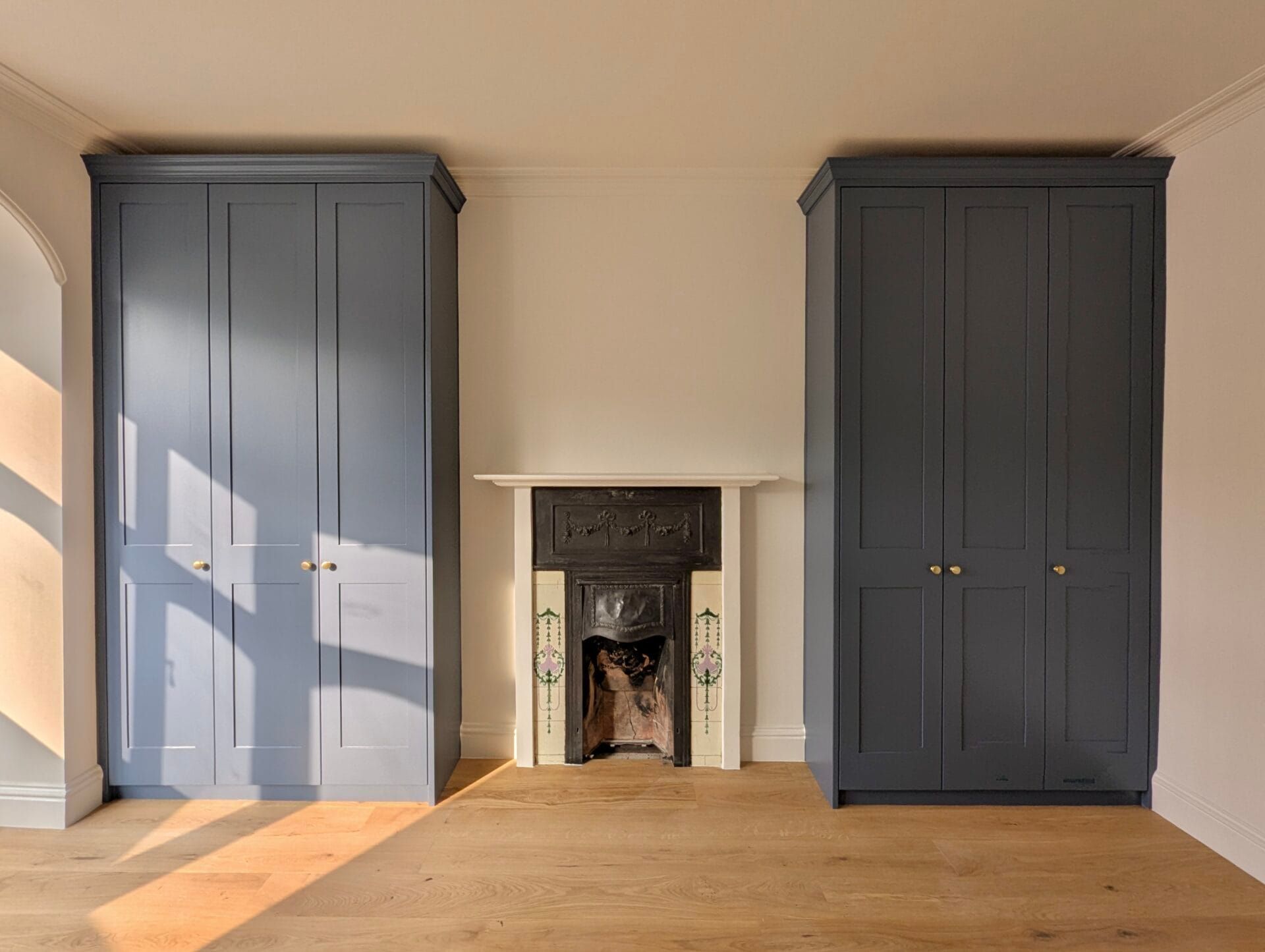
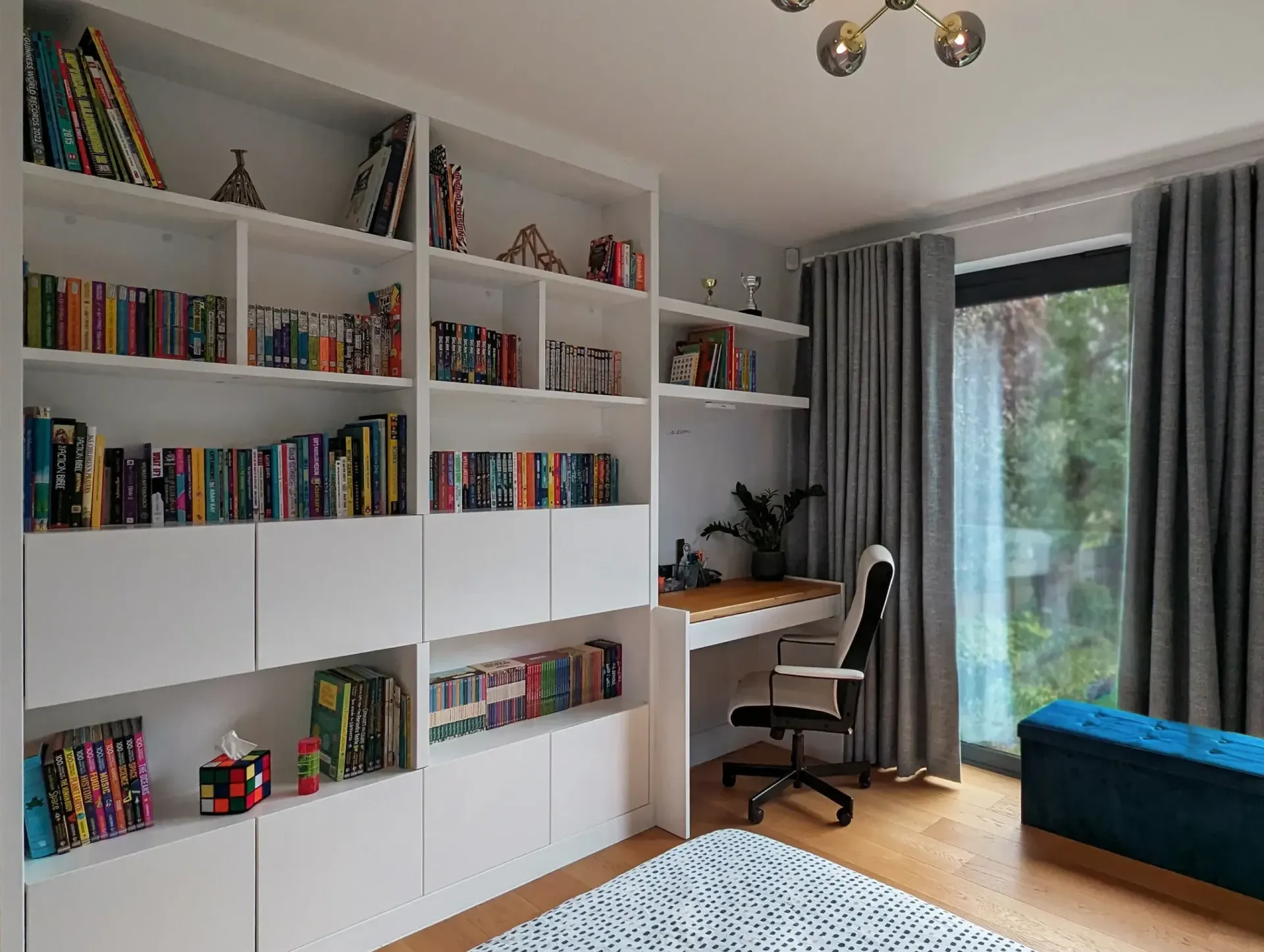
Floating shelves earn their place anywhere you want storage or display without the bulk of a full unit. The alcoves on either side of a chimney breast are a natural home. A run above a desk keeps essentials within reach. In a hallway, they hold keys and post without narrowing the space, and in a living room or kitchen, they display books, plants and pieces you want on show.
Because they keep the floor and the lower wall clear,
floating shelves make a room feel more open than a freestanding unit ever could. That is exactly why they work so well in compact London homes, where every bit of visual space counts.
Choosing the Right Material
The material sets both the look and the strength. Solid timber, such as oak or walnut, gives a warm, natural shelf with visible grain and real substance. Painted MDF offers a smooth, modern surface that can be matched to almost any colour, ideal for a crisp, contemporary look.
A thicker, chunky shelf is often built as a hollow box around a timber batten, which keeps the weight manageable while still looking solid and substantial. Whatever the material, a made-to-measure shelf is built to the exact length of your wall, so there are no awkward gaps at the ends or shop-bought shelves cut down to almost fit.
How Much Weight Can They Hold?
This is where expectations and reality often part ways. A floating shelf is only as strong as its fixing and the wall behind it. Fixed properly into a solid masonry wall, a well-made floating shelf can carry a full row of hardback books without a hint of sag.
Fixed into plasterboard alone, the same shelf might struggle to hold a few picture frames. The wall matters as much as the shelf itself, which is why the load a shelf needs to carry should be worked out before anything is drilled, not discovered afterwards when it starts to droop.
The Fixings That Make the Difference
The magic of a floating shelf is all in the hidden fixing. Most concealed systems use one of two approaches. The first is a steel bracket with rods that slot into holes drilled into the back of the shelf. The second is a timber batten fixed to the wall, which the shelf then slides over and is secured to. Both hide the support completely.
The real skill lies in anchoring that bracket or batten into something solid, whether that is masonry with the correct fixings or the timber studs and noggins inside a stud wall. Fixed into plasterboard on its own, no system will hold for long. Done properly, the support vanishes, and the shelf looks as though it grows straight out of the wall.
Getting Depth and Spacing Right
Depth is a balancing act. A deeper shelf holds more but puts more stress on the fixing, so it needs stronger support and a wall that can take the strain. For books and everyday display, a moderate depth keeps things stable and in proportion with the room.
Spacing matters just as much. Leave enough height between shelves for the things you actually intend to store, allowing for tall books, vases or trailing plants, and avoid stacking shelves so closely that the wall starts to look busy. A little breathing room keeps the whole run feeling calm and deliberate rather than crowded.
Styling Floating Shelves So They Look Considered
A floating shelf is part storage and part display, so how you arrange it matters. Mix upright and stacked books, add a few objects, a plant or a piece of art, and leave some empty space rather than filling every inch. A shelf packed wall to wall rarely looks as good as one with room to breathe.
Grouping items in odd numbers and varying their heights tends to look more natural than a neat, even line. The aim is a shelf that feels collected and personal rather than staged, while still earning its keep as storage you use every day.
Frequently Asked Questions
How much weight can floating shelves hold?
It depends on the fixing and the wall. Fixed properly into solid masonry, a well-made floating shelf can hold a full row of hardback books. Fixed into plasterboard alone, it will hold very little, so the wall matters as much as the shelf does.
How are floating shelves fixed to the wall?
With concealed supports. Most use a steel bracket with rods that slot into holes drilled in the back of the shelf, or a timber batten that the shelf slides over. The support is anchored into masonry or wall studs, then hidden completely inside the finished shelf.
What depth should a floating shelf be?
Enough for what you are storing, and no more. A moderate depth suits books and everyday display while keeping the shelf stable. Deeper shelves hold more but put extra stress on the fixing, so they need stronger support and a solid wall right behind them.
Can floating shelves go on a plasterboard or stud wall?
Yes, but only if they are fixed into the timber studs and noggins behind the plasterboard, never the board alone, which holds almost nothing. On a stud wall, the shelf and its fixings are carefully planned around exactly where that solid timber sits behind it.
What is the best material for floating shelves?
It depends on the look you want. Solid oak or walnut gives warmth and grain, painted MDF gives a smooth modern finish in any colour, and a hollow box around a batten gives a chunky shelf without extra weight. All can be made to measure.
Floating Shelves Built And Fixed To Last
At Fulham Bespoke Fitted Wardrobes, we have spent more than 15 years building fitted shelving, cupboards and wardrobes across London. A floating shelf is only ever as good as the wall behind it and the fixing within it, so we make ours to measure, with concealed fixings sized to your wall and finished by hand or in real oak to match the room. The carpentry is backed by our 15-year guarantee, and every project begins with a free design visit, so we can check the wall, plan the load and get the shelves looking right before anything is fixed in place.