Bay Window Seats and Window Seat Storage
A window seat turns a bay or window recess into seating and hidden storage at once. Lift up lids give deep, easy access to the space below, while drawers underneath suit everyday items. The seat is built to the exact shape of the window, square or curved, cushioned to the right height, and finished to match the room, so a spot that was doing nothing becomes one of the nicest places to sit.
A bay window is one of the best features a room can have, and one of the most underused. The recess it creates is a natural spot to sit, with light on three sides and a view out, yet in most homes, it ends up holding a radiator and not much else.
A
built-in window seat changes that. It gives you somewhere genuinely lovely to sit, and storage hidden beneath it, all in a space that was otherwise wasted. Here is how to design a window seat that earns its place.
Why a Bay Window Is Made for a Sea
A bay window almost asks for a seat. It already forms a three-sided nook, set slightly apart from the rest of the room, with daylight pouring in and a view to look out on. Building a seat into it simply completes what the architecture started.
There is a practical bonus, too. The space beneath a window seat, the area between the floor and the height of the sill, is usually dead space. Turning it into storage means you gain a comfortable seat and a generous hidden cupboard in the same footprint, without taking anything from the rest of the room. In homes where storage is always short, that is a rare double win.
Lift Up Lids or Drawers Beneath
There are two main ways to get to the storage under a window seat, and the right one depends on what you want to keep there. A lift-up lid, hinged along the back, opens the whole seat to reveal one large space below. It is ideal for bulky, less frequently used items like spare bedding, board games or toys, and it gives the most volume for the least complication.
Drawers built into the base are the alternative. They pull out into the room and suit things you reach for more often, keeping everything sorted and easy to see. Some designs combine the two along a wider seat. The trade-off is simple. Lids give you the most space, while drawers give you the easiest day-to-day access.
Cushions, Comfort and Proportions
A window seat only gets used if it is comfortable to sit on, and that comes down to proportions. The height of the seat matters most. Too high and legs dangle, too low, and it feels like sitting on the floor, so a comfortable chair height is the aim, adjusted for the cushion on top.
A good cushion makes all the difference, thick enough to be inviting and covered in a fabric that suits the room and copes with daily use. Depth matters too, enough to sit back into with a few scatter cushions against the window. Get the height, depth and cushioning right, and the window seat becomes somewhere you linger with a book, not just perch for a moment.
Fitting Square and Curved Bays
Bays come in different shapes, and the seat has to follow. A square or rectangular bay is the easiest, with a straight run of seat built across the recess. An angled bay, with its canted sides, needs a seat shaped to follow those angles so it sits neatly into the space.
A curved bay is the most demanding of all, since the seat front has to follow the sweep of the window. This is exactly where a made-to-measure approach matters, because the seat is built to the real shape of your bay rather than forced to fit a standard size. Scribed to the walls and the sill, a fitted window seat sits tight to the recess with no awkward gaps, whatever the shape.
Finishing It to Suit the Room
Like any fitted piece, a window seat looks its best when it belongs to the room around it. The base can carry the same skirting as the walls, the drawer fronts or panelling can echo other joinery in the home, and the whole thing can be painted to match or quietly complement the rest of the space.
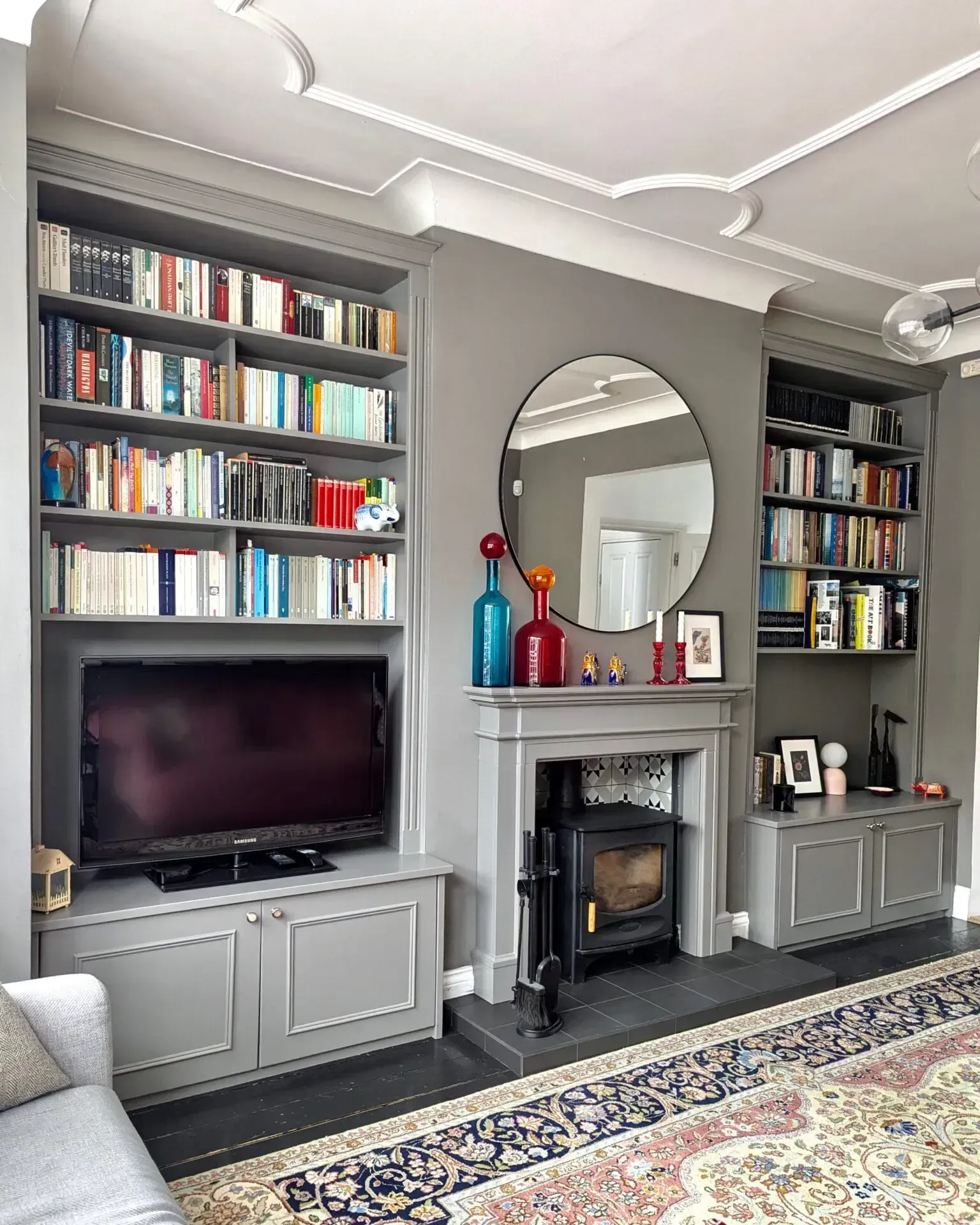
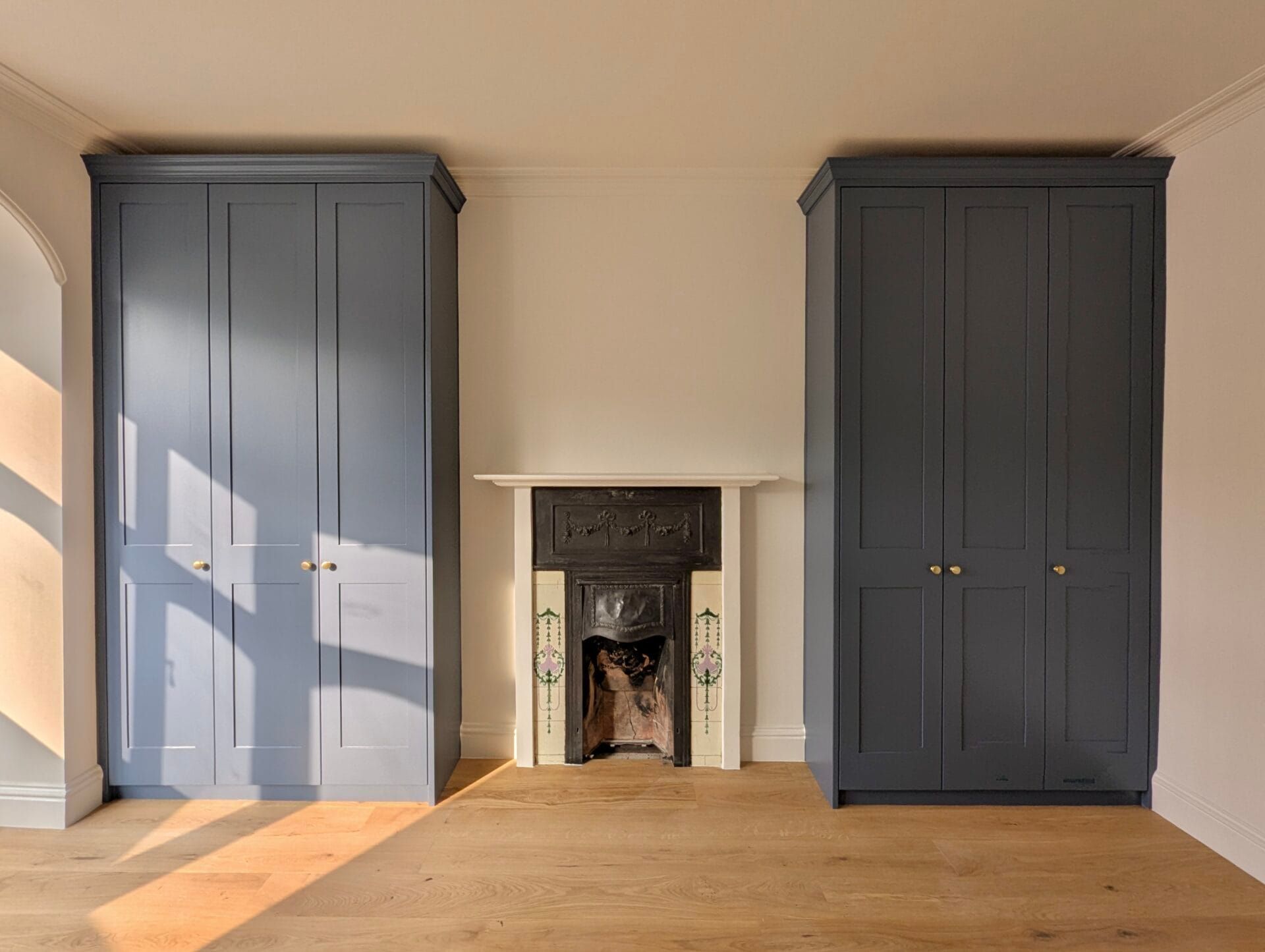
It is also a chance to tie the window seat in with any nearby storage. Flanking the bay with tall cupboards or shelving, finished to match, turns the seat and its surroundings into one considered composition rather than a single bench sitting on its own. Finished this way, the seat looks like part of the house, because it is.
Frequently Asked Questions
Can you build storage into a bay window seat?
Yes, and that is a great reason to have one. The space beneath the seat, between the floor and the sill, is wasted. Building it as storage gives you a comfortable seat and a hidden cupboard in the same footprint, taking nothing from the room.
Should a window seat have a lift-up lid or drawers?
It depends on what you store. A lift-up lid opens the whole seat to a large space, ideal for bulky items like spare bedding or toys. Drawers pull out and store things you use often. Lids give the most volume, while drawers give the easiest access.
Do window seats work in a curved bay?
Yes, though a curved bay is the most demanding. The seat front has to follow the sweep of the window, which is why a made-to-measure seat matters. Built and scribed to the shape of your bay, it sits tight with no awkward gaps.
How high should a window seat be?
Around a comfortable chair height, once the cushion on top is allowed for. Too high and your legs dangle, too low and it feels like sitting on the floor. Getting the height right and enough depth is what makes a window seat somewhere you linger.
Can a window seat match the rest of my room?
Yes. The base can carry the same skirting as the walls, the fronts can echo other joinery, and the seat can be painted to match or complement it. Flanking it with cupboards or shelving finished to match turns the bay into one built-in composition.
Window Seats Built Into Your Bay
At Fulham Bespoke Fitted Wardrobes, we have spent more than 15 years building fitted seating, storage and wardrobes for homes across London, and bay windows are some of the most rewarding spaces we work with. A window seat only works when the comfort and the storage are planned together, so we build each one to the exact shape of your bay, square, angled or curved, with lift-up lids or drawers to suit, cushioned to the right height and finished by hand to match the room. The carpentry is backed by our 15-year guarantee, and every project begins with a free design visit, so we can measure the bay and plan the seat before anything is built.