Wardrobe Security: Locks, Safe Drawers and Secure Storage Within Fitted Furniture

May 30, 2026

Share this article

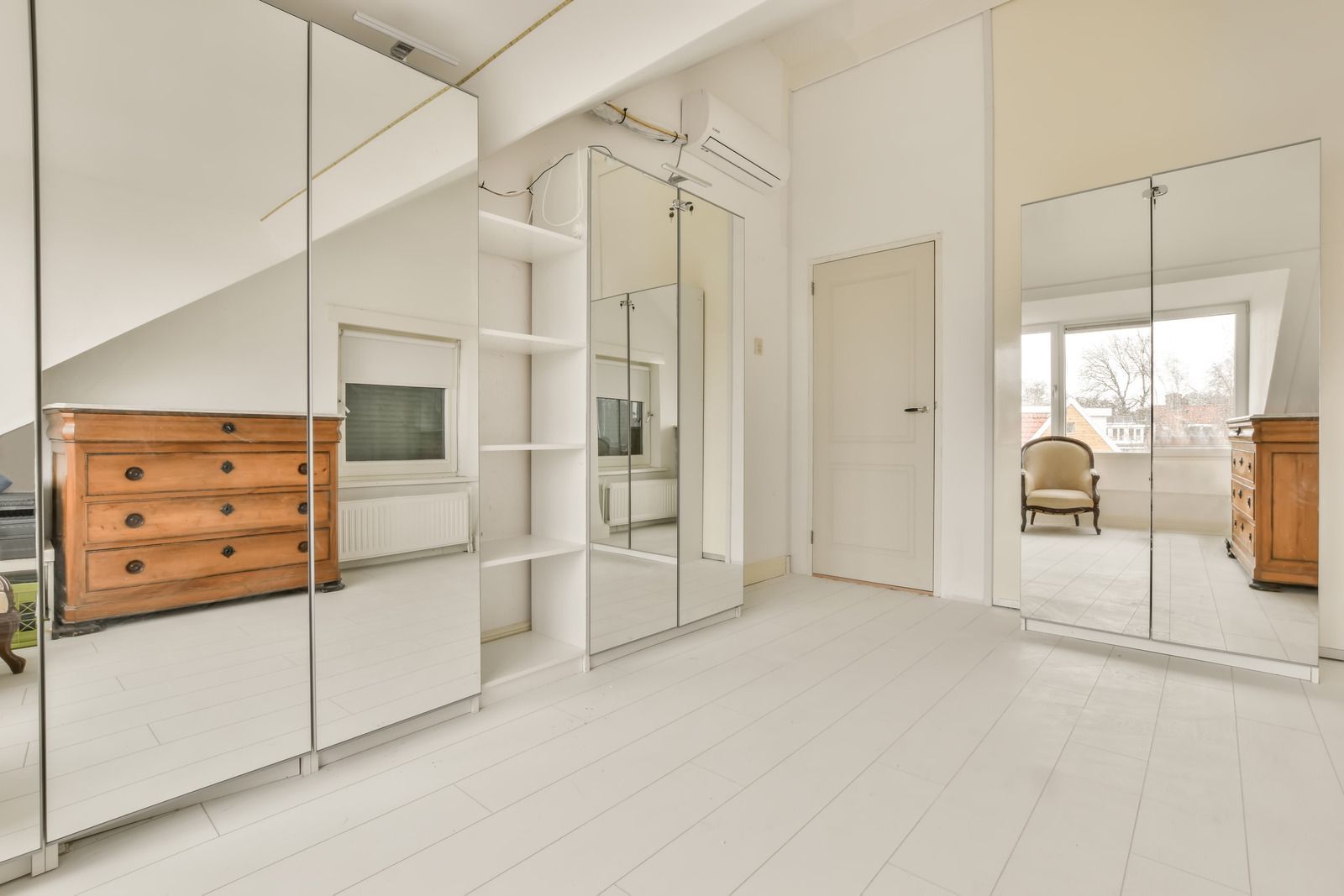
Security within a fitted wardrobe is one of those topics that rarely comes up in the design conversation but turns out to matter to a significant number of homeowners once they think about it. Passports, birth certificates, cash, jewellery, medication, and other valuables all need to live somewhere. For most people, the answer is a drawer, a box on a shelf, or a safe bought separately and placed in a cupboard. None of these is particularly secure, and none is particularly designed for the purpose.


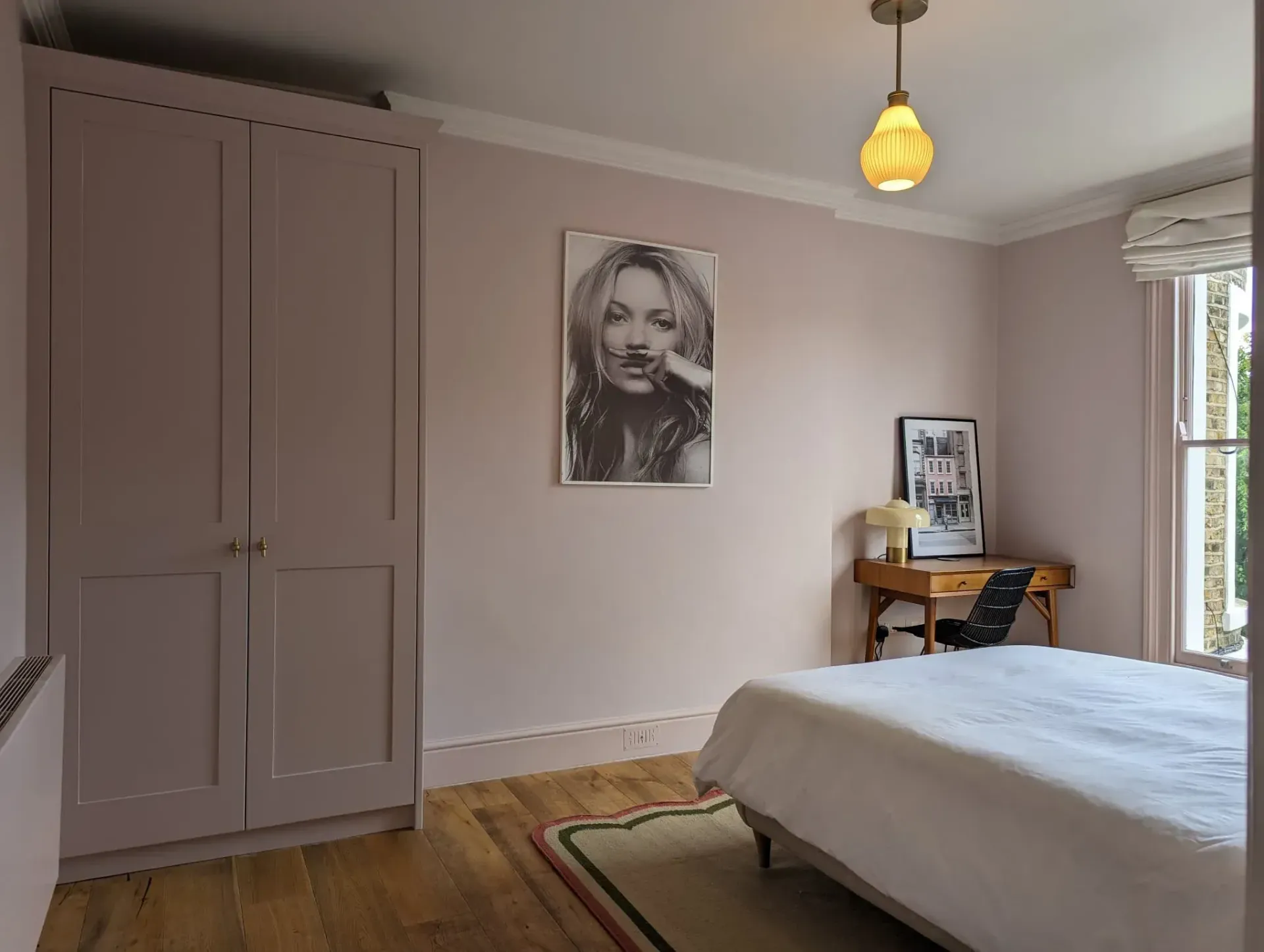
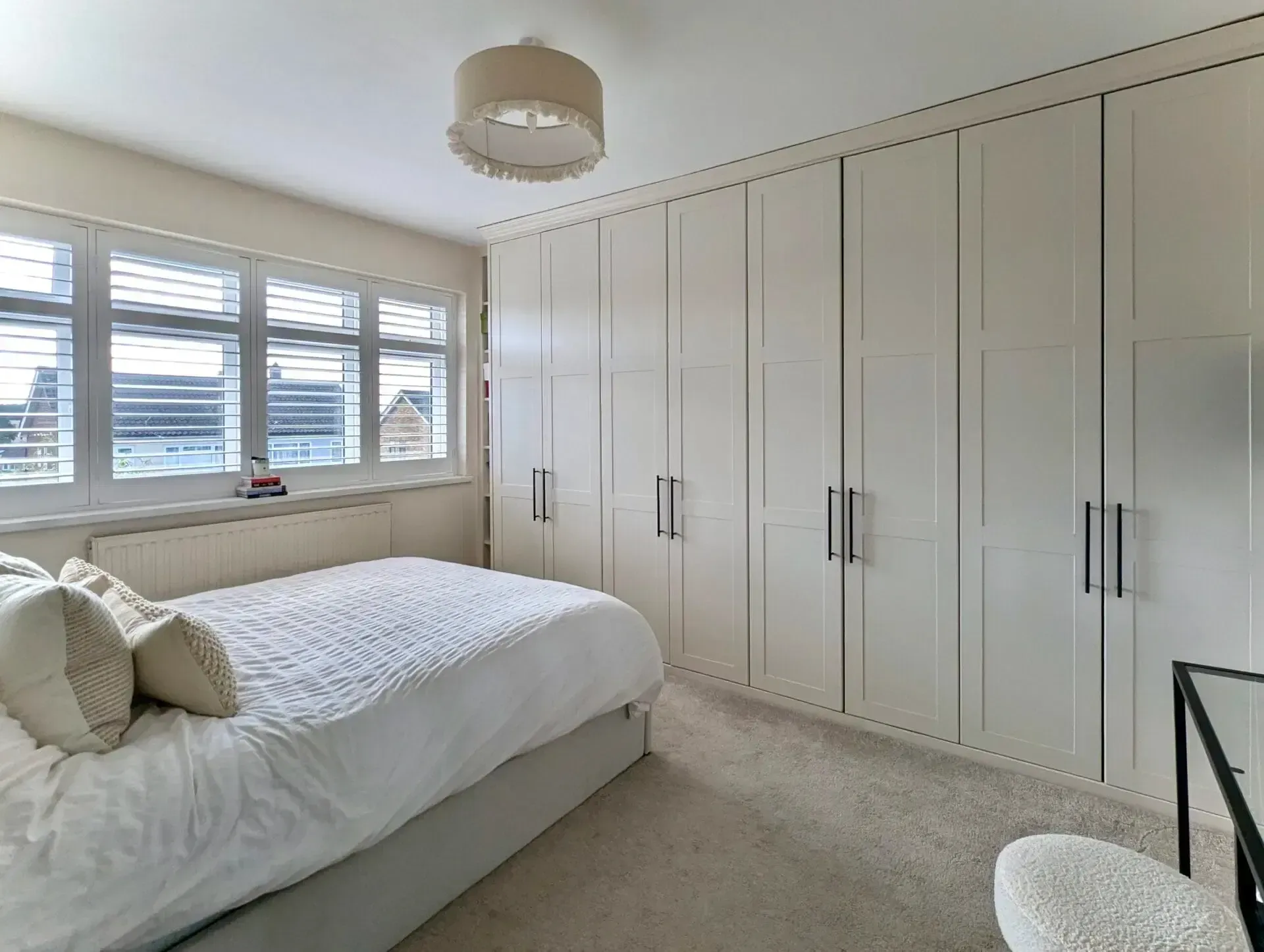
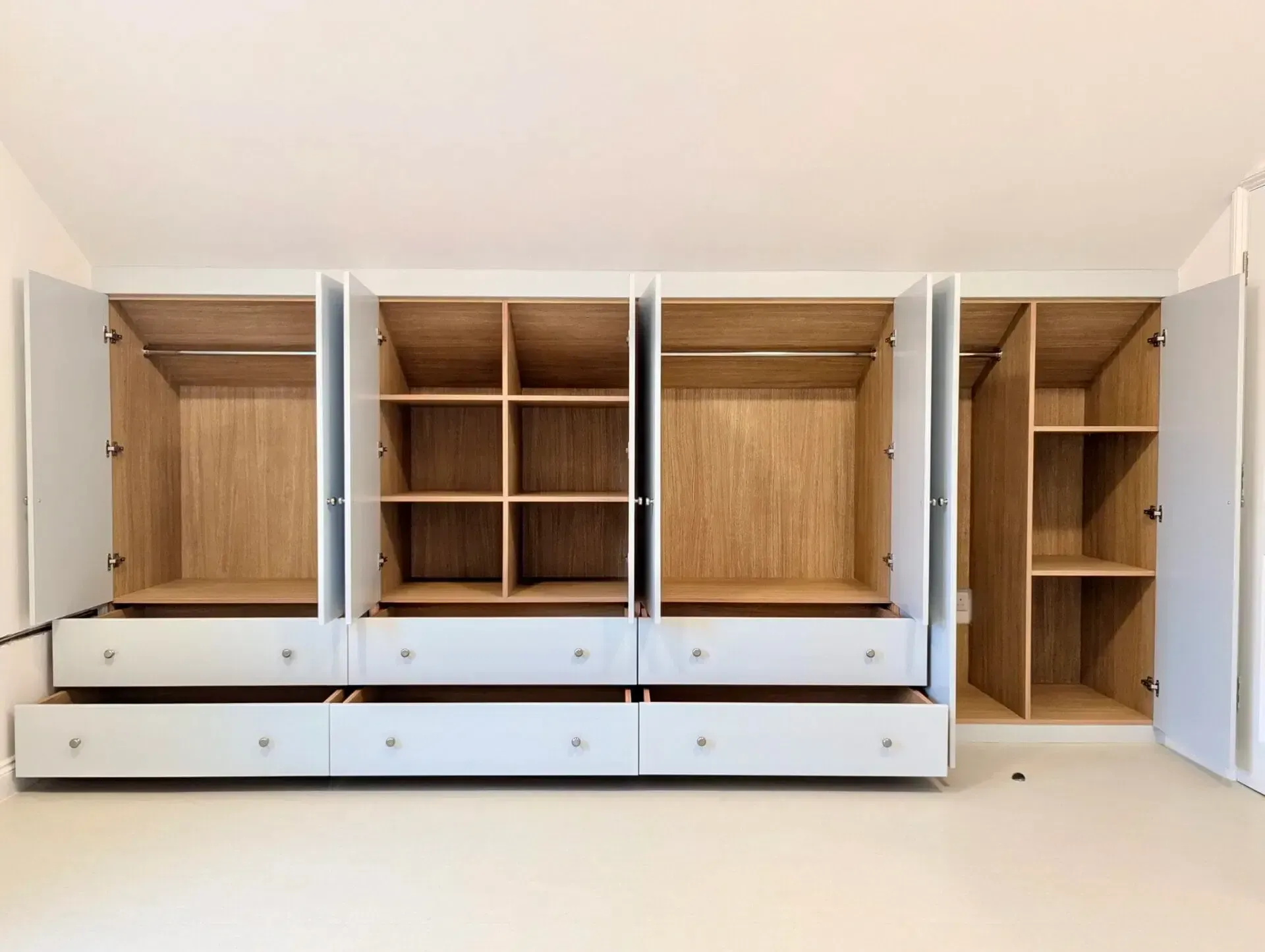
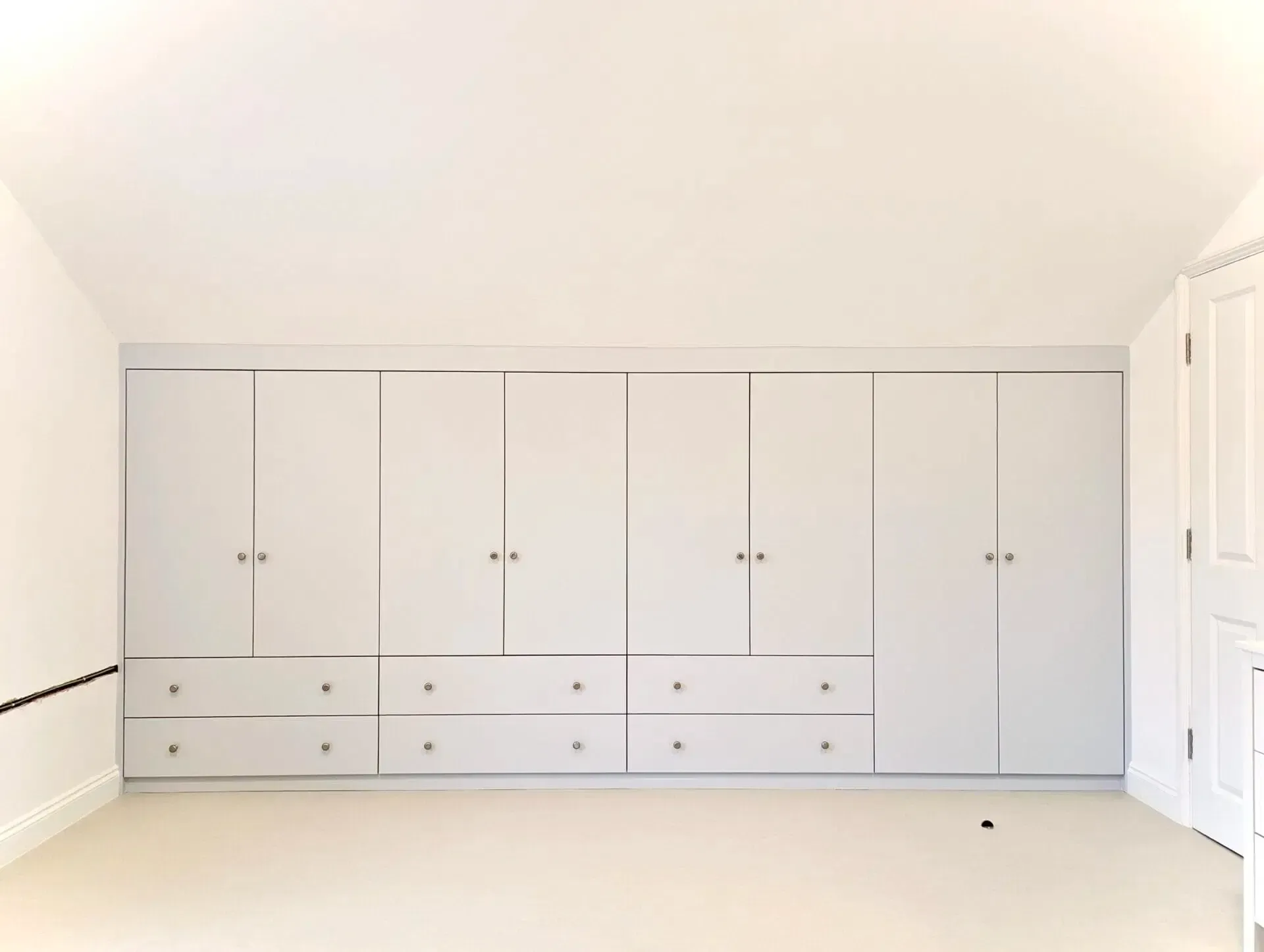
Integrating security features into fitted furniture from the start — rather than bolting them on afterwards — produces better results. A drawer designed with a lock, a wardrobe section specified to conceal a wall-mounted safe, a fitted cabinet with a hidden internal compartment: these are all achievable within a bespoke joinery design, and none of them requires the wardrobe to look like it has anything to protect. At Humphries Cabinets, security requests are part of the brief on a meaningful minority of projects, and this guide covers the main options and how they work in practice.

Locking Individual Drawers and Sections

The most straightforward security upgrade within a fitted wardrobe is a lock on a specific drawer or section. A key-operated drawer lock fits within a standard drawer face and operates a bolt that prevents the drawer from opening without the key. The visible hardware on the outside of the drawer is minimal — a small cylinder lock, often in a brass or brushed finish — and the lock can be integrated into the drawer design so that it reads as a hardware detail rather than a security device.


Locking a wardrobe section — a pair of doors that cover a specific bay of the wardrobe — works on the same principle. A two-point lock on the meeting style of the doors, operated by a key, secures both doors at once. In a wardrobe with multiple sections, a single locked section among several unlocked ones provides secure storage without making the wardrobe appear any different from the outside. The lock cylinder sits in the door face at a natural height — roughly chest level for easy operation.


The limitation of drawer and door locks is that they protect against casual access, not determined intrusion. A standard timber drawer or door can be forced without great effort if someone is intent on it. Drawer and door locks are appropriate for keeping medication out of children’s reach, protecting personal documents from casual access by household visitors, or securing items that you’d rather a cleaner, tradesperson, or temporary occupant couldn’t easily reach. They are not appropriate for high-value items that need protection against burglary, which requires a proper safe.

Integrating a Safe Within Fitted Furniture

A freestanding safe bought from a hardware shop and placed inside a wardrobe is better than no safe. But it’s visible to anyone who opens the wardrobe doors, and it can typically be removed physically by a determined thief if it isn’t bolted to the floor or wall. A wall-mounted safe integrated into fitted furniture solves both problems: it’s hidden behind a fitted panel or within a concealed compartment, and it’s bolted to the wall structure where it cannot be removed without significant effort.


The design options for integrating a safe into fitted furniture are several. The simplest is to create a dedicated wardrobe section — a bay with doors that match the rest of the wardrobe — behind which the safe is mounted to the wall. The section looks identical to any other storage bay from the outside. When the doors open, the safe is visible and accessible; when they’re closed, there’s no visual indication that it’s there. A more sophisticated version adds a concealed element: the section appears to contain shelving, but a specific shelf slides or pivots to reveal the safe mounted behind it.


Selecting the right safe for integration requires thinking about its dimensions relative to the wardrobe bay, its fixing requirements (most wall safes bolt through the back or sides), and its locking mechanism. Electronic safes with keypad or biometric locks are popular for daily-use items; key-locked safes are more appropriate for items accessed less frequently. The designer at Humphries Cabinets can advise on how to build the surrounding cabinetry around whichever safe the client selects, or can recom

Hidden Compartments and Concealed Storage

Beyond locked drawers and integrated safes, there’s a category of wardrobe design that creates storage that is simply not visible to a casual observer. A false back panel behind a hanging section, accessible only by sliding it aside — a false plinth section at the base of the wardrobe that conceals a shallow compartment — a shelf that appears fixed but is released by pressing one end. These features are more common in custom furniture than most people realise, and they work precisely because they look identical to their non-secret counterparts.


Hidden compartments are most useful for low-value items that you want to keep private rather than specifically secure — personal documents, spare cash, items you’d prefer household visitors or tradespeople not to notice. They offer security by concealment rather than by physical resistance, which is appropriate for some use cases and not for others. A hidden compartment behind a wardrobe's back panel is not going to stop a determined burglar; it will stop a nosy visitor or a contractor with access to the room.


The design of a hidden compartment needs to be thought through at the drawing stage rather than added after installation. A false back panel needs to be the right thickness, hinged or sliding on appropriate hardware, and accessible without removing hanging clothes. A false plinth compartment needs adequate depth to be useful and a release mechanism that can be operated reliably without knowing where to look for it. These details are straightforward to incorporate when they’re part of the original design, and very difficult to retrofit cleanly.

Medication Storage: A Specific and Common Requirement

Medication storage within a fitted wardrobe is a security consideration that’s different in character from jewellery or documents but equally important in households with young children. Prescription medications, over-the-counter drugs, and supplements all need to be accessible to adults and inaccessible to children. A locked drawer or a locked cabinet section within a fitted wardrobe provides medication storage that is both convenient and secure.


The key requirement for medication storage is that it should be lockable without requiring a complicated process to access. A drawer lock operated by a simple key that stays on the household keyring is the right level of security — enough to prevent a child from opening it, not so complex that an adult in need of medication is fumbling with a combination. The drawer should be positioned at adult height, which in most wardrobes means a mid-height drawer section, accessible without bending or reaching.


If the household includes someone with dementia or another condition that creates a risk of self-medication, a more robust lock may be appropriate — a deadbolt or a double-action mechanism that requires a deliberate two-step operation rather than a simple turn. These can be specified on drawer or door locks within fitted furniture without any visible change to the exterior of the wardrobe.

What Humphries Cabinets Offers

Humphries Cabinets designs and installs fitted wardrobes across London with security features integrated from the design stage. Drawer and door locks, concealed safe compartments, hidden storage sections, and locked medication storage are all achievable within the standard bespoke design and build process. Security requirements are discussed at the design consultation and incorporated into the 3D drawings before any commitment is required. See Fitted Wardrobes, Wardrobe Interiors, and Bedrooms, and contact the team to arrange your free design visit.

Frequently Asked Questions

  • What level of security does a standard drawer lock provide?

    A standard drawer lock protects against casual access — it prevents someone from opening the drawer without the key, and most people encountering a locked drawer won't attempt to force it. It does not provide protection against a determined attempt to force the drawer or remove the drawer from its runners. For high-value items that need protection against deliberate intrusion, a proper wall-mounted safe is the appropriate solution.

  • Can any drawer in an existing fitted wardrobe be retrofitted with a lock?

    In most cases, yes. A cylinder drawer lock can be fitted to a standard drawer face as a retrofit, provided the drawer face has sufficient thickness and the lock cylinder fits within the available space. The installation involves drilling a hole for the cylinder and fitting the bolt mechanism inside the drawer. This is a relatively simple job for a joinery company or a locksmith.

  • What weight of safe can be wall-mounted within fitted furniture?

    Most domestic safes suitable for a wardrobe installation weigh between 15kg and 60kg, depending on size and door thickness. The wall they're mounted to needs to be capable of bearing this load — a concrete or blockwork wall easily meets this requirement; a timber stud wall can also carry a safe with appropriate noggin supports. The safe manufacturer will specify the fixing requirements, and the wardrobe design should be planned around these.

  • How much additional cost does adding a lock to a wardrobe section typically involve?

    Lock hardware for a drawer or door section adds modest cost to the overall project. The main consideration is designing for it from the start — the door or drawer configuration needs to allow for the lock cylinder position, the bolt operation, and the key access from outside. Adding a lock that wasn't planned in at the design stage is possible but produces a less clean result.

  • Are electronic keypad safes better than key-operated safes?

    It depends on how the safe will be used. Electronic keypad safes allow quick, keyless access — useful for items you reach for frequently, such as daily medication or a passport you use regularly. Key-operated safes are generally more robust mechanically and don't rely on batteries or electronics. For items accessed occasionally, a key safe is simpler and more reliable. For daily-access items, a keypad or biometric model is more convenient.

  • Can hidden compartments be added to an existing fitted wardrobe?

    Retrofitting a hidden compartment is possible but significantly more complex than designing one in from the start. The compartment needs somewhere to go within the existing structure, and the mechanism — a sliding panel, a hinged false shelf — needs to be integrated in a way that looks deliberate rather than like an obvious modification. Building it in from the start is always the cleaner solution.

  • What should I do if I've lost the key to a locked drawer in a fitted wardrobe?

    A locksmith can open a standard drawer lock without damaging the drawer face, and can typically supply a replacement cylinder and keys. Alternatively, a joinery company can remove the drawer from its runners and access the lock mechanism from inside. Keeping a spare key in a separate secure location — not in the same wardrobe — is the obvious preventive measure.

Why Choose Humphries Cabinets

Security within fitted furniture works best when it’s designed in from the start, not added afterwards. The features that make a wardrobe genuinely secure — a well-integrated safe, a properly fitted drawer lock, a concealed compartment that looks like part of the cabinetry — are straightforward to design and build if they’re part of the original brief. At Humphries Cabinets, there are no unusual requests: whatever makes a home work better and feel safer for the people who live in it is part of the design conversation.


Contact Humphries Cabinets to arrange your free design consultation and discuss any security requirements for your fitted furniture project.

Recent Posts

Open kitchen drawer with utensils beside white cabinets and wooden floor
May 30, 2026
The open-plan kitchen-diner is the defining floor plan of modern London home renovation. Knock down the wall between the kitchen and the back reception room
White built-in mirrored wardrobe in a bright hallway with wood flooring and a white door
May 30, 2026
Bathroom storage in London homes is chronically underdesigned. Most bathrooms have a wall cabinet above the basin, a shelf inside the shower, and a towel rail
Cozy living room with two bookcases, fireplace, gray sofa, and bay window with red curtains
May 30, 2026
Fulham and the surrounding boroughs of Hammersmith, Kensington, Chelsea, and Wandsworth contain some of the highest concentrations of conservation areas in London.
White paneled built-in wall unit with shelves and window blinds in a bright room
May 30, 2026
Purpose-built flats — the kind built in London between the 1930s and the 1990s — are not designed with fitted furniture in mind.
White paneled closet doors with brass knobs in a hallway
May 30, 2026
Georgian and Regency properties are among the most architecturally specific homes you can commission fitted furniture for.
Built-in white closet with open shelves, hanging rods, and small wooden drawers in a bright room
May 30, 2026
Most people turn up to a design consultation having done very little preparation — and that’s fine. The designer’s job is to take accurate measurements, assess the space, and translate your storage needs into a workable design.
Minimalist bedroom with large dark wood built-in wardrobe and light gray walls
May 30, 2026
Most people commission fitted wardrobes at one of two moments: when they’ve lived in a home long enough to know exactly what the storage problems are, or when they’ve just moved in and want to get it right from the start.
Bright white walk-in closet with open shelves, hanging clothes, and a central drawer dresser
May 30, 2026
The design visit went well. You liked the designer, the drawings look right, and the quote has landed in your inbox. At this point, most people sign.
Bright white bedroom with built-in cabinets, a small shelf, and light wood flooring.
May 30, 2026
The design visit went well. You liked the designer, the drawings look right, and the quote has landed in your inbox. At this point, most people sign.
Bright hallway with mirrored wall panels, beige walls, and two blue ottomans.
April 30, 2026
There's a tier of fitted furniture beyond even a full wall of wardrobes: the dressing room. An entire room — or a generous walk-in extension of a bedroom — given over to clothes, shoes, accessories, and the routines of getting dressed.
Show More