Handleless and Push to Open Wardrobes Explained

June 29, 2026

Share this article

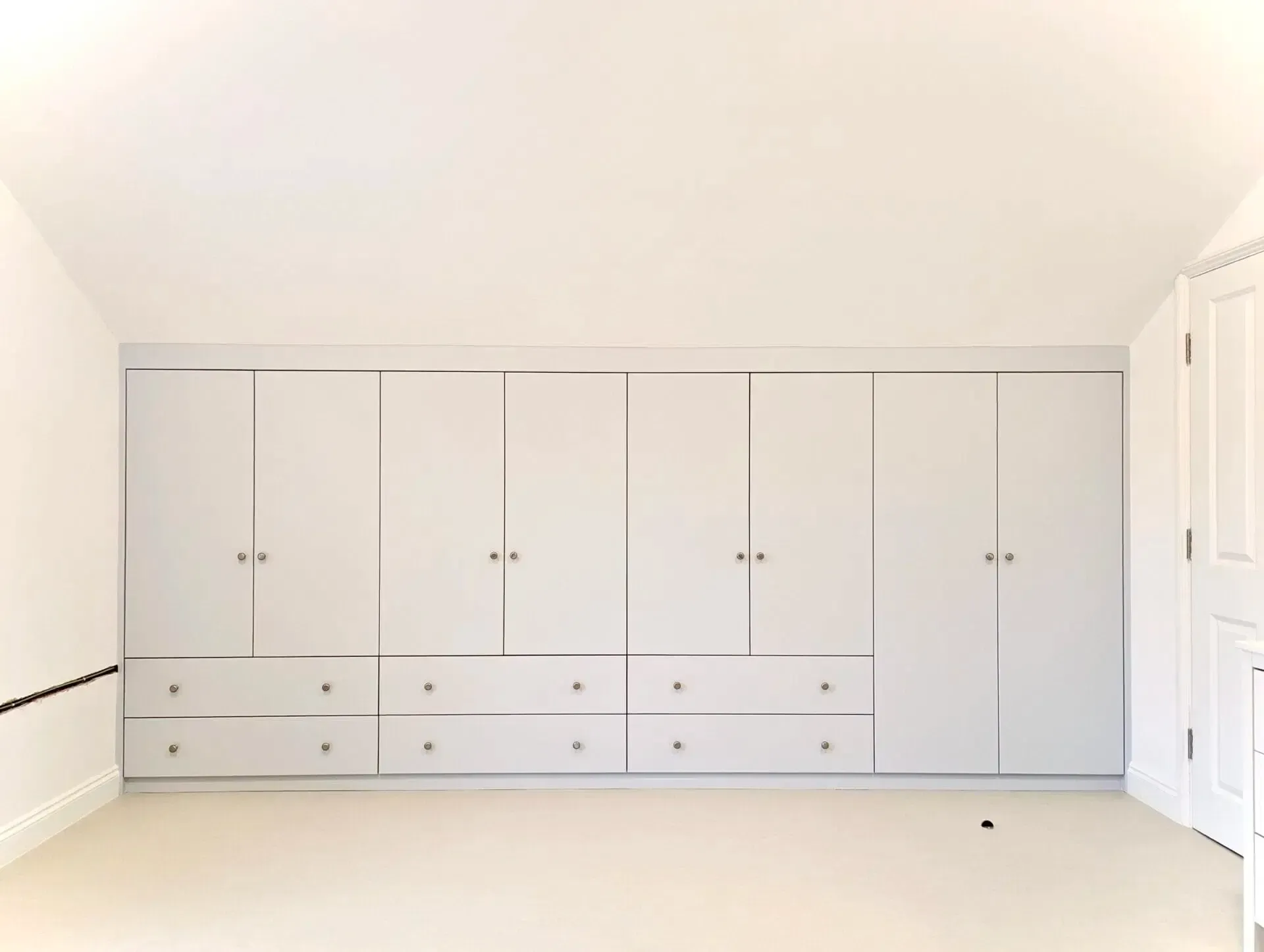
Handleless wardrobes drop the visible handle for a clean, flat front, using push-to-open catches, a routered finger pull, or a J-shaped grip along the door edge. The look suits modern and small rooms, where it keeps the wall calm and uncluttered. Push-to-open mechanisms are reliable when fitted well, and a quick wipe keeps painted fronts free of marks.


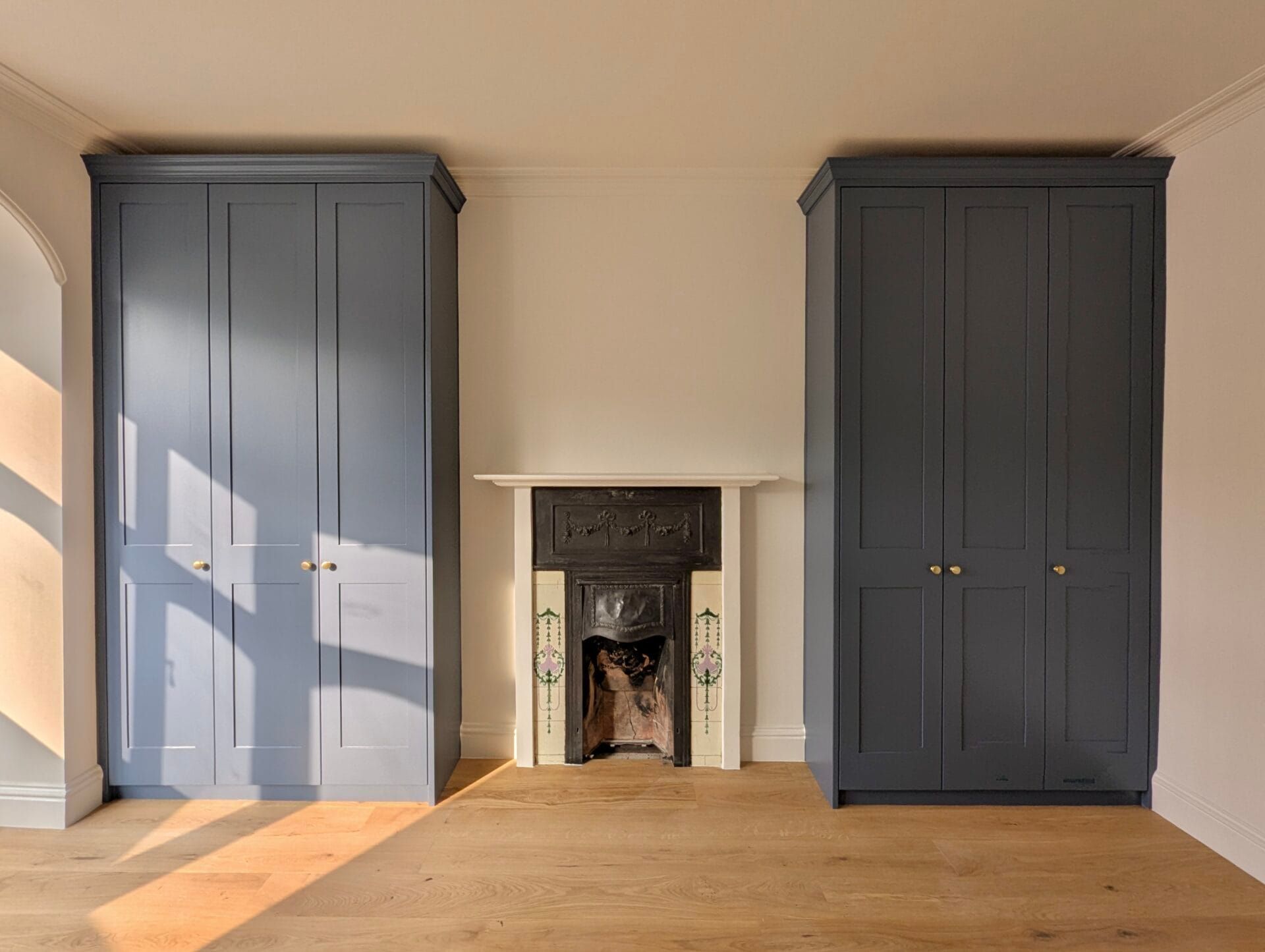
A handle is such a normal part of a wardrobe that most people never question it. Yet the moment you remove it, a wall of wardrobes changes completely. The doors become a single, calm, uninterrupted surface, and the room feels quieter and more modern for it.


That is the appeal of a handleless wardrobe. There are a few different ways to achieve the look, each with its own feel and its own practical points. This guide explains what handleless really means, how push-to-open works, and where the look earns its place.

What Handleless Actually Means

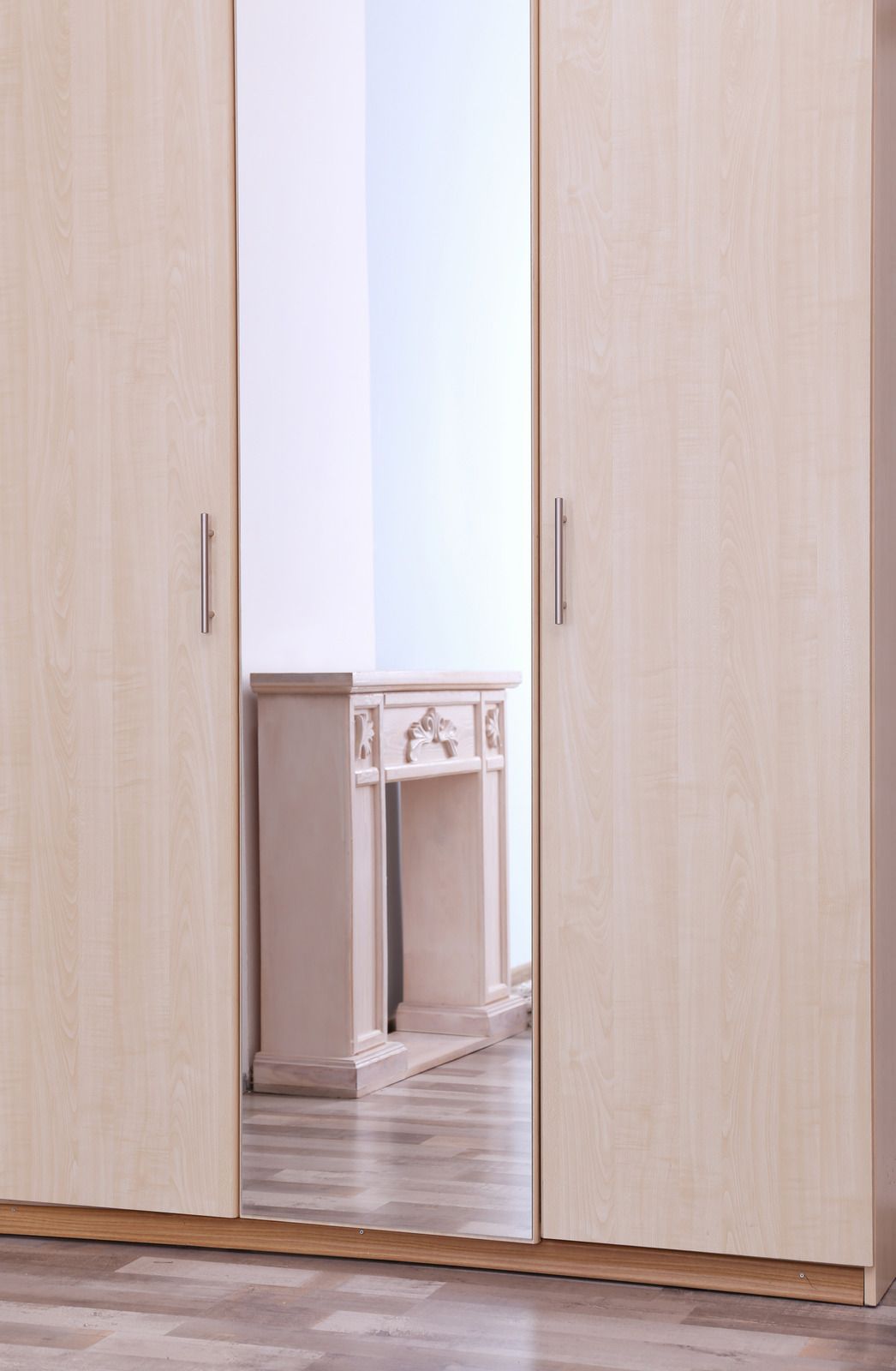
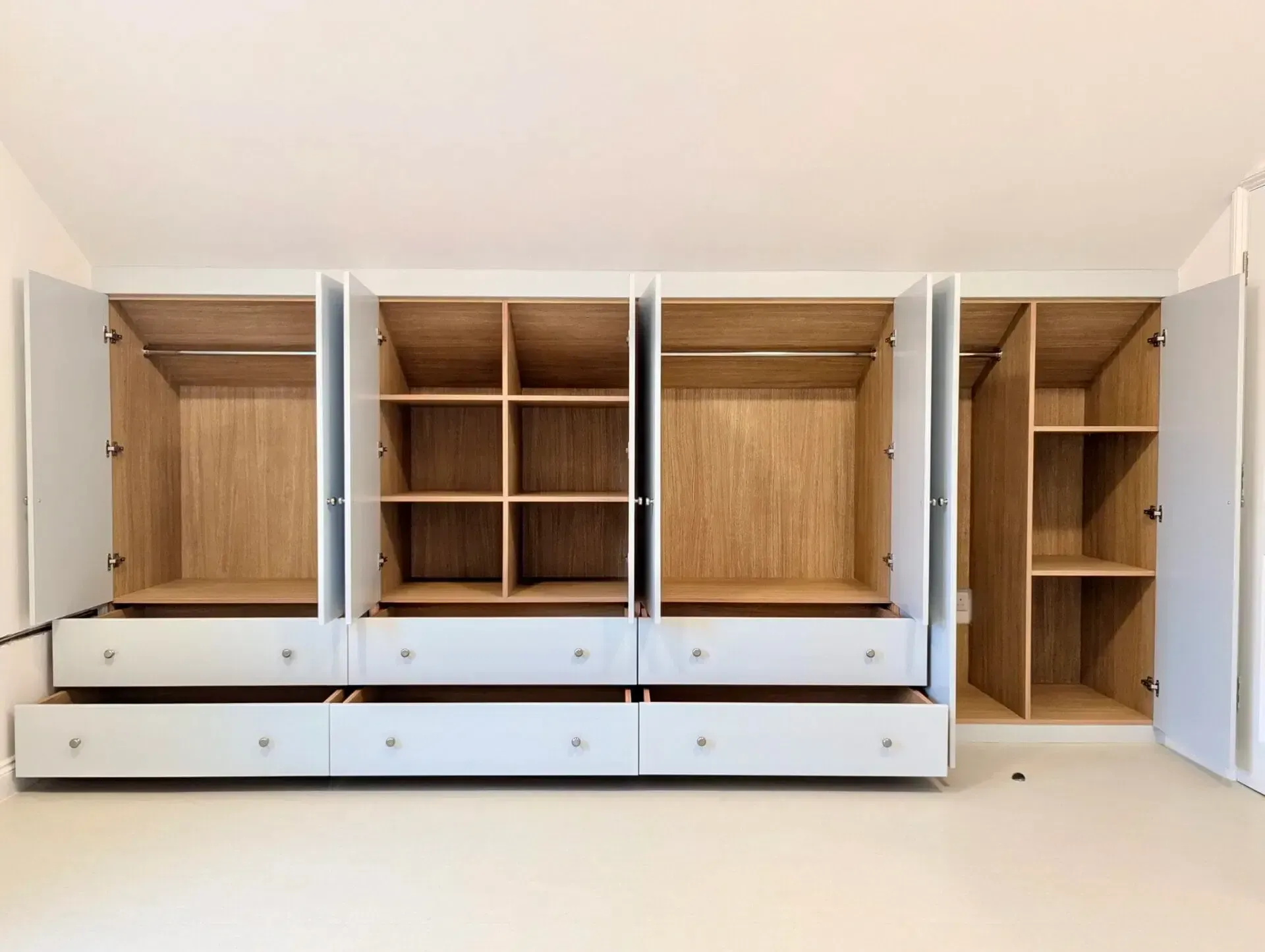
Handleless is a look rather than a single mechanism. The goal is a flat front with nothing sticking out, and there are three common ways to get there. The first is push to open, where a gentle press on the door releases a catch, and the door springs open, so no handle is needed at all.


The second is a routered finger pull, where a shaped groove is cut into the edge of the door, giving you something to hook your fingers behind without any hardware on the face. The third is a J pull or grip rail, a recessed profile along the top or side of the door that your hand slips into. All three keep the front clean. Which one suits you comes down to the look you want and how you like a door to feel as it opens.

How Push to Open Works

Push to open is the most truly handleless of the options, because there is genuinely nothing to see or grip. Behind the door sits a sprung catch. Press the door and the catch releases, pushing the door open far enough to take hold of. Push it closed, and the catch latches again.


The common worry is whether these mechanisms last, and the honest answer is that quality matters. A well-made push-to-open catch, properly fitted, opens cleanly thousands of times without complaint. Pairing it with soft-close hinges gives the best of both: a door that opens at a touch and still closes slowly and silently rather than springing back.


It is also worth thinking about which doors get pushed open and which get a finger pull. The doors you open many times a day can stay the simplest to use, while a less-used door is an easy place for a purely push-to-open front that keeps the whole run looking smooth and unbroken.

Where the Handleless Look Works Best

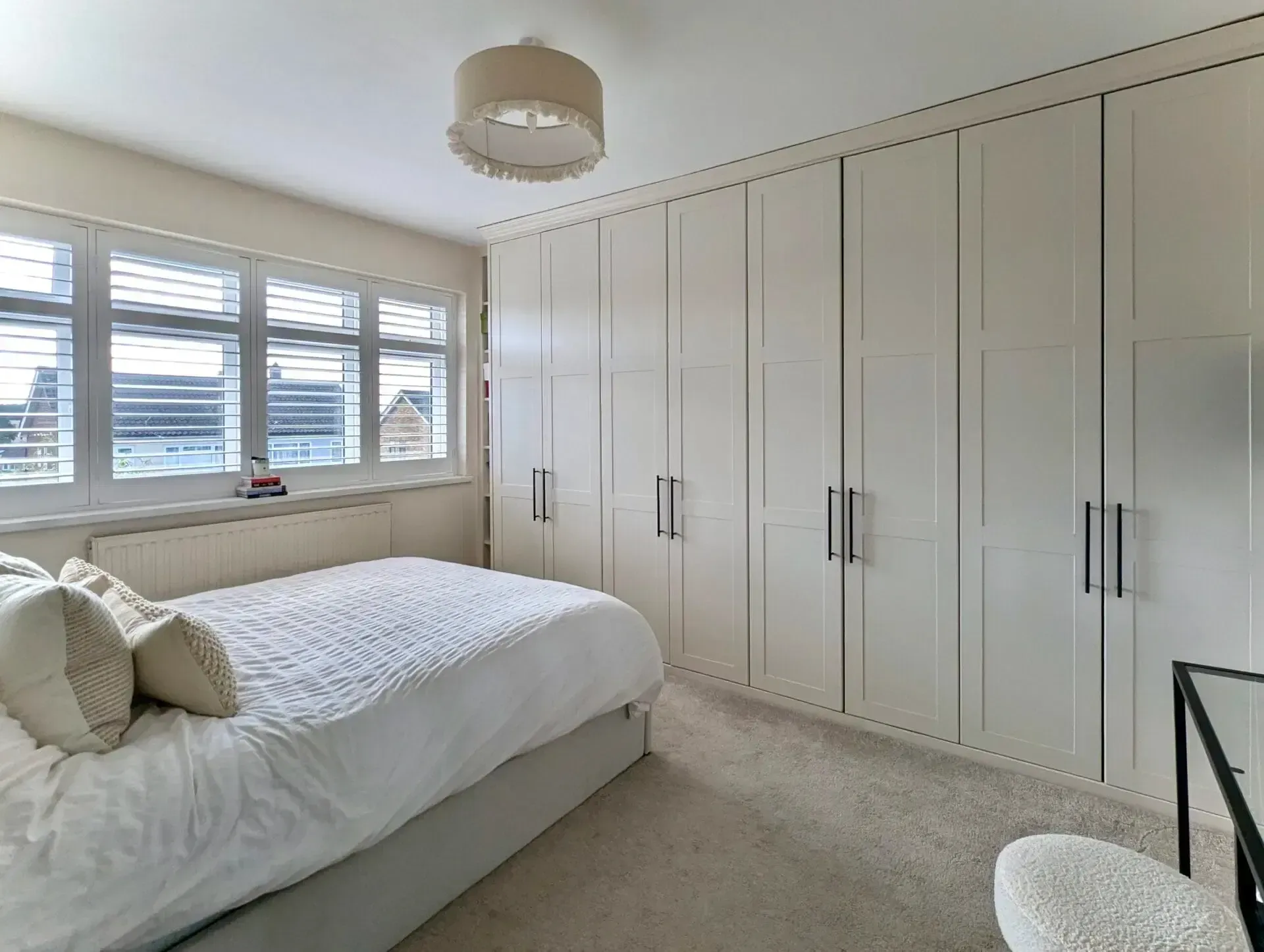
A handleless front suits modern and minimal interiors above all, where the whole point is clean lines and calm surfaces. In a contemporary bedroom, a floor-to-ceiling run of handleless doors reads as a smooth wall rather than a piece of furniture, which is exactly the effect many people are after.


It works particularly well in small rooms, too. With no handles projecting into the space, you can walk past a handleless wardrobe without catching a sleeve or a hip, and the unbroken surface helps a tight room feel less busy. In a narrow space beside a bed or a doorway, losing the handles can make a real difference to how the room flows.

When a Handle Is Still the Better Choice

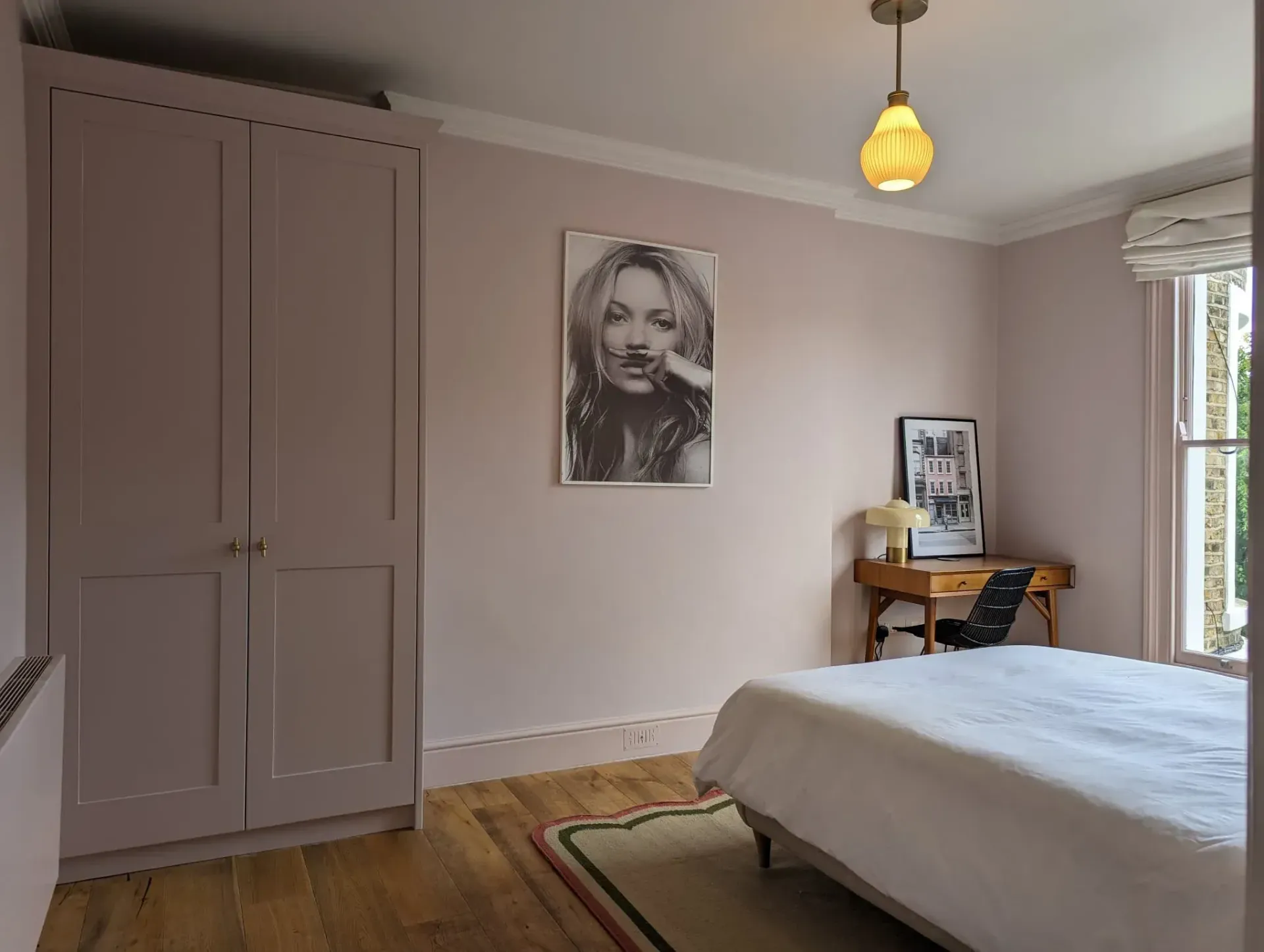
Handleless is not automatically the right answer for every home. In a traditional or period interior, a shaker door with a turned knob or a classic cup handle often suits the room far better, and forcing a handleless look into a heritage setting can feel out of place.


There is a practical side too. Some people simply prefer the certainty of a handle, especially if a door is large or heavy, since a handle gives a firm, familiar grip. The good news is that the choice is yours to make door by door, matching the opening method to the style of the room and the way you like to use it.

Keeping Handleless Fronts Clean

The one thing to know about handleless doors, particularly push-to-open, is that your hand touches the door face rather than a handle. On a painted or smooth front, that can leave the odd fingerprint or smudge over time, most visible in darker colours and strong light.


In practice, it is a small thing. A soft cloth wipes marks away in seconds, and a routered finger pull or J pull concentrates the contact in one spot along the edge rather than across the face. Choosing a durable, washable finish makes the upkeep easier still, so a handleless wardrobe stays looking crisp with very little effort.

Frequently Asked Questions

  • How do push-to-open wardrobe doors work?

    Behind the door sits a sprung catch. A gentle press releases it, and the door springs open far enough to take hold of. Pushing the door closed latches the catch again. There is no handle, which is what gives the front its clean, uninterrupted look.

  • Are handleless wardrobes harder to keep clean?

    Slightly, since your hand touches the door rather than a handle, which can leave an odd mark on a painted front. A soft cloth removes it in seconds, though, and a routered finger pull keeps the contact along one edge, so the upkeep is minimal.

  • Do handleless wardrobes suit small rooms?

    They suit them well. With no handles projecting into the room, you can pass a handleless wardrobe without catching a sleeve, and the flat, unbroken front helps a tight space feel calmer. It is one of the reasons the look is popular in compact homes.

  • Are push-to-open mechanisms reliable?

    When they are well-made and properly fitted, yes. A quality push to open catches opens cleanly thousands of times without trouble. Pairing it with soft-close hinges gives the best result, a door that opens at a touch yet still closes slowly and quietly.

  • Is a handleless look right for a period home?

    Not always. In a traditional or period interior, a shaker door with a turned knob or cup handle often suits the room better than a handleless front. The choice can be made door by door, so the opening method matches the style of the home.

Handleless Wardrobes Made For Your Room

At Fulham Bespoke Fitted Wardrobes, we have spent more than 15 years designing and fitting wardrobes across London. A handleless front only looks as good as the mechanism behind it, so we fit quality push-to-open catches and pair them with soft-close hinges, or shape a routered finger pull where you prefer the feel of an edge, all made to measure and finished by hand in the colour that suits your room. The carpentry is backed by our 15-year guarantee, and every project begins with a free design visit, so we can plan the look and the way every door opens before anything is built.

Recent Posts

Bright bedroom with a wooden bed, white wardrobe, and sunlit hardwood floor
June 29, 2026
How corner wardrobes solve awkward bedrooms, covering L-shaped runs, corner hanging and carousels, wrapping around chimney breasts, doors and sloped ceilings.
Bright minimalist living room with bay window seat, white rug, and wicker chair on hardwood floor
June 29, 2026
How to design a bay window seat with storage, covering lift-up lids vs drawers, cushions and proportions, fitting square and curved bays, and matching the room.
Bedroom with open closets and drawers, showing neatly hung clothes and folded items beside a bed.
June 29, 2026
How to build a dressing table or vanity into a fitted wardrobe, covering layouts, knee room, mirror placement, lighting and storage for makeup and jewellery.
Walk-in closet with hanging clothes, drawers, and a bed in the foreground
June 29, 2026
Why wardrobe hardware matters, from soft-close hinges and runners to rails and pull-out fittings, and how the parts you never see decide how a wardrobe feels.
White built-in cabinets beneath skylight windows in a bright attic room with wood floor.
June 29, 2026
How to use loft eaves and knee wall space with fitted eave units, covering access, pull-out drawers vs doors, what to store there, and ventilation.
Modern home office with built-in bookshelf, desk, chair, and large window beside a blue sofa
June 29, 2026
How to design alcove cupboards and shelving around a chimney breast, from cupboards and open shelves to matching skirting, cornice and the chimney breast line.
Bright empty bedroom with mirrored closet doors, white shelving, and wooden dressers, viewed toward a doorway and window.
June 29, 2026
A guide to mirror wardrobes, covering sliding vs hinged mirror doors, where they work best, how they make a room feel bigger, and keeping them clean.
Bright home office with white built-in bookshelves, a rug, and a patterned armchair by a railing.
June 29, 2026
Built-in bookcase and home library design ideas, from finding the right wall and designing around a fireplace to adjustable shelves, ladders and lighting.
White cube shelves with folded clothes, shoes, and storage baskets in a tidy closet
June 29, 2026
How to get floating shelves right, from choosing the material and judging weight limits to the hidden fixings, ideal depth and styling that looks considered.
White paneled closet doors with brass knobs in a hallway
May 30, 2026
Security within a fitted wardrobe is one of those topics that rarely comes up in the design conversation but turns out to matter to a significant number of homeowners once they think about it.
Show More