Sliding Doors vs Hinged Doors: Choosing the Right Wardrobe Access

January 31, 2026

Share this article

When designing a bespoke fitted wardrobe, door style is one of the most important decisions you’ll make. While often seen as a purely aesthetic choice, the type of wardrobe door you select has a significant impact on how the space functions, feels, and flows. Sliding and hinged doors each offer distinct advantages, and the right option depends on your room layout, storage needs, and personal preferences.


In London homes, where space, light, and practicality must work together, choosing the correct wardrobe access can dramatically improve everyday usability. Bespoke design allows you to tailor not only the internal storage but also how you interact with it daily.


This guide explores the key differences between sliding and hinged wardrobe doors, helping you decide which solution best suits your home.

Understanding the Importance of Wardrobe Door Design

Wardrobe doors are more than just a finishing touch. They affect how easily you can access your belongings, how much floor space is available, and how the wardrobe integrates into the room. A poorly chosen door style can make a bedroom feel cramped or awkward, while the right choice enhances both comfort and design.


Because bespoke fitted wardrobes are built specifically for your space, door design should be considered early in the planning process rather than as an afterthought.

Sliding Wardrobe Doors: A Space-Saving Solution

Sliding doors are a popular choice in modern homes, particularly where space is limited. Rather than opening outwards, sliding doors glide smoothly along tracks, making them ideal for smaller bedrooms, narrow layouts, or areas where furniture is positioned close to the wardrobe.


In London flats and compact rooms, sliding doors often provide the most practical solution. They allow full use of the floor space in front of the wardrobe, making the room feel more open and easier to navigate.

The Visual Appeal of Sliding Doors

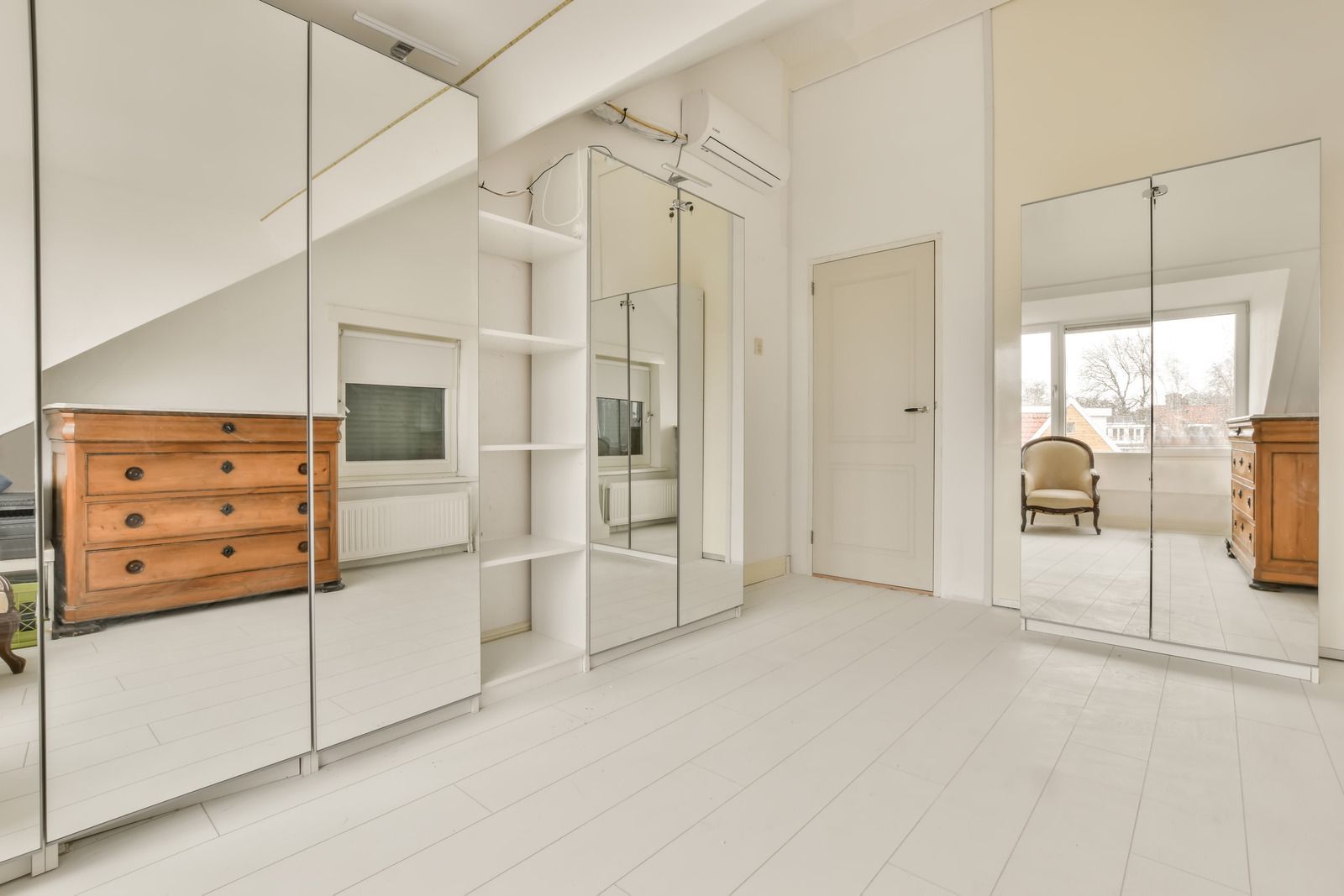
Sliding doors offer a clean, streamlined appearance that suits contemporary interiors. Large panels create uninterrupted surfaces, which can be finished in a variety of materials including mirrored glass, coloured panels, wood effects, or subtle matt finishes.


Mirrored sliding doors are particularly effective in smaller bedrooms, as they reflect light and create the illusion of additional space. This can dramatically improve the brightness and perceived size of a room, especially where natural light is limited.

Accessibility Considerations with Sliding Doors

While sliding doors are highly space-efficient, they typically allow access to only part of the wardrobe at one time. Because one panel overlaps another, you may need to slide doors back and forth to reach different sections.


For many homeowners, this is a minor consideration that doesn’t affect daily use. However, it’s worth factoring in how you prefer to access your storage, particularly if multiple people use the wardrobe simultaneously.

Hinged Wardrobe Doors: Classic and Fully Accessible

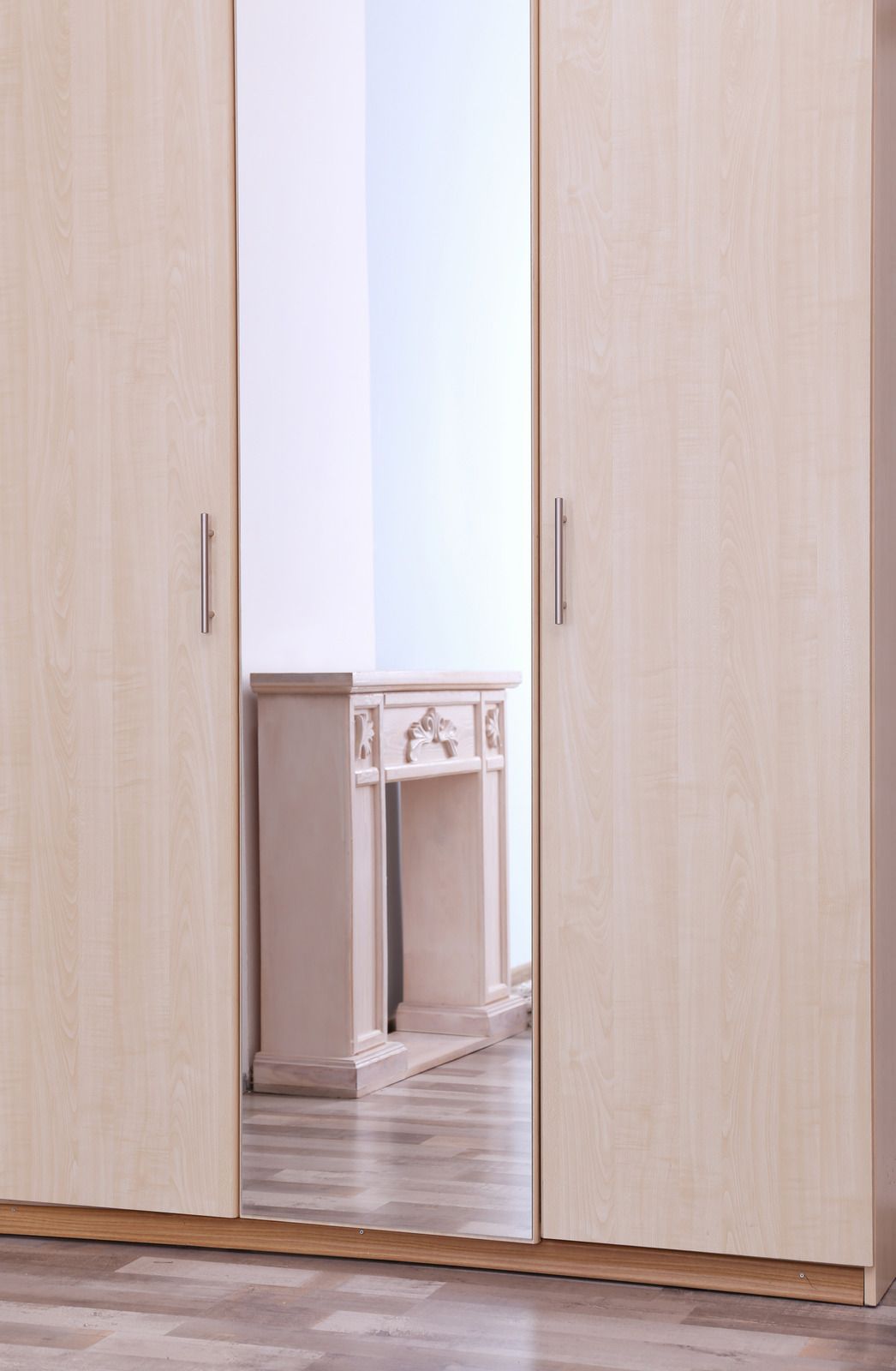
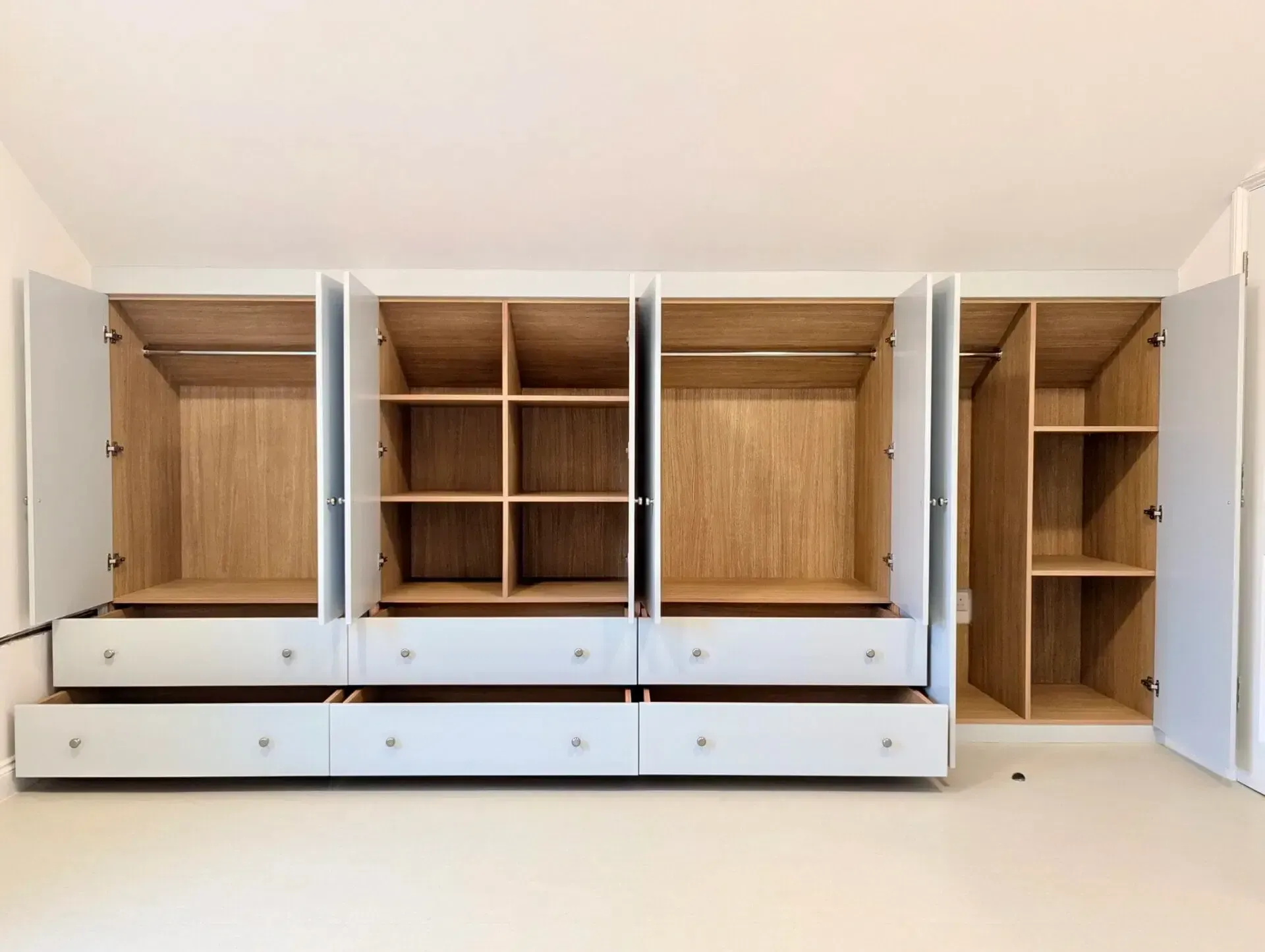
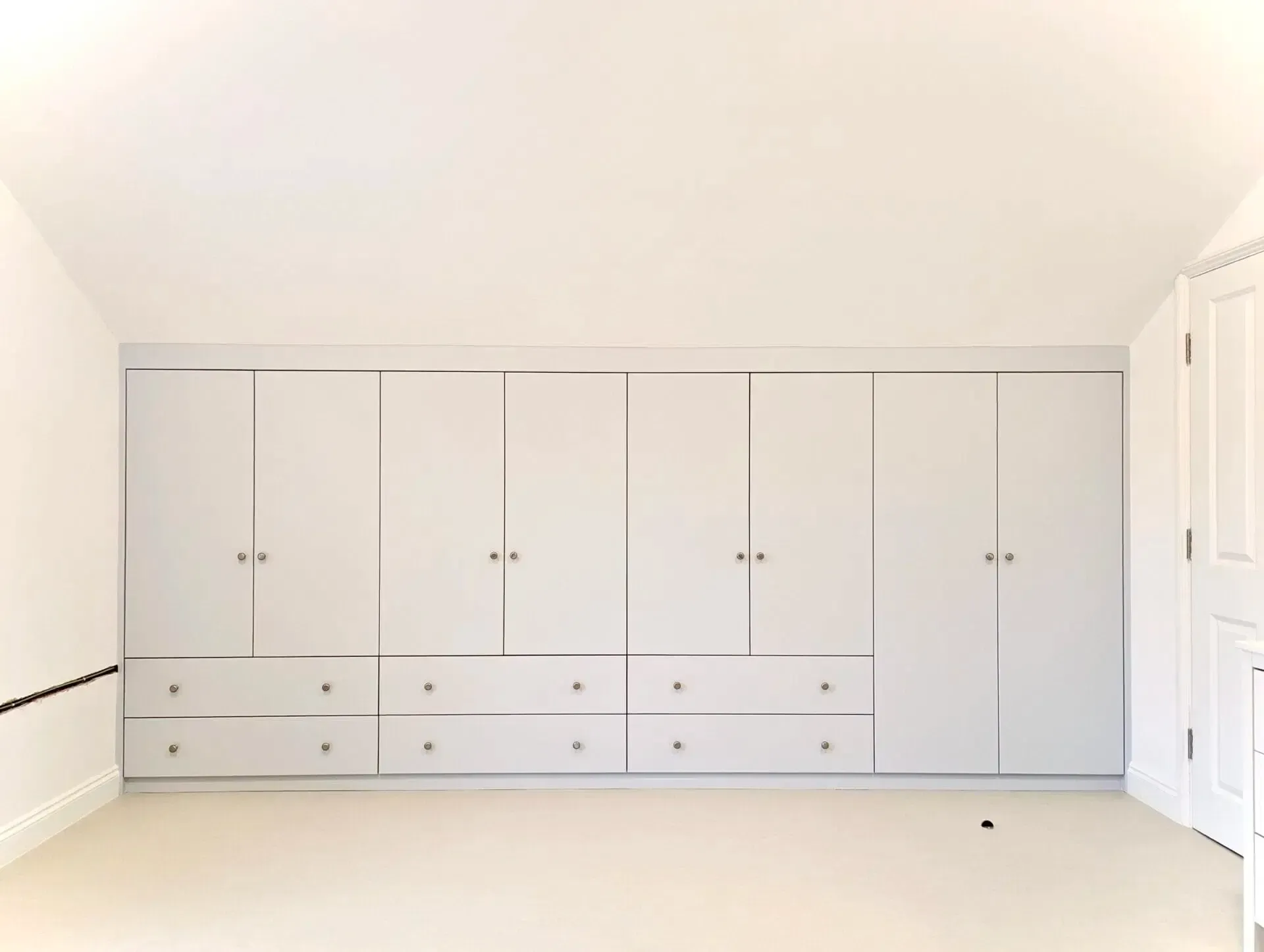
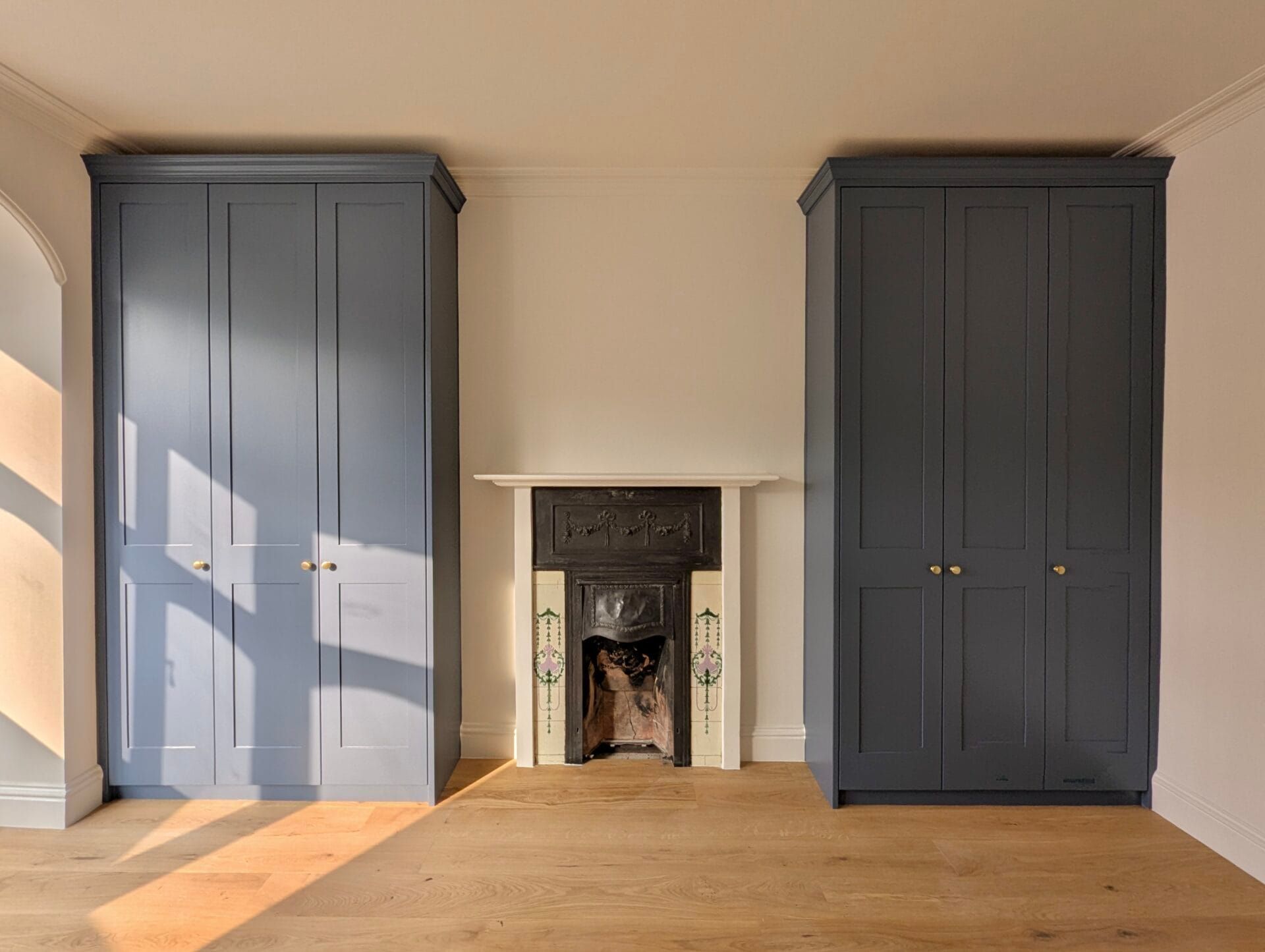
Hinged doors are the more traditional wardrobe option and remain a popular choice in rooms where space allows. These doors open outward on hinges, providing full visibility and access to the entire wardrobe interior at once.


This complete access can be especially beneficial in larger wardrobes or shared spaces, where seeing all storage areas at a glance makes organisation easier.

Design Flexibility with Hinged Doors

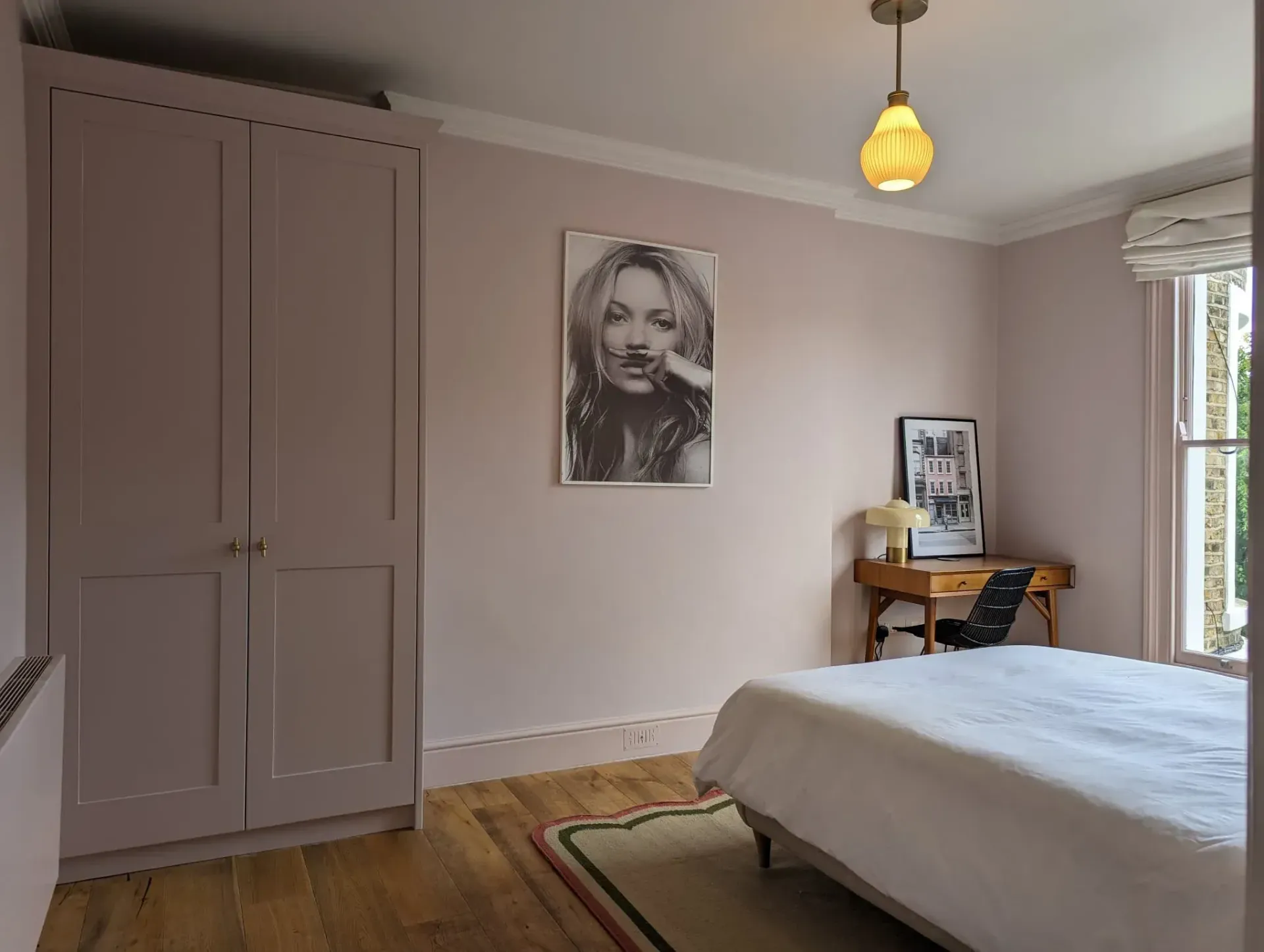
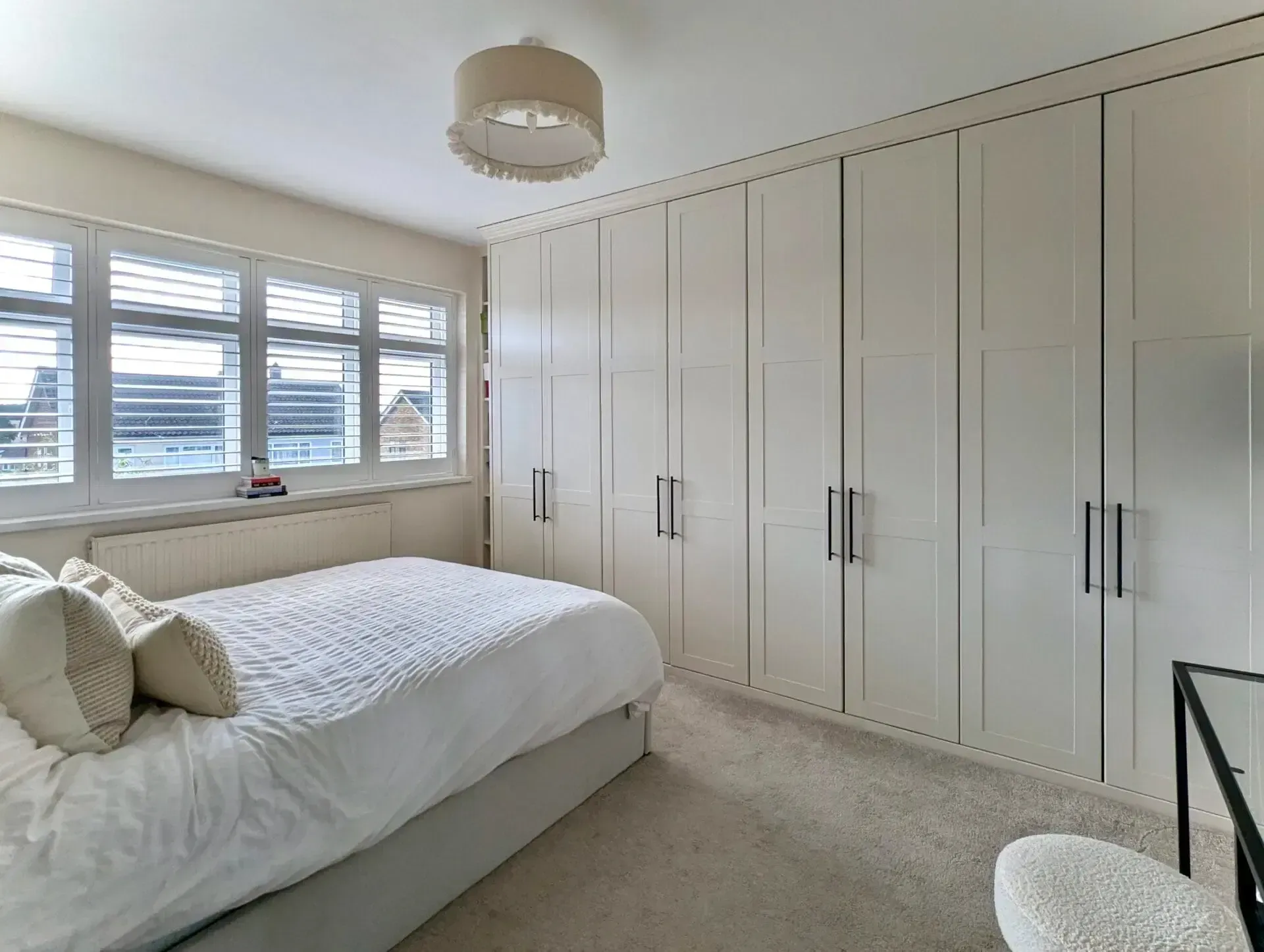
Hinged doors offer greater flexibility when it comes to detailing and styling. They can be designed with classic shaker panels, decorative mouldings, or traditional finishes that complement period properties and heritage interiors.


For London homes with character features such as high ceilings, fireplaces, or original cornicing, hinged doors often integrate more naturally with the existing architecture. They can be designed to look like part of the room’s original structure, creating a timeless, elegant finish.

Space Requirements for Hinged Doors

One of the key considerations with hinged doors is the space required for them to open comfortably. Adequate clearance is essential to avoid obstruction by beds, bedside tables, or other furniture.


In larger bedrooms, this is rarely an issue. However, in smaller rooms or narrow layouts, hinged doors may restrict movement or feel less practical. Bespoke planning helps assess whether hinged doors will function smoothly within the available space.

Comparing Everyday Usability

When deciding between sliding and hinged doors, daily use should be a major consideration. Sliding doors are effortless and unobtrusive, ideal for streamlined routines and minimal disruption. Hinged doors, on the other hand, offer complete visibility and easy access to all storage areas at once.


Think about how often the wardrobe will be used, who will be using it, and whether ease of access or space efficiency is more important in your lifestyle.

Maintenance and Long-Term Performance

Both sliding and hinged doors are durable when properly designed and installed. Sliding doors rely on high-quality tracks and rollers, which must be precisely fitted to ensure smooth operation over time. Hinged doors depend on robust hinges and accurate alignment.


With bespoke fitted wardrobes, professional installation ensures long-term reliability for either option. High-quality materials and fixings minimise wear and reduce the need for adjustments in the future.

Noise and Movement Considerations

Modern sliding systems are designed to operate quietly, but quality matters. Poorly fitted or low-grade systems can develop noise over time. Hinged doors may also creak or loosen if hinges are not properly installed.


Choosing a bespoke solution with premium hardware ensures smooth, quiet operation regardless of door style.

Integrating Lighting with Door Design

Wardrobe lighting works seamlessly with both sliding and hinged doors. Internal LED lighting can be activated by door movement, improving visibility and adding a sense of luxury.


With hinged doors, lighting often illuminates the entire interior at once. With sliding doors, lighting can be zoned to ensure the open section is well-lit, enhancing practicality.

Matching Door Style to Interior Design

Sliding doors typically suit modern, minimalist interiors, while hinged doors align well with classic, traditional, or transitional designs. However, bespoke design allows flexibility, and either style can be adapted to suit different aesthetics.


The key is to ensure the wardrobe doors complement the room rather than dominate it. Colour, finish, and proportions all play a role in achieving a balanced result.

Which Option Is Best for Your Home?

There is no universal answer — the best wardrobe door style depends on your space, layout, and personal preferences. Sliding doors are ideal for compact rooms and modern interiors, while hinged doors offer classic appeal and full access where space allows.


A bespoke design consultation ensures the right decision is made based on how the wardrobe will be used every day.

Why Bespoke Design Makes the Difference

One of the greatest advantages of bespoke fitted wardrobes is the ability to tailor every element, including door access. Rather than compromising, you can choose a solution that fits your room perfectly and supports your lifestyle.


From precise measurements to custom finishes and professional installation, bespoke wardrobes ensure that sliding or hinged doors perform flawlessly for years to come.

Conclusion

Choosing between sliding and hinged wardrobe doors is an important decision that affects both functionality and design. Sliding doors offer space-saving convenience and modern appeal, while hinged doors provide full access and timeless elegance.


By considering your room layout, storage needs, and interior style, you can select a door solution that enhances everyday living and complements your home beautifully.


At HUMPHRIES BESPOKE FITTED WARDROBES & CUPBOARDS FULHAM LIMITED, we design and install made-to-measure wardrobes with sliding and hinged door options tailored to each home. With expert craftsmanship, premium materials, and thoughtful design, we help you create storage solutions that are practical, elegant, and built to last.

Recent Posts

Cozy living room with fireplace, shelves with items, blue accent wall, TV on a stand, and a gray sofa.
By Nitin Seo February 28, 2026
Period properties hold a timeless appeal. From Victorian terraces and Edwardian townhouses to Georgian conversions, these homes offer architectural detail, craftsmanship, and proportions rarely found in modern builds. High ceilings, decorative cornicing, sash windows, chimney breasts, and original fireplaces create charm and personality that homeowners are proud to preserve. However, while period homes excel in character, they often fall short in practical storage. Built at a time when lifestyles were different and possessions fewer, these properties rarely include the integrated storage solutions modern living demands. The challenge, therefore, is clear: how do you maximise storage in a period property without compromising its original character? With thoughtful bespoke design, it is entirely possible to enhance practicality while respecting architectural heritage. This guide explores how tailored cabinetry and fitted wardrobes can unlock storage potential while preserving the integrity of your home.
By Nitin Seo February 28, 2026
Luxury London apartments are defined by intelligent design, refined finishes, and thoughtful use of space. Whether located in a riverside development, a converted warehouse, or a prestigious Mayfair residence, high-end apartments prioritise comfort, functionality, and elegance. One feature that continues to grow in desirability is the walk-in wardrobe. More than simply a place to store clothing, a walk-in wardrobe represents organisation, personal space, and elevated living. In luxury apartments—where space must be used with precision—a well-designed dressing area enhances daily routines while adding sophistication and long-term value. Designing a walk-in wardrobe in a London apartment requires careful planning. Layout, lighting, materials, and internal organisation must work harmoniously to create a space that feels indulgent yet practical. This guide explores key design ideas that transform walk-in wardrobes into standout features within luxury homes.
By Nitin Seo February 28, 2026
In London’s competitive property market, every square foot matters. Buyers are not only looking for beautiful homes—they are looking for practical, well-designed spaces that maximise storage and feel effortlessly organised. In many London properties, particularly period homes and city apartments, storage can often be limited. This is where bespoke fitted wardrobes make a meaningful difference. While fitted wardrobes are often viewed as a lifestyle upgrade, they are also a strategic investment. Thoughtfully designed bespoke cabinetry enhances functionality, improves visual appeal, and increases overall property desirability. When executed professionally, fitted wardrobes can significantly contribute to a home’s market value and long-term resale potential. This guide explores how bespoke fitted wardrobes increase property value in London homes and why they are considered a smart investment for homeowners.
By Nitin Seo February 27, 2026
Sustainability is no longer a niche consideration in home design—it is an essential priority for many London homeowners. As awareness of environmental impact grows, so does the demand for responsibly sourced materials, low-emission finishes, and long-lasting craftsmanship. Custom cabinetry offers a unique opportunity to combine luxury, functionality, and environmental responsibility. Because bespoke cabinets are designed and built specifically for your space, every material and finish can be carefully selected to reduce environmental impact without compromising quality or aesthetic appeal. From sustainably sourced timber to low-VOC paints and durable construction methods, this guide explores eco-friendly options available in custom cabinetry and how thoughtful choices can support a more sustainable home.
By Nitin Seo February 27, 2026
A truly bespoke wardrobe is far more than fitted storage. It is a carefully crafted solution designed around your space, lifestyle, and aesthetic preferences. Unlike off-the-shelf furniture, bespoke wardrobes are not adapted to fit a room—they are created specifically for it. In London homes, where layouts often include alcoves, sloped ceilings, chimney breasts, and varying proportions, a tailored approach ensures that every centimetre is used intelligently. But what exactly goes into designing and installing a bespoke wardrobe? Understanding the process helps homeowners appreciate the craftsmanship, planning, and precision involved. From initial consultation to final installation, this guide outlines the key stages behind creating a wardrobe that is genuinely bespoke.
By Nitin Seo February 27, 2026
When designing bespoke wardrobes and dressing rooms, layout and materials often take centre stage. However, one of the most transformative elements is frequently overlooked: lighting. Lighting is not simply a practical necessity. In bespoke storage design, it enhances visibility, highlights craftsmanship, creates atmosphere, and elevates the entire experience of using the space. A well-lit wardrobe feels luxurious, organised, and intuitive. Poor lighting, by contrast, can make even the most beautifully crafted cabinetry feel flat and impractical. In London homes—where natural light varies from grand sash windows in period properties to softer daylight in modern apartments—integrated wardrobe lighting plays a crucial role. This guide explores how thoughtful lighting design transforms bespoke wardrobes and dressing rooms from functional storage areas into refined, elegant spaces.
By Nitin Seo February 27, 2026
Hybrid working has reshaped how we use our homes. What was once an occasional workspace at the dining table has evolved into a permanent requirement for many professionals across London. Whether working remotely full-time or splitting the week between office and home, the need for a functional, organised, and comfortable workspace is now essential. In many London properties—particularly flats and period homes—space is limited. A dedicated office room may not always be available. Instead, homeowners must integrate productive workspaces into bedrooms, living areas, or alcoves. This is where custom home office cabinets become invaluable. Bespoke cabinetry allows you to create a tailored, efficient workspace that supports hybrid working without compromising the style and flow of your home. This guide explores how thoughtfully designed home office cabinets can maximise productivity, organisation, and long-term flexibility.
By Nitin Seo February 27, 2026
Small flats are an integral part of Fulham’s vibrant residential landscape. Whether you’re in a Victorian conversion just off the High Street or a modern riverside apartment overlooking the Thames, space is at a premium. Bedrooms—especially—can feel cramped when storage is limited. Clothes, accessories, linens, luggage, and personal items all compete for space, making organisation a daily challenge. The good news? With thoughtful design and intelligent storage solutions, even the smallest bedroom can feel spacious, calm, and highly functional. Clever storage doesn’t just hide clutter—it transforms the way a space works. This guide explores practical, stylish, and bespoke ideas to help maximise bedroom storage in small Fulham flats without sacrificing comfort or design.
By Nitin Seo February 27, 2026
Choosing storage for your bedroom is more than a practical decision—it shapes how your space looks, feels, and functions every day. In London homes especially, where room sizes vary from compact apartments to generous period properties, selecting the right wardrobe solution can significantly impact both lifestyle and property value. Two primary options dominate bedroom storage: fitted wardrobes and freestanding furniture. Each has its advantages, aesthetic appeal, and practical considerations. The right choice depends on your space, long-term plans, and design preferences. This guide explores the differences between fitted wardrobes and freestanding furniture, helping you determine which solution best suits your home.
By Nitin Seo February 27, 2026
When investing in bespoke cabinets, design goes far beyond layout and storage configuration. The finish you choose plays a defining role in how the cabinetry looks, feels, and performs over time. It influences light, texture, durability, and the overall character of a room. In luxury London homes—where interiors often blend contemporary living with architectural heritage—cabinet finishes must strike the right balance between style and longevity. A well-chosen finish enhances not only the cabinetry itself but the atmosphere of the entire space. This complete guide explores the key finish options available for bespoke cabinets, helping you make informed decisions that reflect your lifestyle, aesthetic preferences, and long-term goals.
Show More