Seasonal Wardrobe Rotation: Design Features That Make Switching Easy
Quick Answer
Fitted wardrobes designed for seasonal rotation include dedicated upper storage for off season items, pull down rails that access high storage without a stool, modular internal fittings that reconfigure for seasonal clothing types, and garment bag provision for formal and delicate items. Good rotation design turns a tedious twice yearly chore into a routine that takes an hour.
Most London wardrobes handle seasonal clothing rotation badly. Winter coats take up premium hanging space in July. Summer dresses occupy valuable rail length in January. The storage designed to hold a complete wardrobe year round rarely considers that different items need different levels of access across the seasons.
The result is wardrobes that feel overcrowded year round because they are storing the current season plus all the other seasons simultaneously. The alternative, rotating clothing seasonally, becomes a tedious chore when the wardrobe does not support the process. Items get buried in difficult to access storage. Off season clothing emerges damaged or forgotten. Within a year or two most households give up on rotation and accept the overcrowded wardrobe as inevitable.
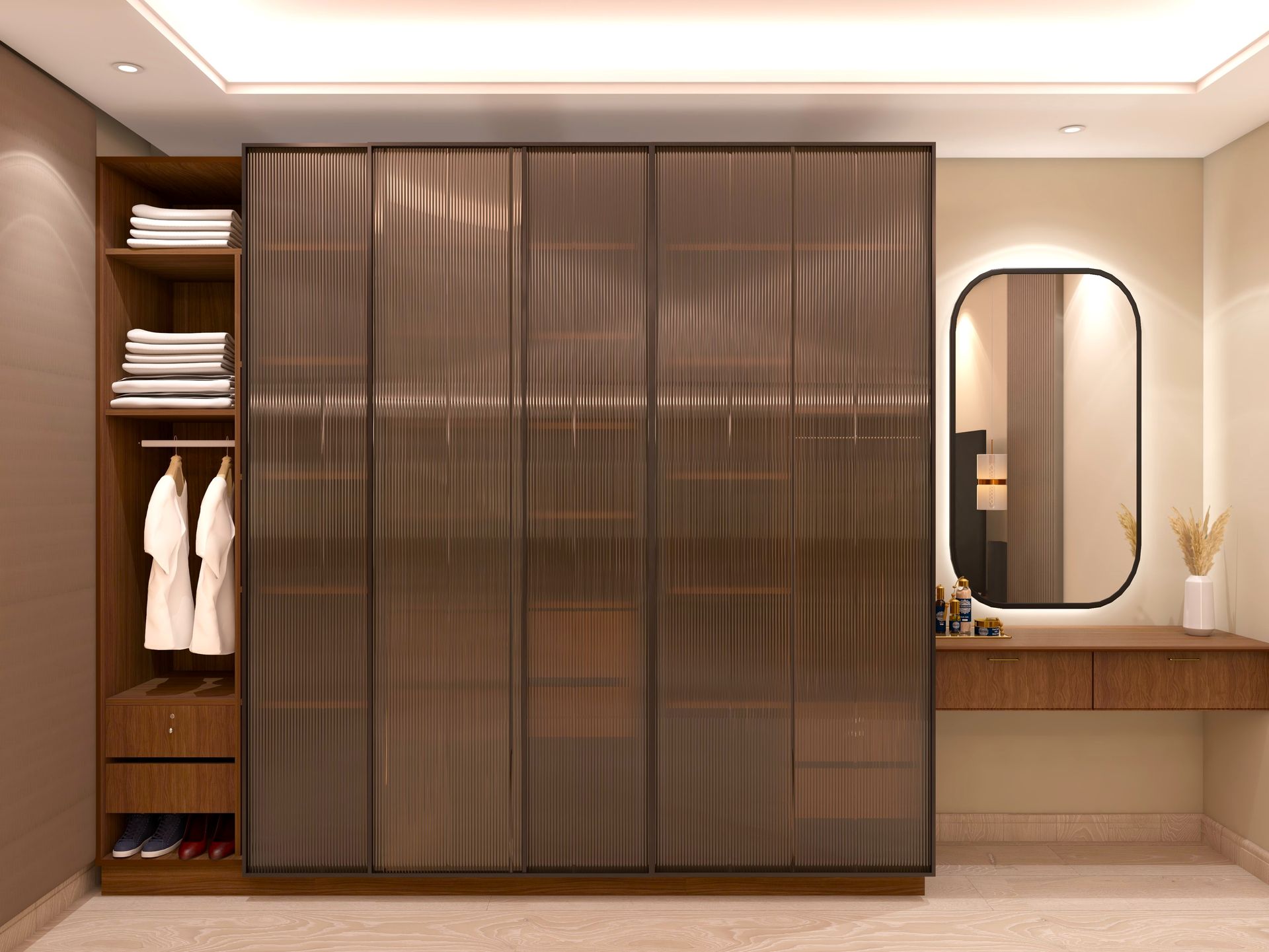
Fitted wardrobes designed with seasonal rotation in mind change this. The right internal configuration makes rotation quick, keeps all clothing in appropriate storage, and uses the wardrobe's full capacity for current season items. The initial design decisions determine whether rotation will be practical for the next 20 years or whether it will be abandoned within months.
This guide covers the specific wardrobe design features that support seasonal rotation, the practical rotation process itself, and how to think about which items need which types of storage.
Why Does Seasonal Rotation Matter?
Seasonal rotation offers several practical benefits:
• The visible wardrobe contains only current season items, making outfit selection faster
• Current season clothing has adequate hanging space without being compressed
• Off season items are properly stored to preserve condition
• Garments cycle through use rather than being forgotten at the back of the wardrobe
• The twice yearly rotation forces review of what is actually being worn
• Items that have not been worn in two seasons can be identified for editing
The alternative, keeping everything accessible year round, produces compressed clothing, forgotten items at the back of the wardrobe, and the gradual degradation of garments that are packed too tightly.
What Design Features Support Seasonal Rotation?
Several design features make seasonal rotation practical:
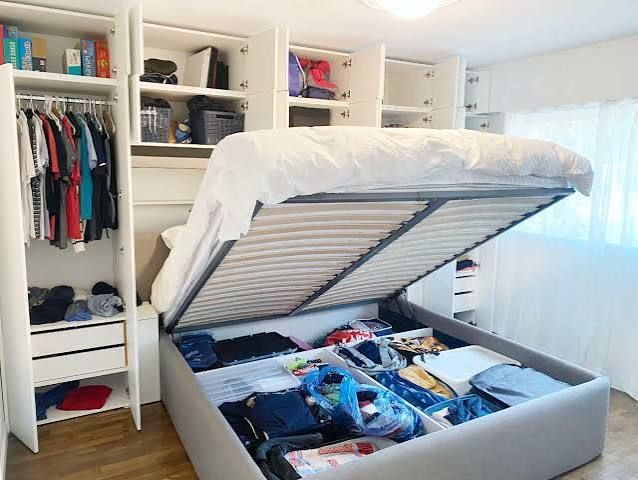
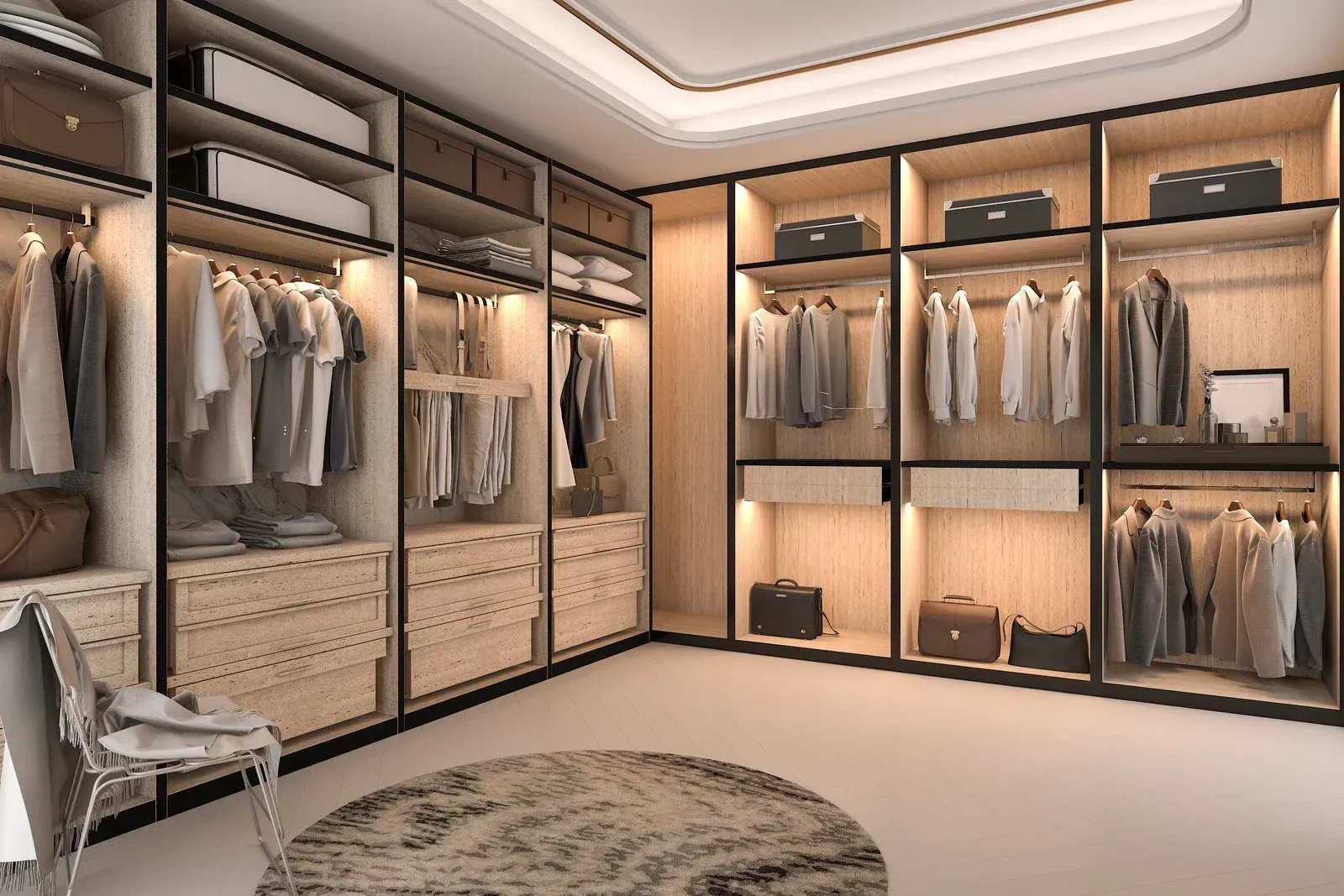
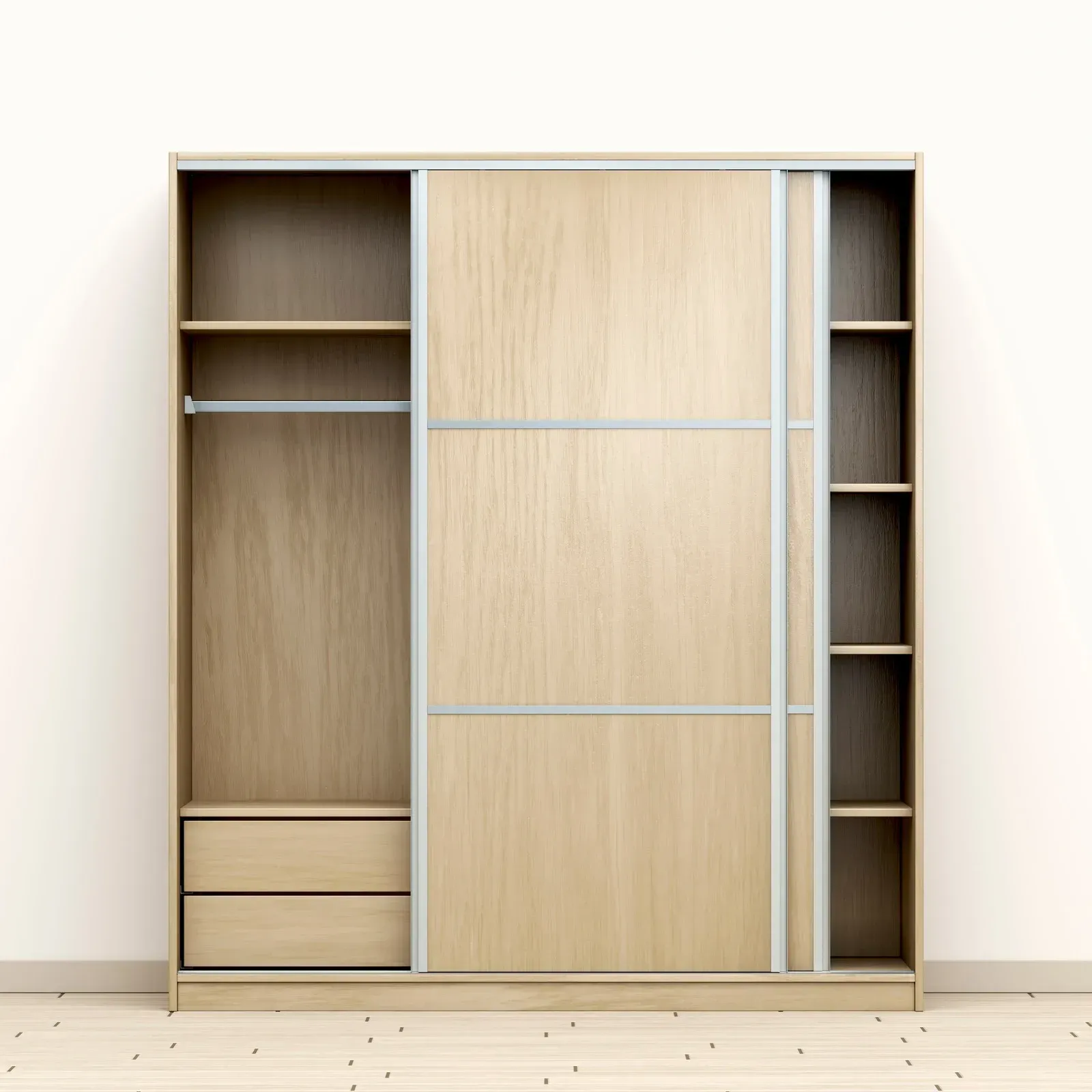
• Upper wardrobe sections designed for off season storage with easy access
• Pull down rails that bring high storage within reach without needing a stool
• Modular internal fittings that reconfigure for different clothing types
• Dedicated garment bag provision for formal and delicate items
• Lower drawer banks that stay consistent across seasons for undergarments and basics
• Clearly separated hanging zones that correspond to different clothing categories
• Adequate ventilation to prevent problems in less accessed storage areas
Wardrobes without these features can still support rotation but make the process more difficult. The initial design conversation should include how rotation will work if it matters to the household.
How Should Off Season Storage Be Designed?
Off season storage occupies the less accessible portions of the wardrobe. The design should acknowledge this.
Upper shelving above the main wardrobe height works well for off season storage:
• Items are visible when accessed but out of the way during normal use
• Deep shelves can accommodate folded bulky items like winter jumpers
• Garment bags can hang below upper shelves for seasonal formal wear
• Clear labelling helps identify contents when reaching for specific items
High hanging rails near the ceiling work for infrequently worn items:
• Pull down rails bring high storage within reach without stools
• Standard high rails work if the household is comfortable with occasional stool use
• Full length hanging space above shorter garments uses dead vertical space
Separate sections of the wardrobe can be designated for off season storage:
• One side of a double wardrobe for current season, the other for off season
• Lower portions for current season, upper portions for off season
• Dedicated sections at the ends of a long wardrobe installation
What Makes Pull Down Rails Worth the Investment?
Pull down rails use mechanical arms to lower a hanging rail from a high position to within easy reach. The feature adds cost but transforms high storage from theoretical to practical.
Pull down rails suit:
• Households that genuinely plan to use high wardrobe storage
• Users with reduced mobility or shorter stature
• Any wardrobe where valuable storage sits above comfortable reach
• Wardrobes used for seasonal rotation where high storage holds off season items
The cost of adding pull down rails to a wardrobe design typically adds £300 to £600 per rail. For wardrobes with significant high storage, the investment pays back in actual use of storage that would otherwise sit empty or be awkward to access.
Quality matters. Cheap pull down mechanisms become stiff and eventually fail. Quality mechanisms from established manufacturers continue working smoothly for decades.
How Do You Store Specific Categories Through Rotation?
Different clothing categories need different storage approaches during rotation.
Winter coats and heavy jackets:
- Store in garment bags during summer to protect from dust
- Hang with adequate spacing to prevent shoulder damage
- Keep in cool dry storage to prevent moth damage
- Air out thoroughly before storing for the season
Summer dresses and lightweight garments:
- Fold rather than hang for extended off season storage to reduce stretching
- Store in breathable cotton garment bags
- Keep away from direct sunlight that can fade colours
- Air periodically during the stored season
Knitwear:
- Always fold rather than hang for storage to prevent stretching
- Use acid free tissue paper between folds for fine knitwear
- Include cedar blocks or lavender for moth protection
- Store in sealed containers to prevent dust accumulation
Shoes and boots:
- Clean thoroughly before storing for the off season
- Stuff with tissue paper or shoe trees to maintain shape
- Store in original boxes or breathable bags
- Keep separate from clothing to prevent cross contamination
Accessories:
- Store in dedicated drawers or dividers to prevent loss
- Keep delicate items like silk scarves in separate protective pouches
- Jewellery should be in dedicated jewellery storage, not loose in drawers
When Should Rotation Happen?
Seasonal rotation typically happens twice yearly, timed with weather transitions.
Autumn rotation, typically late September to early October:
• Current season shifts from summer to autumn and winter
• Lightweight summer clothing moves to off season storage
• Winter coats, boots, and knitwear move to accessible positions
• Formal wear for the autumn and winter season moves to accessible storage
Spring rotation, typically late March to early April:
• Current season shifts from winter to spring and summer
• Winter coats and heavy items move to off season storage
• Summer clothing moves to accessible positions
• Lightweight formal wear moves to accessible storage
The exact timing depends on your personal use patterns. Households that travel to warmer climates in winter may have different rotation needs. Households that stay in London year round can time rotation strictly with the weather.
How Long Should Rotation Actually Take?
Well designed rotation takes about an hour for a typical couple's wardrobe. Common timing:
• 15 minutes for initial sorting of current season versus off season items
• 20 minutes for packing off season items into appropriate storage
• 15 minutes for retrieving the incoming season items from storage
• 10 minutes for arranging the incoming season items in the main wardrobe
Rotation that takes significantly longer than this usually indicates design problems with the wardrobe or storage that needs attention. If rotation feels like a major project, the wardrobe design is working against you.
Items that have not been worn in two full seasons can be edited at rotation time. This natural check prevents the gradual accumulation that otherwise fills wardrobes with items that will never be worn again.
Frequently Asked Questions
Do I need a separate storage area for off season clothes?
Not necessarily. A well designed fitted wardrobe can accommodate off season storage within its own structure using upper shelving, pull down rails, or dedicated sections. External storage like loft space or spare room storage works but makes rotation less convenient. The best approach keeps off season storage within the wardrobe or very near it.
Should off season clothes be hung or folded?
Most clothes should be folded for off season storage to prevent shoulder stretching and reduce the space required. Exceptions include formal wear in garment bags, structured jackets that need shoulder support, and delicate items that would crease badly if folded. Hanging storage uses more space than folded storage.
How do I prevent moths in off season clothing storage?
Use cedar blocks or lavender sachets in all natural fibre storage areas. Replace or refresh them every six months. Store garments only after washing or dry cleaning. Use sealed containers for the most vulnerable items. Air out stored items periodically. See our dedicated guide on moth, mildew, and mustiness prevention for more detail.
Can I rotate wardrobes without lots of extra storage?
Yes, with careful design. The key is using the full volume of the fitted wardrobe including upper spaces, deep shelves, and dedicated garment bag provision. Modular internal fittings that reconfigure for different clothing types also help. The rotation does not need extra floor space if the wardrobe uses its own vertical space well.
What Humphries Cabinets Offers
We design and install fitted wardrobes across London with seasonal rotation built into the design where it matters. Our services include:
• Fitted Wardrobes designed around actual rotation patterns and storage needs
• Wardrobe Interiors with modular fittings that reconfigure for different seasons
• Floor to Ceiling Wardrobes capturing full height for seasonal storage above main wardrobe
• Shaker Style Wardrobes with traditional design and modern internal fittings
• Modern Fitted Wardrobes with contemporary design and functional seasonal storage
• Cupboards for supplementary seasonal storage elsewhere in the home
Every project starts with a free design visit that discusses how your household rotates clothing and how the wardrobe can support that pattern.
Why Choose Humphries Cabinets
At Humphries Cabinets, we have been designing fitted wardrobes across London for over 15 years. We think about how the wardrobe will actually be used across the year, including seasonal rotation, rather than designing storage that works only for the moment of installation.
If you are planning fitted wardrobes for your London home and want storage that supports easy seasonal rotation,
contact us today to arrange your free consultation.