
How to Clean and Maintain Fitted Wardrobes: A Practical Guide
Quick Answer
Fitted wardrobes need light weekly dusting, monthly interior cleaning of shelves and drawer bases, and twice yearly deep cleaning of tracks, hinges, and handles. Painted finishes clean with a damp cloth, wood grain finishes benefit from occasional oil or wax, and avoiding household sprays near the finish prevents damage over years of use.
Fitted wardrobes last decades when properly maintained. The investment pays back across many years, but only if the wardrobe actually survives those years in good condition. The difference between a wardrobe that still looks excellent after 20 years and one that looks tired after five comes down largely to how it has been cleaned and maintained.
Most homeowners either overclean their fitted wardrobes using products that damage finishes, or underclean them letting dust, grime, and wear accumulate until problems become permanent. Neither extreme serves the wardrobe or the household. The right approach is light regular cleaning with appropriate products, backed by less frequent deeper attention to the parts that need it.
This guide covers the practical cleaning and maintenance routine for fitted wardrobes, broken down by frequency, with specific guidance for different finishes and components.
What Should You Do Weekly?
Weekly maintenance keeps everyday dust and smudges from accumulating:
• Wipe exterior door surfaces with a soft dry microfibre cloth
• Clean handles with the same cloth, removing fingerprints before they build up
• Open all doors briefly to allow air circulation inside the wardrobe
• Check for any items that have fallen behind shelves or hangers
• Return any misplaced items to their proper location
The weekly routine takes under five minutes for a typical bedroom wardrobe. Done consistently it prevents the gradual accumulation that makes deeper cleaning necessary.
Avoid using any cleaning products in weekly maintenance. Dry cloths handle normal weekly wear perfectly. Cleaning products should only come out for actual marks or spills that dry cloths cannot remove.
What Should You Do Monthly?
Monthly cleaning handles the interior and the areas that weekly dusting cannot reach:
• Remove all items from one or two shelves at a time and wipe the shelf
• Wipe drawer bases, lifting any contents and replacing them afterwards
• Clean the inside of doors where hands grip when opening
• Vacuum any debris from the bottom of the wardrobe
• Check hanging rails for any loose fittings or signs of wear
• Wipe handle fixing points where dust accumulates
For a typical wardrobe, monthly cleaning takes 20 to 30 minutes. Doing one wardrobe section per month rather than the entire wardrobe at once spreads the work and prevents it becoming a daunting task.
Avoid moving everything out of the wardrobe at once. Working section by section keeps the household functional while cleaning happens.
What Should You Do Twice a Year?
Twice yearly deep cleaning handles the parts of the wardrobe that need more attention:
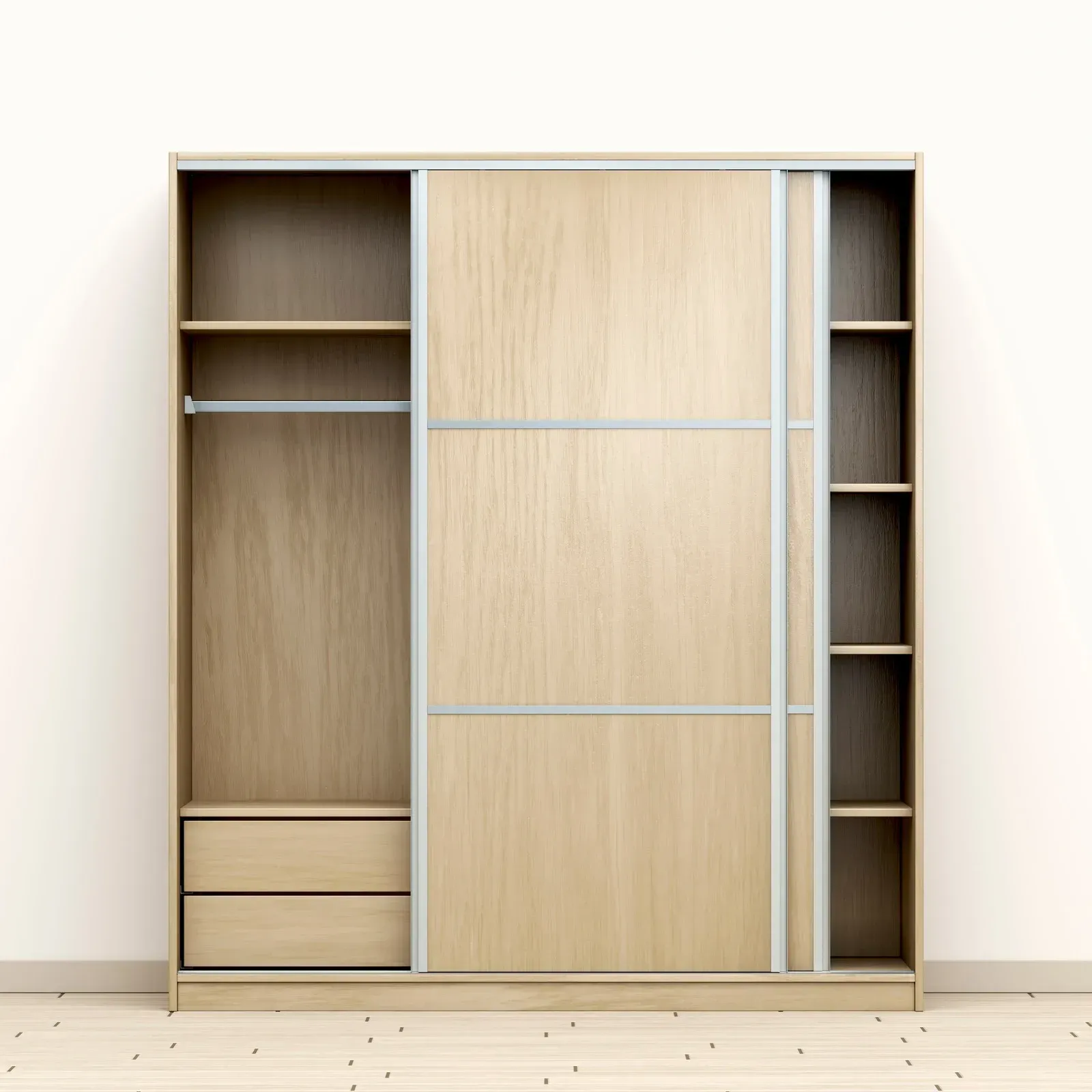
• Clean all door tracks on sliding wardrobes, removing accumulated dust and debris
• Lubricate hinges on hinged wardrobes with light machine oil
• Check and tighten any loose handle fixings
• Clean the top of the wardrobe where dust settles over months
• Deep clean behind the wardrobe where accessible
• Treat wood grain surfaces with appropriate oil or wax
• Check soft close mechanisms for proper function
Twice yearly cleaning takes two to three hours for a bedroom wardrobe. Scheduling it with seasonal changes, when clothing is being rotated anyway, often works well.
Keep records of any issues noted during deep cleaning. Hinges that have needed tightening twice in a row may need replacement. Soft close mechanisms that no longer function should be addressed by the installer rather than left to fail.
How Do You Clean Painted Wardrobe Finishes?
Painted finishes need specific care to maintain their appearance.
For regular cleaning:
• Use a slightly damp microfibre cloth with water only
• Wipe in the direction of any brush strokes if the finish is hand painted
• Dry immediately with a second clean cloth
• Avoid any abrasive cleaning products
For marks and stains:
• Try water first, applied to the cloth not the surface
• Mild washing up liquid diluted heavily in water handles greasy marks
• Avoid any solvent based cleaners that can soften paint
• Avoid any abrasive cleaners that will scratch the finish
For scuffs and scratches:
• Small scuffs often polish out with gentle rubbing using a damp cloth
• Deeper scratches need touch up paint from the original specification
• Contact the installer for touch up paint if the project is recent
• For older wardrobes, matching paint from a colour match service may be needed
How Do You Clean Wood Grain Wardrobe Finishes?
Wood grain finishes need different care from painted finishes:
• Dust weekly with a dry soft cloth following the grain direction
• Avoid water on wood surfaces where possible
• Spills should be dried immediately rather than left to penetrate the finish
• Mild wood soap heavily diluted handles stubborn marks
• Follow with a dry cloth to remove any residual moisture
For oiled finishes:
• Reapply wood oil every six to twelve months to maintain protection
• Apply oil in thin coats with a soft cloth
• Buff after application to remove any excess
• Different wood species need different oil types, so follow the installer's guidance
For lacquered finishes:
• Lacquer does not need periodic treatment like oil
• Clean with slightly damp cloth and dry immediately
• Avoid any wax or oil treatments that interfere with the lacquer
• Deep scratches in lacquer require professional refinishing
What Should You Never Do?
Several cleaning practices damage fitted wardrobes and should be avoided entirely:
• Never spray cleaning products directly onto wardrobe surfaces
• Never use abrasive scrubbing pads on any finish
• Never apply solvent based cleaners like white spirit or acetone
• Never allow water to pool on wood surfaces
• Never use furniture polish containing silicone, which can affect refinishing later
• Never use steam cleaners on fitted furniture
• Never leave wet items hanging in the wardrobe
• Never place hot items like hair tools in direct contact with wardrobe surfaces
Most permanent damage to fitted wardrobes comes from inappropriate cleaning products rather than normal wear. The products designed for kitchens and bathrooms are generally too aggressive for fitted furniture finishes.
How Do You Maintain Hardware and Mechanisms?
Hardware and mechanisms need specific attention to keep working smoothly over decades.
Hinges:
- Check for even gaps around doors every few months
- Tighten any visibly loose screws before they strip the housing
- Lubricate pivot points annually with light machine oil
- Replace any hinges showing visible wear rather than letting them fail
Drawer runners:
- Clean the runner tracks of any debris monthly
- Check that drawers slide smoothly across their full range
- Lubricate runners annually with silicone spray if they become stiff
- Report any grinding or catching to the installer before damage worsens
Sliding door mechanisms:
- Clean tracks of all debris and dust monthly
- Check wheels for any flat spots or wear
- Adjust vertical alignment if doors start catching at the top or bottom
- Replace worn wheels before they damage the track
Handles and knobs:
- Check all fixing screws every six months
- Tighten any loose fittings before they damage the surrounding wood or MDF
- Clean carefully around decorative features where dust accumulates
- Report any damaged fittings for replacement
What About Internal Humidity and Ventilation?
Wardrobe interiors need some air circulation to prevent problems:
• Open wardrobe doors fully for 30 minutes weekly to allow air exchange
• Never store damp clothing or shoes in the wardrobe
• Address any damp issues in the room before they affect the wardrobe
• Consider small desiccant packs in wardrobes in damp prone rooms
• Check periodically for any musty smells which indicate ventilation problems
Fitted wardrobes against outside walls may have specific humidity considerations. External walls can be cooler than internal walls, leading to condensation forming at the back of the wardrobe. Insulation between the wardrobe and the external wall helps, as does ensuring the wardrobe is not completely sealed against the wall.
Frequently Asked Questions
How often should I deep clean a fitted wardrobe?
Twice yearly deep cleaning is appropriate for most fitted wardrobes. This handles the areas that weekly and monthly cleaning cannot reach, including tracks, hinges, and the tops of wardrobes where dust accumulates. More frequent cleaning may be needed in households with pets or high dust environments.
Can I use furniture polish on my fitted wardrobe?
Avoid furniture polishes containing silicone, which can interfere with any future refinishing work. For painted finishes, no polish is needed and most polishes can soften the paint over time. For wood grain finishes, use the specific oil or wax recommended by your installer rather than generic furniture polish.
How do I remove scuff marks from painted wardrobe doors?
Try a slightly damp microfibre cloth first. Small scuffs often polish out with gentle rubbing. For deeper marks, mild washing up liquid heavily diluted in water handles most stains. Avoid abrasive cleaners or solvent based products. Deep scratches need touch up paint matched to the original specification.
Why does my fitted wardrobe smell musty?
Musty smells indicate inadequate air circulation or hidden moisture. Open all doors for several hours to let fresh air through. Check that no damp or wet items are stored inside. Address any room level damp issues. Consider desiccant packs if the problem persists. Report persistent musty smells to the installer in case the wardrobe needs ventilation modifications.
What Humphries Cabinets Offers
We design and install fitted wardrobes across London that are built to last decades with appropriate maintenance. Our services include:
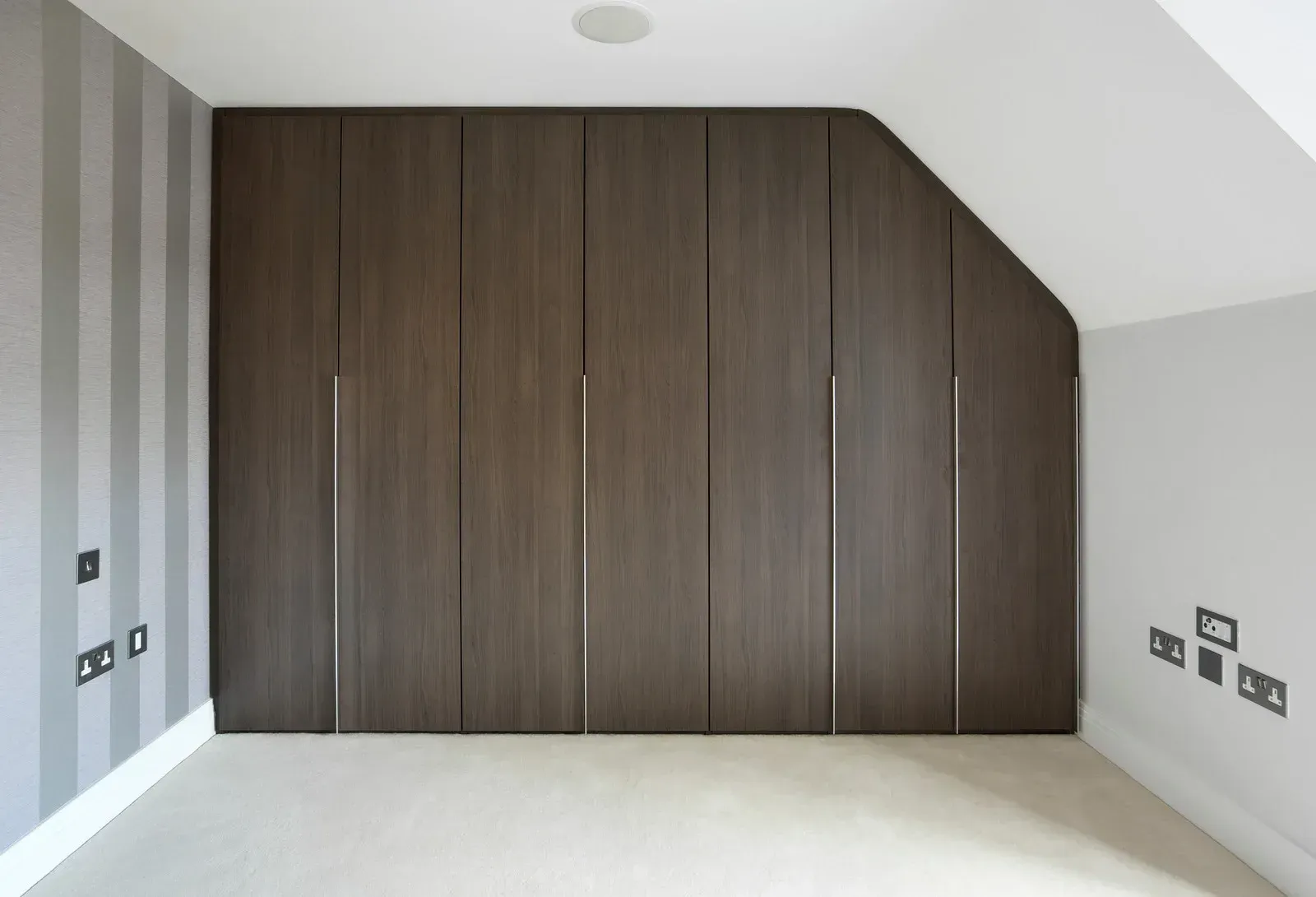
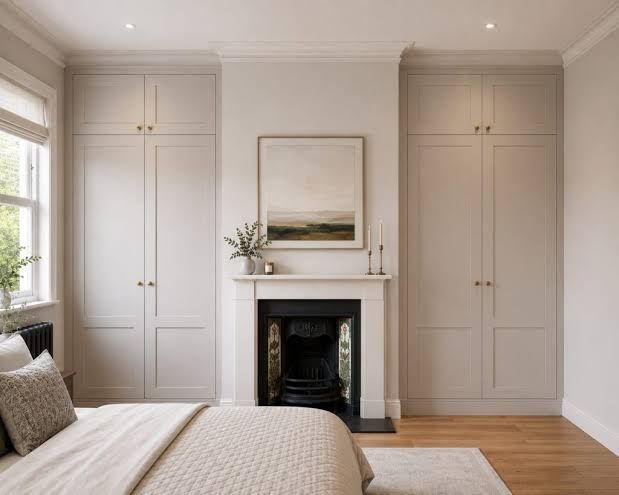
• Fitted Wardrobes in painted and wood grain finishes suited to long term use
• Shaker Style Wardrobes in enduring designs that reward careful maintenance
• Modern Fitted Wardrobes with quality hardware designed for decades of smooth operation
• Floor to Ceiling Wardrobes built to withstand daily use
• Wardrobe Interiors with full extension runners and quality fittings
• Cupboards throughout the home with coordinated maintenance requirements
Every installation comes with specific care instructions tailored to the finishes and materials chosen for your project.
Why Choose Humphries Cabinets
At Humphries Cabinets, we build fitted wardrobes to last. Our 15 year guarantee reflects our confidence in the work, and we support clients with maintenance guidance and touch up materials throughout the wardrobe's lifetime.
If you are planning fitted furniture for a guest bedroom or multi function room in your London property,contact us today to arrange your free consultation.