How to Match Fitted Wardrobes to Existing Bedroom Furniture
Quick Answer
Matching fitted wardrobes to existing bedroom furniture requires coordinating the wood tone, finish type, handle style, and overall design language rather than achieving an exact match. Successful coordination comes from choosing wardrobes that complement rather than replicate the existing pieces, often working better than attempts at perfect matching.
Most fitted wardrobe projects happen in bedrooms that already contain furniture. A bed the household wants to keep. A dressing table inherited from family. A chest of drawers that still works. The wardrobe needs to coordinate with these existing pieces rather than existing in isolation.
The challenge is that fitted wardrobes offer essentially unlimited design options, while existing furniture has fixed characteristics. Matching involves working out which characteristics of the existing furniture must drive the wardrobe design, which can be coordinated loosely, and which should actively contrast.
Done well, the fitted wardrobe looks like it belongs in the room. The existing furniture looks enhanced rather than diminished. Done badly, the wardrobe either competes with the existing furniture for attention or looks like a mismatched addition that undermines the room's coherence.
This guide covers the practical approach to matching fitted wardrobes to existing bedroom furniture, the specific considerations that matter most, and how to think about the design decisions.
What Elements Need to Coordinate?
Several elements affect how well fitted wardrobes coordinate with existing furniture:
• Wood tone and species if the existing furniture is wood
• Finish type including painted, stained, or natural wood finishes
• Handle style and metal finish on existing furniture
• Overall design language from traditional to contemporary
• Scale and proportion of existing pieces
• Colour palette of the room beyond the furniture itself
Not every element needs to match exactly. Some elements should drive the design decisively, others should be considered loosely, and some can be ignored if they distract from the overall coherence.
How Important Is Exact Wood Species Matching?
Exact wood species matching is less important than most homeowners assume. Attempting exact matches often produces worse results than deliberate coordination.
Exact matching struggles because:
• Different wood batches vary even within the same species
• Ageing affects wood tone, making new matches look wrong against aged pieces
• Different finishes on the same species produce different final appearances
• Direct comparison between matched pieces highlights any subtle differences
Coordination works better than matching:
• Choose a complementary species rather than attempting exact replication
• Oak with walnut accents, or walnut with oak accents, creates deliberate contrast
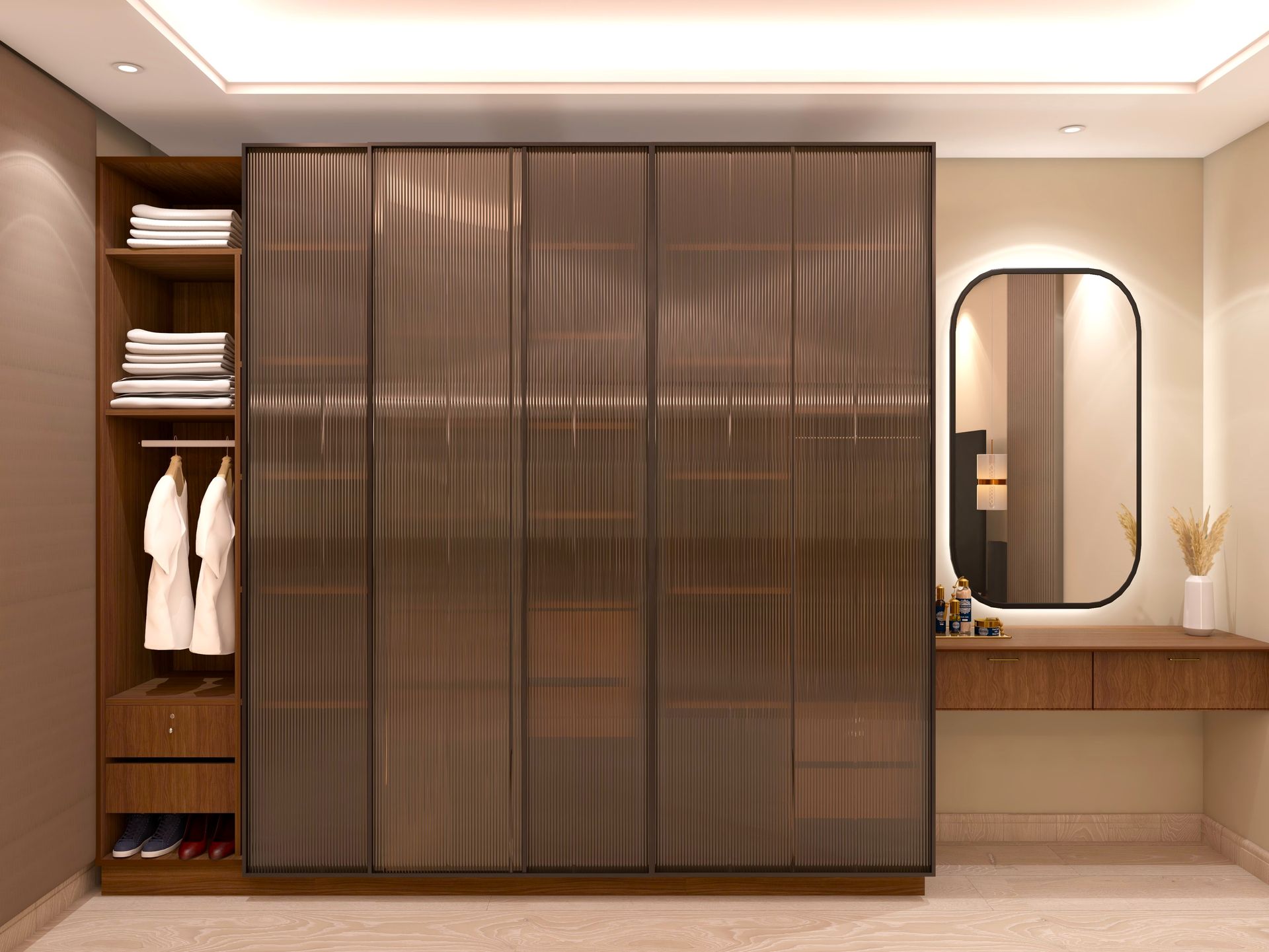
• Painted wardrobes work alongside wood furniture of various species
• Different wood species that share undertones coordinate naturally
The one case where exact matching matters is when the existing furniture is a specific identifiable species that defines the room's character. In those cases, work with your installer to source matching timber or accept that painted wardrobes may be a better coordination choice.
How Do You Coordinate with a Statement Bed?
The bed is usually the largest furniture piece in a bedroom and often sets the design tone the wardrobe needs to work with.
For traditional wooden beds:
• Match the wood species if the bed is a defining feature
• Choose painted wardrobes in colours that complement the bed's wood tone
• Avoid competing design elements that pull attention from the bed
• Keep wardrobe design subdued if the bed is already elaborate
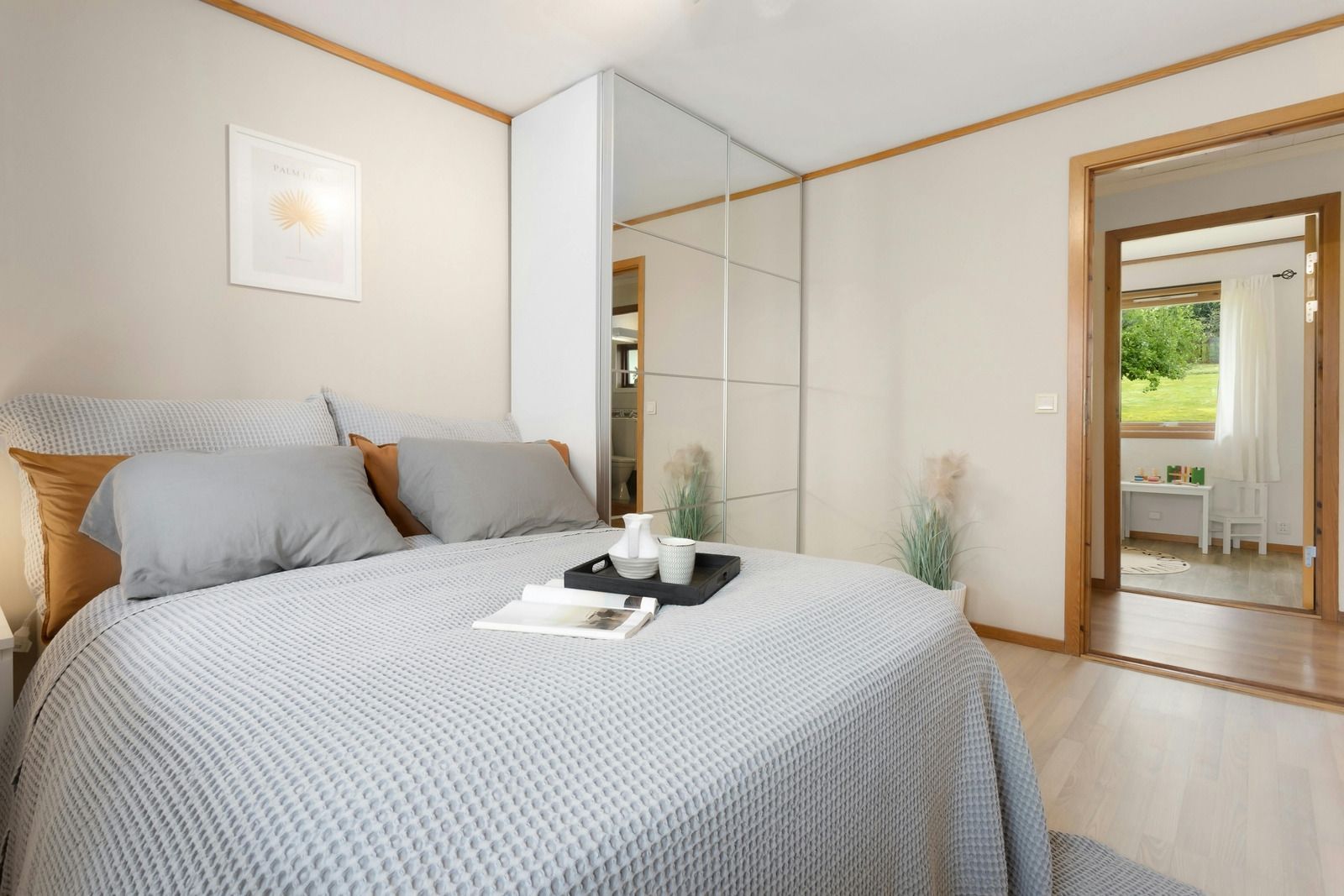
For upholstered beds:
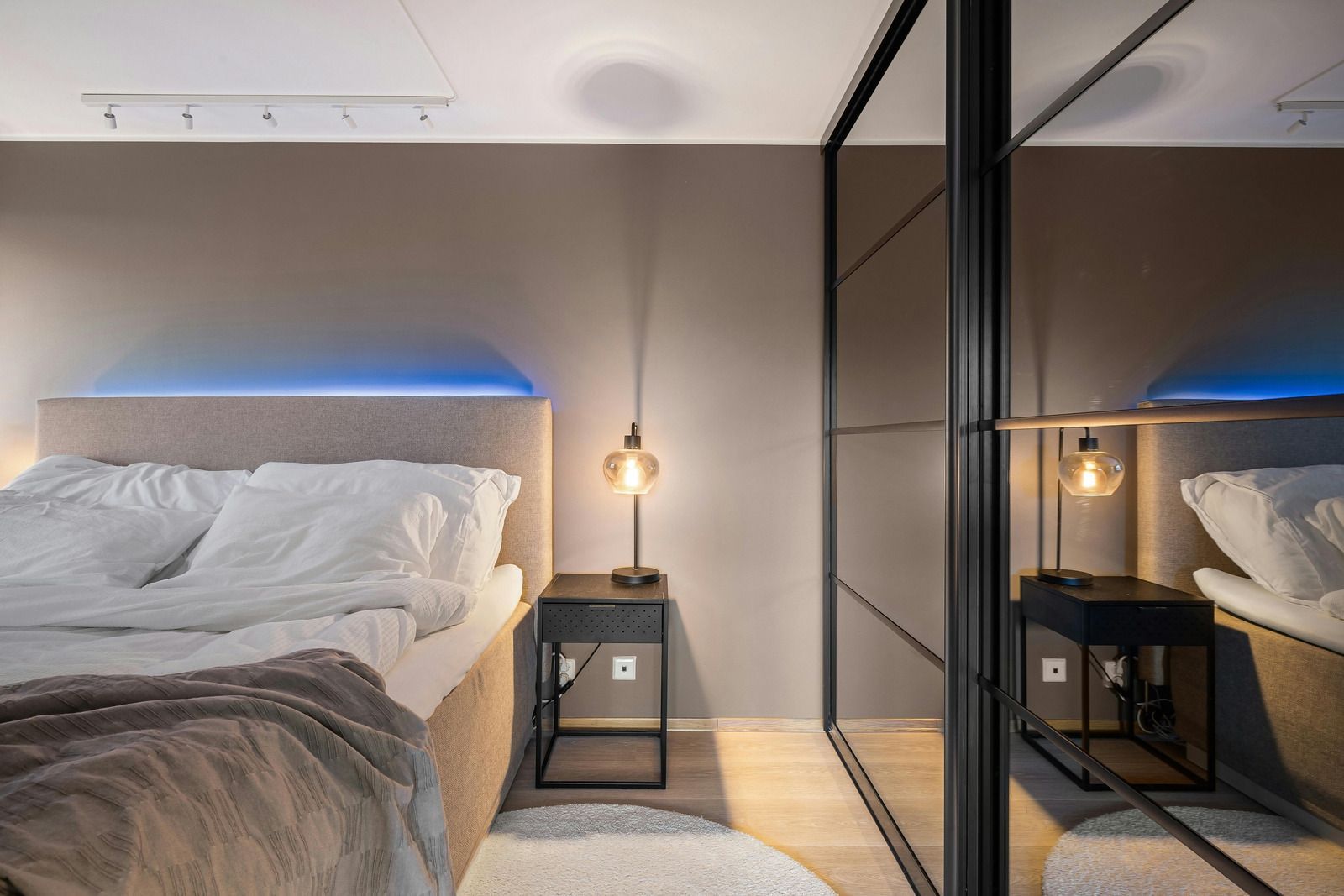
• The upholstery colour becomes a reference point for wardrobe finish
• Wardrobe wood or paint can pick up tones from the upholstery
• The headboard shape may suggest related design language for the wardrobe
For contemporary bed designs:
• Clean lined wardrobes with minimal detail typically work best
• Matching sharp edges and simple surfaces maintains visual continuity
• Handleless wardrobes often suit contemporary bed designs
For antique or heirloom beds:
• Painted wardrobes often work better than wood wardrobes attempting to match
• Traditional panel detailing on wardrobes complements period beds
• Avoid obvious contemporary elements that would clash
How Do You Coordinate with Freestanding Chests of Drawers?
Freestanding chests of drawers often predate the fitted wardrobe decision and need to coordinate with the new wardrobe.
Approaches that work:
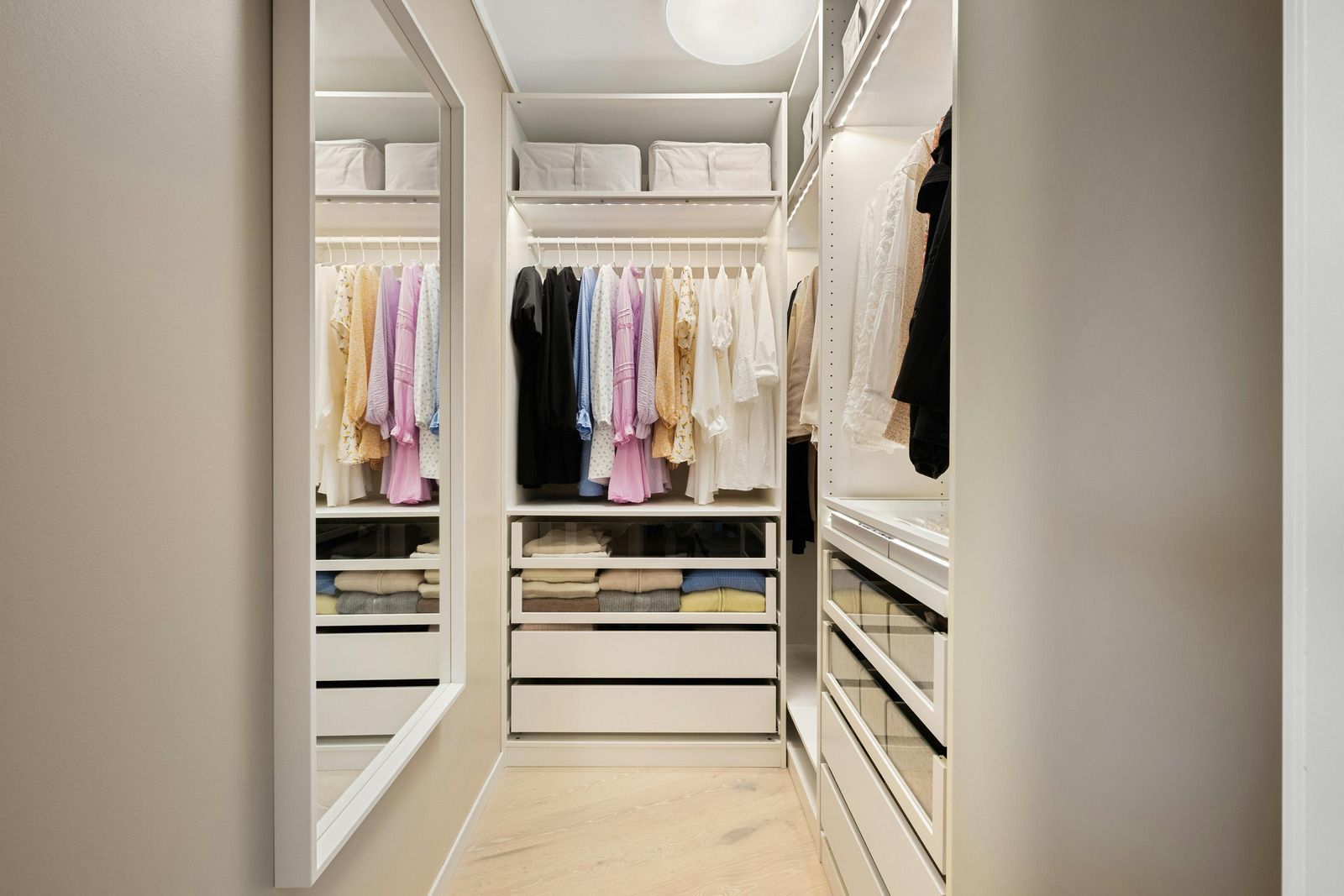
• Keep the chest of drawers but ensure the wardrobe has adequate drawer space of its own, so the chest becomes supplementary rather than essential
• Match the finish type if not the exact material, so painted wardrobes with a painted chest or wood wardrobes with a wood chest
• Position the chest where it supports rather than competes with the wardrobe
• Accept that older chests may look slightly different from new wardrobe wood even in the same species
Approaches that fail:
• Attempting exact wood species matching between new wardrobes and old chests
• Keeping multiple small chests that fragment the room's storage visually
• Painting an existing wood chest to match new painted wardrobes if the paint cannot be properly applied
Sometimes the right answer is replacing the freestanding chest with built in drawers in the fitted wardrobe. This consolidates the storage into one coherent design rather than attempting coordination between separate pieces.
How Do You Coordinate with Dressing Tables?
Dressing tables present specific coordination challenges because they typically combine storage, display, and mirror functions.
Options for coordination:
• Keep the existing dressing table but ensure the wardrobe design acknowledges it
• Replace the dressing table with integrated dressing table built into the wardrobe
• Position the dressing table where it reads as a feature piece distinct from the wardrobe
• Match the dressing table finish to the wardrobe finish if replacement is not possible
Integrated dressing tables built into fitted wardrobes offer significant advantages:
• Visual coherence with the wardrobe design
• Elimination of the gap between dressing table and wardrobe
• Opportunity to add lighting designed specifically for dressing
• Space saving compared to freestanding dressing tables
The trade off is losing the specific character of the existing dressing table, which may matter if the piece has sentimental or design value.
How Do You Coordinate Handle Styles?
Handle choice coordinates fitted wardrobes to the rest of the room's hardware.
Match or complement:
• Door handle finishes elsewhere in the room
• Metal finishes on light fittings and other hardware
• Any decorative metalwork that reads as intentional design
Avoid:
• Mixing finishes with no clear logic, such as chrome handles with brass fittings
• Introducing finishes that have no reference point elsewhere in the room
• Trend based handles that will date before the wardrobe does
Period properties often benefit from traditional handle designs that complement original features. Contemporary properties often benefit from minimal handles or handleless designs that align with other modern elements.
How Do You Coordinate with Bedroom Textiles?
Textiles including curtains, bedding, and rugs contribute to the colour palette the wardrobe needs to work with.
Textile coordination approaches:
• Pick up a secondary colour from existing textiles in the wardrobe finish
• Choose neutral wardrobe finishes that work with textile changes over time
• Avoid matching the dominant textile colour exactly, which can look matched set
• Consider how light changes affect both wardrobe and textile appearance
Textiles are easier to change than wardrobes, so weighting the long term colour commitment to the wardrobe makes sense. The wardrobe should look right across several possible textile schemes rather than being locked to one specific scheme.
When Should Existing Furniture Be Replaced?
Sometimes the right decision is replacing existing furniture rather than coordinating with it.
Consider replacement when:
• The existing furniture is nearing the end of its useful life anyway
• Coordination with the existing furniture would compromise the wardrobe design significantly
• The existing furniture is too small or too large to work with the new wardrobe
• The storage provided by existing freestanding furniture duplicates what the wardrobe will provide
Consider keeping existing furniture when:
• The pieces have sentimental or design value worth preserving
• The furniture is in excellent condition and will outlast the wardrobe
• Coordination is practical without major compromise
• Budget considerations make replacement impractical
The decision often becomes clearer during the design conversation when the specific coordination challenges become apparent. A piece that seemed easy to coordinate with may turn out to force compromises in the wardrobe design that make replacement the better choice.
Frequently Asked Questions
Do fitted wardrobes have to match my existing bedroom furniture exactly?
No. Exact matching is rarely necessary and often harder to achieve than coordination. Choose wardrobes that complement the existing furniture through compatible wood tones, finish types, or design language rather than attempting exact replication that highlights any differences.
Should I replace my bedroom furniture when getting fitted wardrobes?
Not necessarily. Consider replacement only when the existing furniture is near the end of its useful life, when coordination would require major design compromise, or when the fitted wardrobes will provide storage that duplicates existing freestanding furniture. Pieces with sentimental or design value usually warrant keeping and coordinating with.
Can painted fitted wardrobes work with wood bedroom furniture?
Yes. Painted wardrobes work alongside wood furniture of various species, often more successfully than attempting exact wood matching. The painted finish provides a complementary element rather than competing wood tones. Choose paint colours that pick up tones from the room's existing palette.
How do I coordinate fitted wardrobes with an antique bed?
Painted wardrobes typically work better than wood wardrobes when coordinating with antique beds. Traditional panel detailing on the wardrobes complements period bed designs. Keep wardrobe design restrained to let the antique bed remain the room's design focus.
What Humphries Cabinets Offers
We design and install fitted wardrobes and coordinated storage across London that work together to maximise bedroom capacity. Our services include:
• Fitted Wardrobes designed around overall bedroom storage requirements
• Wardrobe Interiors with mixed configurations suited to specific storage patterns
• Floor to Ceiling Wardrobes maximising vertical storage in the bedroom
• Cupboards with coordinated finishes for additional bedroom storage
• Modern Fitted Wardrobes with contemporary design
• Shaker Style Wardrobes in traditional designs for period properties
Every project starts with a free design visit where we see your existing furniture in context and recommend coordination approaches that work with what is already there.
Why Choose Humphries Cabinets
At Humphries Cabinets, we have been designing fitted wardrobes across London for over 15 years. We work with existing bedroom furniture rather than assuming you need to replace everything, and help you make honest decisions about what to keep and what to replace.
If you are planning fitted wardrobes for a bedroom with furniture you want to keep,
contact us today to arrange your free consultation.