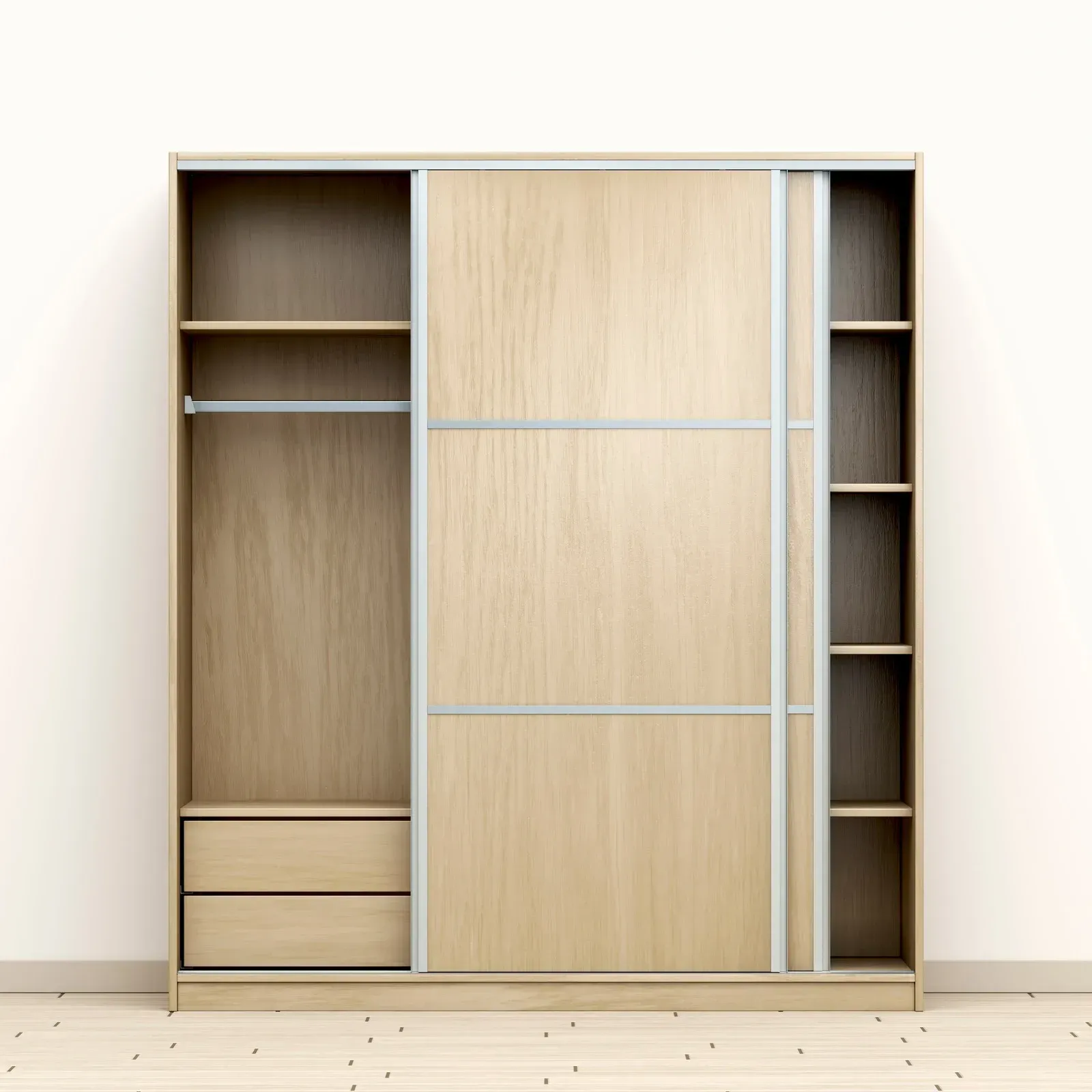
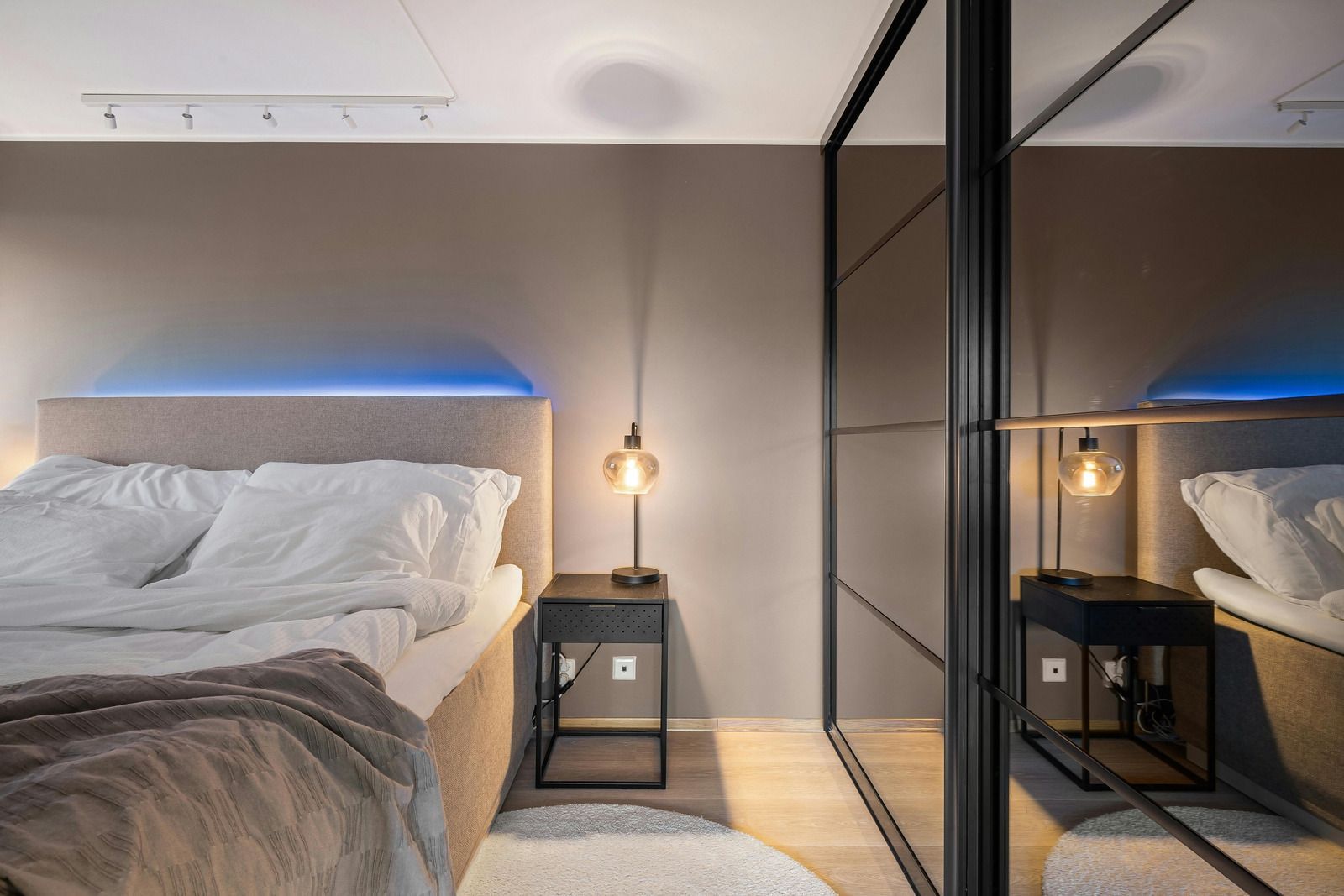
Questions to Ask Before Hiring a Fitted Wardrobe Company in London
Quick Answer
The most useful questions cover materials and construction, who actually does the design and installation, timelines, what the quote does and does not include, guarantee terms, and what happens if problems arise. Answers that are vague, defensive, or heavily qualified are more telling than the specific words used.
Fitted wardrobes are a significant investment. A typical London installation costs between four thousand and twelve thousand pounds, sits in the home for two to five decades, and cannot easily be replaced if it disappoints. The decision deserves proper questioning rather than reliance on brochures, showrooms, or trust in a designer's manner.
Most homeowners commissioning fitted furniture for the first time do not know what to ask. Questions about hinges and edge banding sound too technical. Questions about price feel awkward. Questions about what could go wrong feel adversarial. So the conversation stays on aesthetics and finish samples, and the practical questions that would separate a well built installation from a poorly built one never get raised.
This guide covers the questions that actually matter, why each one matters, and what the answers should sound like from a company you would want to commission.
What Should You Ask About Materials and Construction?
Material and construction quality determines how long the wardrobe actually lasts.
Key questions include:
• What materials will the carcasses be made from?
• How are the carcasses joined together?
• What hinges and drawer runners will be used?
• What material will the doors be made from?
• What finish will be applied and how is it applied?
• Where will the construction actually happen?
The answers should be specific rather than general. Reputable companies name materials by name, specify hardware brands, and describe construction methods in detail. Vague answers about quality without specifics usually indicate corners being cut.
Common answers that should raise concerns:
• Carcasses described only as wood without specifying the material
• Hardware described as high quality without naming brands
• Construction described as traditional without explaining methods
• Finishes described as premium without specifying application
What Should You Ask About Who Does the Work?
The company that quotes you may or may not be the company that actually builds and installs your wardrobe.
Key questions include:
• Who designs the wardrobe, and is it the same person who visits my home?
• Who builds the wardrobe, and where is it built?
• Who installs the wardrobe, and are they employees or subcontractors?
• How much experience do your designers and installers have?
• Can I meet the installer before installation day?
The ideal answer involves the same company handling design, construction, and installation with experienced staff doing each role. Separation of these roles introduces translation errors and quality control gaps.
Companies that rotate anonymous subcontractors through installations are typically optimising for cost rather than quality. Consistent installers who have worked together for years produce more reliable results.
What Should You Ask About the Quote?
Quotes vary significantly in what they include and exclude.
Key questions include:
• What is included in the quoted price?
• What is specifically excluded that I might assume is included?
• Are there any additional costs that typically arise during installation?
• How is the quote broken down between materials, labour, and installation?
• What is the payment schedule?
• What happens if I want to change the design after signing?
Reputable quotes itemise design, materials, construction, delivery, installation, waste removal, and any decorative work. Common exclusions that add cost later include electrical work, making good surrounding walls, and site preparation.
Payment schedules typically involve a deposit at commissioning, a stage payment during construction, and a final payment on completion. Deposits above 50 percent should be questioned. Payment in full before installation should be refused.
What Should You Ask About Timing?
Timeline certainty affects your ability to plan.
Key questions include:
• How long from order to installation under current workshop conditions?
• How long will installation itself take?
• What happens if the installation runs over the scheduled time?
• Are you currently in a busy period that affects lead times?
• Can you commit to a specific installation date, or is it a date range?
Six to twelve weeks is typical for a bespoke fitted wardrobe. Companies quoting significantly shorter timelines may be using less individualised construction. Companies quoting significantly longer timelines should explain why.
Installation itself typically takes one to three days for a single bedroom. Larger installations may take a week or more. Clear understanding of installation duration helps you plan around disruption.
What Should You Ask About Guarantees?
Guarantees vary enormously in what they actually cover.
Key questions include:
• What guarantee do you offer and how long is it?
• What does the guarantee cover and what does it exclude?
• Does the guarantee cover hinges, runners, and other hardware?
• How are guarantee claims handled in practice?
• Will your company still exist to honour the guarantee in 15 years?
A guarantee covering only the frame is less valuable than it appears because frames rarely fail. Hinges, runners, and other moving parts are more likely failure points. Guarantees that exclude common failure points provide limited protection.
Company longevity matters for long guarantees. Companies that have been trading for 15 or more years are likely to still be trading in another 15. Companies that have started recently or changed name several times offer less certainty.
What Should You Ask About Their Work?
Evidence of past work matters more than any claims made in conversation.
Key questions include:
• Can you show me a completed installation in a home similar to mine?
• Can I visit a completed installation to see the work in person?
• Can I speak to recent clients as references?
• How many installations have you completed in the last year?
• Do you have an online portfolio I can review?
Reputable companies have clients willing to show their completed installations. Resistance to providing references or site visits suggests problems the company does not want you to see.
Recent references matter more than historical references. A company that was good 10 years ago may not be the same company today.
What Should You Ask About the Process?
Understanding the process helps you prepare and reduces surprises.
Key questions include:
• What happens at the design consultation?
• What should I prepare before your designer visits?
• Do I need to prepare the room before installation?
• What happens to dust and waste during installation?
• How will the installers protect the rest of my home?
• What should I do if I notice problems after installation?
Design consultations should include accurate measurement, detailed discussion of storage requirements, consideration of your existing decor, and production of a design that responds to what you have said rather than a standard template.
Installation should involve dust extraction equipment, protective coverings for carpets and surrounding areas, and thorough cleanup at the end of each day.
What Should You Ask About What Could Go Wrong?
The willingness to discuss problems is itself a useful signal.
Key questions include:
• What is the most common complaint from your clients?
• How do you handle complaints when they arise?
• What happens if an installation does not meet my expectations?
• How are post installation adjustments handled?
• Have you ever had to fully redo an installation, and what happened?
Companies confident in their work are comfortable discussing complaints. Companies that react defensively or claim they never receive complaints are either dishonest or lacking self awareness.
The answers to how post installation issues are handled matter in practice. Doors that need adjustment, drawers that stick, or finishes with minor issues are normal occurrences that reputable companies resolve without additional charge.
Frequently Asked Questions
How much should I expect to pay for fitted wardrobes in London?
A quality bespoke fitted wardrobe in a standard London bedroom typically costs between £4,000 and £8,000. Larger installations or complex specifications can reach £12,000 or more. Prices below £3,000 for a full wardrobe usually indicate lower quality construction or materials.
How many quotes should I get?
Two or three quotes gives you enough comparison without becoming overwhelming. Ensure each quote covers the same specification so you are comparing like for like. Quotes for different specifications produce different prices that are not meaningfully comparable.
Should I choose the cheapest quote?
The cheapest quote is rarely the best value across the wardrobe's lifetime. Consider the materials specified, the construction methods, the guarantee, and the company's likely longevity before making a decision on price alone.
What should raise red flags during a design consultation?
Pressure to sign immediately, reluctance to itemise the quote, vague answers to specific questions, refusal to provide references, and quotes that seem too good to be true all warrant caution. Reputable companies are comfortable with detailed questions.
What Humphries Cabinets Offers
We design and install fitted wardrobes and coordinated storage across London that work together to maximise bedroom capacity. Our services include:
• Fitted Wardrobes designed around overall bedroom storage requirements
• Wardrobe Interiors with mixed configurations suited to specific storage patterns
• Floor to Ceiling Wardrobes maximising vertical storage in the bedroom
• Cupboards with coordinated finishes for additional bedroom storage
• Modern Fitted Wardrobes with contemporary design
• Shaker Style Wardrobes in traditional designs for period properties
Every project starts with a free design visit where you can ask any question about our approach, materials, timelines, and process.
Why Choose Humphries Cabinets
At Humphries Cabinets, we have been building fitted furniture across London for over 15 years. Our 15 year guarantee reflects our confidence in the work, and we are happy to answer any question about how we build, what we use, and how we handle problems if they arise.
If you are planning fitted furniture for your London home and want to discuss any of the questions in this guide,
contact us today to arrange your free consultation.