Alcove Cupboards and Shelving Around a Chimney Breast

June 29, 2026

Share this article

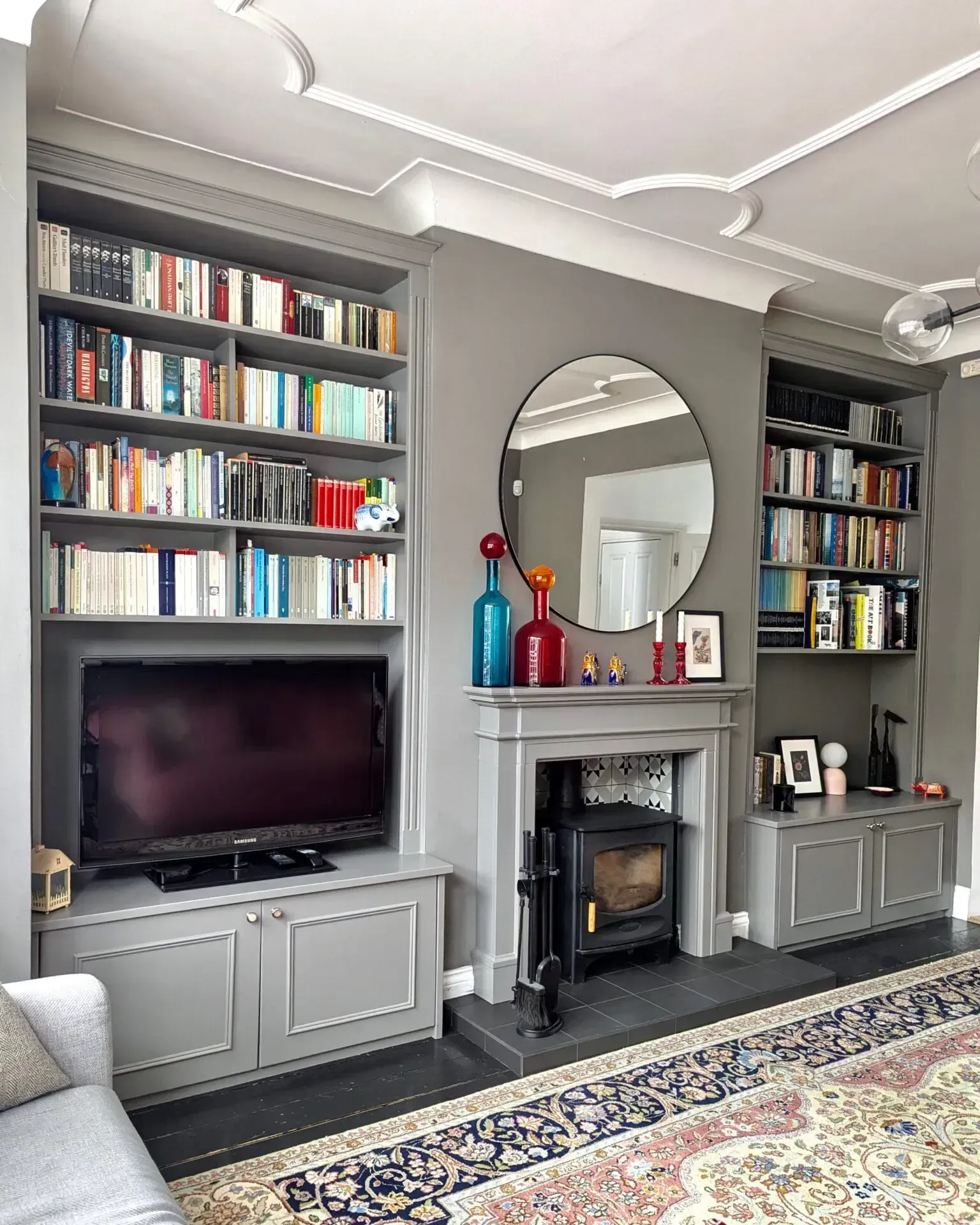
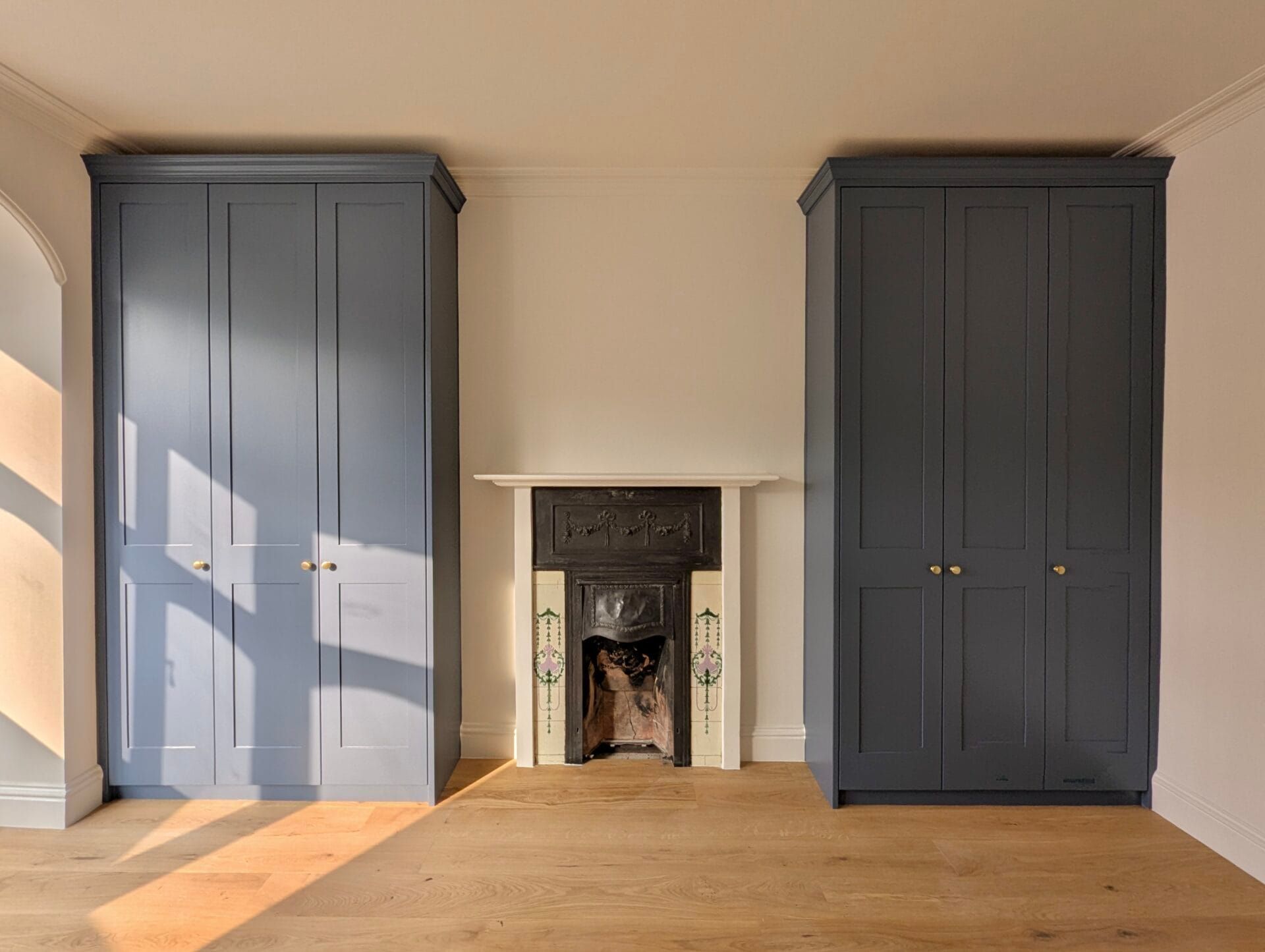
The alcoves on either side of a chimney breast are the most underused storage in a London home. Built-in alcove cupboards with shelving above turn them into generous storage and display without taking floor space, and a matching pair of frames the chimney breast for a balanced look. Built to the exact recess, scribed to uneven walls and finished to match your skirting and cornice, alcove units look original to the house.


Almost every London home has the same hidden opportunity. A chimney breast sits in the middle of the wall, and on either side of it are two recesses, the alcoves, that the room never quite knows what to do with. They end up holding a lamp, a teetering stack of books, or nothing at all.


Fitted alcove cupboards and shelving change that completely. They turn dead space into proper, generous storage, frame the fireplace, and give a room a balanced, finished look that no freestanding furniture can match. Here is how to design them well.

Why Alcoves Are the Best Storage in the House

An alcove is, in effect, a ready-made cupboard waiting to happen. Three of its sides already exist in the chimney breast and the walls, so a fitted unit only has to close the front and fit the inside out. That makes alcoves one of the most efficient places in any home to add storage.


Crucially, they give you that storage without stealing a single inch from the middle of the room. The floor stays clear, the walkway stays open, and the recess that was doing nothing suddenly holds books, files, glassware or whatever the room needs. In compact London houses, where space is precious, that free real estate is too good to leave empty.

Cupboards, Open Shelves, or Both

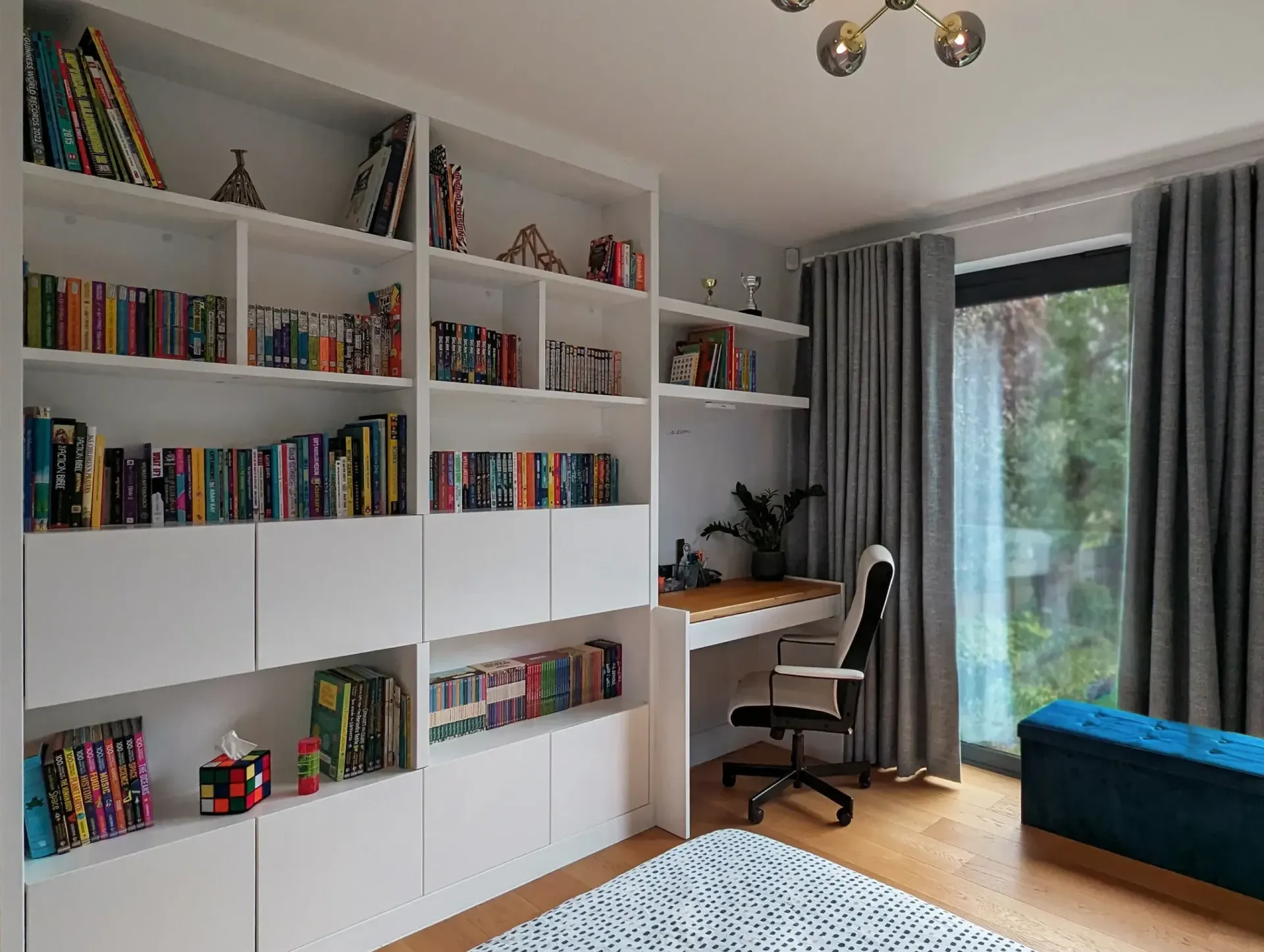
The classic alcove design, and the most useful, is closed cupboards low down with open shelving above. The cupboards give you a solid base that hides clutter, paperwork, toys or anything you would rather not see. The open shelves above carry books, plants and pieces you do want on show.


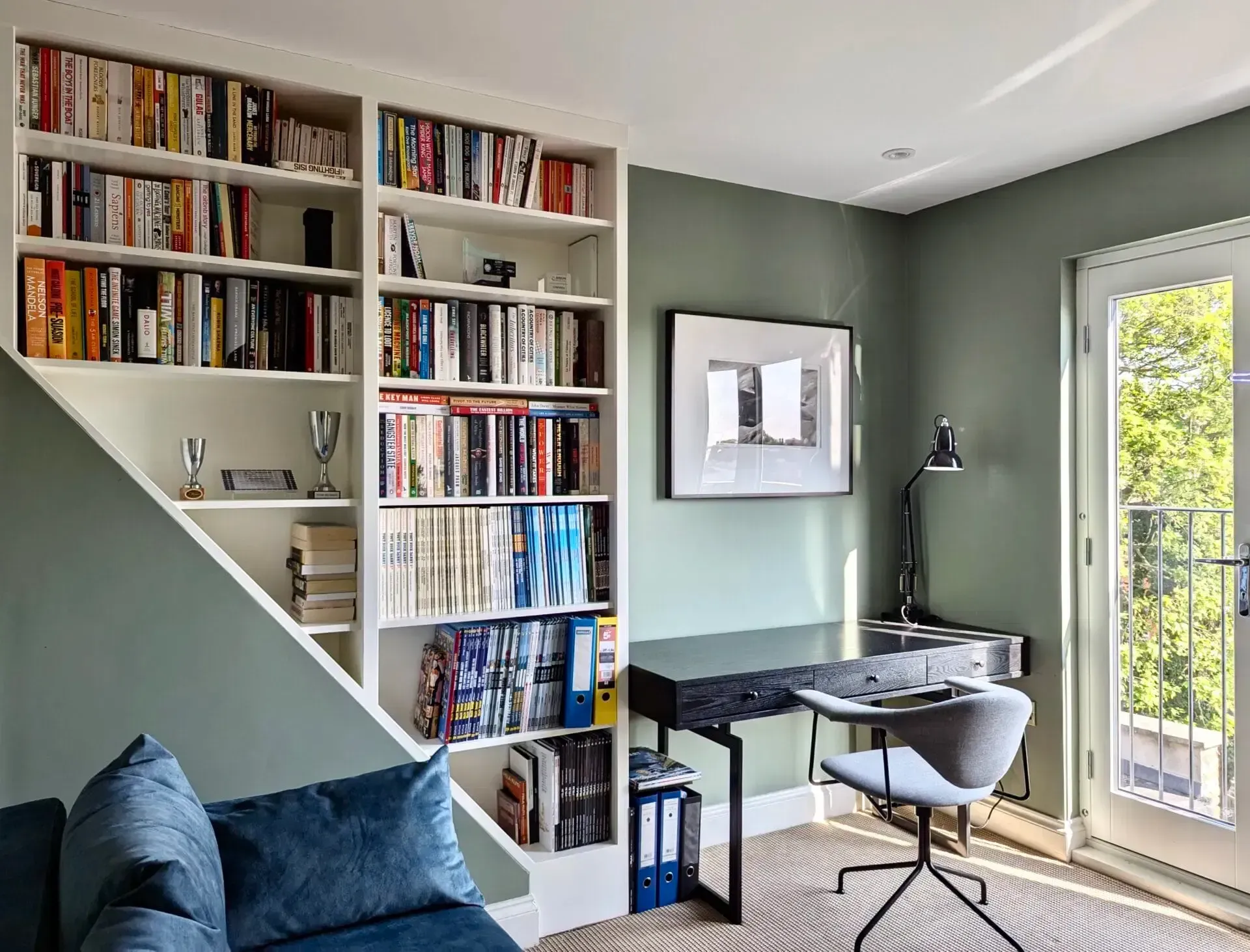
You are not locked into that split, though. A reading room might want shelving from floor to ceiling, a living room might prefer mostly cupboards with a single display shelf, and a dining room might use the alcoves for glassware behind glazed doors. The right mix depends on what you need to store and how you want the room to feel. The point of building it in is that the design bends to you.

Matching the Chimney Breast and the Room

This is where a fitted alcove unit earns its keep. The aim is for the new joinery to look as though it has always been there, and that comes down to detail. Units are built to align with the front of the chimney breast, or set back from it, so the proportions feel deliberate rather than crammed in.


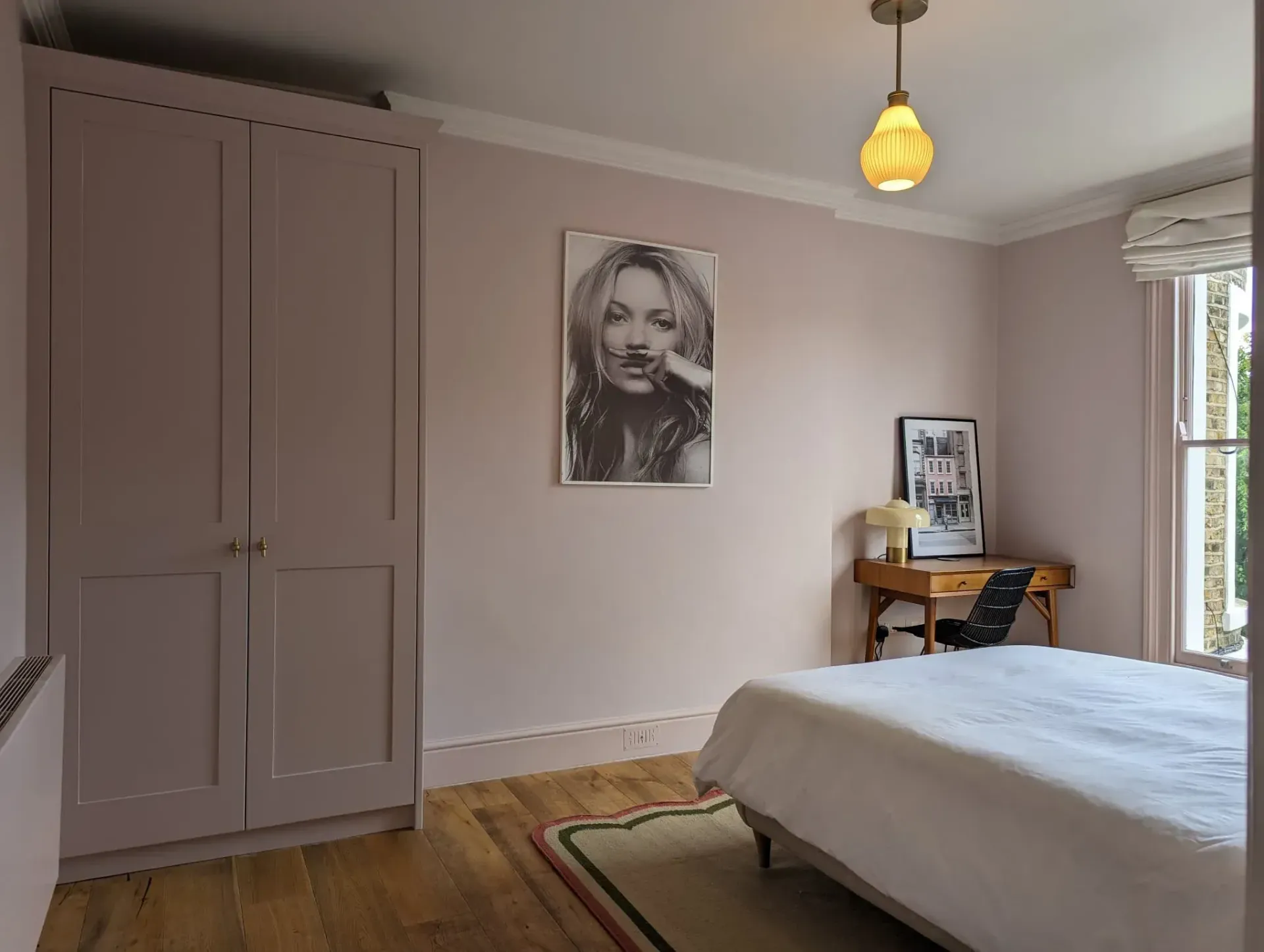
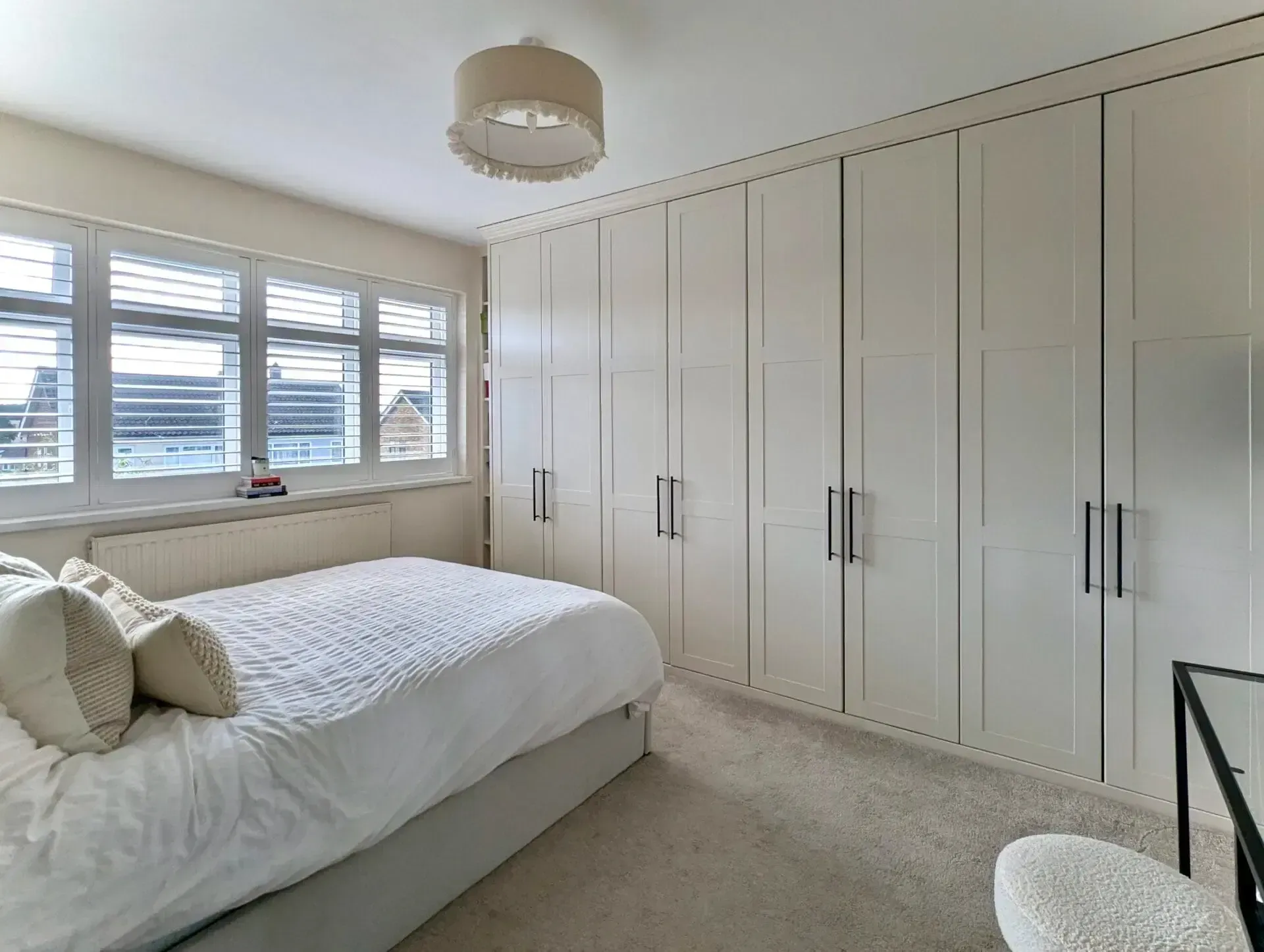
The finishing details do the rest. Skirting can be carried across the base of the units to match the room, a cornice can tie the top into the ceiling line, and shaker doors or beading can echo the period of the house. Finished in a colour that suits the room, often the same shade as the walls or woodwork, the alcoves read as architecture rather than furniture.

Working With Walls That Are Not Straight

Older London homes are rarely built square, and alcoves are some of the most uneven spaces in them. Walls lean, the chimney breast bows, floors slope and corners are anything but ninety degrees. This is exactly why freestanding furniture never fits an alcove properly, always leaving an awkward gap down one side.


Fitted alcove units are made to measure and scribed to the space on site, so the unit follows the real shape of the wall and sits flush with no gaps. That precise fit is the difference between storage that looks built in and storage that looks added on, and it is the whole reason fitted furniture suits these recesses so well.

Getting the Proportions Right

A pair of alcove units only looks its best when both sides relate to each other and to the chimney breast between them. Matching the height of the cupboards, the position of the shelves and the depth of the units across both alcoves gives a room symmetry and calm, even when the two recesses are slightly different sizes, as they often are.


It is also worth thinking about how far the units project. Keeping them flush with or just behind the face of the chimney breast keeps the wall looking clean and the room feeling spacious. Pushed too far forward, alcove units start to dominate. Judged well, they simply complete the wall.


Small touches pull the whole composition together, such as a continuous worktop running across the tops of the lower cupboards, or shelves on each side that line up exactly with one another across the chimney breast.

Frequently Asked Questions

  • What is the best storage for alcoves beside a chimney breast?

    Built-in alcove units are the best use of it. The most popular design is closed cupboards low down to hide clutter, with open shelving above for books and display. Built to the exact recess and finished to match the room, they look built-in.

  • Should alcove units have cupboards or open shelves?

    Most work best with both. Closed cupboards low down hide clutter and give a solid base, while open shelves above carry books, plants and display. The exact split depends on what you store, so a reading room wants more shelving, a living room more cupboards.

  • Can alcove units match my skirting and cornice?

    Yes, and matching them is what makes the units look original. Skirting can be carried across the base, a cornice can tie the top into the ceiling, and shaker doors or beading can echo the period, all finished in a colour that suits the room.

  • Do alcove units fit if my walls are uneven?

    That is what fitted alcove units are for. Older homes are rarely square, so units are made to measure and scribed to the space on site, following the real shape of the wall. The result sits flush with no gaps, which freestanding furniture cannot manage.

  • How far should alcove units stick out from the chimney breast?

    Ideally flush with the face of the chimney breast or just behind it. That keeps the wall looking clean and the room feeling open. Pushed too far forward, alcove units start to dominate, so judging the depth carefully is part of getting the design right.

Alcove Units That Look Original To Your Home

At Fulham Bespoke Fitted Wardrobes, we have spent more than 15 years building alcove cupboards, shelving and wardrobes for homes across London. Alcoves are some of the most rewarding spaces we work in, and also some of the most uneven, so we make every unit to measure and scribe it to the wall on site, matching your skirting, cornice and the line of the chimney breast and finishing it by hand to suit the room. The carpentry is backed by our 15-year guarantee, and every project starts with a free design visit, so we can measure the recesses and plan the units before anything is built.

Recent Posts

Bright bedroom with a wooden bed, white wardrobe, and sunlit hardwood floor
June 29, 2026
How corner wardrobes solve awkward bedrooms, covering L-shaped runs, corner hanging and carousels, wrapping around chimney breasts, doors and sloped ceilings.
Bright minimalist living room with bay window seat, white rug, and wicker chair on hardwood floor
June 29, 2026
How to design a bay window seat with storage, covering lift-up lids vs drawers, cushions and proportions, fitting square and curved bays, and matching the room.
Bedroom with open closets and drawers, showing neatly hung clothes and folded items beside a bed.
June 29, 2026
How to build a dressing table or vanity into a fitted wardrobe, covering layouts, knee room, mirror placement, lighting and storage for makeup and jewellery.
Walk-in closet with hanging clothes, drawers, and a bed in the foreground
June 29, 2026
Why wardrobe hardware matters, from soft-close hinges and runners to rails and pull-out fittings, and how the parts you never see decide how a wardrobe feels.
Empty bright room with white wardrobes, wood floor, windows, and an open door to a stairwell
June 29, 2026
What handleless and push-to-open wardrobes are, how the mechanisms work, where the look suits a room, and how to keep painted fronts clean and smudge-free.
White built-in cabinets beneath skylight windows in a bright attic room with wood floor.
June 29, 2026
How to use loft eaves and knee wall space with fitted eave units, covering access, pull-out drawers vs doors, what to store there, and ventilation.
Bright empty bedroom with mirrored closet doors, white shelving, and wooden dressers, viewed toward a doorway and window.
June 29, 2026
A guide to mirror wardrobes, covering sliding vs hinged mirror doors, where they work best, how they make a room feel bigger, and keeping them clean.
Bright home office with white built-in bookshelves, a rug, and a patterned armchair by a railing.
June 29, 2026
Built-in bookcase and home library design ideas, from finding the right wall and designing around a fireplace to adjustable shelves, ladders and lighting.
White cube shelves with folded clothes, shoes, and storage baskets in a tidy closet
June 29, 2026
How to get floating shelves right, from choosing the material and judging weight limits to the hidden fixings, ideal depth and styling that looks considered.
White paneled closet doors with brass knobs in a hallway
May 30, 2026
Security within a fitted wardrobe is one of those topics that rarely comes up in the design conversation but turns out to matter to a significant number of homeowners once they think about it.
Show More