Bespoke Wardrobes for Home Offices: Combining Storage with a Productive Workspace

aiman.fauarsy • January 31, 2026

Share this article

The way we use our homes has changed dramatically in recent years. For many households, the home office is no longer a temporary setup but a permanent, essential space. However, creating a productive work environment at home can be challenging—especially in London properties where space is often limited and rooms must serve multiple purposes.


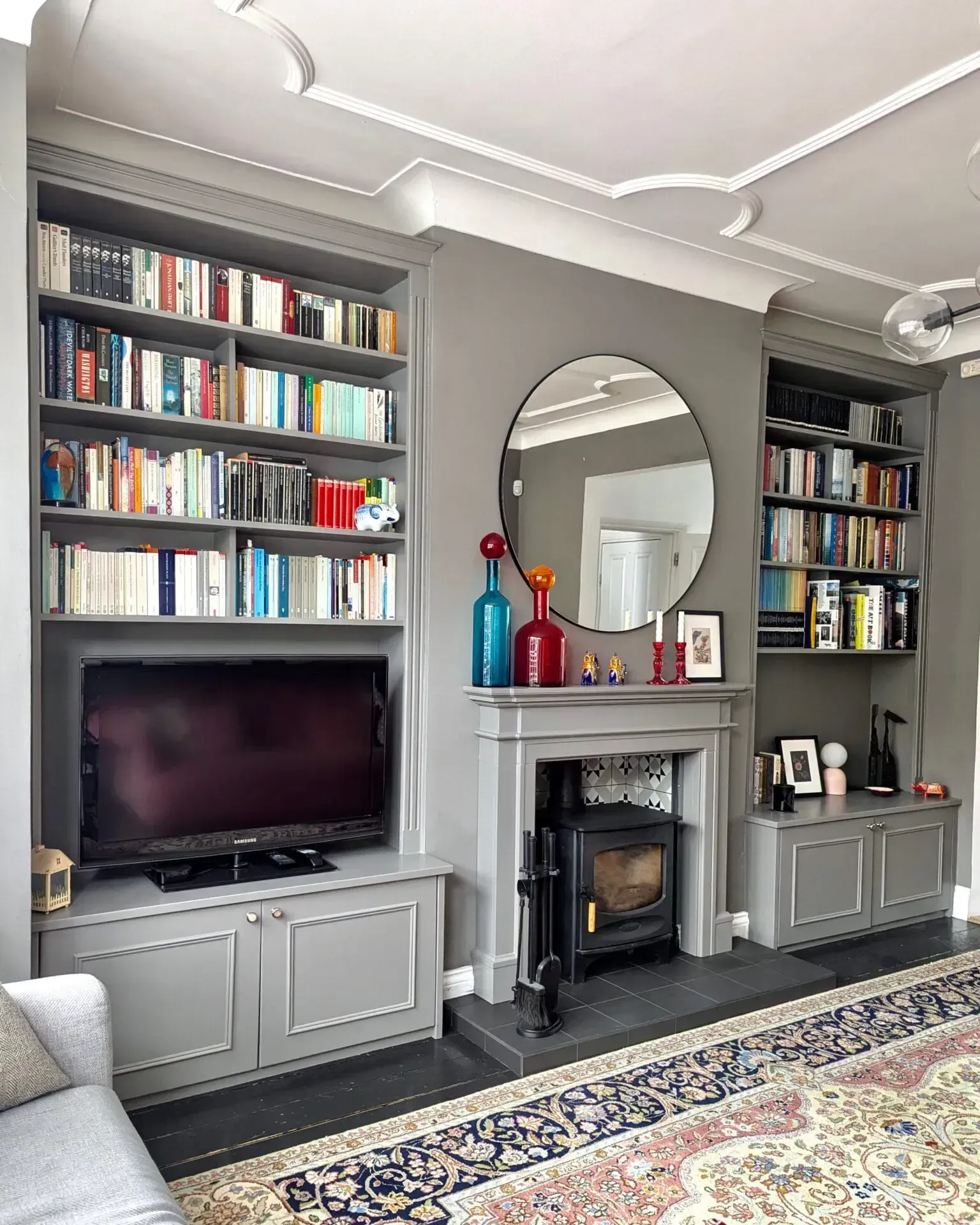
Bespoke wardrobes for home offices offer a smart, elegant solution. By combining tailored storage with integrated workspaces, bespoke designs allow you to create a calm, organised, and highly functional office environment without sacrificing style or valuable living space. Rather than adding bulky desks or freestanding storage, bespoke wardrobes seamlessly integrate everything you need into one cohesive design.


This guide explores how bespoke wardrobes can transform home offices by blending intelligent storage with productivity-focused design, helping you work more efficiently while maintaining a refined, clutter-free home.

Why Storage Matters in a Home Office

A productive workspace relies on organisation. Poor storage leads to cluttered desks, scattered paperwork, and constant distractions—all of which negatively impact focus and efficiency. In a home environment, where workspaces often share space with bedrooms or living areas, clutter can quickly spill over into everyday life.


Bespoke wardrobes address this issue by providing dedicated storage tailored to your work habits. Files, equipment, stationery, and personal items can all be neatly organised and hidden from view when not in use. This separation between work and home life is essential for maintaining both productivity and wellbeing.


By incorporating storage directly into the structure of the room, bespoke wardrobes eliminate the need for multiple furniture pieces, creating a streamlined and intentional workspace.

Creating a Dedicated Workspace Without Losing Living Space

One of the biggest challenges in home office design is space. Many London homes don’t have the luxury of a spare room, meaning offices are often integrated into bedrooms, guest rooms, or living areas.

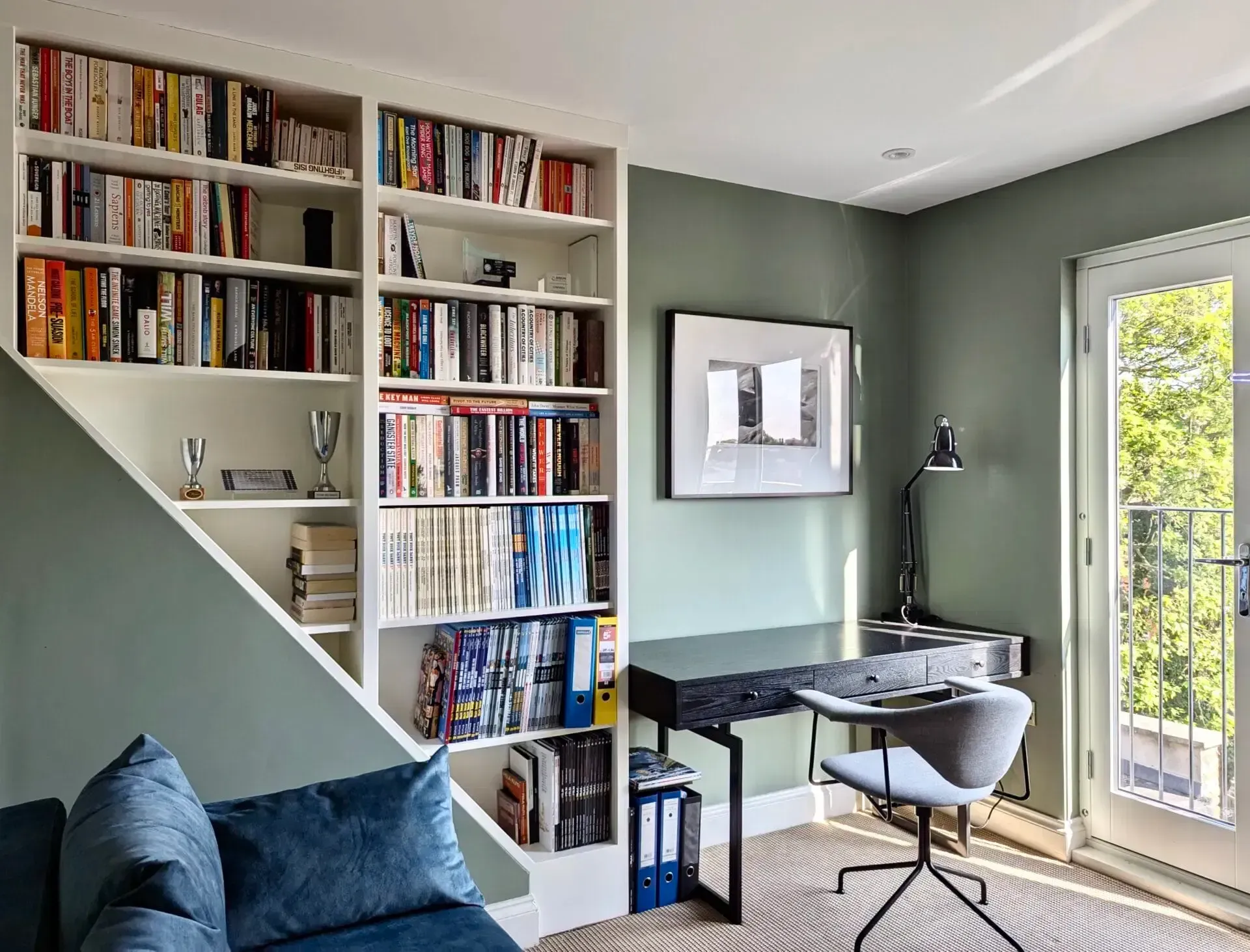
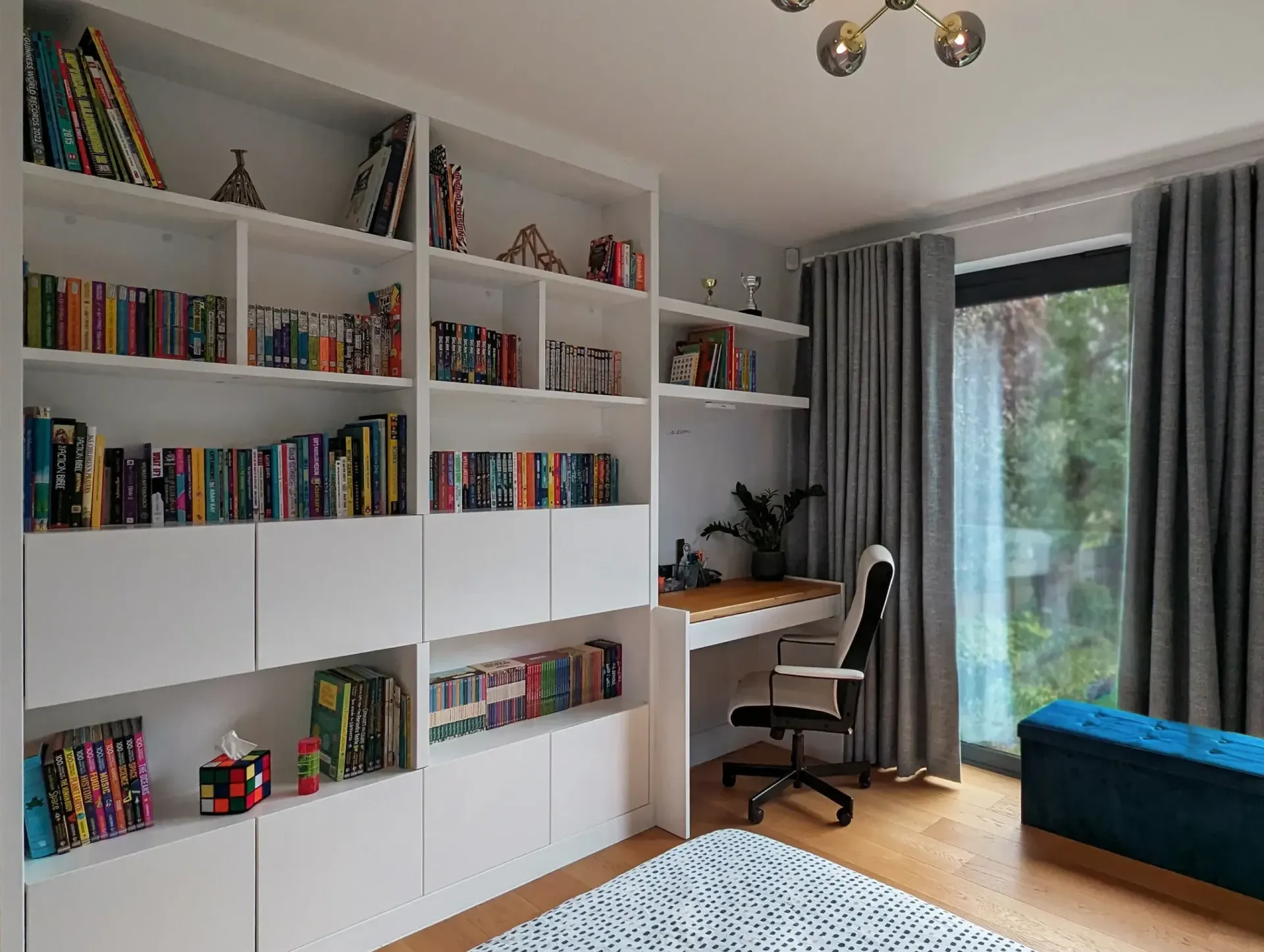
Bespoke wardrobes make this integration seamless. A fitted wardrobe can incorporate a built-in desk, shelving, and storage while maintaining the appearance of a unified design. When the workday ends, the workspace can be concealed behind doors, restoring the room to its original purpose.

This approach is ideal for:

  • Bedrooms that double as workspaces
  • Guest rooms with occasional office use
  • Open-plan living areas
  • Compact apartments with limited square footage


The result is a functional office that doesn’t dominate the room or disrupt its overall aesthetic.

Integrated Desks for Efficient Working

At the heart of a wardrobe-based home office is the integrated desk. Unlike freestanding desks, a bespoke desk is designed to fit perfectly within the available space, ensuring comfortable proportions and efficient use of every inch.

Desk height, depth, and width can be tailored to suit your working style, whether you need space for a laptop, multiple screens, or paperwork. The desk can be positioned centrally or offset within the wardrobe layout, depending on room configuration and lighting.

Some bespoke designs include:

  • Fixed desks for daily use
  • Pull-out or fold-away desks for occasional working
  • Floating desks for a light, modern appearance


By designing the desk as part of the wardrobe, you create a cohesive workspace that feels intentional rather than improvised.

Storage Solutions Designed Around Your Work Habits

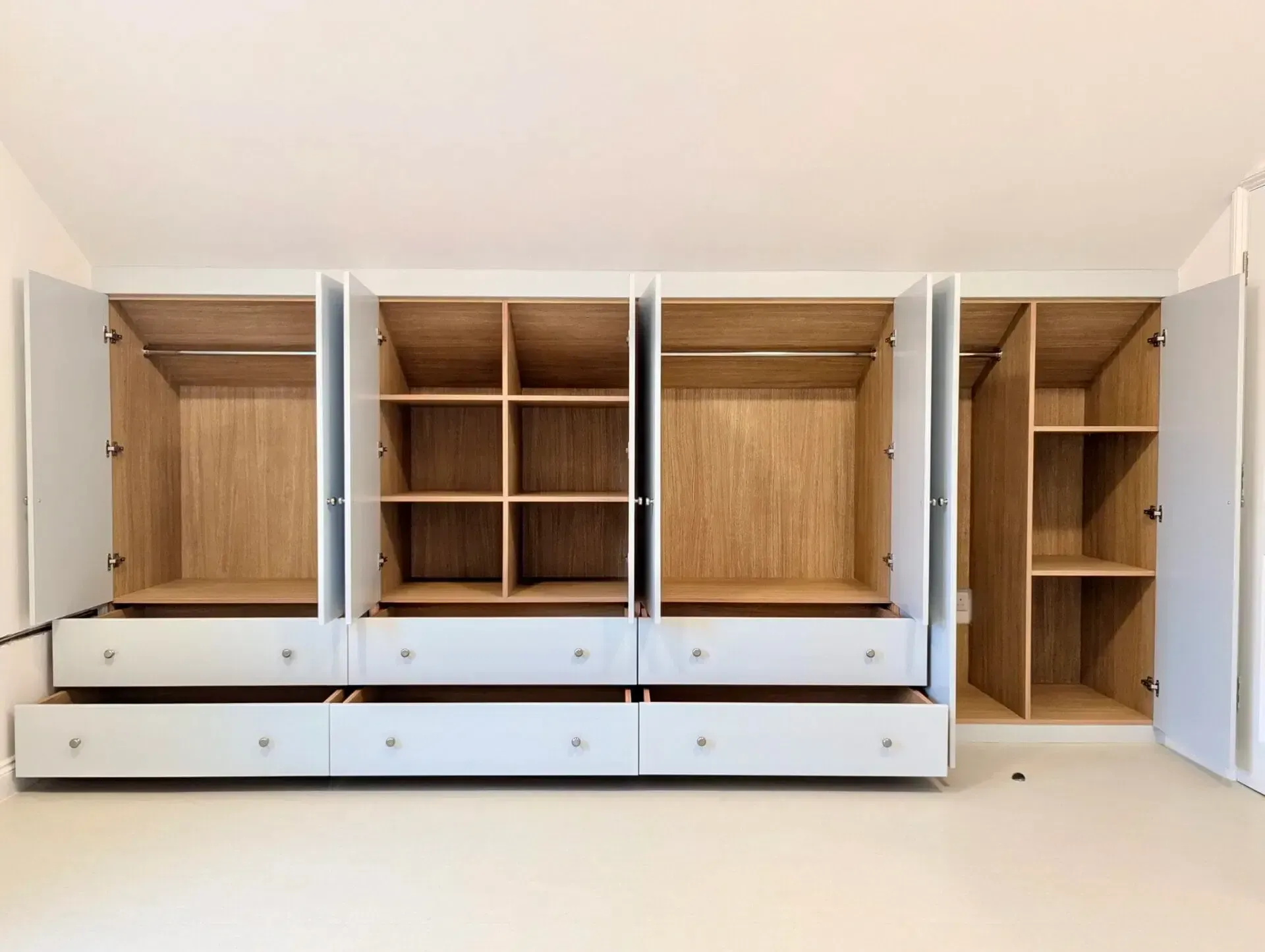
Every home office functions differently. Some people rely heavily on paperwork, while others need storage for technology, creative tools, or reference materials. Bespoke wardrobes allow storage to be designed around how you actually work.

Common storage elements include:

  • Filing drawers for documents
  • Shelving for books and folders
  • Closed cupboards for printers or office equipment
  • Drawers for stationery and accessories


Everything has a designated place, reducing desk clutter and making it easier to stay organised. Over time, this level of order improves efficiency and reduces daily frustration.

Concealing Technology for a Cleaner Look

Home offices often involve multiple cables, chargers, and electronic devices, which can quickly make a space feel messy. Bespoke wardrobes help manage this by integrating technology discreetly into the design.


Cable management systems can be concealed behind panels, while cupboards can house routers, printers, or backup equipment. Ventilated compartments ensure electronics remain functional without compromising appearance.


By keeping technology out of sight, the workspace maintains a calm, professional feel—especially important when video calls or meetings take place at home.

Lighting That Supports Focus and Comfort

Lighting is a critical element of any workspace. Poor lighting leads to eye strain, fatigue, and reduced concentration. In wardrobe-based home offices, bespoke lighting ensures the workspace is both practical and comfortable.

Integrated LED lighting can be installed:

  • Above or beneath shelves
  • Under overhead cabinets
  • Around desk areas


Task lighting provides focused illumination for working, while softer ambient lighting helps balance the room. Motion-sensor lighting can add convenience, automatically illuminating storage areas when needed.


Thoughtful lighting design ensures the home office remains comfortable throughout the day, even in rooms with limited natural light.

Maintaining a Calm, Professional Aesthetic

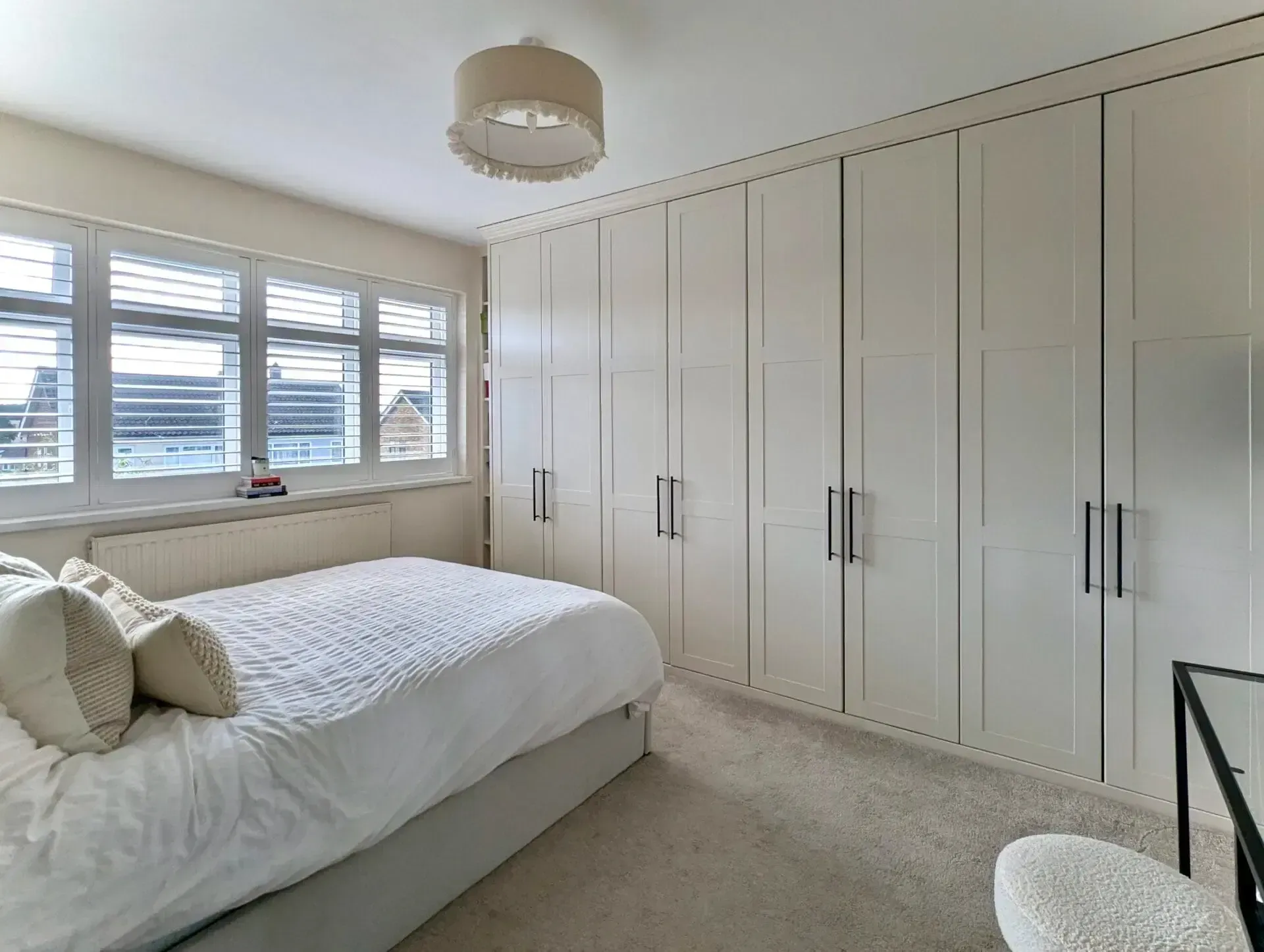
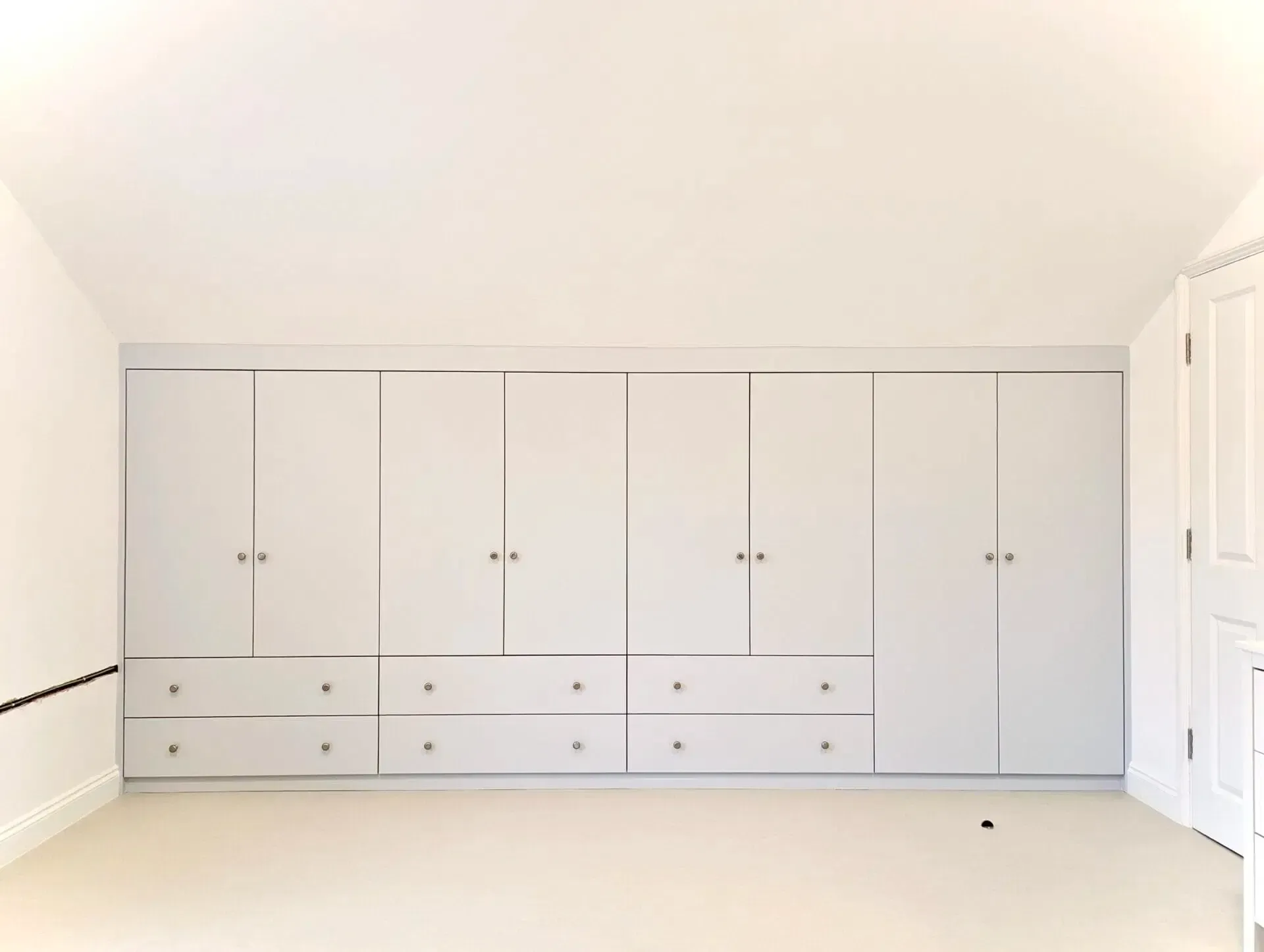
A productive workspace should feel calm and visually uncluttered. Bespoke wardrobes support this by concealing storage behind clean-lined doors, allowing the room to maintain a serene appearance.


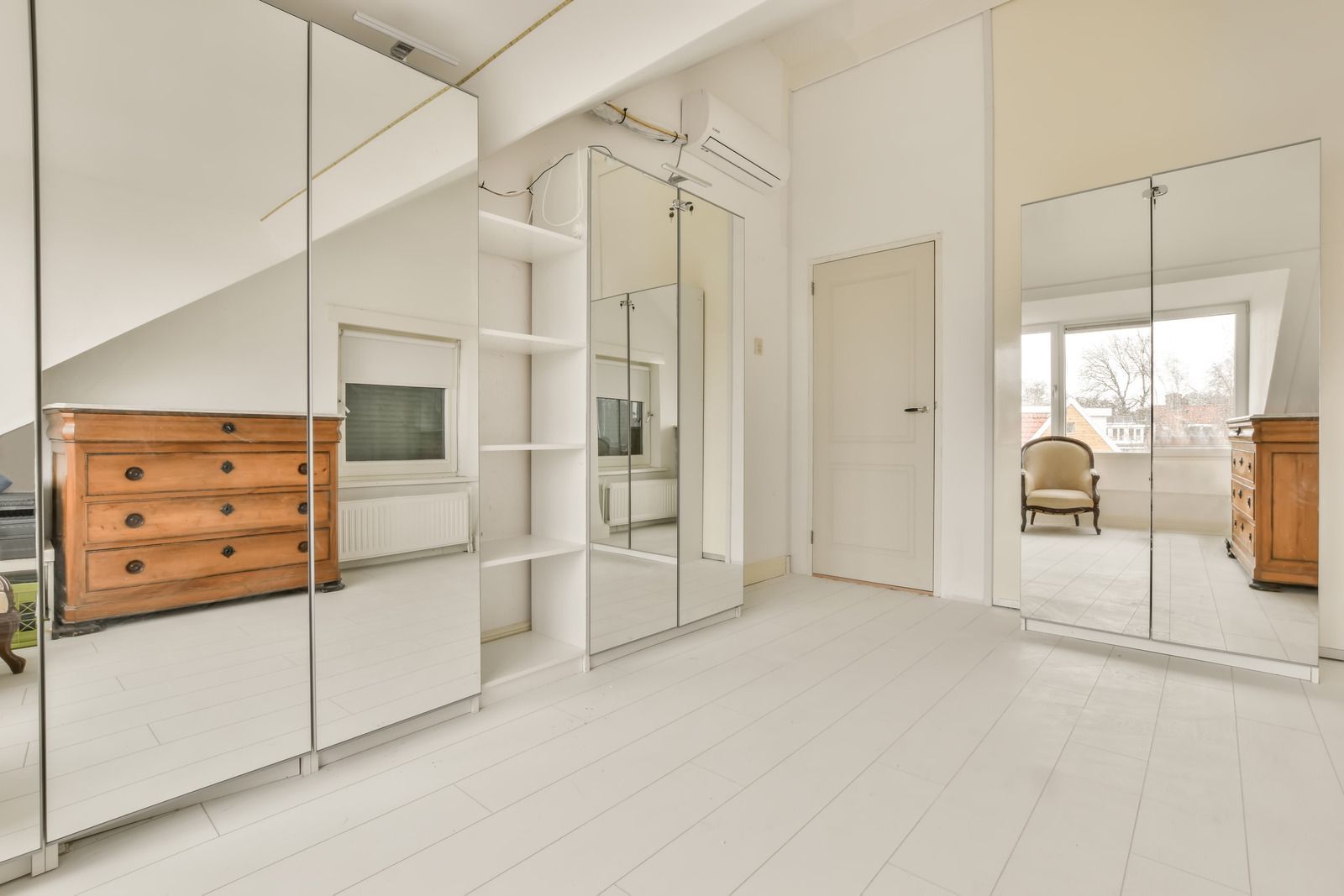
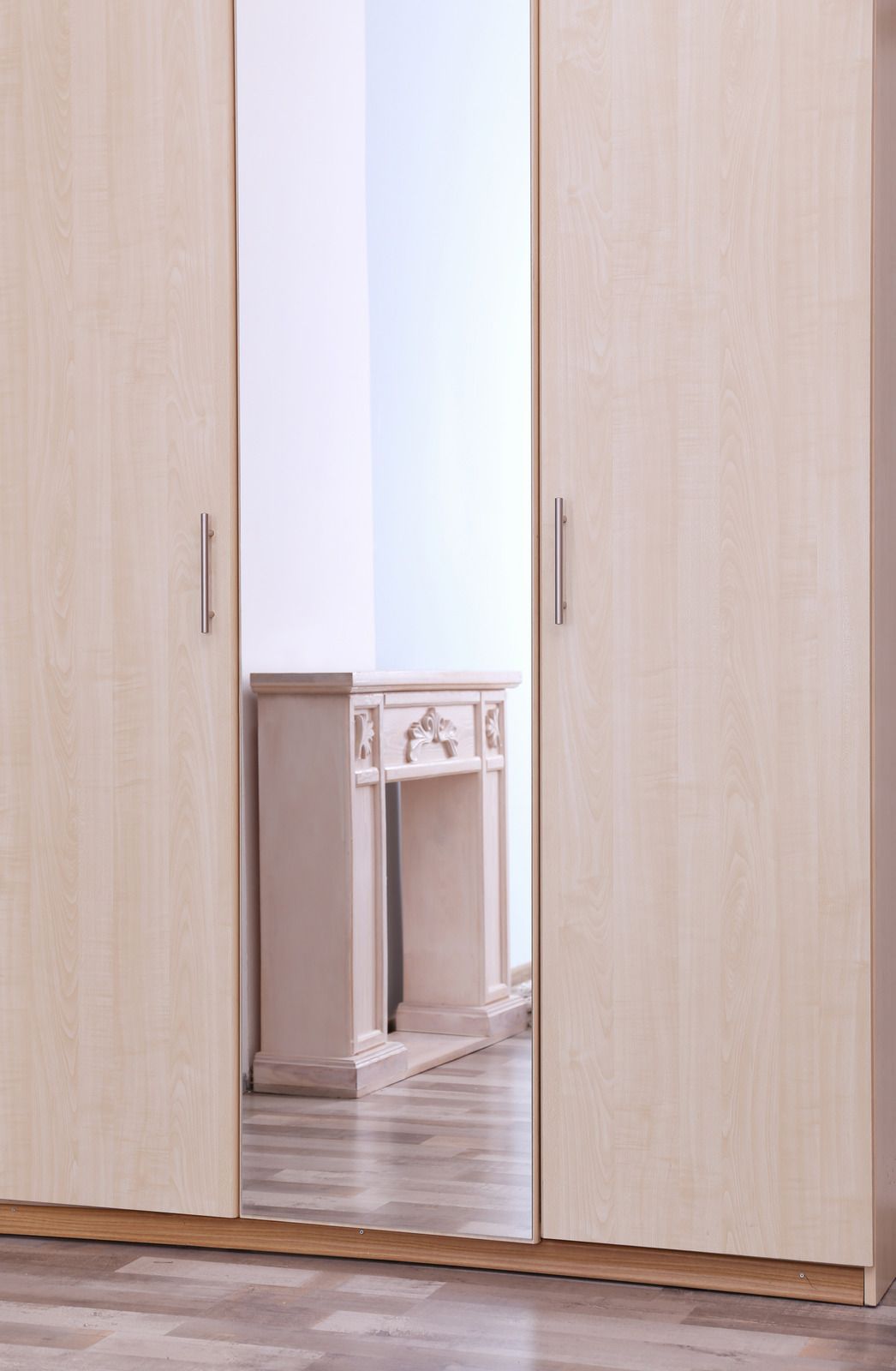
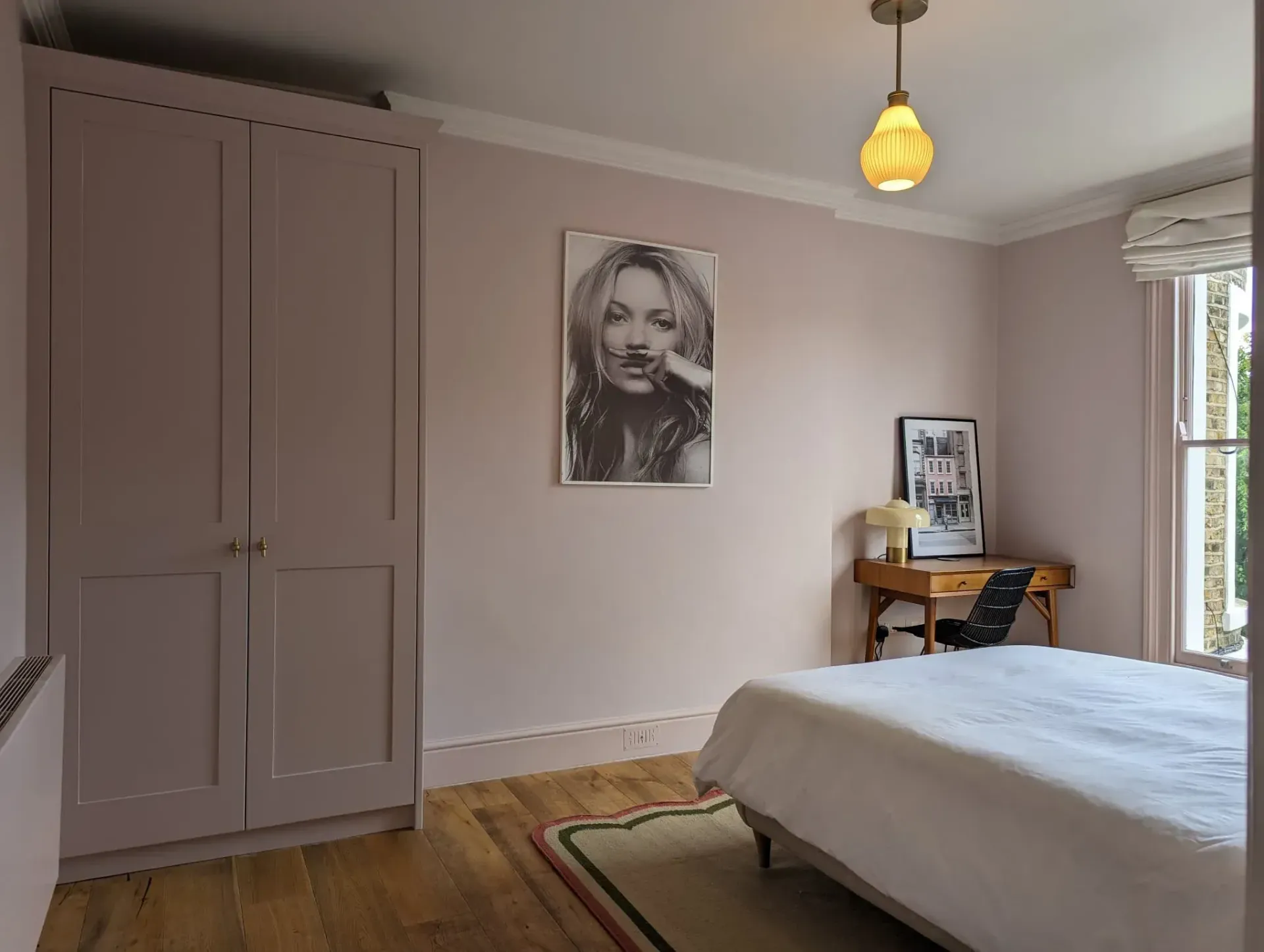
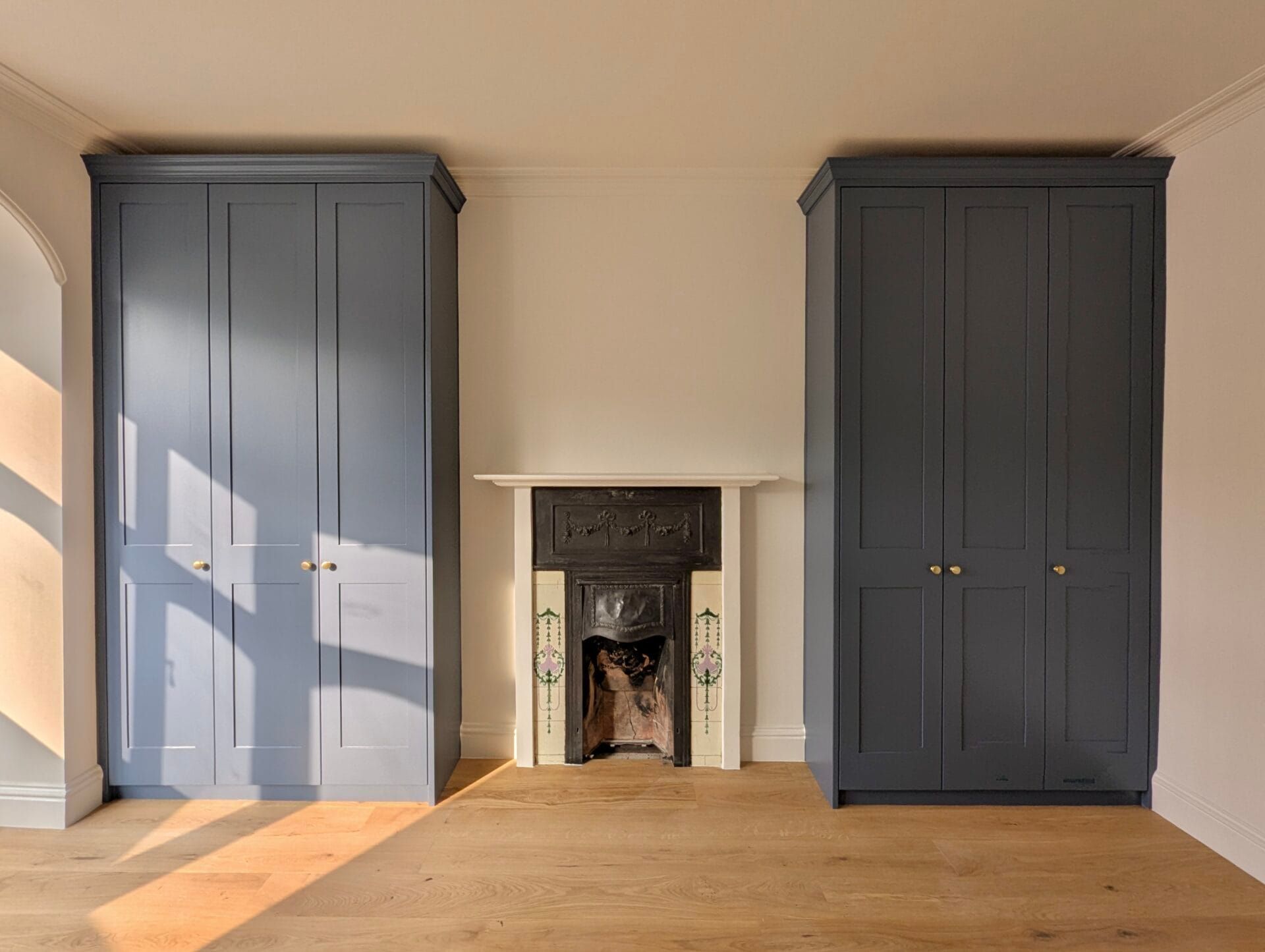
Neutral colours, matt finishes, and handle-less designs are popular choices for home offices, as they reduce visual distraction. Wood-effect finishes can add warmth, while painted finishes help wardrobes blend seamlessly with walls.


By keeping work-related items hidden when not in use, the space feels more balanced and less dominated by office furniture.

Adapting to Small or Awkward Spaces

Many home offices are located in rooms with challenging layouts—alcoves, sloped ceilings, or narrow proportions. Standard furniture rarely fits these spaces well, often leaving wasted areas or awkward gaps.


Bespoke wardrobes are designed to adapt to these challenges. Alcoves can be transformed into compact workstations, while sloped ceilings can accommodate shelving or storage that follows the roofline.


This adaptability ensures no space is wasted and the office feels integrated rather than squeezed into the room.

Supporting Work-Life Balance

One of the biggest challenges of working from home is switching off. When workspaces are visible at all times, it becomes harder to separate professional and personal life.


Bespoke wardrobes help create boundaries. When the working day ends, doors can be closed, visually removing the office from the room. This simple action reinforces mental separation and supports healthier routines.


In bedrooms especially, this separation is crucial for relaxation and sleep quality.

Flexibility for Changing Needs

Work requirements evolve over time. A home office may need to adapt to new equipment, different working hours, or changes in household use.


Bespoke wardrobes can be designed with flexibility in mind. Adjustable shelving, modular storage, and adaptable desk areas allow the workspace to change without requiring a full redesign.


This future-proofing ensures the home office remains functional and relevant for years to come.

Adding Long-Term Value to the Home

Well-designed home offices are increasingly attractive to buyers. In London’s competitive property market, integrated workspaces add both practicality and appeal.


Bespoke wardrobes that combine storage and office functionality enhance liveability without permanently sacrificing bedroom or living space. This dual-purpose design is seen as a premium feature, adding value beyond aesthetics.


Even if you’re not planning to sell, this investment improves daily living while protecting long-term property value.

Why Bespoke Design Makes the Difference

Off-the-shelf office furniture rarely integrates well into residential spaces. It often prioritises function over design, resulting in cluttered, disconnected rooms.


Bespoke wardrobes offer a tailored solution that balances productivity, storage, and aesthetics. Every element is designed to work together, from desk placement and storage layouts to lighting and finishes.


This level of customisation ensures the workspace supports your routine rather than working against it.

Conclusion

Bespoke wardrobes for home offices provide an intelligent solution for modern living. By combining tailored storage with integrated workspaces, they create productive environments that feel calm, organised, and visually refined.


Whether working full-time from home or needing a flexible workspace, bespoke design ensures your office fits seamlessly into your home without compromising comfort or style. From concealed desks and smart storage to thoughtful lighting and adaptable layouts, bespoke wardrobes transform how home offices function and feel.


At Humphries Cabinets, we specialise in designing bespoke wardrobes that integrate beautifully with home office spaces. With expert craftsmanship, intelligent planning, and premium finishes, we create tailored solutions that support productivity while enhancing the overall design and long-term value of your home.

Recent Posts

White paneled closet doors with brass knobs in a hallway
May 30, 2026
Security within a fitted wardrobe is one of those topics that rarely comes up in the design conversation but turns out to matter to a significant number of homeowners once they think about it.
Open kitchen drawer with utensils beside white cabinets and wooden floor
May 30, 2026
The open-plan kitchen-diner is the defining floor plan of modern London home renovation. Knock down the wall between the kitchen and the back reception room
White built-in mirrored wardrobe in a bright hallway with wood flooring and a white door
May 30, 2026
Bathroom storage in London homes is chronically underdesigned. Most bathrooms have a wall cabinet above the basin, a shelf inside the shower, and a towel rail
Cozy living room with two bookcases, fireplace, gray sofa, and bay window with red curtains
May 30, 2026
Fulham and the surrounding boroughs of Hammersmith, Kensington, Chelsea, and Wandsworth contain some of the highest concentrations of conservation areas in London.
White paneled built-in wall unit with shelves and window blinds in a bright room
May 30, 2026
Purpose-built flats — the kind built in London between the 1930s and the 1990s — are not designed with fitted furniture in mind.
White paneled closet doors with brass knobs in a hallway
May 30, 2026
Georgian and Regency properties are among the most architecturally specific homes you can commission fitted furniture for.
Built-in white closet with open shelves, hanging rods, and small wooden drawers in a bright room
May 30, 2026
Most people turn up to a design consultation having done very little preparation — and that’s fine. The designer’s job is to take accurate measurements, assess the space, and translate your storage needs into a workable design.
Minimalist bedroom with large dark wood built-in wardrobe and light gray walls
May 30, 2026
Most people commission fitted wardrobes at one of two moments: when they’ve lived in a home long enough to know exactly what the storage problems are, or when they’ve just moved in and want to get it right from the start.
Bright white walk-in closet with open shelves, hanging clothes, and a central drawer dresser
May 30, 2026
The design visit went well. You liked the designer, the drawings look right, and the quote has landed in your inbox. At this point, most people sign.
Bright white bedroom with built-in cabinets, a small shelf, and light wood flooring.
May 30, 2026
The design visit went well. You liked the designer, the drawings look right, and the quote has landed in your inbox. At this point, most people sign.
Show More