Bespoke Wardrobes for Loft Conversions: Maximising Sloped Ceilings & Awkward Spaces

Nitin Abhi • April 1, 2026

Share this article

Loft conversions are one of the most effective ways to add usable space and value to a London home. Whether transforming an unused attic into a bedroom, home office, or dressing area, lofts offer incredible potential. However, they also present unique design challenges—particularly when it comes to storage.


Sloped ceilings, angled walls, and restricted head height make standard furniture impractical in most loft spaces. Freestanding wardrobes often leave large areas unused, resulting in wasted space and inefficient layouts.


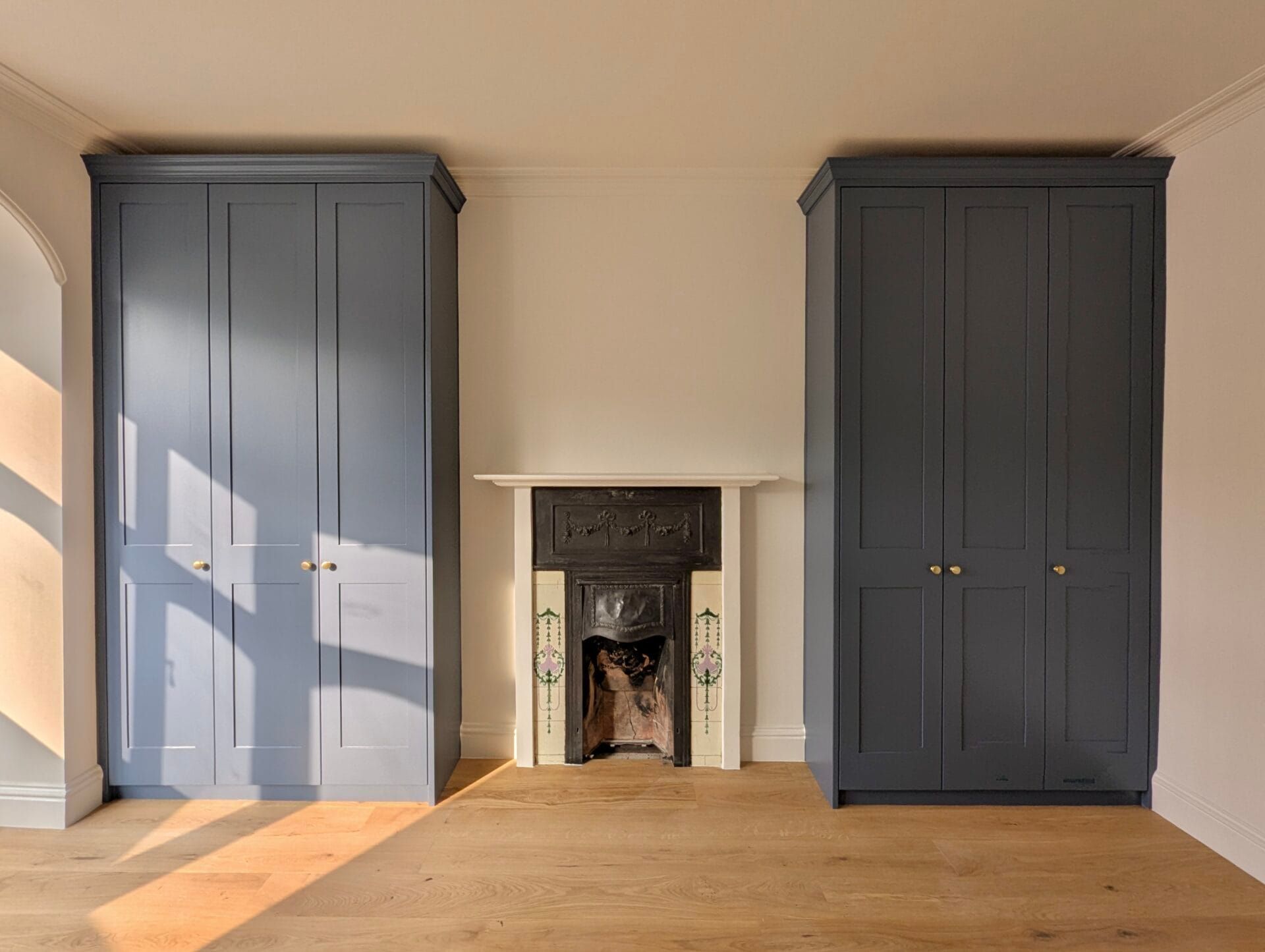
This is where bespoke wardrobes become essential. Designed specifically for the contours of your loft, custom cabinetry transforms awkward spaces into highly functional, beautifully integrated storage solutions.


This guide explores how bespoke wardrobes can maximise loft conversions, ensuring every inch of space is used effectively without compromising on style.

Understanding the Challenges of Loft Spaces

Unlike standard rooms, loft conversions rarely have straight walls and uniform ceiling heights.


Common challenges include:

  • Sloping ceilings that limit vertical storage.
  • Eaves with restricted access.
  • Uneven walls and structural beams.
  • Narrow or irregular floor plans.


These features make it difficult to use traditional furniture effectively. Gaps, wasted corners, and inaccessible areas are common issues when using off-the-shelf wardrobes.


Bespoke wardrobes are designed to work with these constraints rather than against them.

Making Use of Eaves Storage

The eaves—the low-height areas beneath sloping roofs—are often underutilised in loft conversions.


While these spaces may not be suitable for standing storage, they are ideal for:

  • Folded clothing.
  • Shoes and accessories.
  • Seasonal items.
  • Hidden compartments.


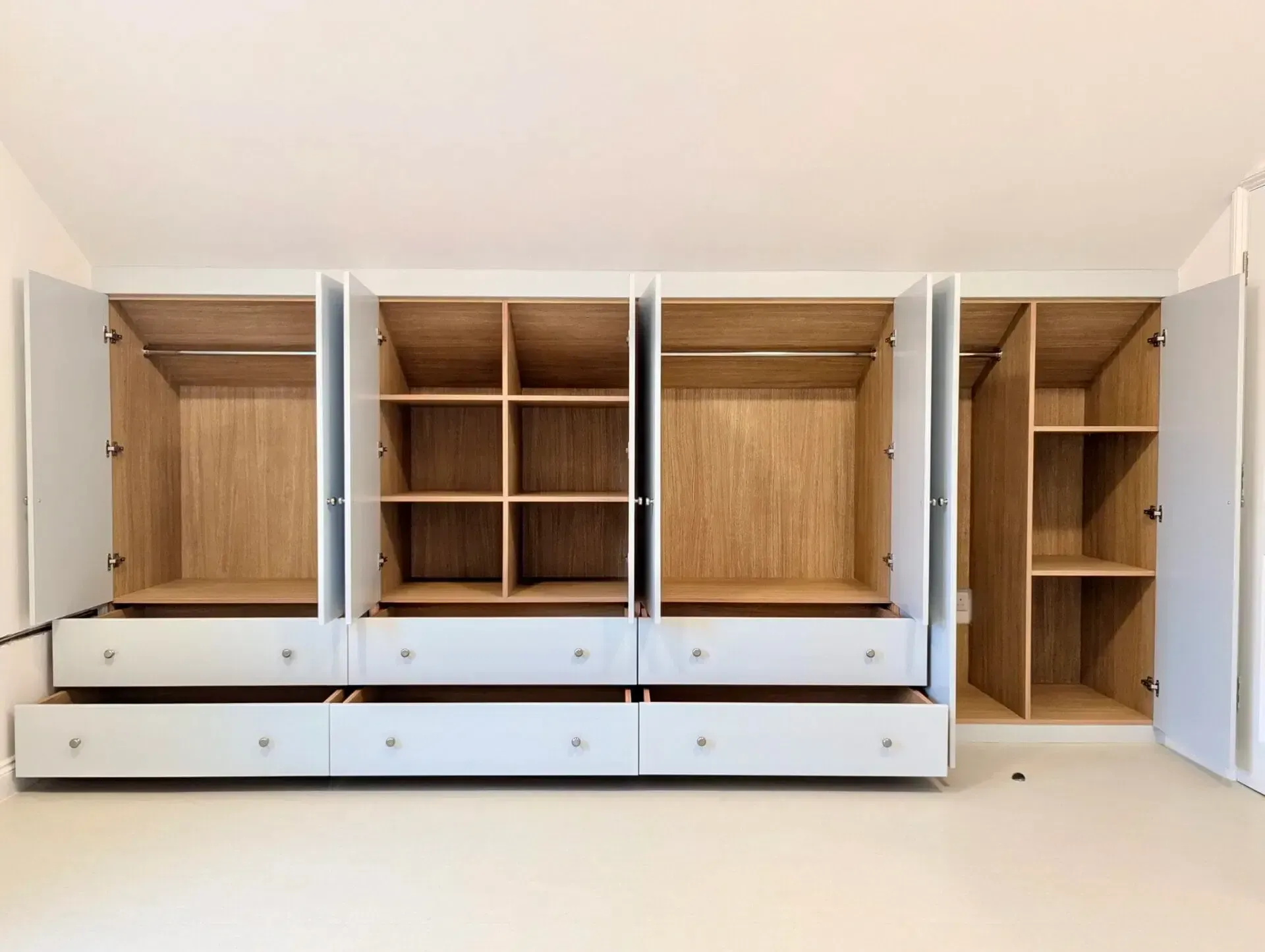
Custom-built wardrobes can be designed to extend into the eaves, incorporating:

  • Pull-out drawers.
  • Hinged or lift-up doors.
  • Sliding panels.


This approach ensures that even the lowest parts of the room contribute to overall storage capacity.

Floor-to-Ceiling Solutions for Maximum Efficiency

In areas where ceiling height allows, floor-to-ceiling wardrobes provide optimal storage.


These designs:

  • Eliminate unused vertical space.
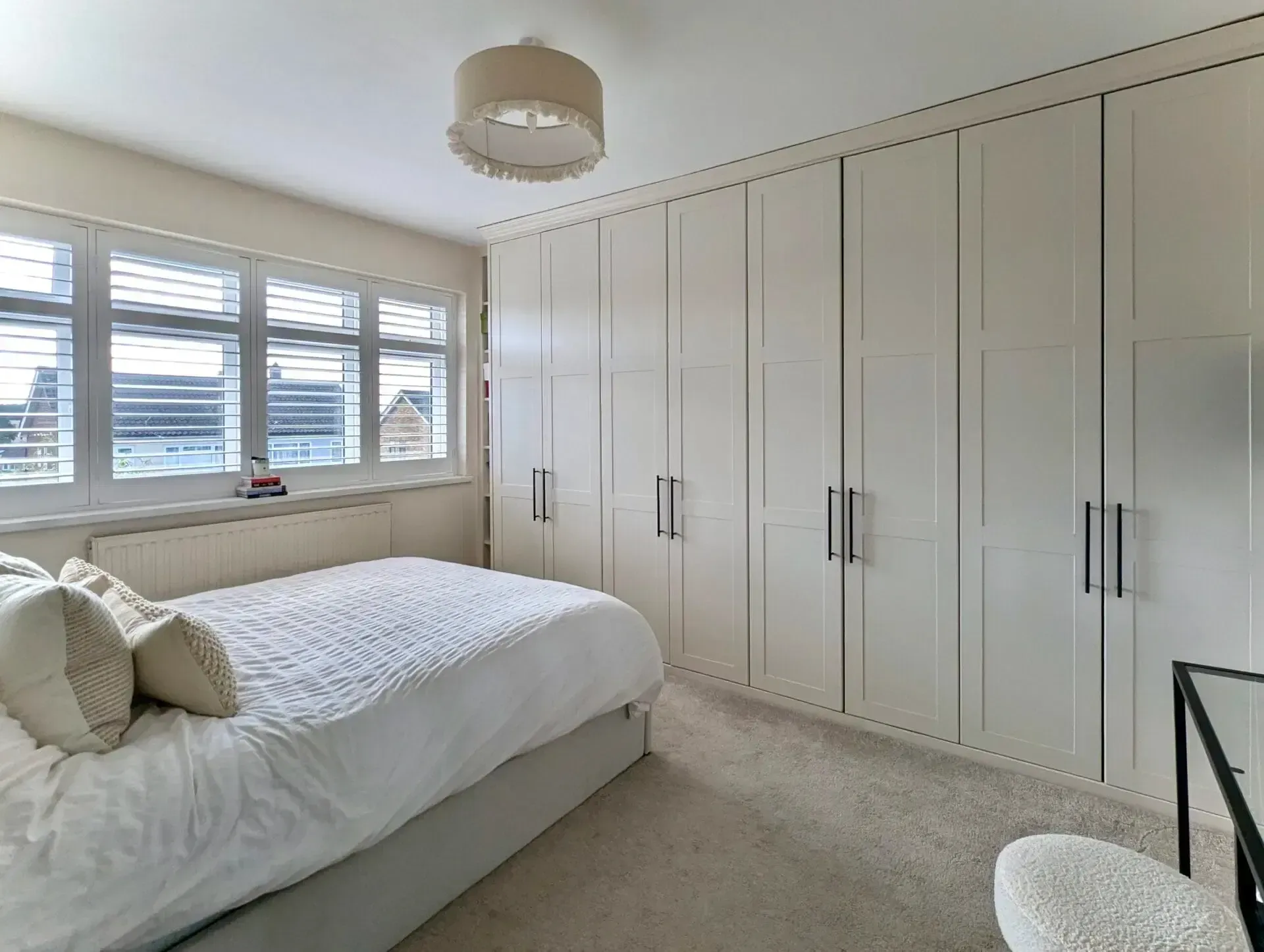
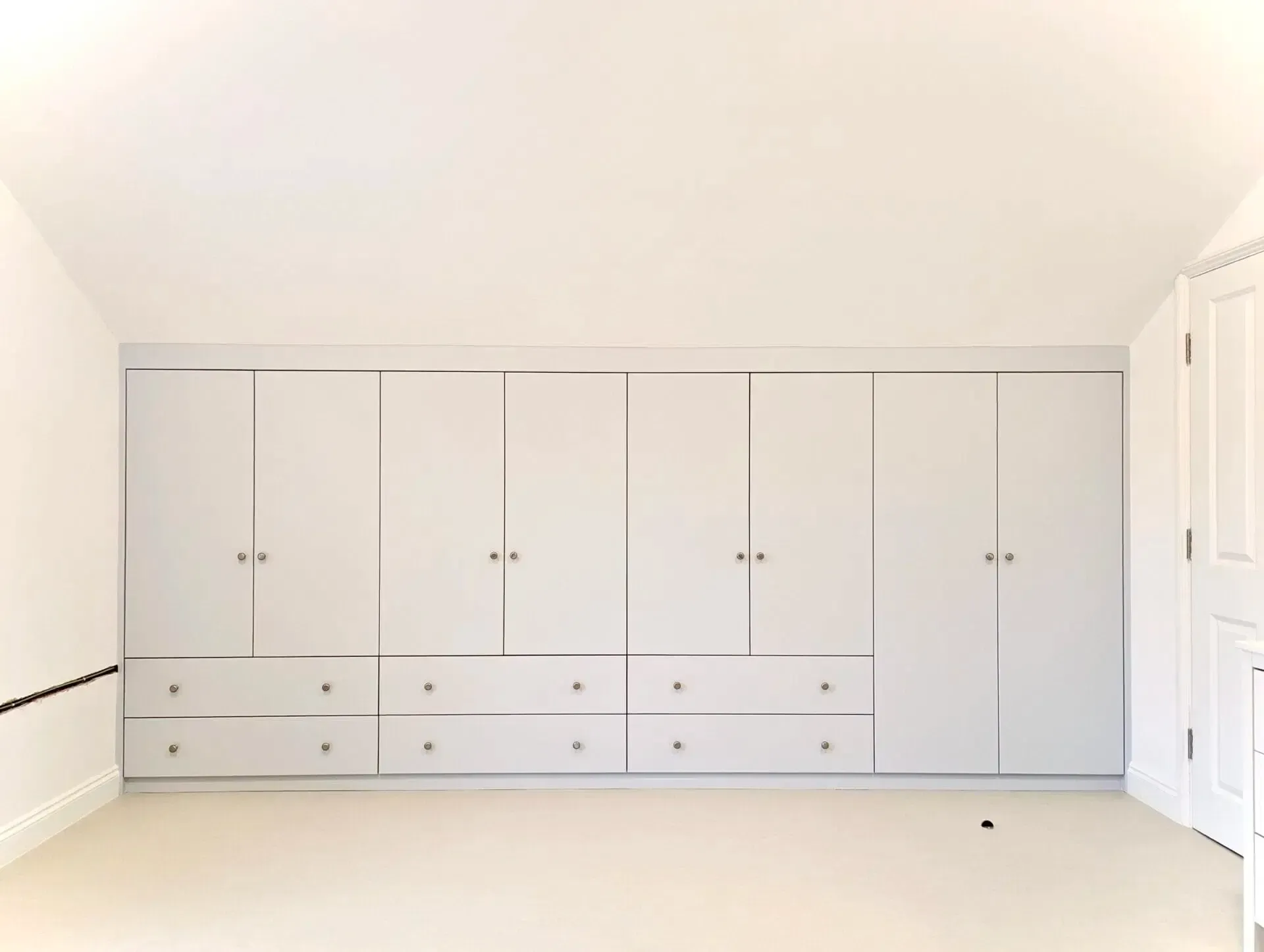
  • Create a clean, built-in appearance.
  • Offer a combination of hanging, shelving, and concealed storage.


By integrating wardrobes seamlessly into the architecture of the loft, the room feels more cohesive and spacious.

Tailoring Storage to Sloped Ceilings

One of the key advantages of bespoke wardrobes is their ability to follow the exact angle of the ceiling.


Instead of leaving awkward gaps, cabinetry can be shaped to:

  • Match roof slopes precisely.
  • Integrate around beams and structural elements.
  • Maintain a streamlined, fitted look.


This level of precision ensures no space is wasted, even in the most challenging layouts.

Sliding Doors for Restricted Spaces

In loft conversions, space is often limited, making door functionality an important consideration.


Sliding doors are particularly effective because they:

  • Do not require clearance to open.
  • Work well in narrow walkways.
  • Provide a modern, streamlined appearance.


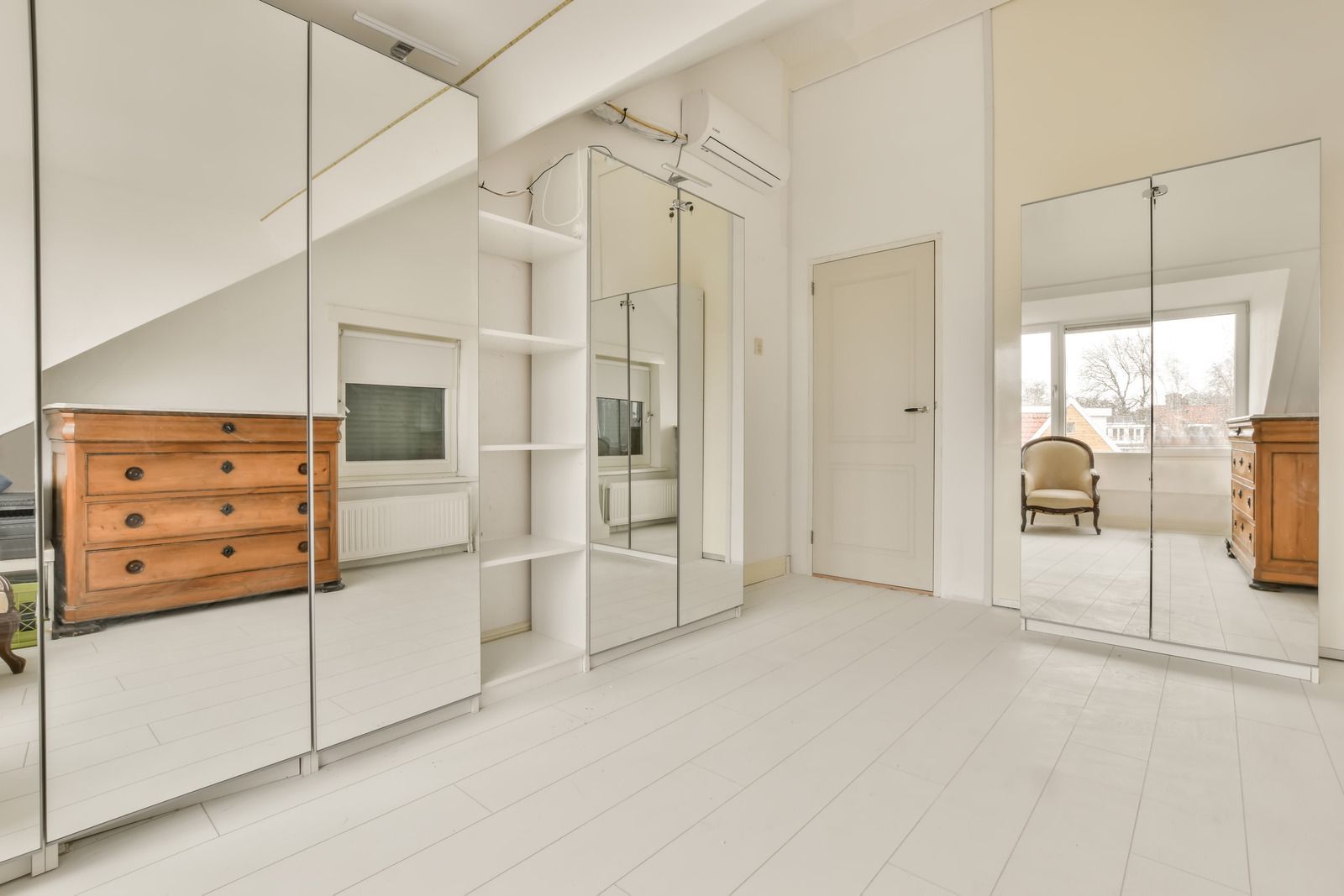
They can also be fitted with mirrored panels, helping to reflect light and make the room feel larger.


For areas with slightly more space, hinged doors can be used strategically, particularly in sections with full ceiling height.

Built-In Drawers and Compartments

Loft wardrobes benefit greatly from internal organisation.


Custom interiors can include:

  • Deep drawers within low-height areas.
  • Pull-out trays for easy access.
  • Adjustable shelving for flexibility.
  • Dedicated sections for shoes or accessories.


By tailoring the internal layout to suit your needs, storage becomes more efficient and easier to maintain.

Creating a Dressing Area in the Loft

For larger loft conversions, bespoke wardrobes can form part of a dedicated dressing space.


This might include:

  • Open shelving for display.
  • Integrated mirrors.
  • Seating areas.
  • Soft lighting.


A well-designed dressing area adds a sense of luxury while maintaining practicality.

Lighting Solutions for Loft Wardrobes

Lighting is particularly important in loft spaces, where natural light may be limited.


Bespoke wardrobes can incorporate:

  • LED strip lighting within shelving.
  • Motion-sensor lights inside cupboards.
  • Soft ambient lighting around wardrobe frames.


These features improve visibility and enhance the overall atmosphere of the space.

Material and Finish Considerations

Choosing the right materials and finishes is essential for maintaining a cohesive design.


Popular choices for loft wardrobes include:

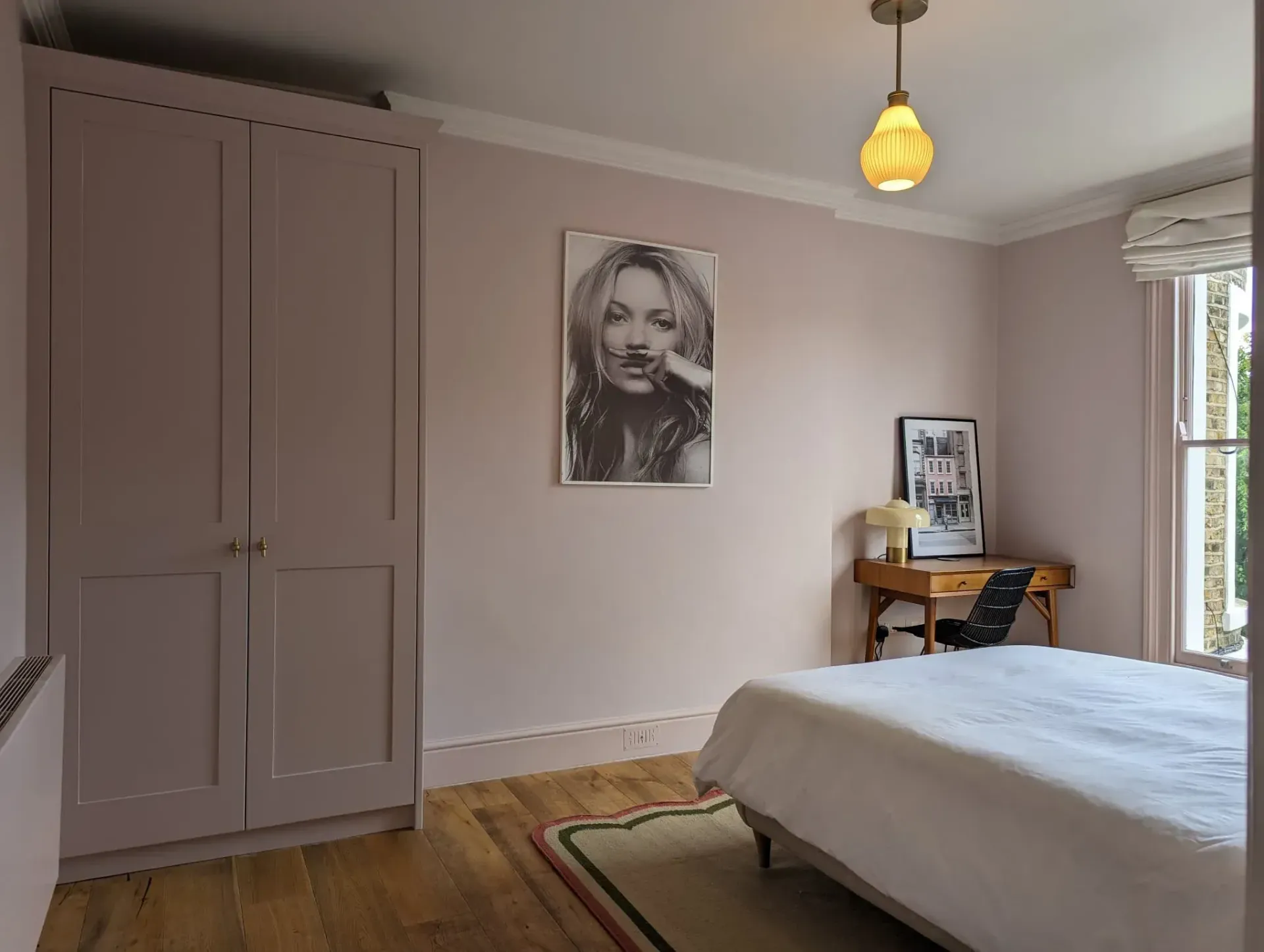
  • Light, neutral tones to enhance brightness.
  • Matte finishes for a modern look.
  • Wood veneers for warmth and character.
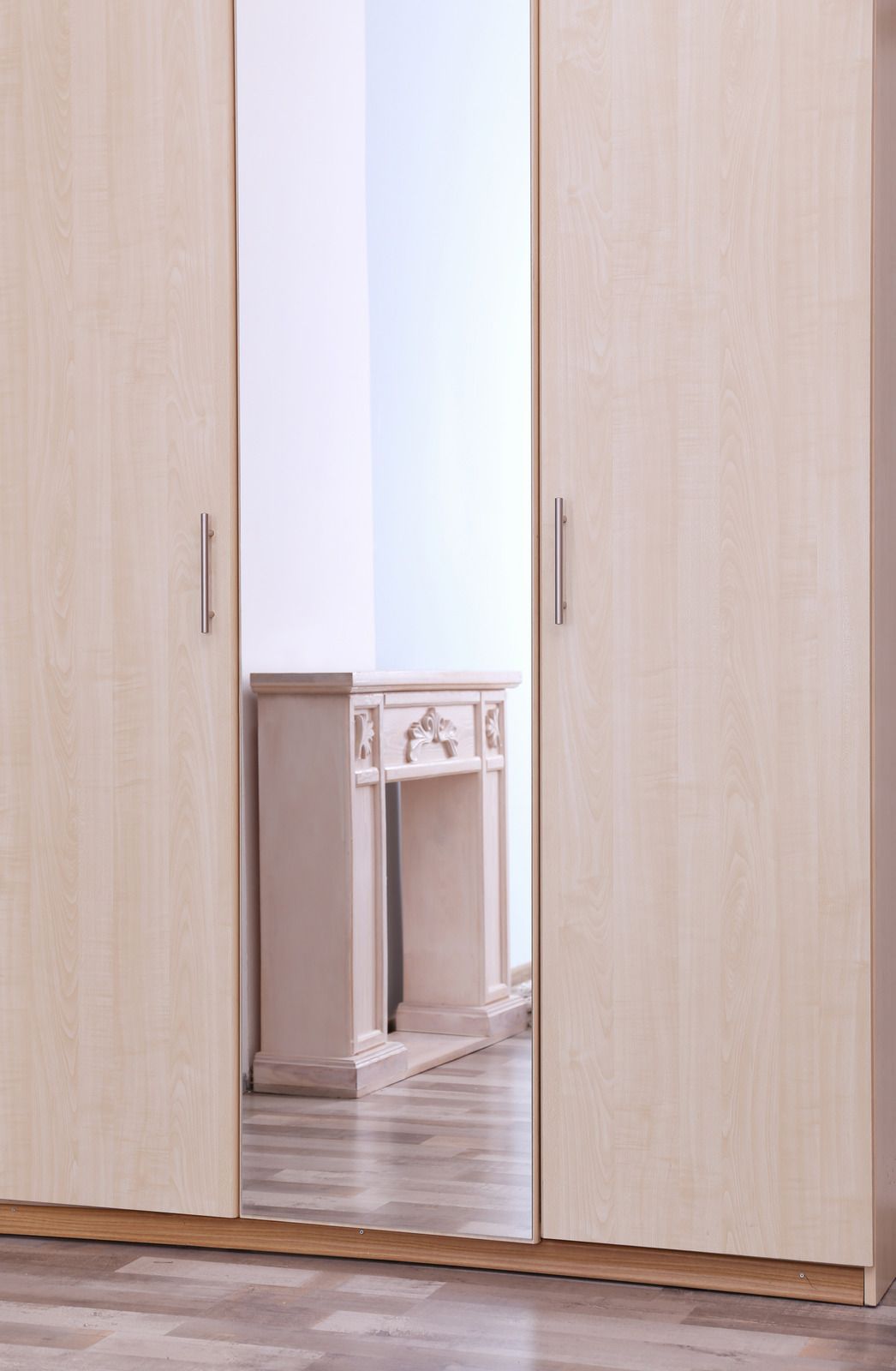
  • Mirrored panels to reflect light.


In smaller lofts, lighter finishes help create a sense of openness, while darker tones can add depth in larger spaces.

Maximising Storage Without Overcrowding

While it may be tempting to maximise every inch of storage, balance is key.


Overfilling a loft with cabinetry can make the space feel cramped.


Effective design focuses on:

  • Strategic placement of wardrobes.
  • Maintaining clear walkways.
  • Combining open and closed storage.


This ensures the room remains functional, comfortable, and visually appealing.

Integrating Wardrobes into Multi-Functional Spaces

Loft conversions are often used for multiple purposes, such as guest bedrooms or home offices.


Bespoke wardrobes can be designed to accommodate this flexibility by:

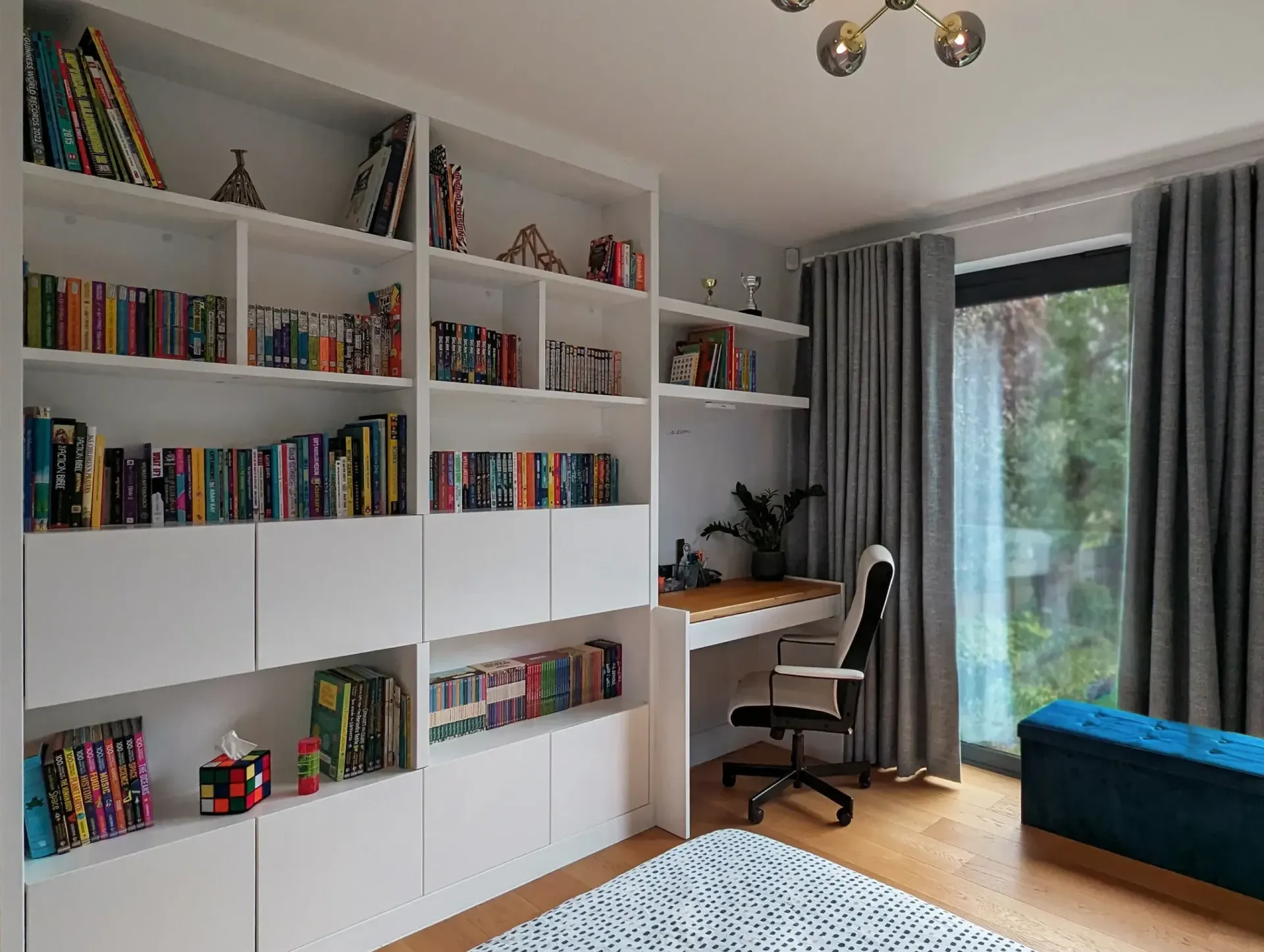
  • Combining storage with desk areas.
  • Integrating shelving for books or décor.
  • Including fold-away features.


This multi-functional approach maximises usability without compromising on design.

Overcoming Structural Limitations

Every loft conversion is unique, and structural elements must be carefully considered.


Custom wardrobes can be designed to work around:

  • Support beams.
  • Chimney breasts.
  • Irregular wall shapes.


Rather than viewing these as obstacles, bespoke design incorporates them seamlessly into the overall layout.

Enhancing Property Value

A well-designed loft conversion already adds significant value to a property. Incorporating bespoke wardrobes further enhances this appeal.


Buyers are drawn to:

  • Efficient use of space.
  • Built-in storage solutions.
  • Thoughtfully designed interiors.


In London’s property market, these features can make a home stand out.

Future-Proofing Your Loft Storage

As with any bespoke solution, it is important to plan for the future.


Consider:

  • Adjustable shelving for changing needs.
  • Flexible storage configurations.
  • Durable materials that will stand the test of time.


A well-designed wardrobe should remain functional for years to come.

Maintaining a Clean and Cohesive Look

One of the greatest benefits of bespoke wardrobes is their ability to create a seamless finish.


By integrating storage into the architecture of the loft:

  • Clutter is reduced.
  • The room feels more organised.
  • The overall design appears more refined.


This is particularly important in smaller spaces, where visual simplicity enhances comfort.

Conclusion

Loft conversions offer valuable additional space in London homes, but their unique layouts require thoughtful design—especially when it comes to storage.


Bespoke wardrobes provide the ideal solution, transforming sloped ceilings, awkward corners, and low eaves into functional, stylish storage areas. By tailoring every element to the space, custom cabinetry ensures no area is wasted while maintaining a clean and cohesive aesthetic.


From sliding doors and integrated lighting to eaves storage and multi-functional designs, bespoke wardrobes unlock the full potential of loft spaces.


At Humphries Cabinets, we specialise in creating tailored wardrobe solutions for loft conversions across London. With expert craftsmanship and a deep understanding of complex spaces, we design cabinetry that maximises storage while enhancing the beauty and usability of your home.

Recent Posts

Bright hallway with mirrored wall panels, beige walls, and two blue ottomans.
April 30, 2026
There's a tier of fitted furniture beyond even a full wall of wardrobes: the dressing room. An entire room — or a generous walk-in extension of a bedroom — given over to clothes, shoes, accessories, and the routines of getting dressed.
Bright walk-in closet with white shelving, hanging clothes, drawers, and light wood floors.
April 30, 2026
Most buyers don't think about install day until it's two days away. Up to that point, the focus has been on the design — measurements, finishes, interior layouts, the 3D drawings, and the paint colour.
White paneled wall cabinets with open shelves on both sides in a bright room
April 30, 2026
Somewhere in most fitted wardrobe projects sits a decision the buyer doesn't always realise they're making. The fitted wardrobe market has two broad supplier types — large national brands operating at scale, and independent bespoke makers building one project at a time
April 30, 2026
With that caveat settled, this guide walks through what most London homeowners actually need to know. London has one of the highest concentrations of listed buildings and conservation areas in the UK
Bright attic room with skylight, white built-in cabinets, radiator, and potted palm on carpeted floor
April 30, 2026
Bespoke fitted furniture is built to outlast several sofas, several cars and at least one round of redecoration. The work is hand-built, properly finished, and comes with a 15-year guarantee on the carpentry
Gray built-in wardrobe with brass handles in a bedroom, beside a window with dark curtains
April 30, 2026
The short answer is yes — with meaningful caveats. The longer answer is the one you actually need if you're spending real money before a sale.
White paneled closet doors with brass knobs in a bright hallway
April 30, 2026
You've got two quotes sitting in your inbox. Both are for fitted wardrobes in the same bedroom, both describe roughly the same layout, and one is significantly cheaper than the other.
April 30, 2026
In many London homes—particularly terraces, townhouses, and period properties—the space beneath the stairs is often overlooked. This awkward, sloping area can easily become a dumping ground for miscellaneous items or remain completely unused. However, with thoughtful design and bespoke cabinetry, under-stairs spaces can be transformed into highly functional and visually appealing storage solutions. In a city where every square metre matters, making use of this “hidden” space can significantly improve organisation and efficiency within the home. This guide explores how bespoke cabinets can unlock the full potential of under-stairs areas, turning them into practical storage that integrates seamlessly with your interior. 
Bright bedroom with white built-in wardrobes, bed, window blinds, and beige carpet
April 30, 2026
London is a city of leaseholders and long-term tenants. A large share of its housing stock is flats, a large share of those flats are leasehold, and a large share of tenancies in prime boroughs run for years rather than months.
Bright empty bedroom with bay window, white radiator, and built-in pale green wardrobes
April 30, 2026
Most people who visit the Humphries Cabinets website and hover over the "Book a Free Design Visit" button don't click it. Not because they're not interested
Show More