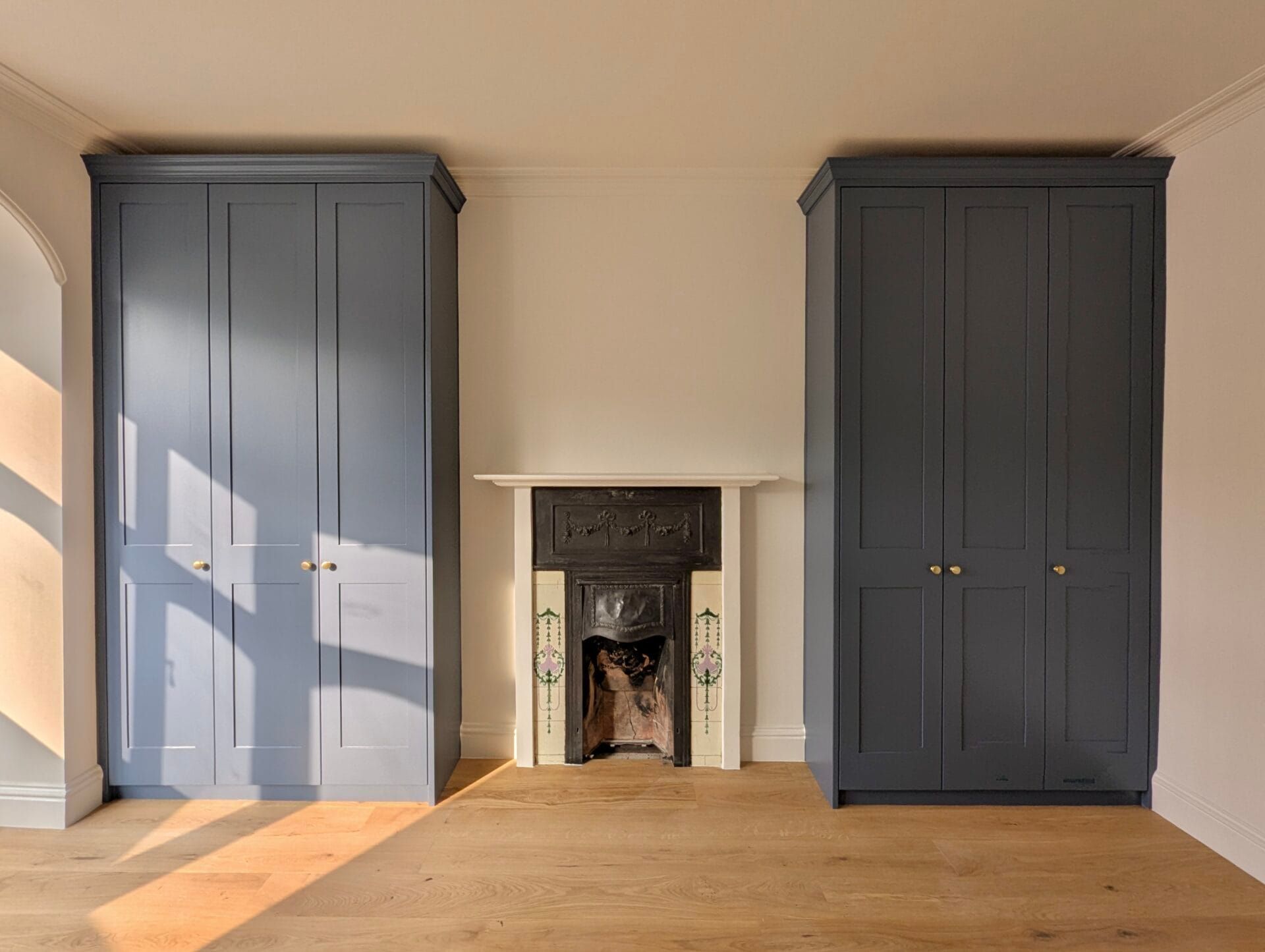
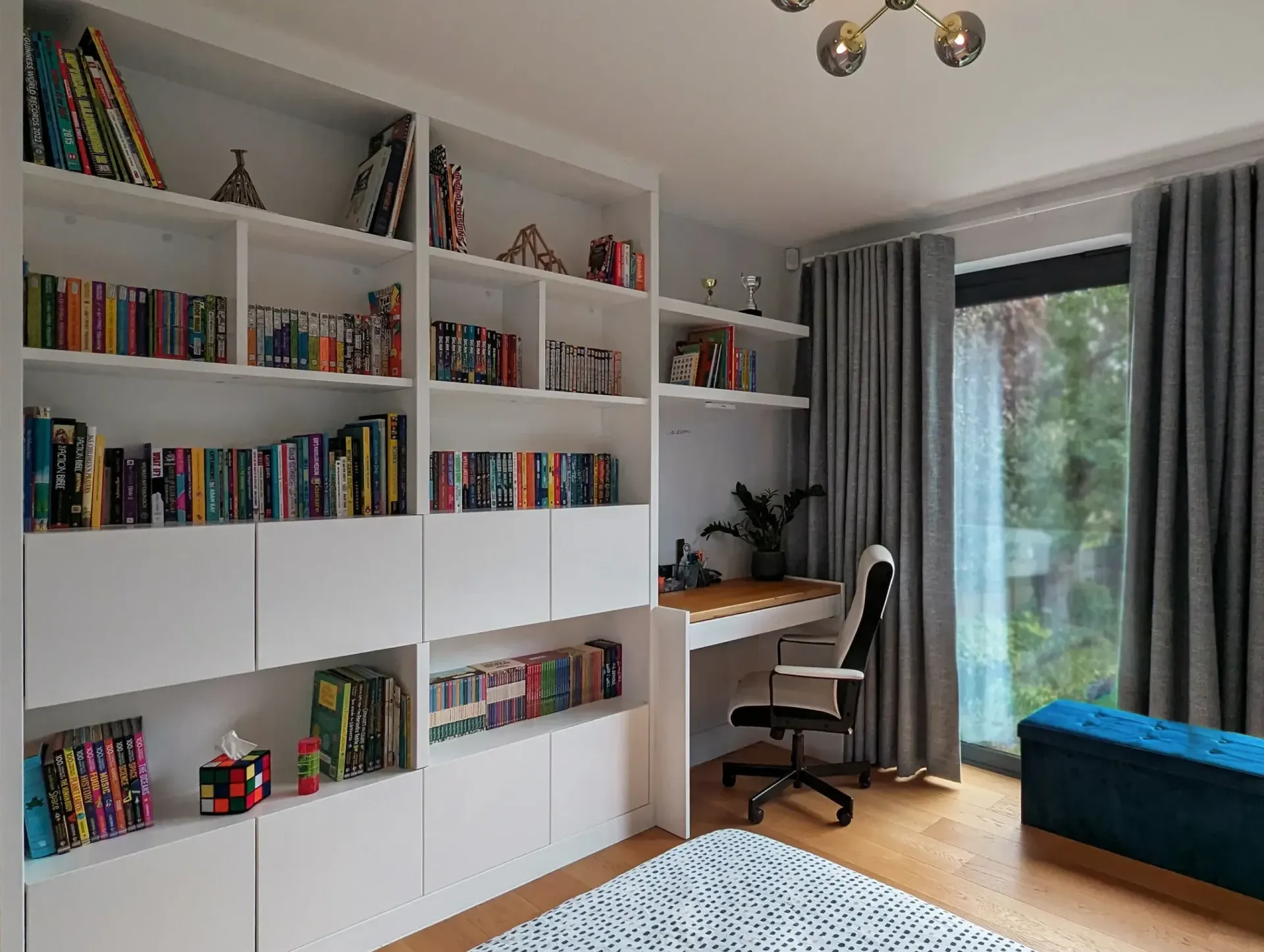
How Much Do Bespoke Fitted Wardrobes Cost in London? (2026 Guide)

Nitin Abhi • April 1, 2026

Share this article

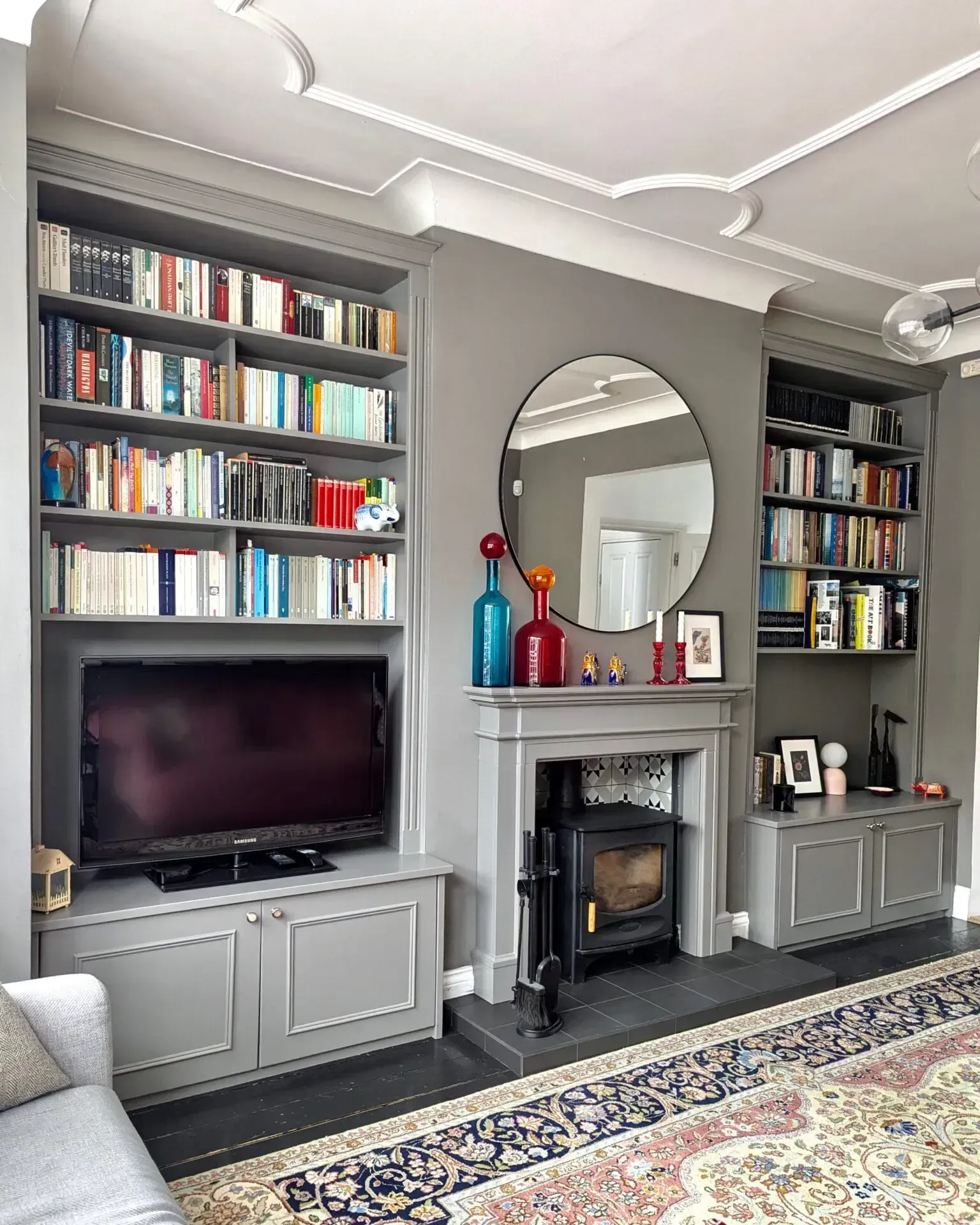
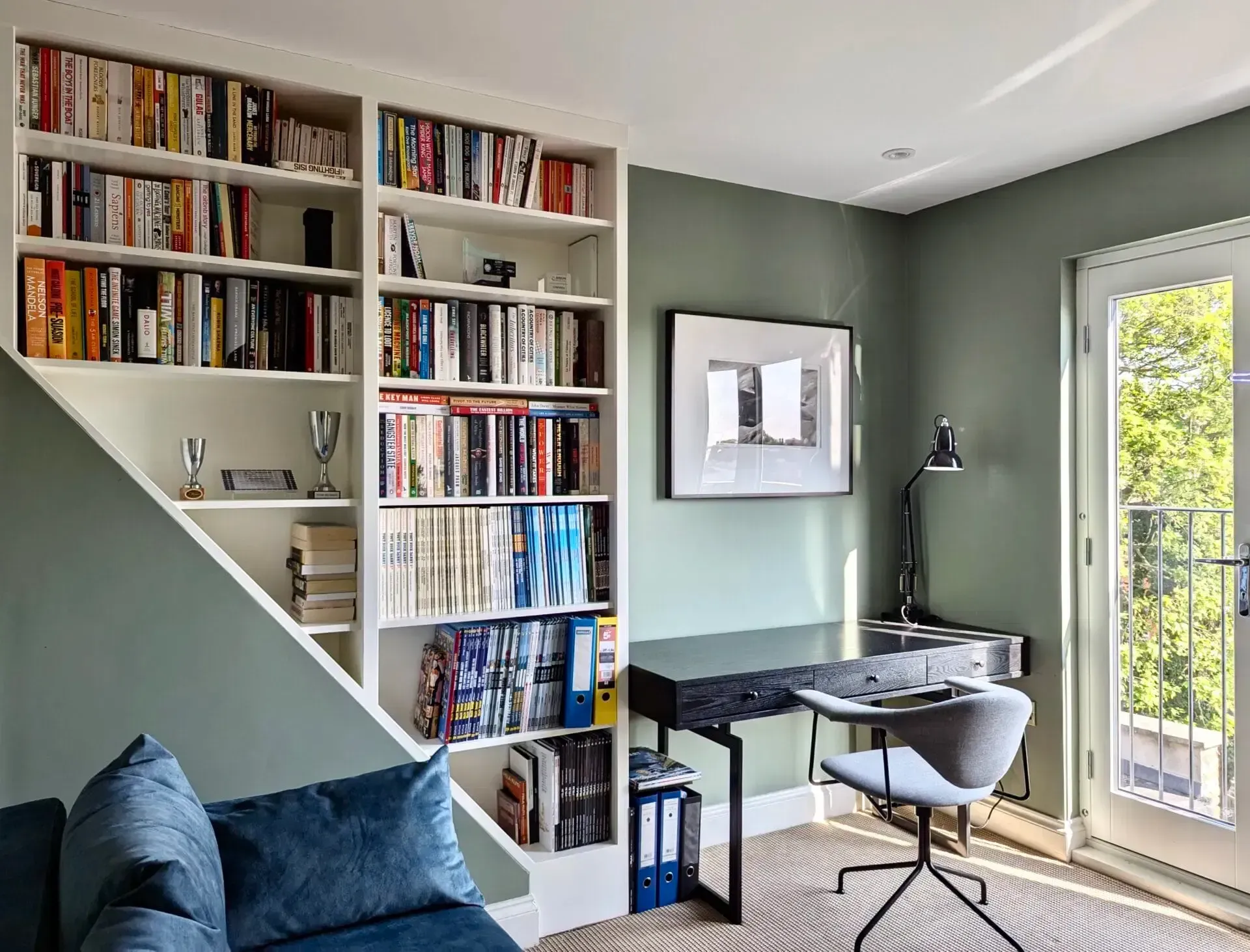
Bespoke fitted wardrobes have become an increasingly popular choice for homeowners across London. In a city where space is often limited and property prices are high, making the most of every square metre is essential. Unlike freestanding furniture, bespoke wardrobes are designed specifically for your space—maximising storage, improving aesthetics, and adding long-term value to your home.


However, one of the most common questions homeowners ask before starting a project is: how much do bespoke fitted wardrobes actually cost in London?


The answer depends on several factors, including size, materials, design complexity, and installation requirements. This guide breaks down the key cost considerations, helping you understand what to expect and how to plan your investment effectively.

Understanding Bespoke Wardrobe Pricing

Unlike mass-produced furniture, bespoke wardrobes are tailored to individual requirements. This means there is no fixed price—costs vary depending on the level of customisation and craftsmanship involved.


In London, bespoke fitted wardrobes typically range from:

  • £2,000 – £4,000 for smaller, straightforward designs.
  • £4,000 – £8,000 for mid-range wardrobes with custom interiors.
  • £8,000 – £15,000+ for high-end, fully bespoke installations.


While this may seem like a significant investment, it reflects the precision design, premium materials, and long-term durability associated with bespoke cabinetry.

Key Factors That Influence Cost

Size and Scale of the Wardrobe

The most significant factor affecting cost is the size of the wardrobe.


Larger wardrobes require:

  • More materials.
  • Additional labour.
  • More complex installation.


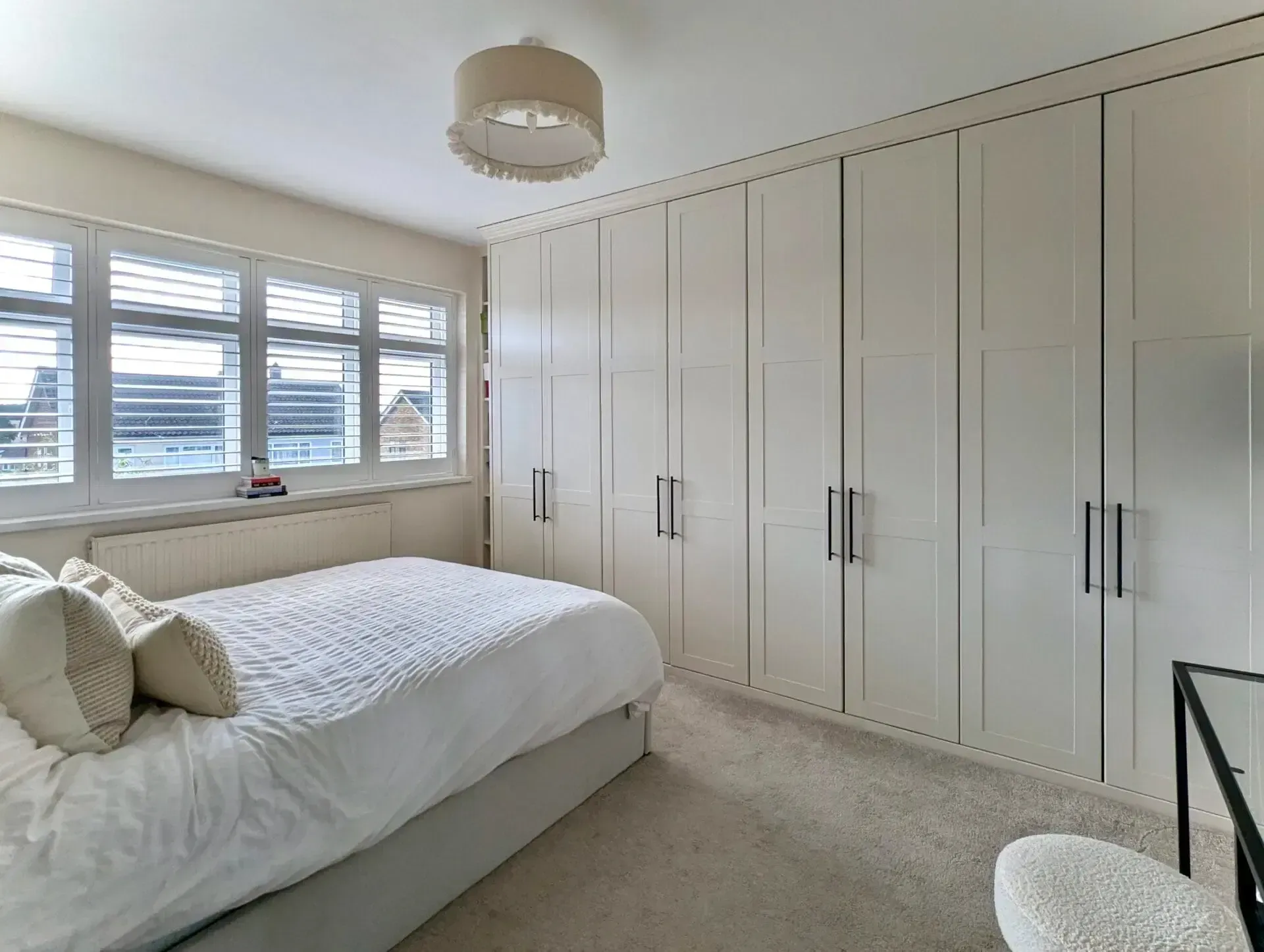
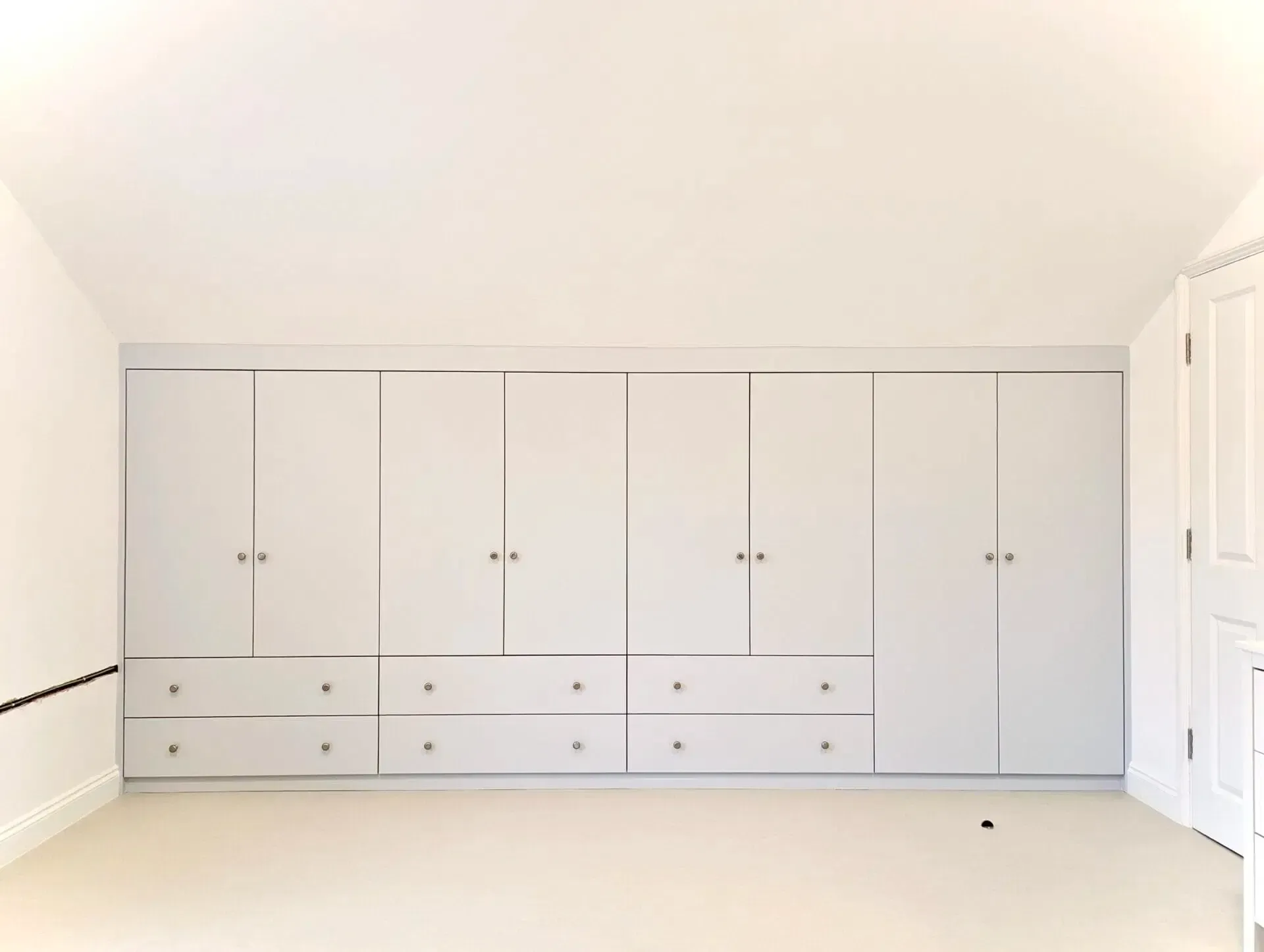
Floor-to-ceiling designs and wall-to-wall units will naturally cost more than smaller, standalone sections. However, they also provide far greater storage capacity and efficiency.


Design Complexity

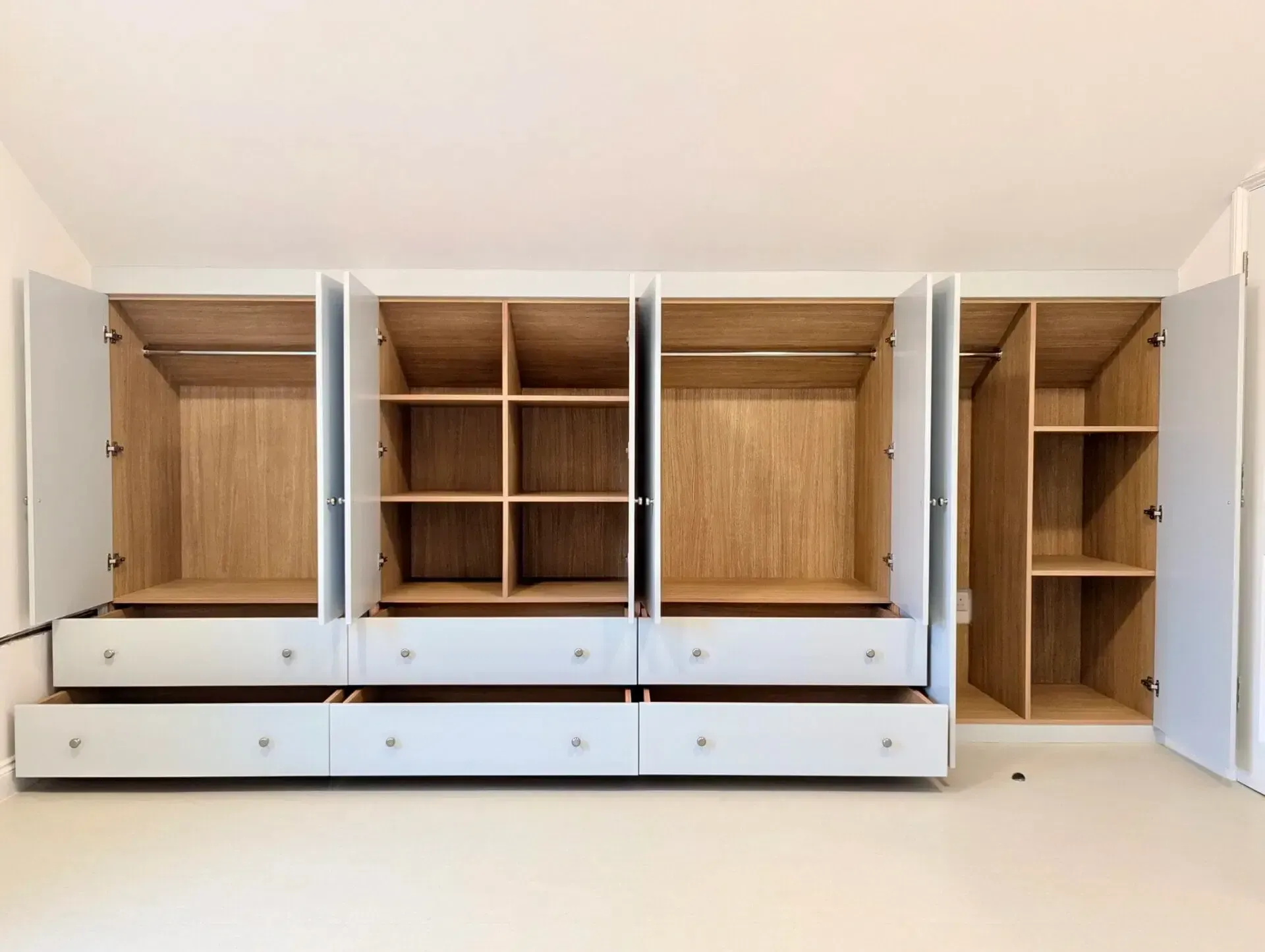
A simple wardrobe with basic shelving and hanging rails will be more affordable than one with intricate internal configurations.


Costs increase with features such as:

  • Multiple compartments and zones.
  • Pull-out drawers and trays.
  • Integrated dressing areas.
  • Custom shelving layouts.


Highly detailed designs require more time in both planning and construction, contributing to higher overall costs.


Materials and Finishes

Material selection plays a major role in determining price.


Common options include:

  • MDF with painted finishes – cost-effective and versatile.
  • Wood veneers – offer a natural, premium appearance.
  • Solid wood elements – higher cost but exceptional durability.
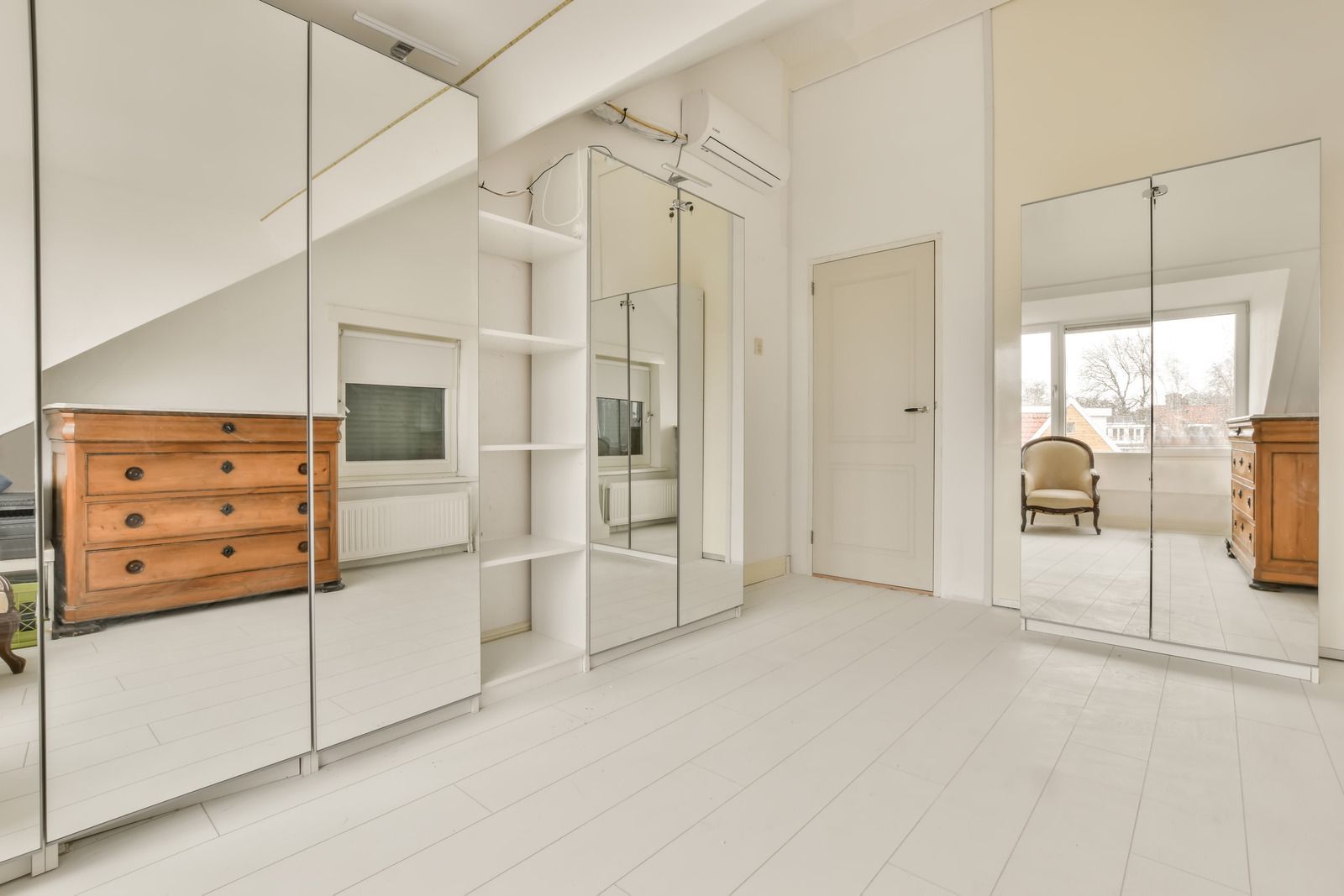
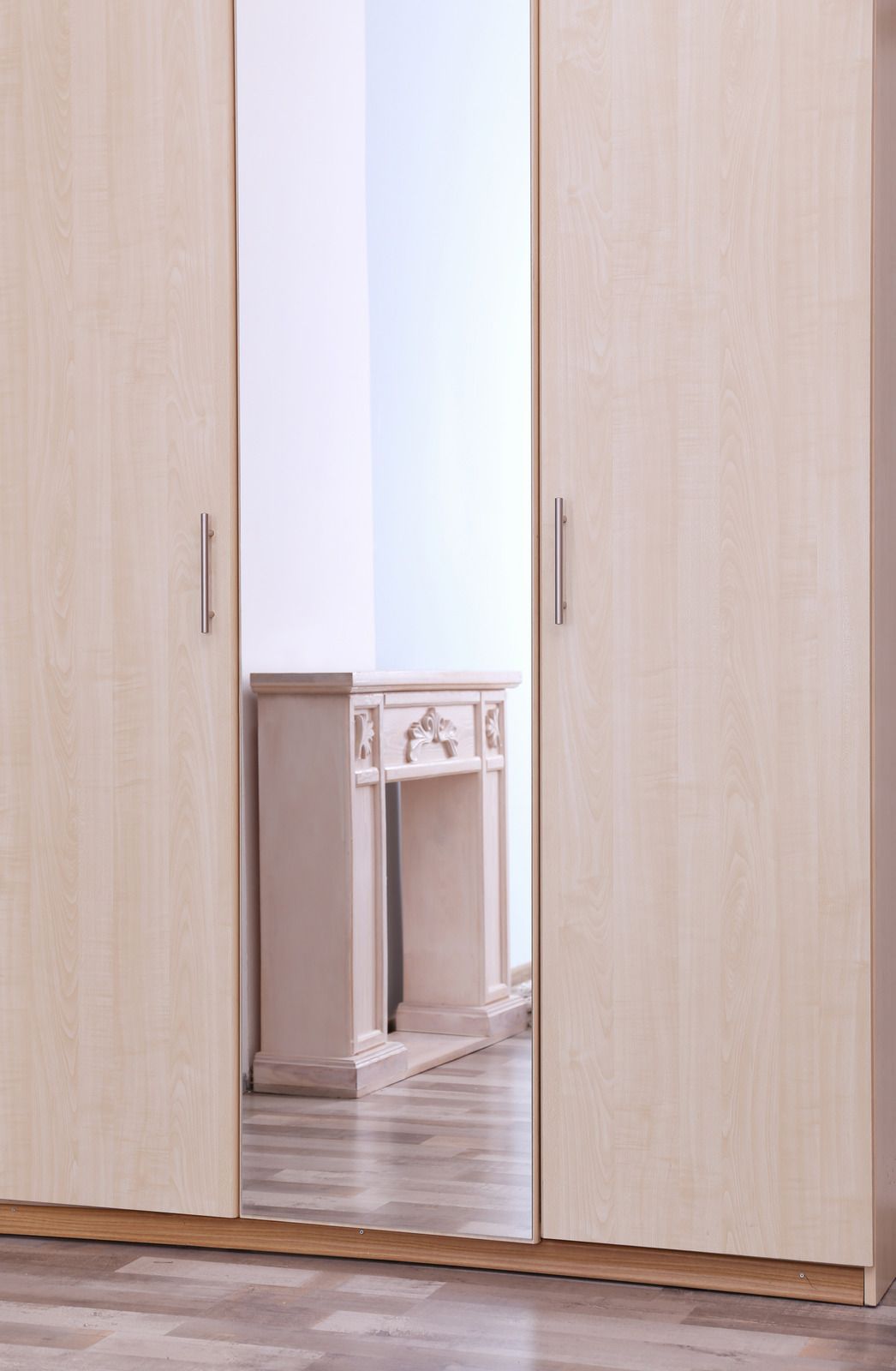
  • Glass or mirrored panels – add elegance and functionality.


High-quality finishes not only enhance the visual appeal but also improve longevity, making them a worthwhile investment.


Door Style and Mechanisms

The type of wardrobe doors you choose can significantly impact the price.


Options include:

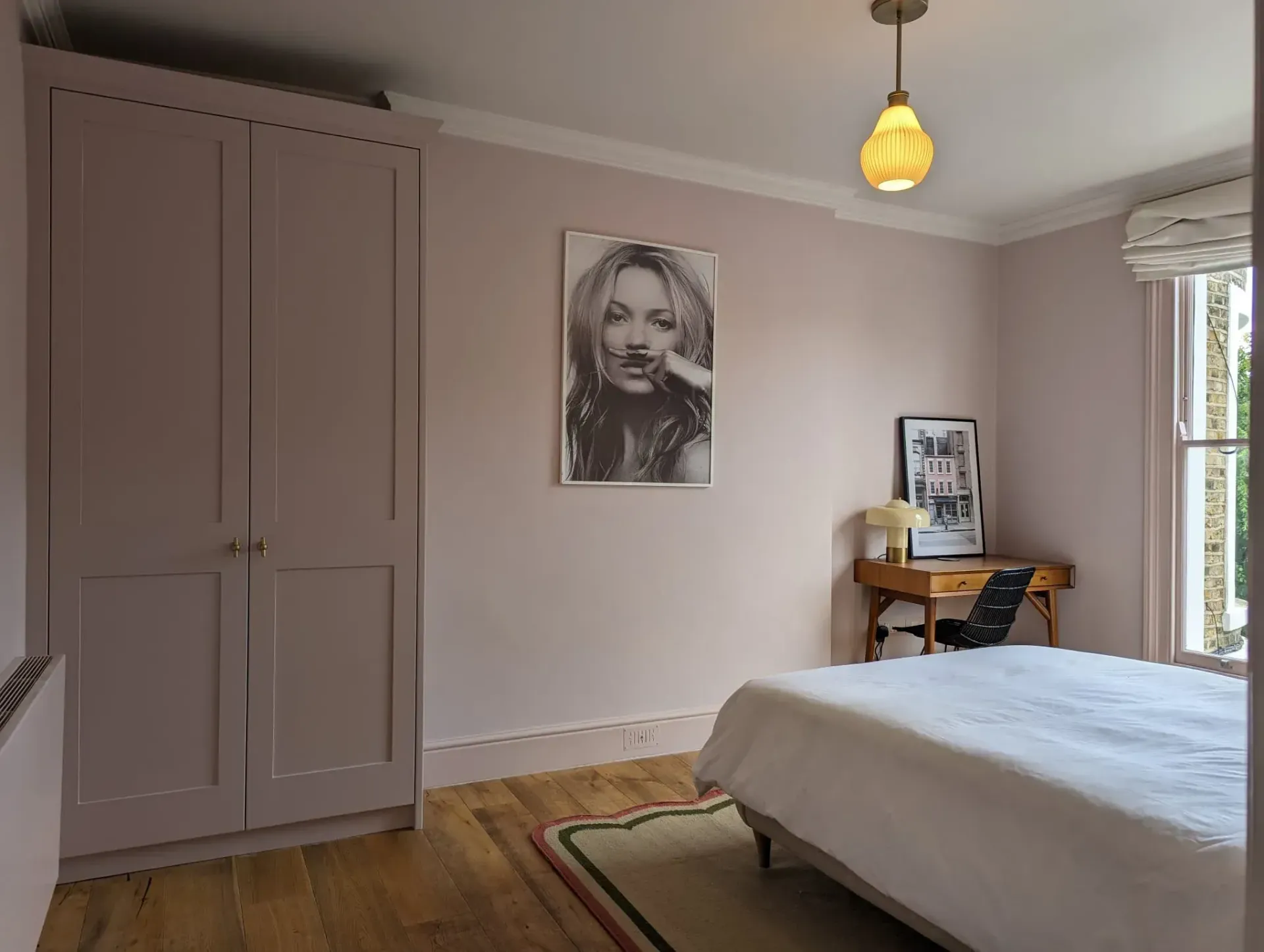
Hinged doors – generally more affordable and traditional.

Sliding doors – ideal for smaller spaces but more complex to install.

Pocket doors – premium option with concealed mechanisms.


Sliding and bespoke door systems require precision engineering, which increases costs compared to standard hinged designs.


Internal Storage Features

The interior of a wardrobe is where functionality truly comes to life.


Custom features that influence cost include:

  • Soft-close drawers.
  • Pull-out shoe racks.
  • Jewellery organisers.
  • Built-in lighting.
  • Adjustable shelving.


While these additions increase the initial investment, they greatly enhance usability and organisation.


Installation Requirements

Every London property presents unique challenges.


Installation costs may increase due to:

  • Uneven walls or floors.
  • Period property features.
  • Limited access or narrow staircases.
  • Structural adjustments.


Experienced cabinet makers will account for these factors during the design stage to ensure a seamless fit.

Cost Comparison: Bespoke vs Freestanding

At first glance, freestanding wardrobes appear more affordable. However, they often fall short in terms of efficiency and longevity.


Bespoke wardrobes offer:

  • Perfect fit with no wasted space.
  • Higher quality materials and construction.
  • Long-term durability.
  • Increased property appeal.


Freestanding furniture may need replacing over time, whereas bespoke cabinetry is designed to last for decades.

Maximising Value for Your Budget

Investing in bespoke wardrobes does not mean overspending. Thoughtful planning can help you achieve the best results within your budget.


Prioritise Functionality

Focus on features you will use daily:

  • Efficient hanging space.
  • Practical drawer layouts.
  • Easy access to frequently used items.


Avoid overcomplicating the design with unnecessary elements.


Choose Materials Strategically

Combining materials can reduce costs without compromising quality.

For example:

  • Use premium finishes for visible areas.
  • Opt for durable but cost-effective materials internally.

This approach balances aesthetics and budget effectively.


Plan for the Long Term

Consider how your storage needs may evolve.


Flexible design options such as adjustable shelving and modular compartments allow your wardrobe to adapt over time—reducing the need for future modifications.

The Value Bespoke Wardrobes Add to Your Home

In London’s competitive property market, well-designed storage can make a significant difference.


Bespoke wardrobes:

  • Improve space efficiency.
  • Enhance interior design.
  • Appeal to potential buyers.
  • Create a sense of luxury and organisation.


For many homeowners, the added value extends beyond financial return—improving daily living and comfort.

Hidden Costs to Be Aware Of

While most reputable companies provide transparent quotes, it is important to consider potential additional costs:

  • Electrical work for integrated lighting.
  • Decorating after installation.
  • Structural adjustments if required.
  • Premium hardware upgrades.


Discussing these elements early in the process helps avoid unexpected expenses.

Why London Prices Are Higher

Bespoke wardrobe costs in London are typically higher than in other parts of the UK due to:

  • Higher labour costs.
  • Increased demand for custom solutions.
  • Complex property layouts.
  • Access and logistical challenges.


Despite this, the investment is often justified by the improved functionality and property value.

Choosing the Right Bespoke Cabinet Maker

Selecting an experienced and reputable company is essential to achieving the best results.


Look for:

  • A strong portfolio of previous work.
  • Transparent pricing and detailed quotes.
  • High-quality materials and finishes.
  • Positive client testimonials.


A skilled cabinet maker will guide you through the design process, ensuring your wardrobe meets both practical and aesthetic needs.

Is It Worth the Investment?

For most London homeowners, bespoke wardrobes represent a smart long-term investment.


They offer:

  • Tailored storage solutions.
  • Superior craftsmanship.
  • Enhanced living spaces.
  • Increased property appeal.


While the upfront cost may be higher than off-the-shelf furniture, the long-term benefits often outweigh the initial expense.

Conclusion

The cost of bespoke fitted wardrobes in London varies depending on size, design, materials, and installation complexity. While prices can range from a few thousand pounds to over £15,000 for high-end designs, the value they provide in terms of functionality, durability, and aesthetics is substantial.


By understanding the factors that influence pricing and planning carefully, you can create a wardrobe solution that meets your needs while staying within budget.


At Humphries Cabinets, we specialise in designing and crafting bespoke fitted wardrobes tailored to London homes. Combining expert craftsmanship with premium materials and thoughtful design, we create storage solutions that enhance both your space and your lifestyle.

Recent Posts

Bright hallway with mirrored wall panels, beige walls, and two blue ottomans.
April 30, 2026
There's a tier of fitted furniture beyond even a full wall of wardrobes: the dressing room. An entire room — or a generous walk-in extension of a bedroom — given over to clothes, shoes, accessories, and the routines of getting dressed.
Bright walk-in closet with white shelving, hanging clothes, drawers, and light wood floors.
April 30, 2026
Most buyers don't think about install day until it's two days away. Up to that point, the focus has been on the design — measurements, finishes, interior layouts, the 3D drawings, and the paint colour.
White paneled wall cabinets with open shelves on both sides in a bright room
April 30, 2026
Somewhere in most fitted wardrobe projects sits a decision the buyer doesn't always realise they're making. The fitted wardrobe market has two broad supplier types — large national brands operating at scale, and independent bespoke makers building one project at a time
April 30, 2026
With that caveat settled, this guide walks through what most London homeowners actually need to know. London has one of the highest concentrations of listed buildings and conservation areas in the UK
Bright attic room with skylight, white built-in cabinets, radiator, and potted palm on carpeted floor
April 30, 2026
Bespoke fitted furniture is built to outlast several sofas, several cars and at least one round of redecoration. The work is hand-built, properly finished, and comes with a 15-year guarantee on the carpentry
Gray built-in wardrobe with brass handles in a bedroom, beside a window with dark curtains
April 30, 2026
The short answer is yes — with meaningful caveats. The longer answer is the one you actually need if you're spending real money before a sale.
White paneled closet doors with brass knobs in a bright hallway
April 30, 2026
You've got two quotes sitting in your inbox. Both are for fitted wardrobes in the same bedroom, both describe roughly the same layout, and one is significantly cheaper than the other.
April 30, 2026
In many London homes—particularly terraces, townhouses, and period properties—the space beneath the stairs is often overlooked. This awkward, sloping area can easily become a dumping ground for miscellaneous items or remain completely unused. However, with thoughtful design and bespoke cabinetry, under-stairs spaces can be transformed into highly functional and visually appealing storage solutions. In a city where every square metre matters, making use of this “hidden” space can significantly improve organisation and efficiency within the home. This guide explores how bespoke cabinets can unlock the full potential of under-stairs areas, turning them into practical storage that integrates seamlessly with your interior. 
Bright bedroom with white built-in wardrobes, bed, window blinds, and beige carpet
April 30, 2026
London is a city of leaseholders and long-term tenants. A large share of its housing stock is flats, a large share of those flats are leasehold, and a large share of tenancies in prime boroughs run for years rather than months.
Bright empty bedroom with bay window, white radiator, and built-in pale green wardrobes
April 30, 2026
Most people who visit the Humphries Cabinets website and hover over the "Book a Free Design Visit" button don't click it. Not because they're not interested
Show More