Best Wardrobe Designs for London Homes: Adapting to Space, Style & Architecture

Nitin Abhi • April 1, 2026

Share this article

London homes are as diverse as the city itself. From compact modern flats to elegant period properties, each space presents its own unique opportunities and challenges—particularly when it comes to storage.


Wardrobes play a crucial role in maintaining organisation and enhancing interior design. However, standard solutions often fall short in London homes, where layouts can be irregular and space is at a premium.


Bespoke wardrobe design offers a tailored approach, allowing storage to be adapted precisely to the architecture and style of each property. This ensures maximum efficiency without compromising on aesthetics.


This guide explores the best wardrobe design approaches for London homes, helping you create a solution that complements both your space and your lifestyle.

Understanding the Diversity of London Homes

London properties vary widely in structure and layout.


Common types include:

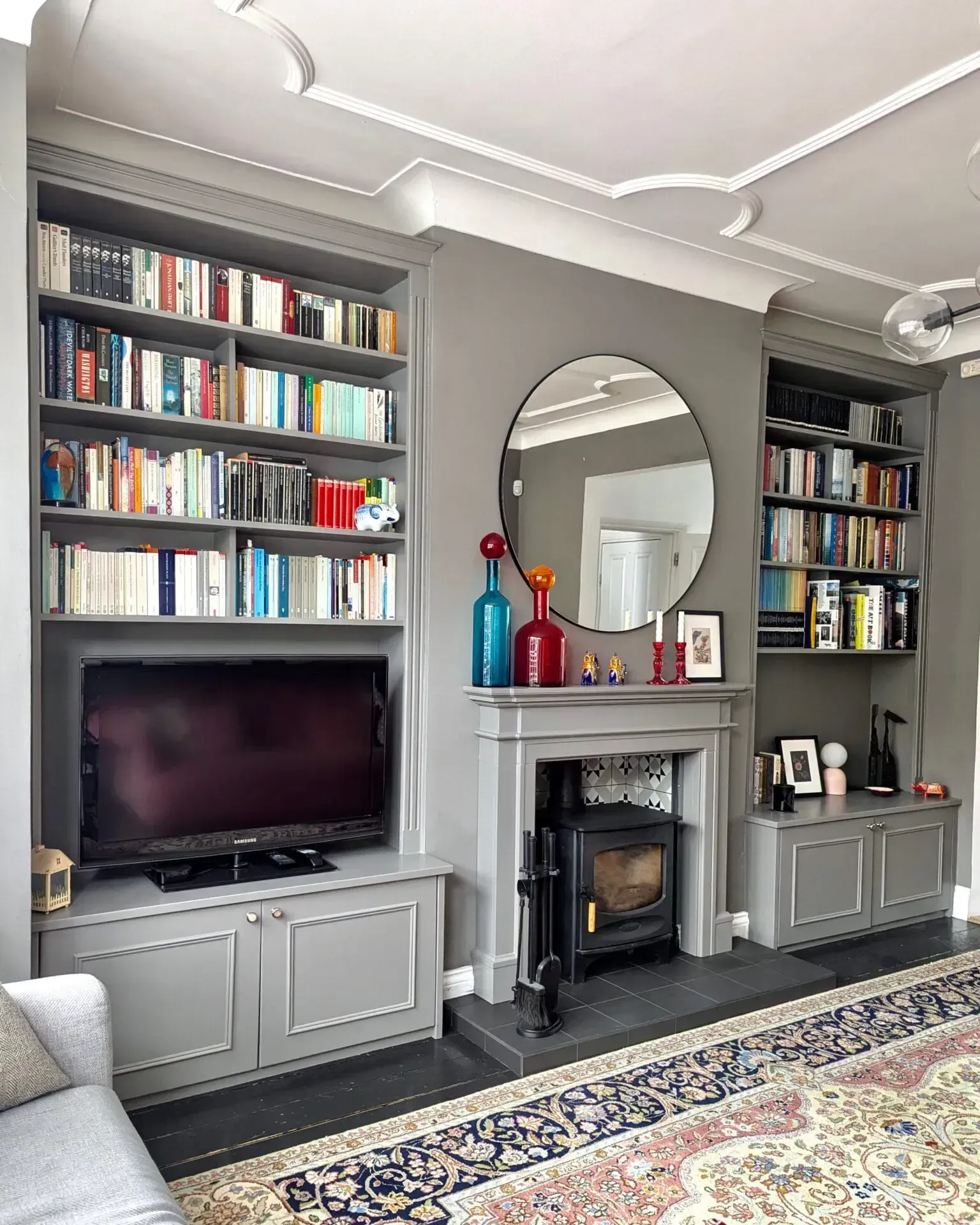
  • Period homes with high ceilings and alcoves.
  • Victorian and Georgian terraces with unique architectural features.
  • Modern apartments with compact layouts.
  • Loft conversions with sloped ceilings.


Each type requires a different approach to wardrobe design, making bespoke solutions particularly valuable.

Maximising Space in Compact Flats

Space is often limited in London flats, making efficient storage essential.


Effective wardrobe designs for smaller spaces include:

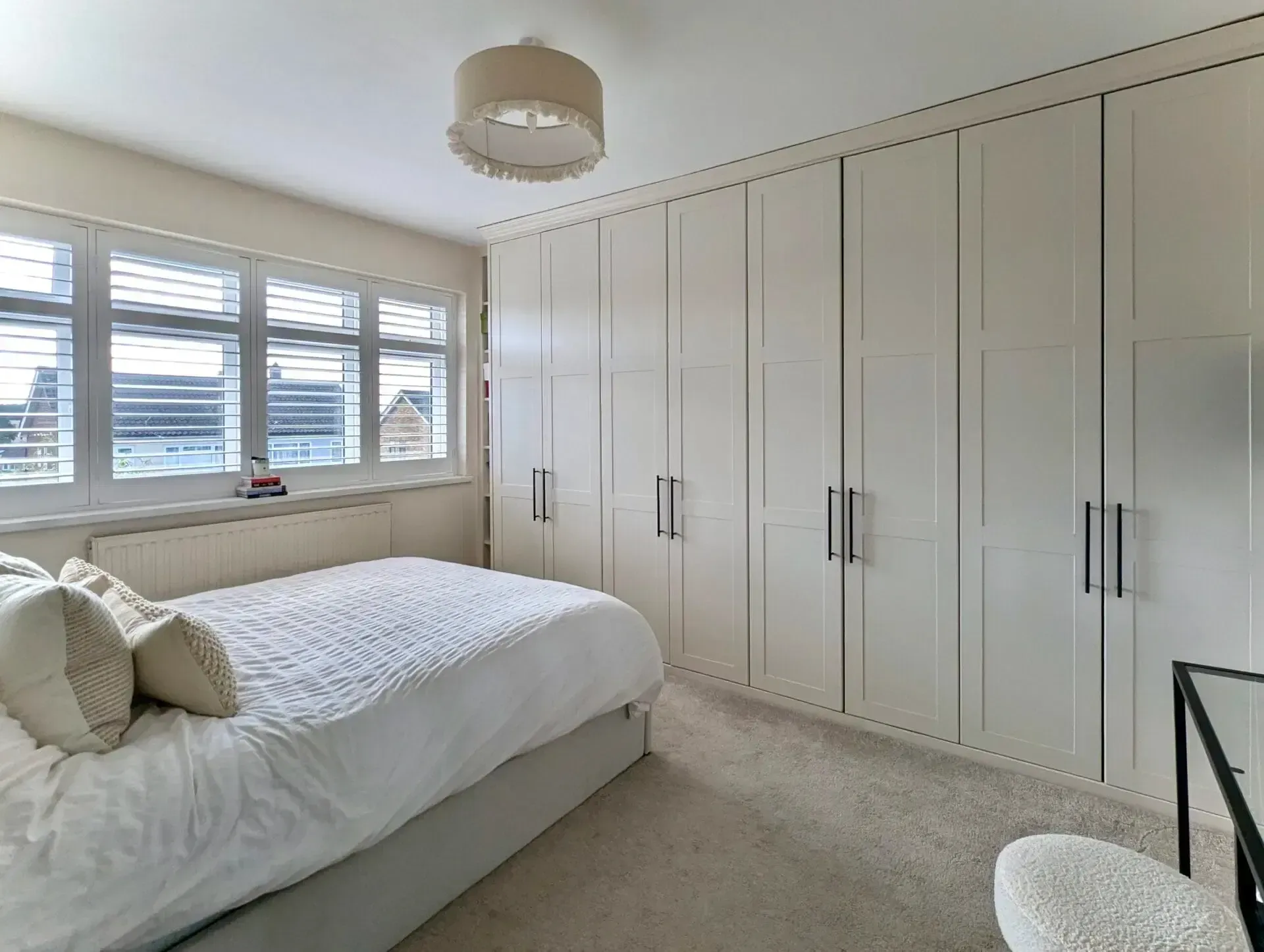
  • Floor-to-ceiling units to maximise vertical space.
  • Sliding doors to reduce clearance requirements.
  • Integrated storage that eliminates the need for additional furniture.


These solutions help maintain a sense of openness while providing ample storage.

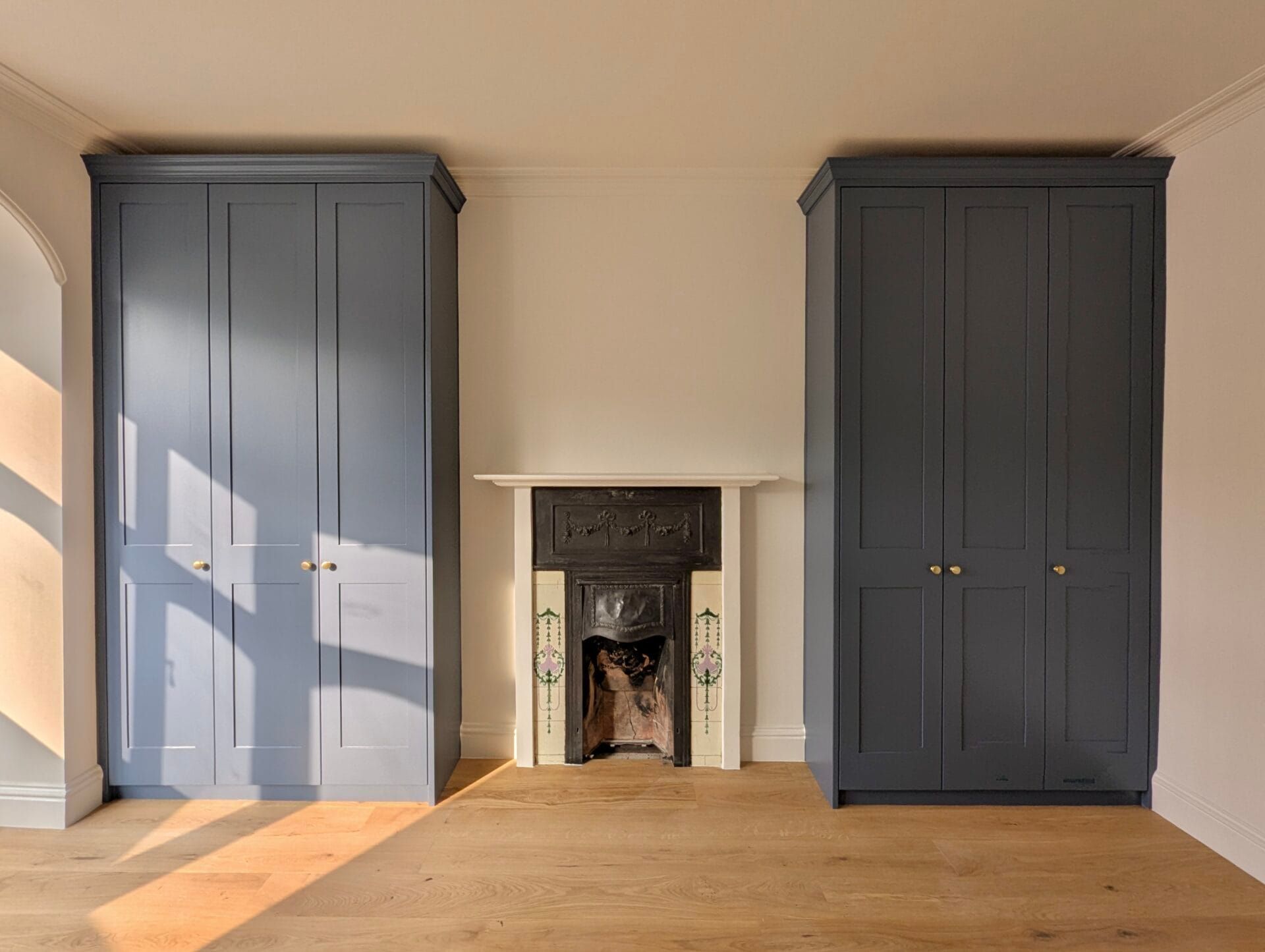
Alcove Wardrobes for Period Properties

Period homes often feature alcoves on either side of fireplaces.


These spaces are ideal for bespoke wardrobes, allowing you to:

  • Create symmetrical designs.
  • Incorporate shelving and hanging space.
  • Maintain the character of the room.


Alcove wardrobes blend seamlessly with traditional architecture while improving functionality.

Walk-In Wardrobes for Larger Homes

In larger London properties, walk-in wardrobes provide a luxurious and highly functional storage solution.


They can include:

  • Dedicated zones for clothing and accessories.
  • Integrated lighting.
  • Custom shelving and drawers.
  • Seating or dressing areas.


Walk-in wardrobes offer both practicality and a sense of refinement.

Sliding vs Hinged Doors in London Spaces

Door choice plays a significant role in wardrobe design.


Sliding doors are ideal for:

  • Smaller rooms.
  • Narrow spaces.
  • Contemporary interiors.


Hinged doors are better suited for:

  • Larger rooms.
  • Traditional designs.
  • Easy full access to interiors.


Selecting the right door style ensures both functionality and visual harmony.

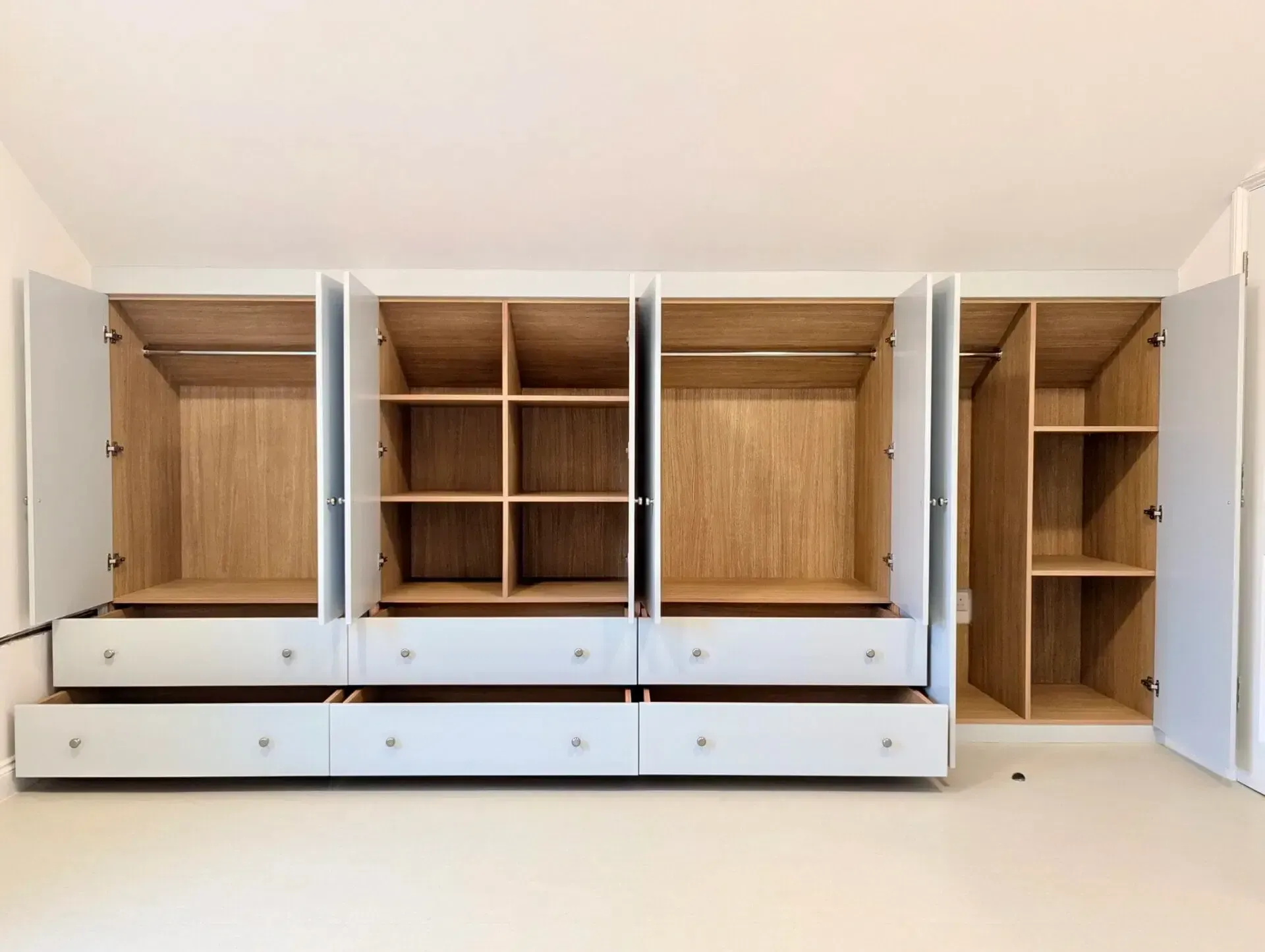
Designing Around Awkward Spaces

Many London homes feature challenging layouts, including:

  • Sloped ceilings in loft conversions.
  • Uneven walls.
  • Chimney breasts.


Bespoke wardrobes can be designed to fit precisely around these features, ensuring no space is wasted.

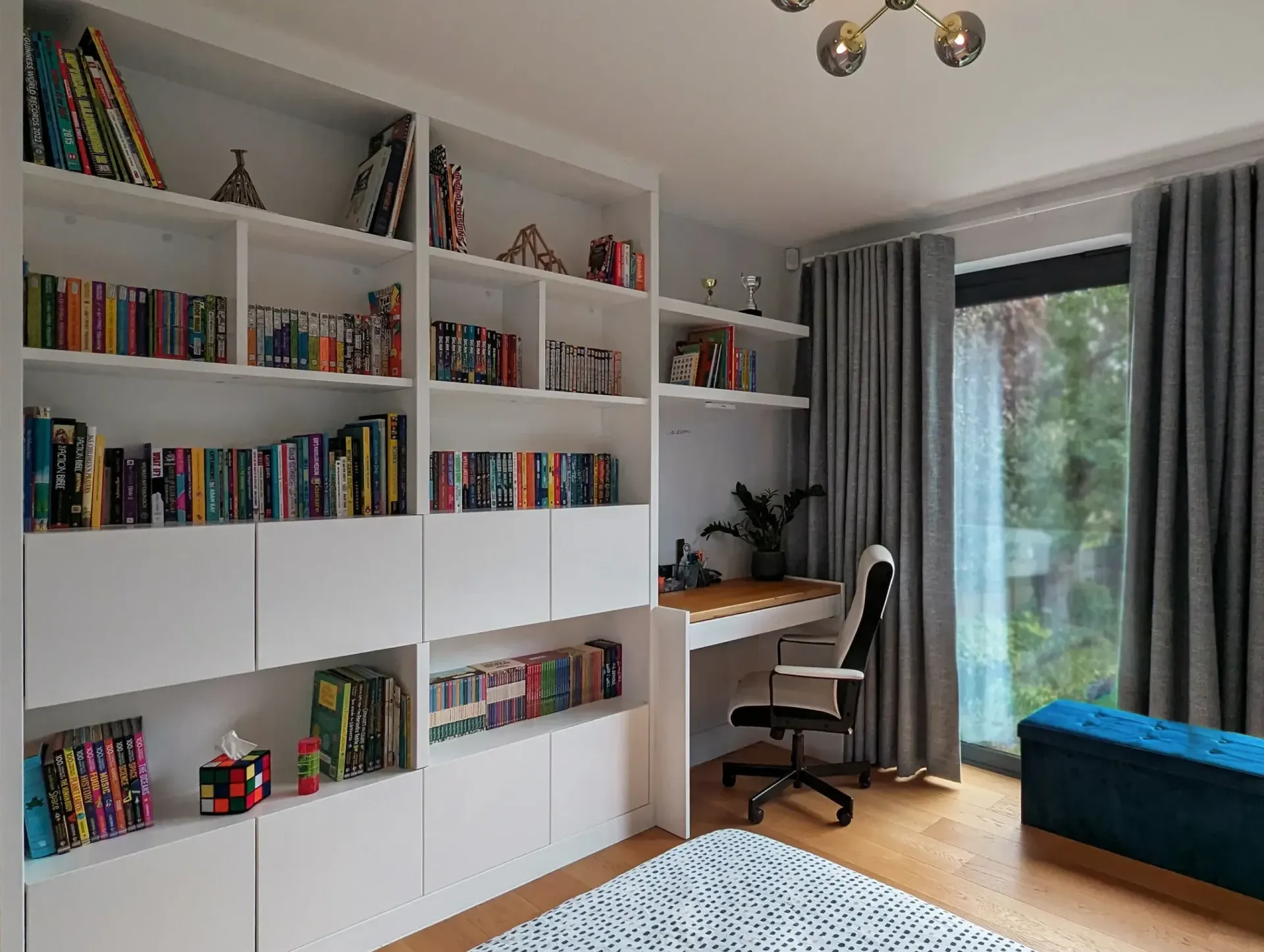
Integrated Storage for Multi-Functional Rooms

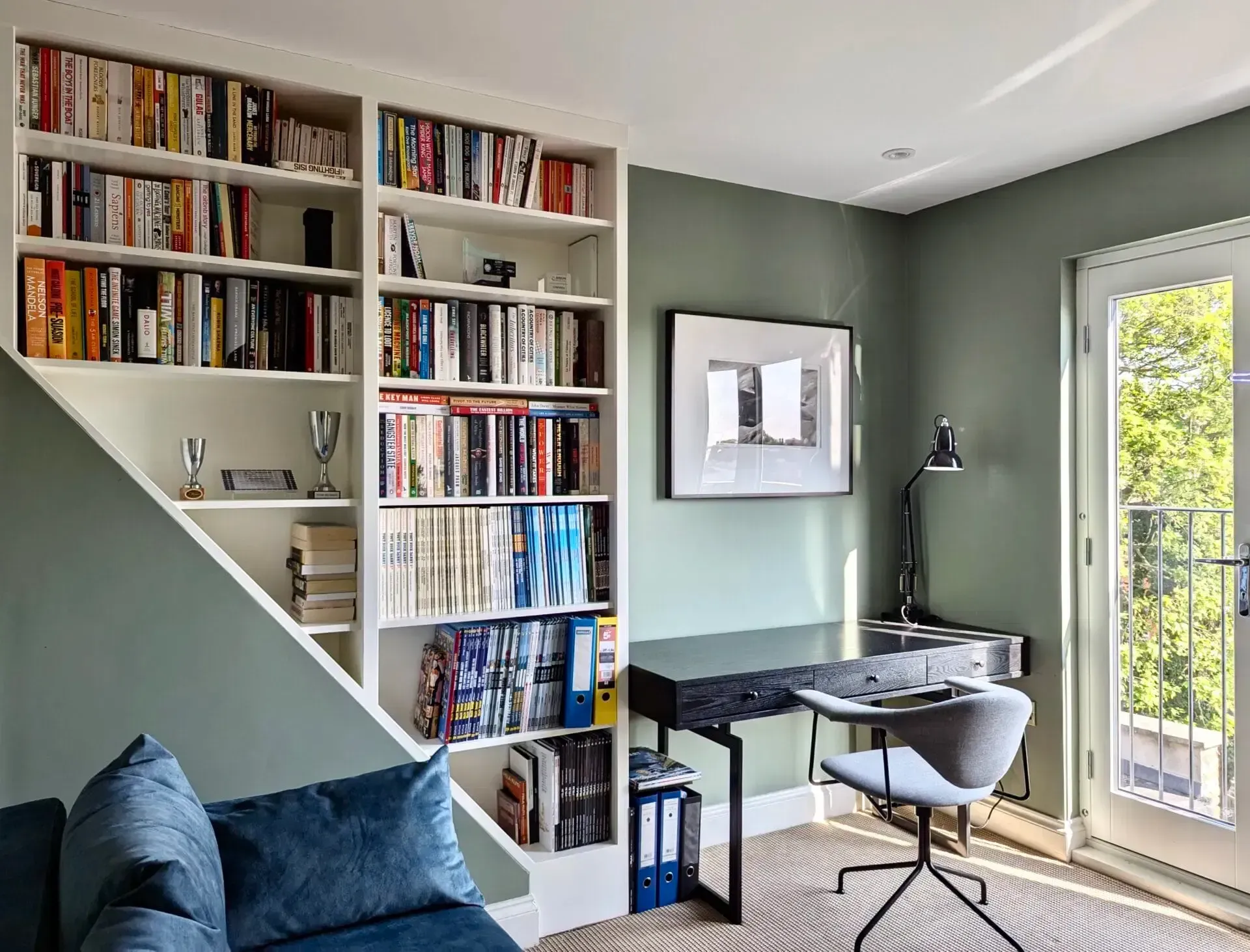
Modern living often requires rooms to serve multiple purposes.


Wardrobes can be designed to incorporate:

  • Home office areas.
  • Hidden storage compartments.
  • Flexible shelving.


This adaptability is particularly important in smaller homes where space must be used efficiently.

Choosing the Right Materials and Finishes

Material selection plays a key role in both durability and design.


Popular options include:

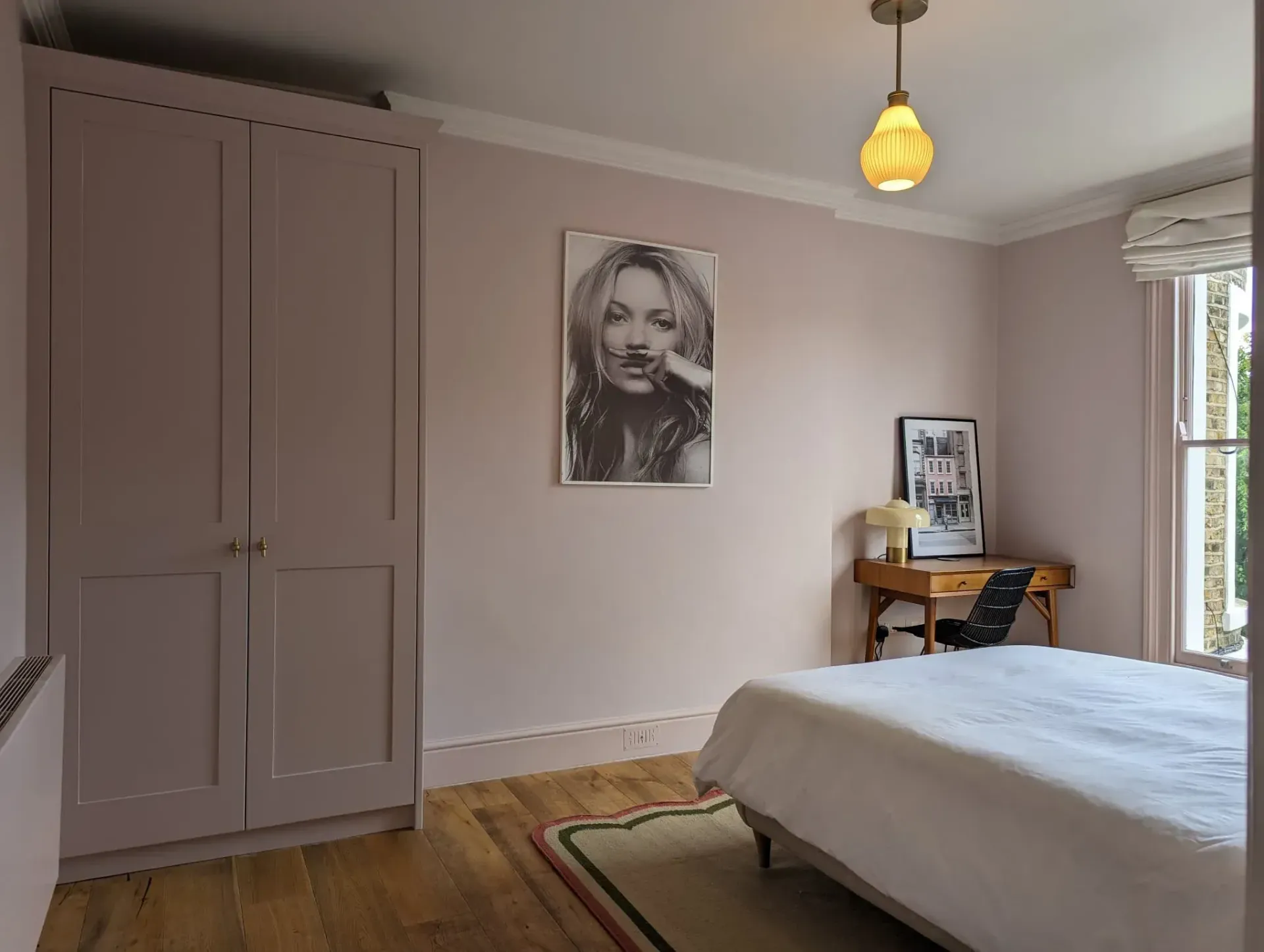
  • Painted finishes for a timeless look.
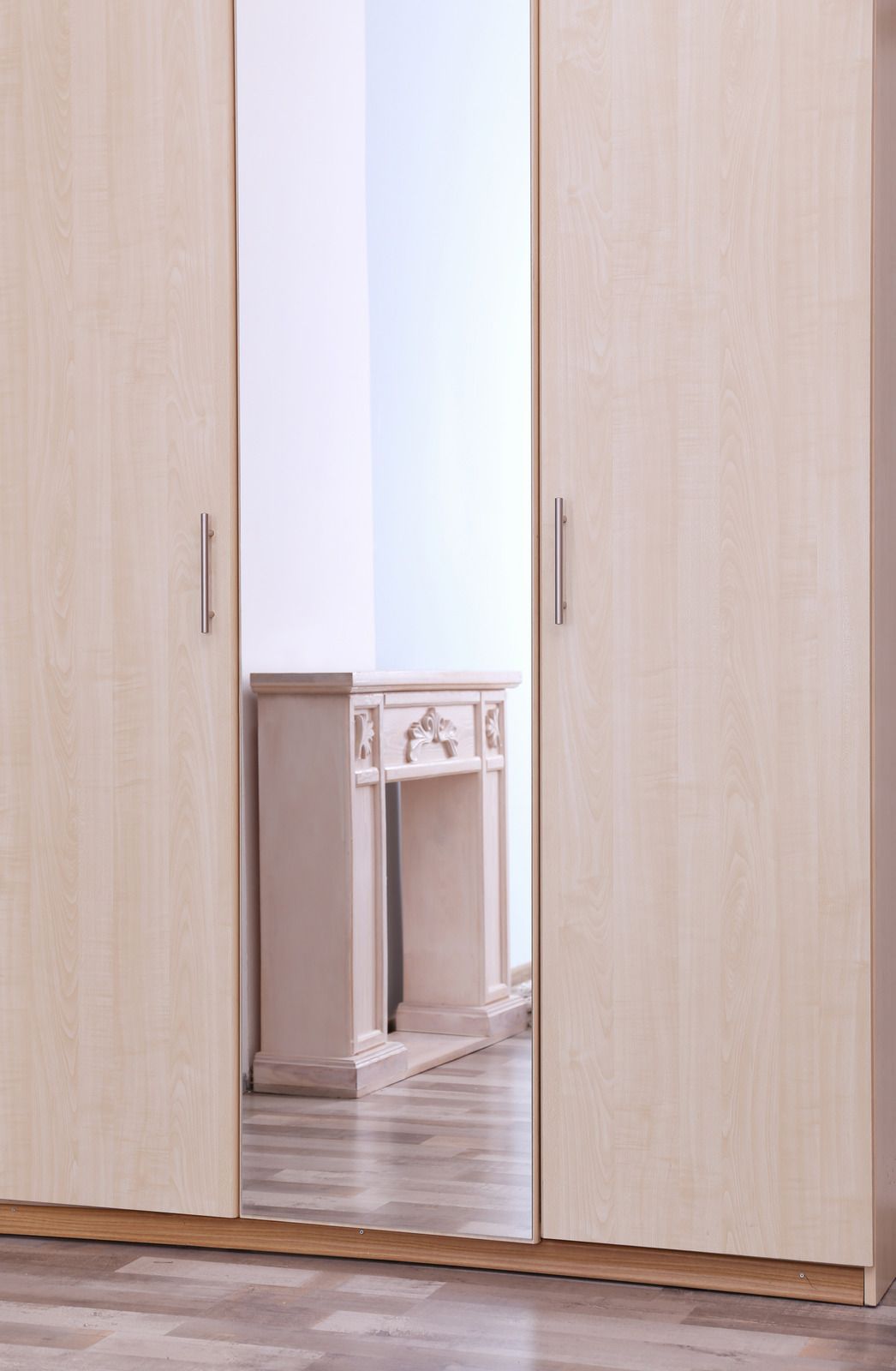
  • Wood veneers for warmth and texture.
  • Matte finishes for modern interiors.
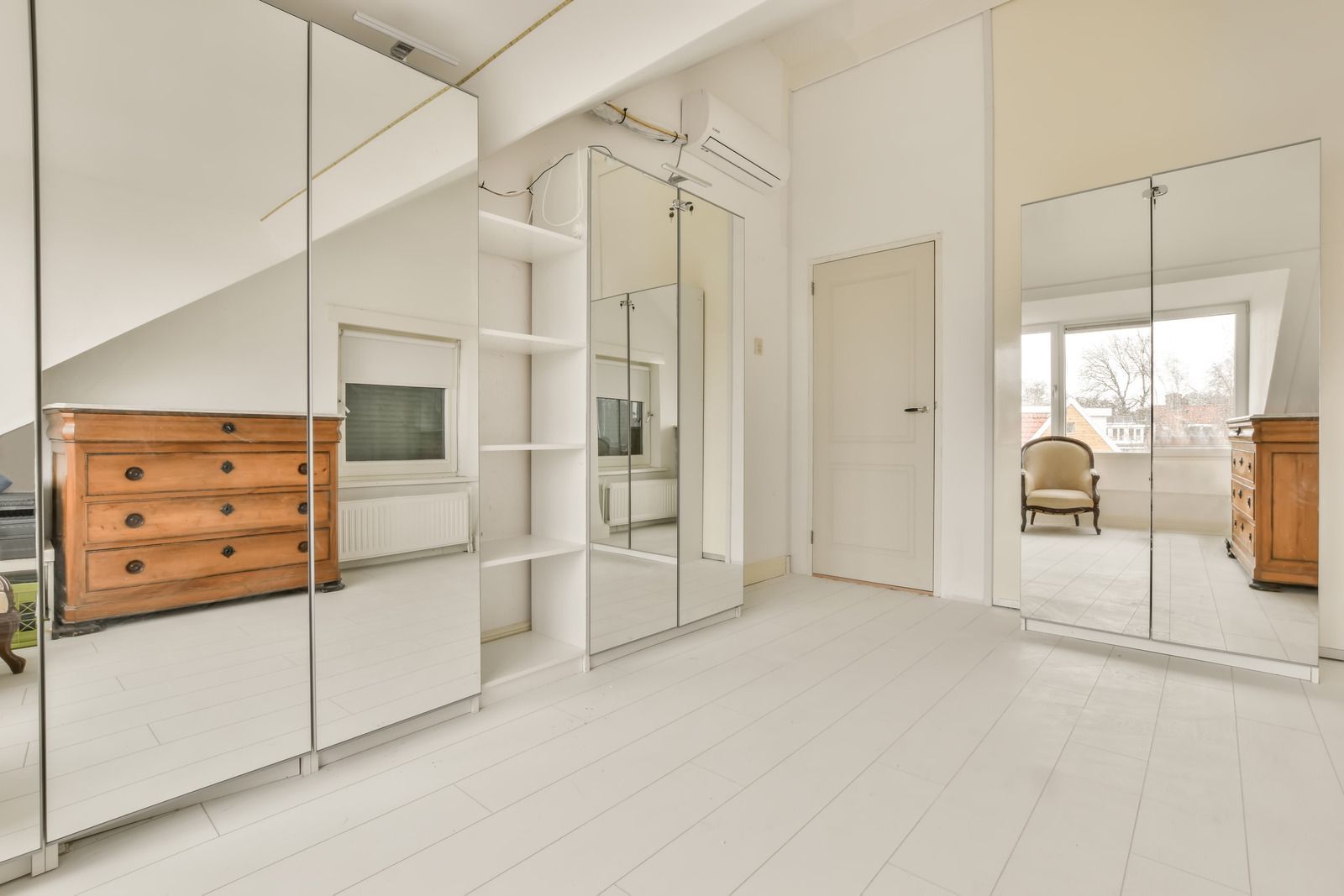
  • Mirrored panels to enhance light and space.


Choosing finishes that complement your home’s style ensures a cohesive result.

Enhancing Light and Space with Design

In many London homes, natural light can be limited.


Wardrobe design can help enhance brightness by:

  • Using light-coloured finishes.
  • Incorporating mirrored surfaces.
  • Maintaining clean, uncluttered lines.


These elements contribute to a more open and inviting space.

Maximising Vertical Storage

High ceilings are common in period properties, offering valuable vertical space.


Bespoke wardrobes can take advantage of this by:

  • Extending storage to ceiling height.
  • Incorporating upper cabinets for less-used items.
  • Creating visually striking, tall designs.


This approach increases storage capacity while maintaining elegance.

Maintaining Architectural Integrity

In period homes, preserving original features is often a priority.


Bespoke wardrobes can be designed to:

  • Match existing mouldings and details.
  • Complement traditional materials.
  • Integrate seamlessly with the room’s character.


This ensures storage enhances rather than detracts from the property’s heritage.

Minimalist Designs for Modern Interiors

Contemporary London apartments often favour clean, minimalist aesthetics.


Wardrobe designs for these spaces may include:

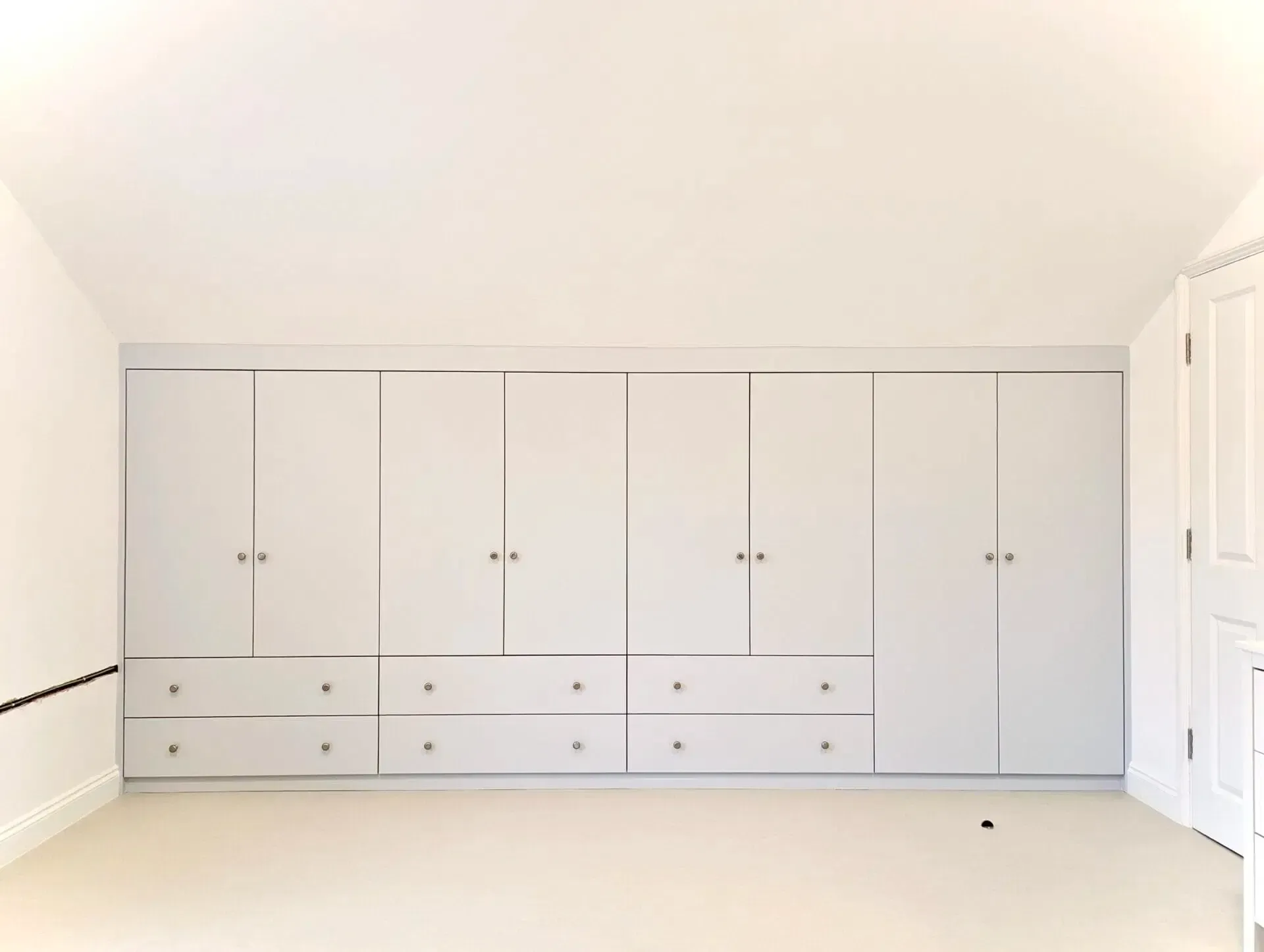
  • Handleless doors.
  • Flush finishes.
  • Neutral colour palettes.


This creates a sleek and understated look that complements modern interiors.

Storage That Reflects Your Lifestyle

Every homeowner has unique storage needs.


Bespoke wardrobes allow you to:

  • Tailor layouts to your wardrobe and habits.
  • Include specialised compartments.
  • Adapt designs to suit daily routines.


This personalised approach ensures maximum usability.

Future-Proofing Your Wardrobe Design

As lifestyles change, storage needs may evolve.


Future-proof designs include:

  • Adjustable shelving.
  • Modular components.
  • Flexible layouts.


This ensures your wardrobe remains functional for years to come.

Enhancing Property Value

Well-designed storage is a key selling point in London’s property market.


Bespoke wardrobes:

  • Improve organisation and usability.
  • Enhance interior design.
  • Appeal to potential buyers.


Investing in tailored storage can contribute to increased property value and marketability.

Creating a Cohesive Interior Design

Wardrobes should feel like an integral part of the home rather than an afterthought.


Bespoke designs ensure:

  • Consistency in materials and finishes.
  • Seamless integration with the space.
  • A polished and refined appearance.


This contributes to a more harmonious overall design.

Conclusion

Designing wardrobes for London homes requires a thoughtful balance between functionality, space efficiency, and aesthetic appeal. With such a diverse range of property styles and layouts, bespoke solutions offer the flexibility needed to create storage that truly works.


From maximising space in compact flats to preserving character in period properties, bespoke wardrobes adapt to the unique demands of each home. By tailoring every element—from layout and materials to finishes and features—you can achieve a solution that enhances both your space and your lifestyle.


At Humphries Cabinets, we specialise in designing bespoke wardrobes that reflect the individuality of London homes. Combining expert craftsmanship with intelligent design, we create storage solutions that are both practical and beautifully integrated into your living space.

Recent Posts

Bright bedroom with a wooden bed, white wardrobe, and sunlit hardwood floor
June 29, 2026
How corner wardrobes solve awkward bedrooms, covering L-shaped runs, corner hanging and carousels, wrapping around chimney breasts, doors and sloped ceilings.
Bright minimalist living room with bay window seat, white rug, and wicker chair on hardwood floor
June 29, 2026
How to design a bay window seat with storage, covering lift-up lids vs drawers, cushions and proportions, fitting square and curved bays, and matching the room.
Bedroom with open closets and drawers, showing neatly hung clothes and folded items beside a bed.
June 29, 2026
How to build a dressing table or vanity into a fitted wardrobe, covering layouts, knee room, mirror placement, lighting and storage for makeup and jewellery.
Walk-in closet with hanging clothes, drawers, and a bed in the foreground
June 29, 2026
Why wardrobe hardware matters, from soft-close hinges and runners to rails and pull-out fittings, and how the parts you never see decide how a wardrobe feels.
Empty bright room with white wardrobes, wood floor, windows, and an open door to a stairwell
June 29, 2026
What handleless and push-to-open wardrobes are, how the mechanisms work, where the look suits a room, and how to keep painted fronts clean and smudge-free.
White built-in cabinets beneath skylight windows in a bright attic room with wood floor.
June 29, 2026
How to use loft eaves and knee wall space with fitted eave units, covering access, pull-out drawers vs doors, what to store there, and ventilation.
Modern home office with built-in bookshelf, desk, chair, and large window beside a blue sofa
June 29, 2026
How to design alcove cupboards and shelving around a chimney breast, from cupboards and open shelves to matching skirting, cornice and the chimney breast line.
Bright empty bedroom with mirrored closet doors, white shelving, and wooden dressers, viewed toward a doorway and window.
June 29, 2026
A guide to mirror wardrobes, covering sliding vs hinged mirror doors, where they work best, how they make a room feel bigger, and keeping them clean.
Bright home office with white built-in bookshelves, a rug, and a patterned armchair by a railing.
June 29, 2026
Built-in bookcase and home library design ideas, from finding the right wall and designing around a fireplace to adjustable shelves, ladders and lighting.
White cube shelves with folded clothes, shoes, and storage baskets in a tidy closet
June 29, 2026
How to get floating shelves right, from choosing the material and judging weight limits to the hidden fixings, ideal depth and styling that looks considered.
Show More