Conservation Area Rules and Fitted Furniture: What Fulham and SW London Homeowners Need to Know
Fulham and the surrounding boroughs of Hammersmith, Kensington, Chelsea, and Wandsworth contain some of the highest concentrations of conservation areas in London. If your home is in one of these zones — and in much of SW London, it almost certainly is — you may have questions about what you can and can’t change inside your property without requiring permission. Fitted furniture sits in an interesting position in this landscape: it’s almost always internal, almost always reversible, and rarely subject to the planning rules that govern changes to the outside of a building.
But ‘almost always’ is not the same as ‘always,’ and the distinction matters. There are specific circumstances in which internally fitted furniture in a conservation area property or listed building requires more careful thought. This guide covers what those circumstances are, what the general rules mean for most Fulham and SW London homeowners, and where to go for clarification if you’re uncertain about your property’s status. At Humphries Cabinets, which works extensively across Fulham, Hammersmith, Chelsea, and the surrounding areas, navigating the regulatory context of period properties is a regular part of the client conversation.
What Conservation Area Status Actually Restricts
Conservation area designation primarily restricts changes to the exterior appearance of buildings. Replacing windows, altering roof profiles, painting rendered facades, adding extensions or outbuildings — these are the categories of work that conservation area rules govern most directly. Internal alterations, including fitted furniture, do not generally require consent from the local planning authority simply because a property is in a conservation area.
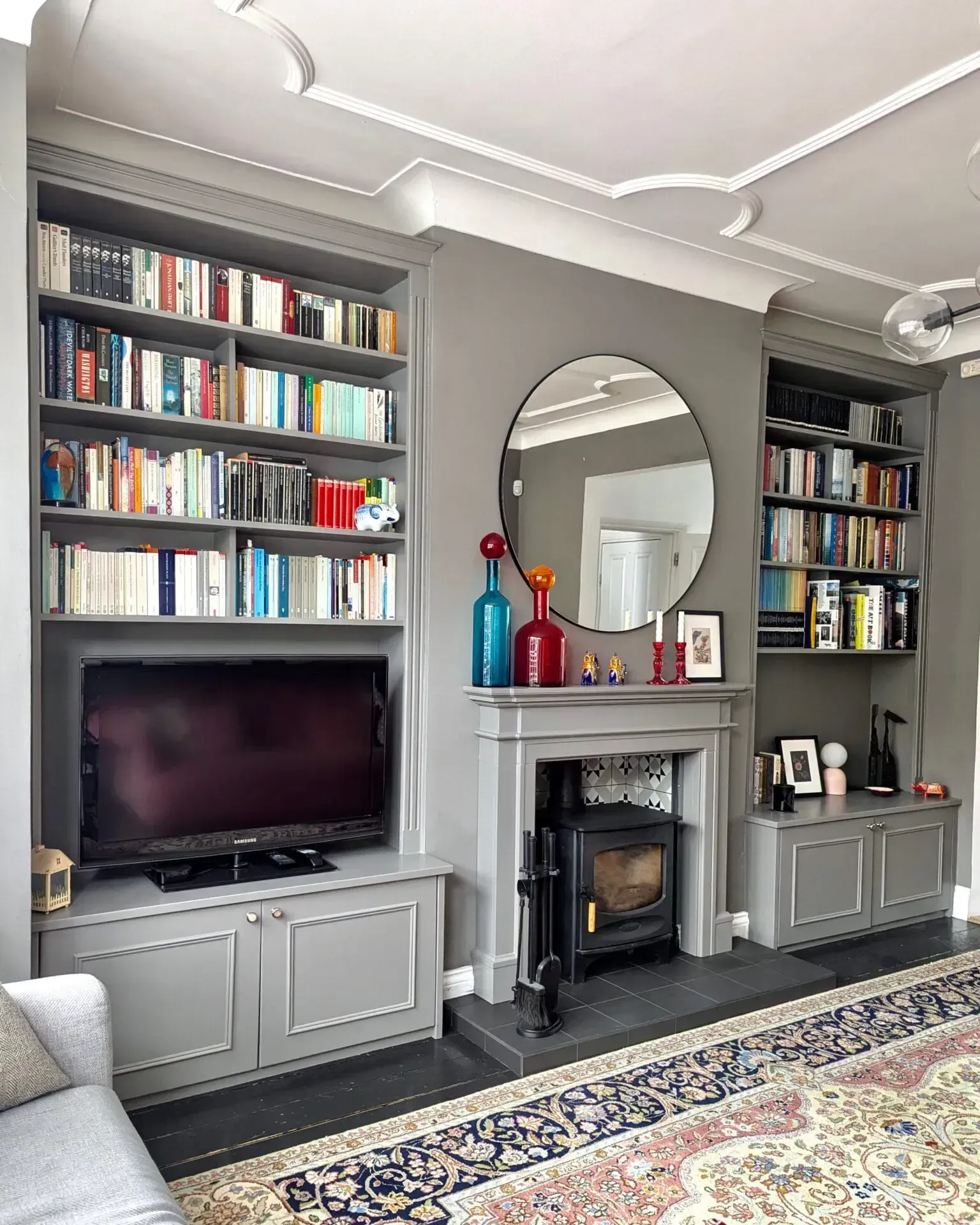
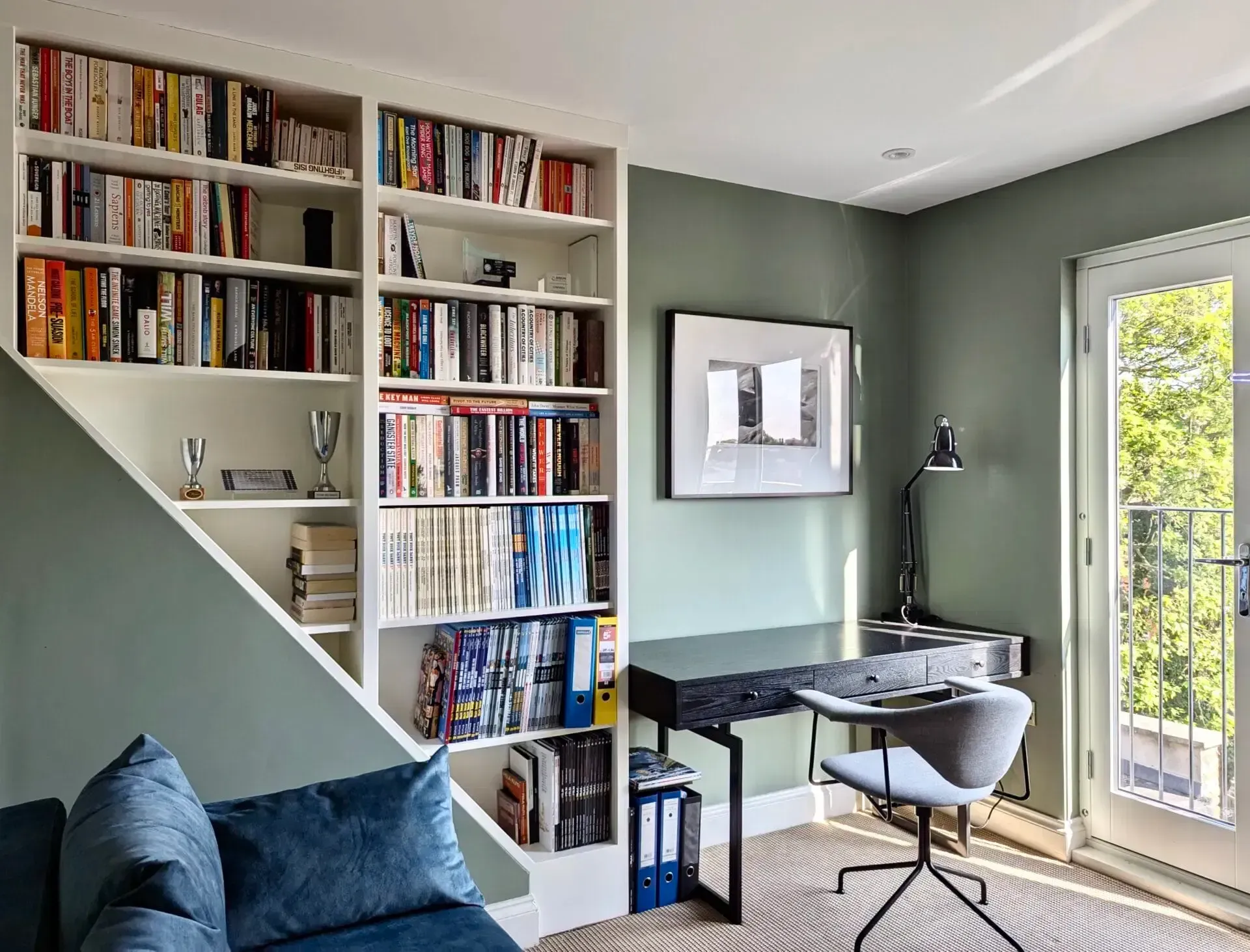
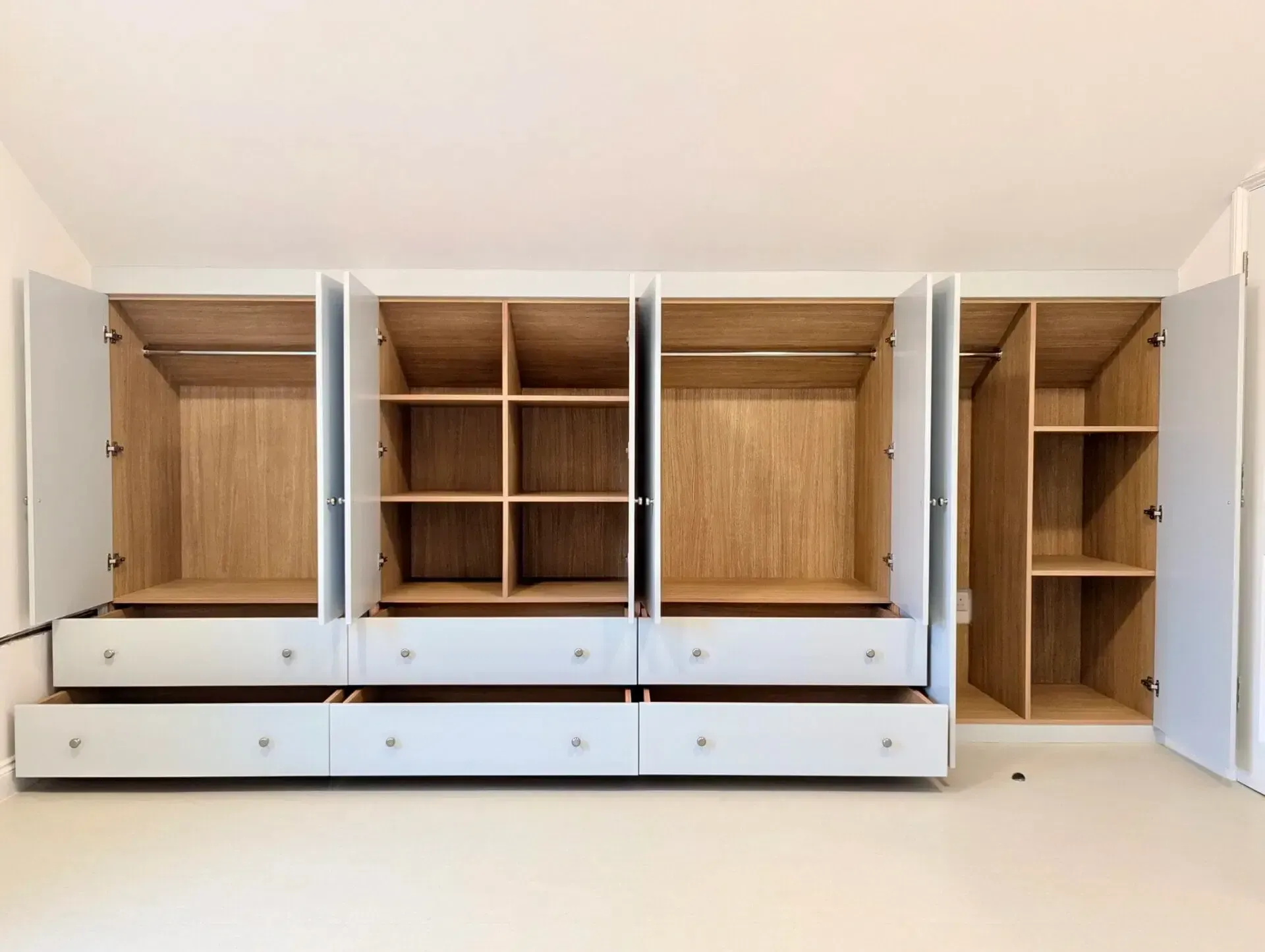
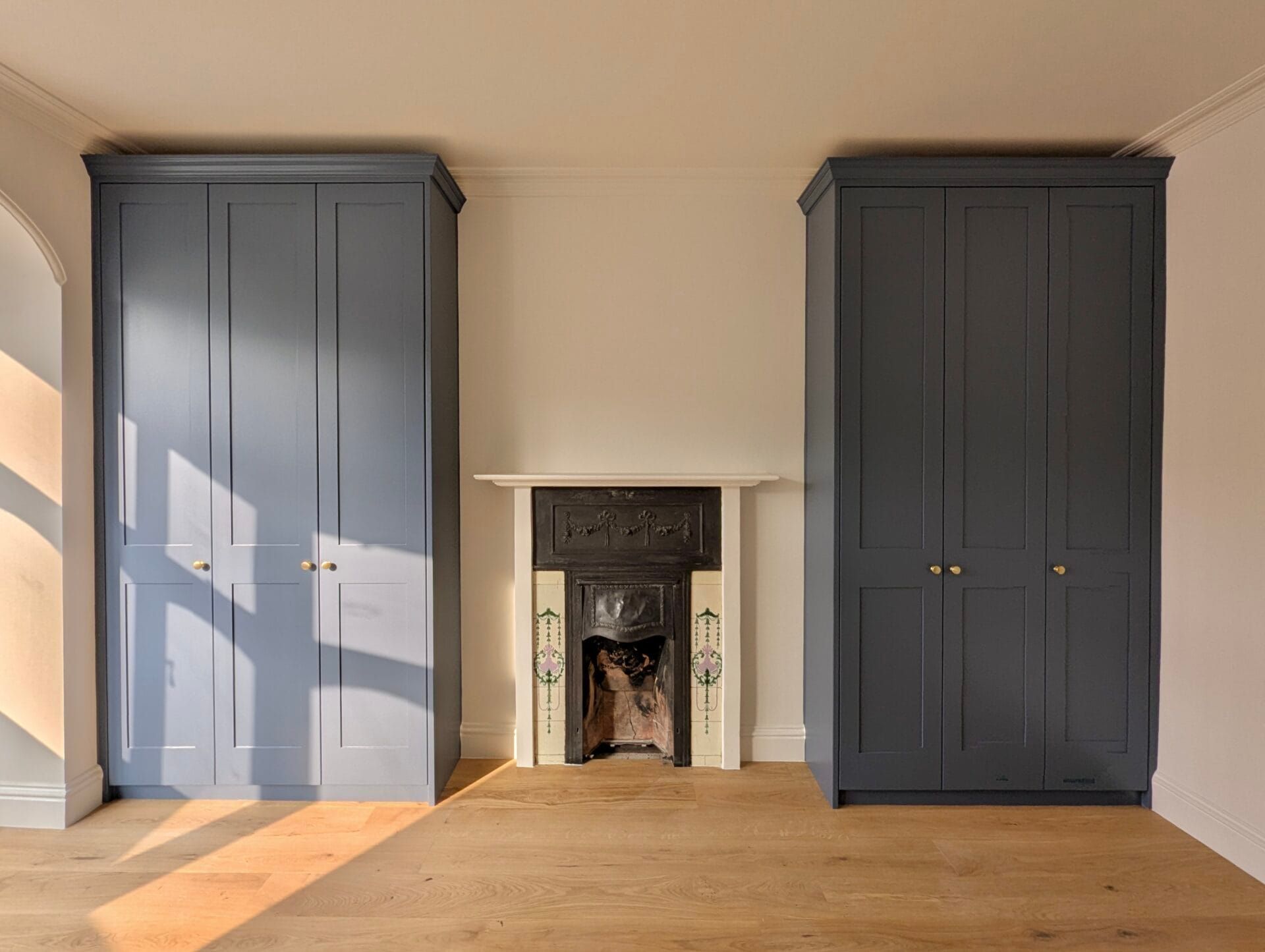
This means that fitting a wardrobe, a set of alcove units, or a fitted home office in a conservation area property is, in most cases, entirely unrestricted from a planning perspective. You don’t need to notify the council, submit drawings, or wait for approval. The work is internal, the walls are not being structurally altered, and the building’s external appearance is unchanged. This holds true for the vast majority of fitted furniture projects in conservation area properties across Fulham and SW London.
The complication arises when the property itself — rather than just the street or area — has a specific designation. Listed building status is different from conservation area status, and it applies specific controls to internal as well as external alterations. If your property is listed, even internally fitted furniture may require listed building consent, depending on the nature of the work and the listing’s specific conditions.
Listed Buildings: When Consent Is Required
A listed building is individually designated for its architectural or historic interest, as distinct from a conservation area where the whole street or area has group value. Listed buildings in Fulham and SW London include a range of property types — from Georgian terraces with full Grade II listing to Victorian churches, mansion blocks, and even some post-war buildings of note. If your property is listed, you should check your listing entry (available through Historic England’s National Heritage List for England) to understand what the designation covers.
Listed building consent is required for any alteration to a listed building that would affect its character as a building of special architectural or historic interest. Internal alterations are included — this is one of the key differences between listed building status and conservation area status. Whether fitting a wardrobe in a listed building requires consent depends on what the work involves. Fitting a wardrobe against a plain plastered wall without touching any original features is unlikely to require consent. Fitting a wardrobe that covers, removes, or alters original panelling, mouldings, or other historic fabric is a different matter.
The safest approach in a listed building is to contact your local authority’s conservation officer before commissioning any work. In Hammersmith and Fulham, this is the Planning Conservation team. In Kensington and Chelsea, it’s the Historic Buildings team. These officers can give informal advice on whether a specific project is likely to require consent, which is always preferable to discovering after installation that you’ve altered a listed feature without permission.
Specific Conservation Areas in Fulham and SW London
Hammersmith and Fulham Borough contains over twenty designated conservation areas, covering much of central Fulham, including Crabtree, Eel Brook Common, Parsons Green, and the Hurlingham areas. Properties within these areas are subject to Fulham’s conservation area guidance, which focuses primarily on external appearance — windows, doors, boundary treatments, and extensions. Internal fitted furniture is not referenced in these guidelines because it is generally outside their scope.
The Royal Borough of Kensington and Chelsea, which covers the Chelsea side of the Fulham border, has an even higher proportion of its area under conservation protection. Much of Chelsea, South Kensington, and Holland Park is a conservation area, and the borough also contains a significant number of listed buildings. The RBKC takes a particularly active interest in protecting architectural character within its conservation areas, which is worth being aware of even for properties in the borough that are not individually listed.
Wandsworth Borough, which covers areas including Battersea, Clapham, and Tooting to the south, also has multiple conservation areas — particularly around the Victorian terraces of Battersea and the Edwardian mansion blocks of Balham and Streatham Hill. Again, conservation area status in Wandsworth governs external changes rather than internal fitted furniture, but listed properties in the borough should be checked individually.
Practical Guidance for Most Homeowners
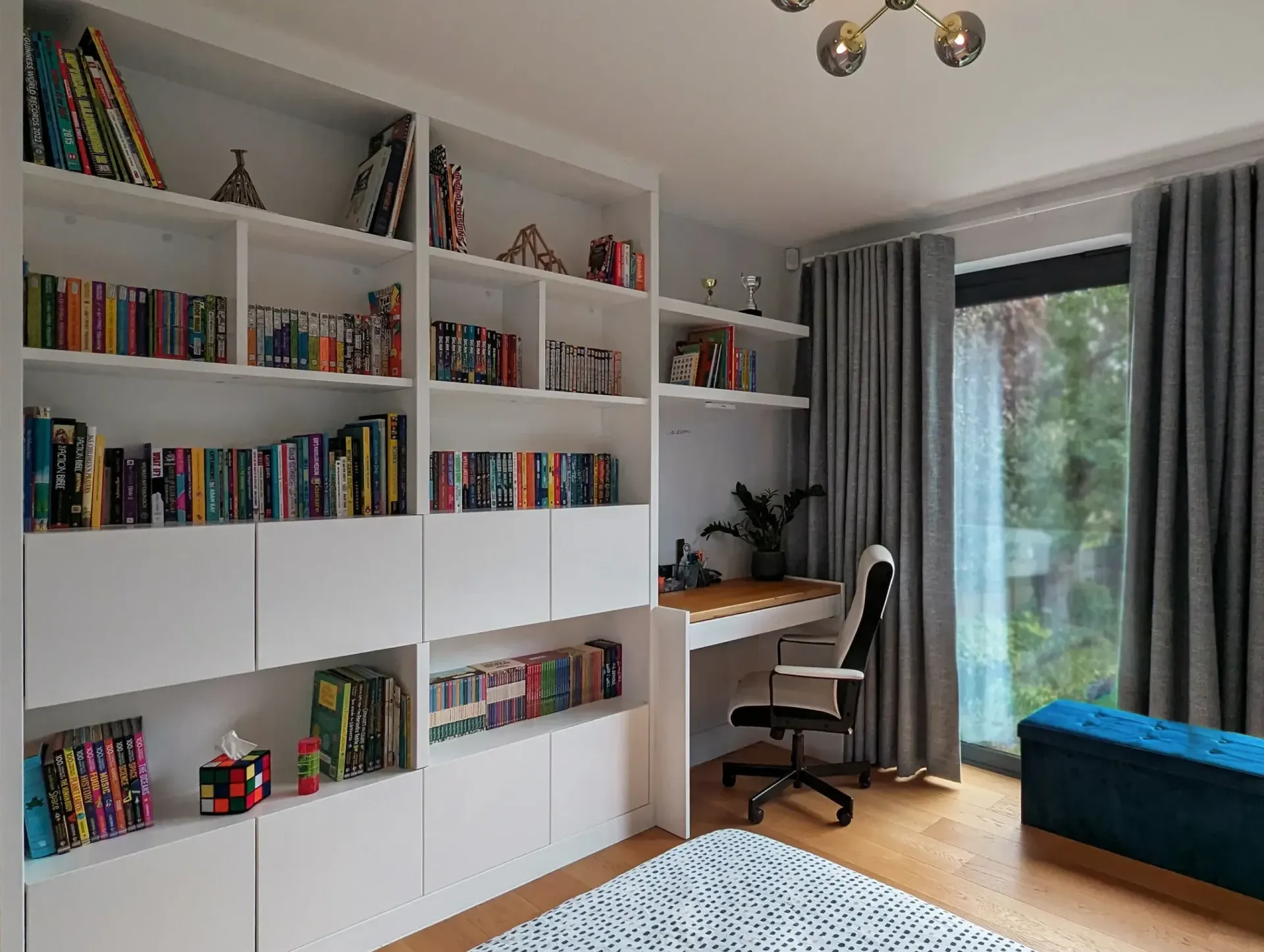
For the majority of Fulham and SW London homeowners living in conservation area properties that are not individually listed, the straightforward answer is that fitted furniture inside your home does not require planning permission or conservation area consent. You can commission a fitted wardrobe, a set of alcove units, a home office, or a kitchen larder unit without any interaction with the local planning authority, as long as the work doesn’t affect the building’s external appearance or alter any original structural elements.
If you’re uncertain whether your property is listed, you can check the National Heritage List for England at historicengland.org.uk, which lists all Grade I, Grade II*, and Grade II listed buildings. Your property’s listing entry will specify what is covered and may include conditions relevant to internal alterations. If the listing entry is unclear, the local conservation officer is the right person to ask — they offer informal pre-application advice at no charge and can usually give a clear steer in a short conversation.
If your property is listed and you want to proceed with fitted furniture, the key question is whether the work will affect any original historic fabric. A joinery company with experience in listed buildings — and Humphries Cabinets has worked in a number of listed properties across London — can advise on how to design the fitted furniture in a way that respects the original fabric and is unlikely to require consent. But confirmation from the local authority is always the definitive answer.
What Humphries Cabinets Offers
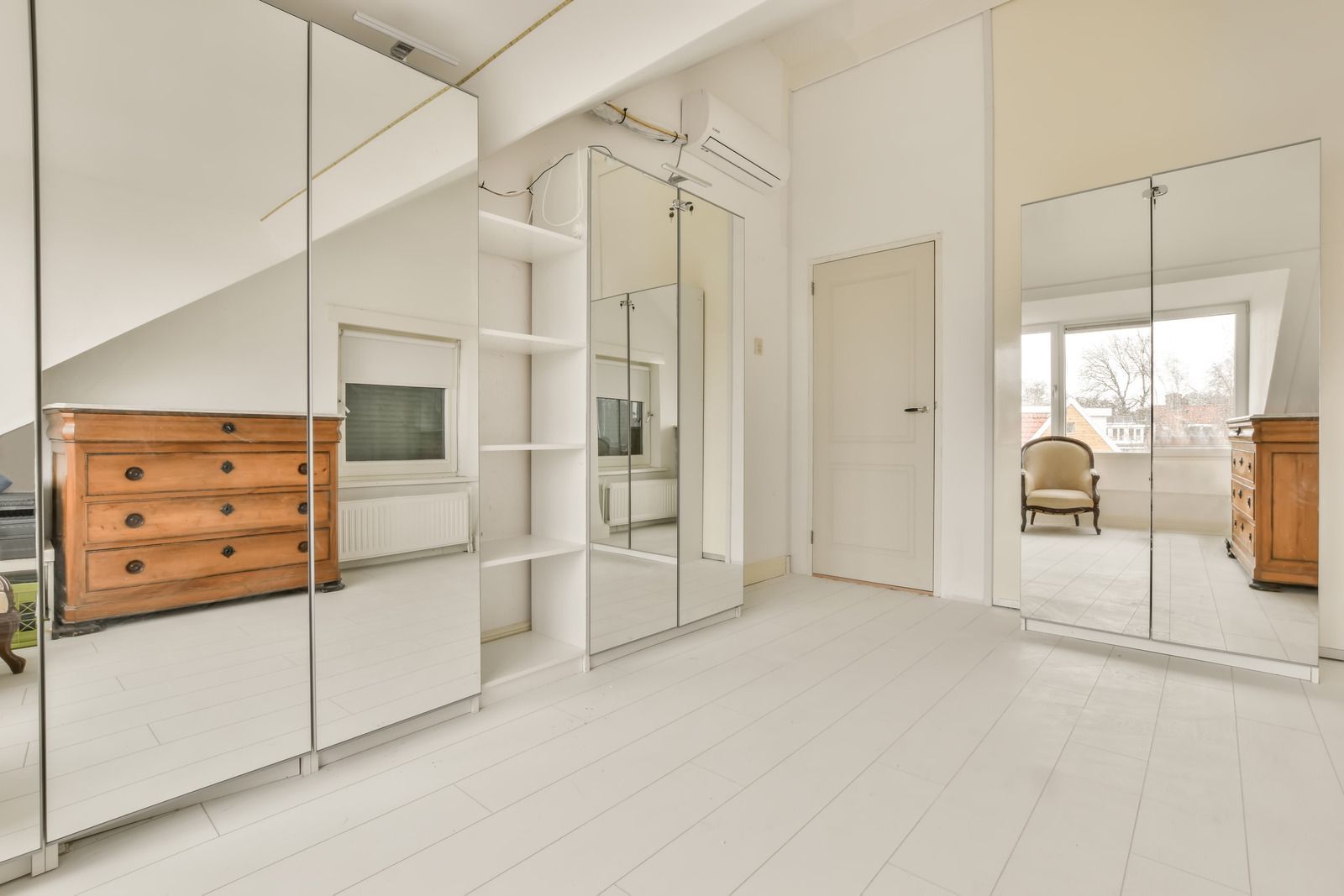
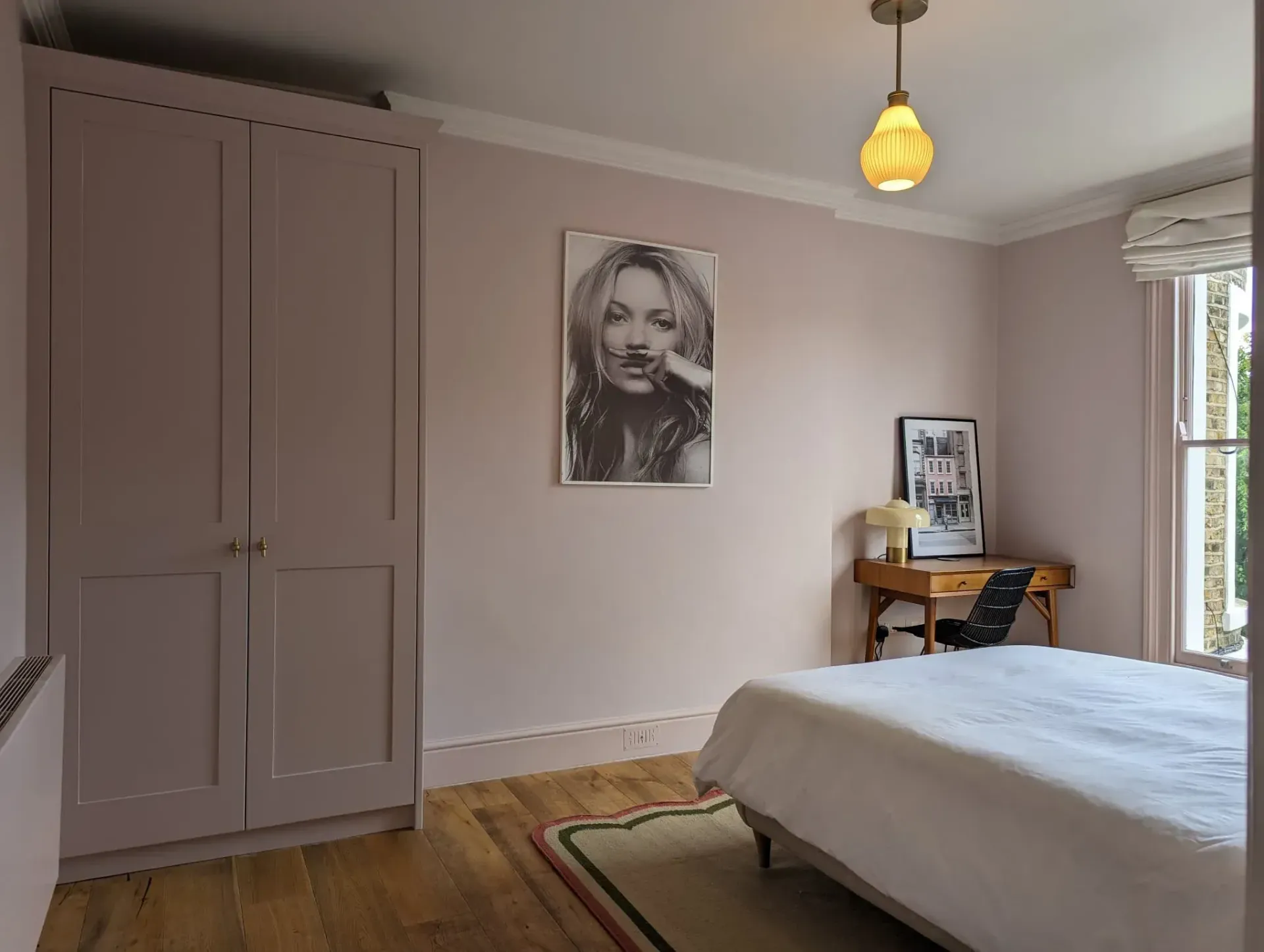
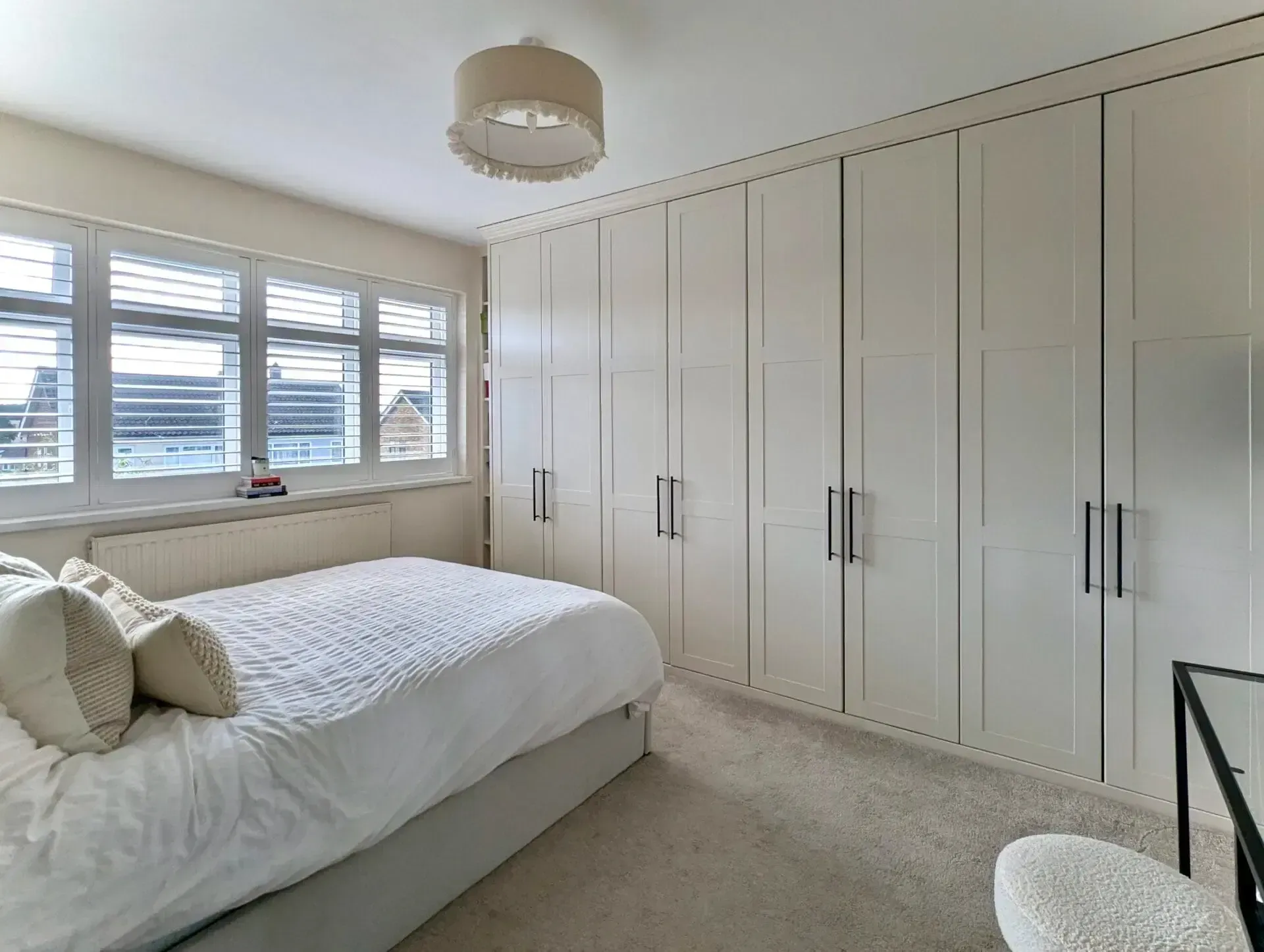
Humphries Cabinets works extensively across Fulham, Hammersmith, Chelsea, and the surrounding boroughs, including in period properties within conservation areas and listed buildings. The team is experienced in designing fitted furniture that works with the architectural character of older homes and can advise on the right approach for properties with specific designations. See Fitted Wardrobes, Living Room, Alcove Units, and Hallways, and contact the team to arrange a free design visit.
Frequently Asked Questions
How do I find out if my property is in a conservation area?
The simplest way is to search your postcode on your local council's planning portal, where designated conservation areas are mapped. Hammersmith and Fulham, the Royal Borough of Kensington and Chelsea, and Wandsworth all publish their conservation area boundaries online. The Historic England website also has searchable mapping for listed buildings across England.
Does conservation area status affect what I can do inside my home?
Generally, no. Conservation area designation governs the external appearance of buildings — changes to windows, doors, rooflines, extensions, and facades. Internal alterations including fitted furniture are not subject to conservation area controls. The exception is if your property is also individually listed, in which case internal alterations may require listed building consent.
What's the difference between a conservation area and a listed building?
A conservation area designates a street, neighbourhood, or area for its group architectural or historic character. It primarily restricts changes to building exteriors within that area. A listed building is an individual property designated for its specific architectural or historic interest. Listed building controls apply to both the exterior and interior of the property, including internal alterations.
If I live in a listed building, can I still fit a wardrobe?
In most cases, yes. Fitting a wardrobe against a plain plastered wall without disturbing any original features or historic fabric is unlikely to require listed building consent. The concern arises when the work would alter, cover, or damage something that contributes to the building's listed character — original panelling, historic shutters, decorative plasterwork, or similar elements. The local conservation officer can give informal guidance on your specific situation.
Do I need to inform the council before commissioning fitted furniture in a conservation area?
For the vast majority of fitted furniture projects in conservation area properties that are not individually listed, no notification to the council is required. The work is internal, doesn't alter the external appearance of the building, and falls outside the scope of what conservation area controls govern.
What happens if I carry out internal alterations in a listed building without consent?
Carrying out works that require listed building consent without obtaining it is a criminal offence under the Planning (Listed Buildings and Conservation Areas) Act 1990, regardless of whether planning permission would have been required for the same work in an unlisted building. The local authority can require the works to be reversed. This is why checking with the conservation officer before any internal alteration in a listed building is strongly advisable.
Are there conservation areas in Wandsworth that cover fitted furniture restrictions?
No. Conservation areas in Wandsworth, as elsewhere in London, govern external changes to buildings rather than internal alterations. Fitted furniture in a conservation area property in Wandsworth — whether in Battersea, Clapham, or another conservation area — does not require conservation area consent. Only properties that are individually listed carry internal alteration controls.
Why Choose Humphries Cabinets
Navigating conservation area and listed building rules feels more complicated than it usually is for the majority of projects. For most Fulham and SW London homeowners, fitted furniture inside the home is unrestricted. Where there is genuine complexity — a listed building, an original feature that needs to be respected — Humphries Cabinets has the experience to design around it and the knowledge to advise on the right approach before any work begins.
Contact Humphries Cabinets to arrange your free design consultation and discuss your property’s specific situation.