Designing Custom Home Office Cabinets for Hybrid Working
Hybrid working has reshaped how we use our homes. What was once an occasional workspace at the dining table has evolved into a permanent requirement for many professionals across London. Whether working remotely full-time or splitting the week between office and home, the need for a functional, organised, and comfortable workspace is now essential.
In many London properties—particularly flats and period homes—space is limited. A dedicated office room may not always be available. Instead, homeowners must integrate productive workspaces into bedrooms, living areas, or alcoves. This is where custom home office cabinets become invaluable.
Bespoke cabinetry allows you to create a tailored, efficient workspace that supports hybrid working without compromising the style and flow of your home. This guide explores how thoughtfully designed home office cabinets can maximise productivity, organisation, and long-term flexibility.
Understanding the Needs of Hybrid Working
Hybrid working requires a balance between professional efficiency and residential comfort. Unlike traditional offices, home workspaces must:
- Integrate seamlessly into living areas.
- Accommodate technology and storage needs.
- Maintain a clutter-free appearance.
- Transition easily between work and personal time.
A poorly designed setup can blur boundaries and create stress. Custom cabinetry provides structure, ensuring everything has its place and can be concealed when the workday ends.
Assessing the Available Space
The first step in designing custom office cabinets is understanding where the workspace will sit within the home.
Common locations include:
- Spare bedrooms.
- Living room alcoves.
- Hallway recesses.
- Loft conversions.
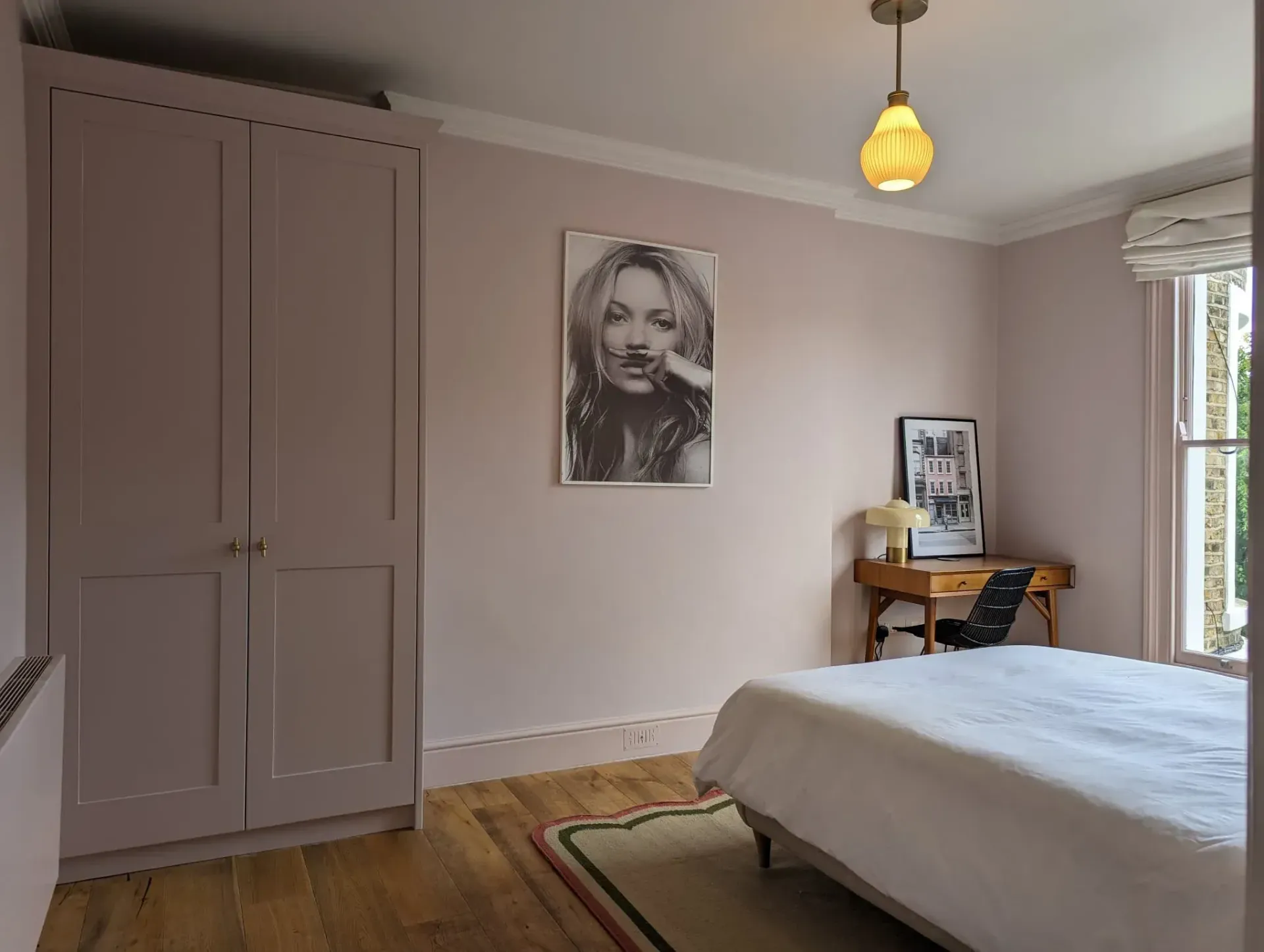
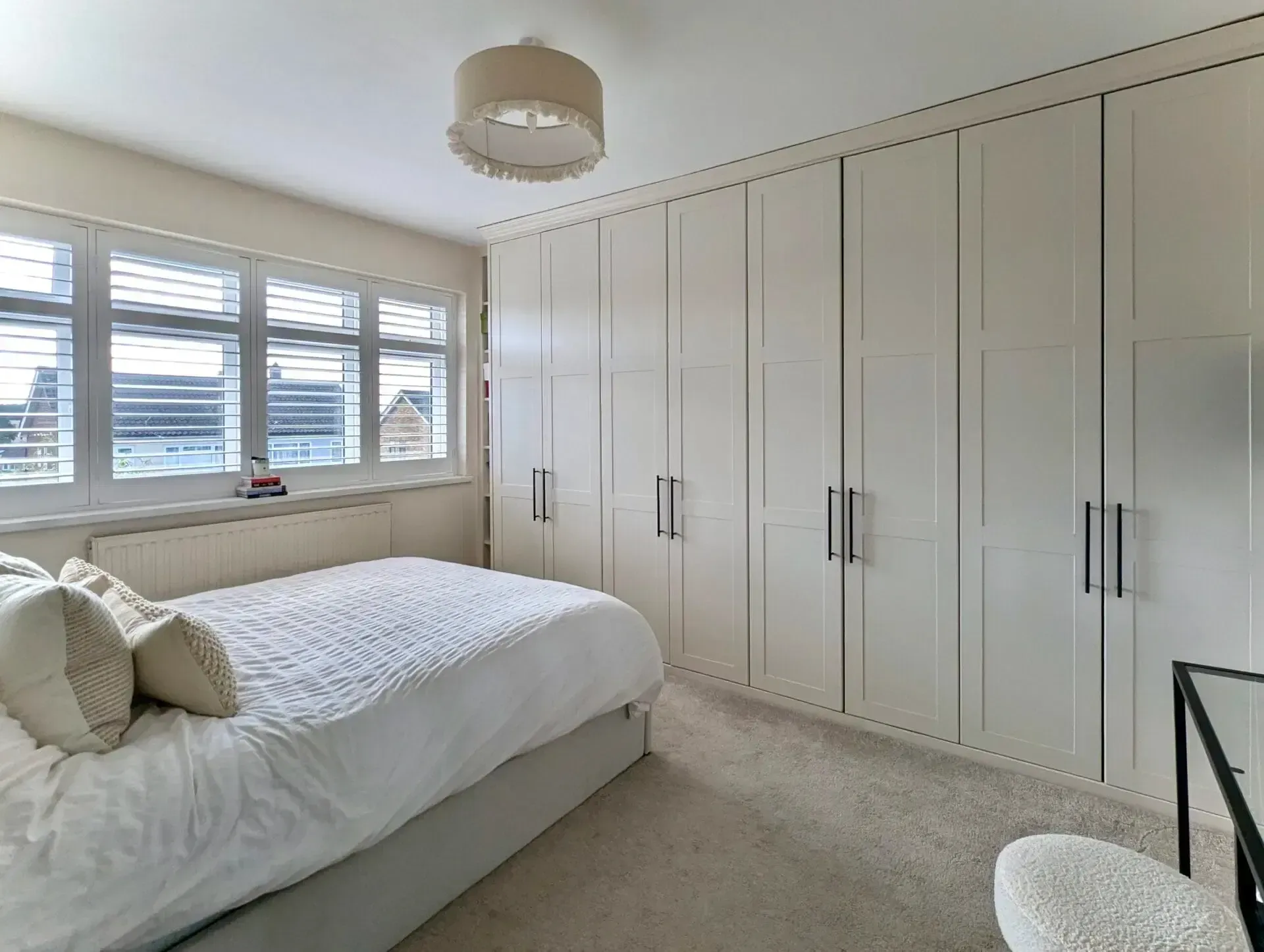
- Integrated wall units within bedrooms.
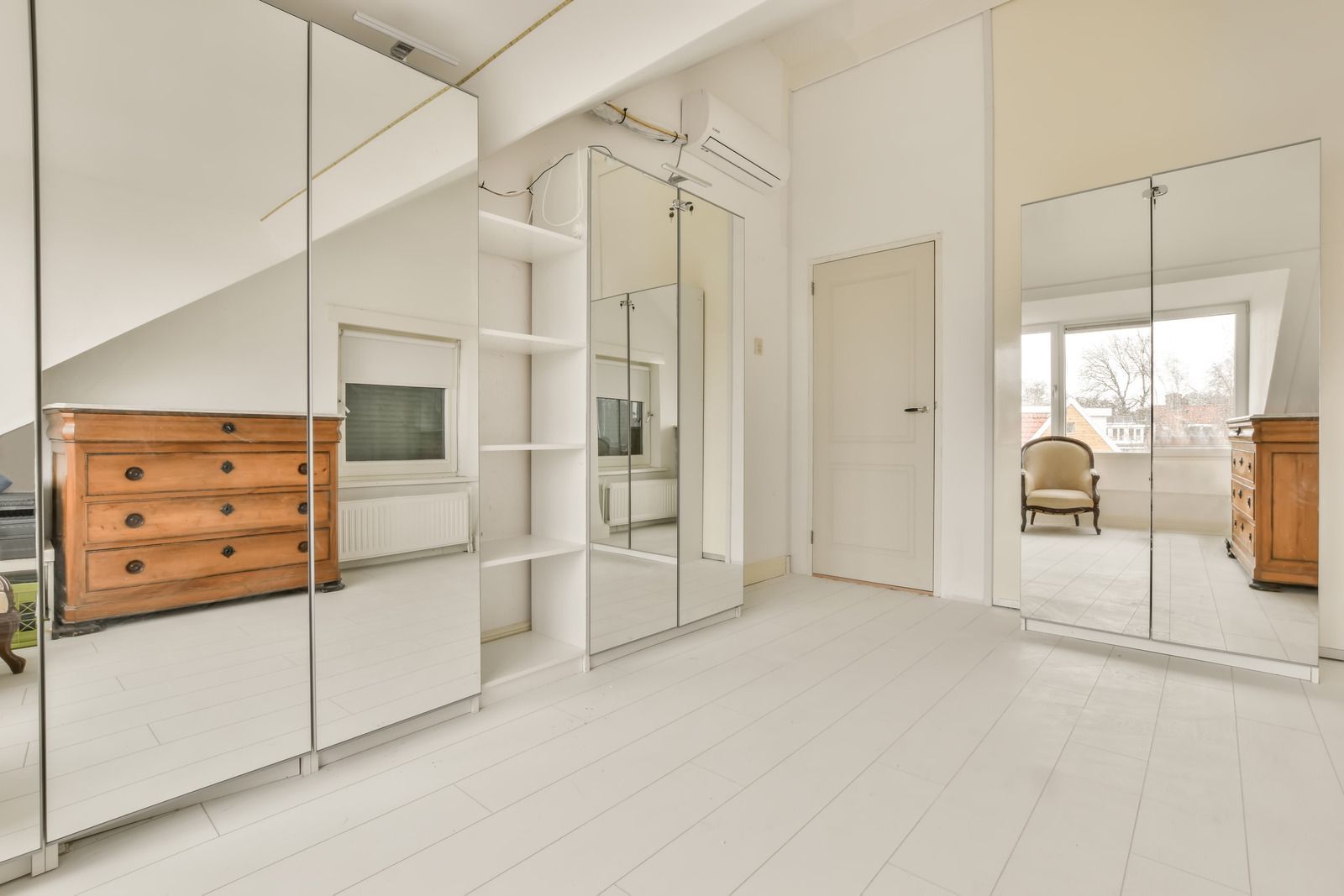
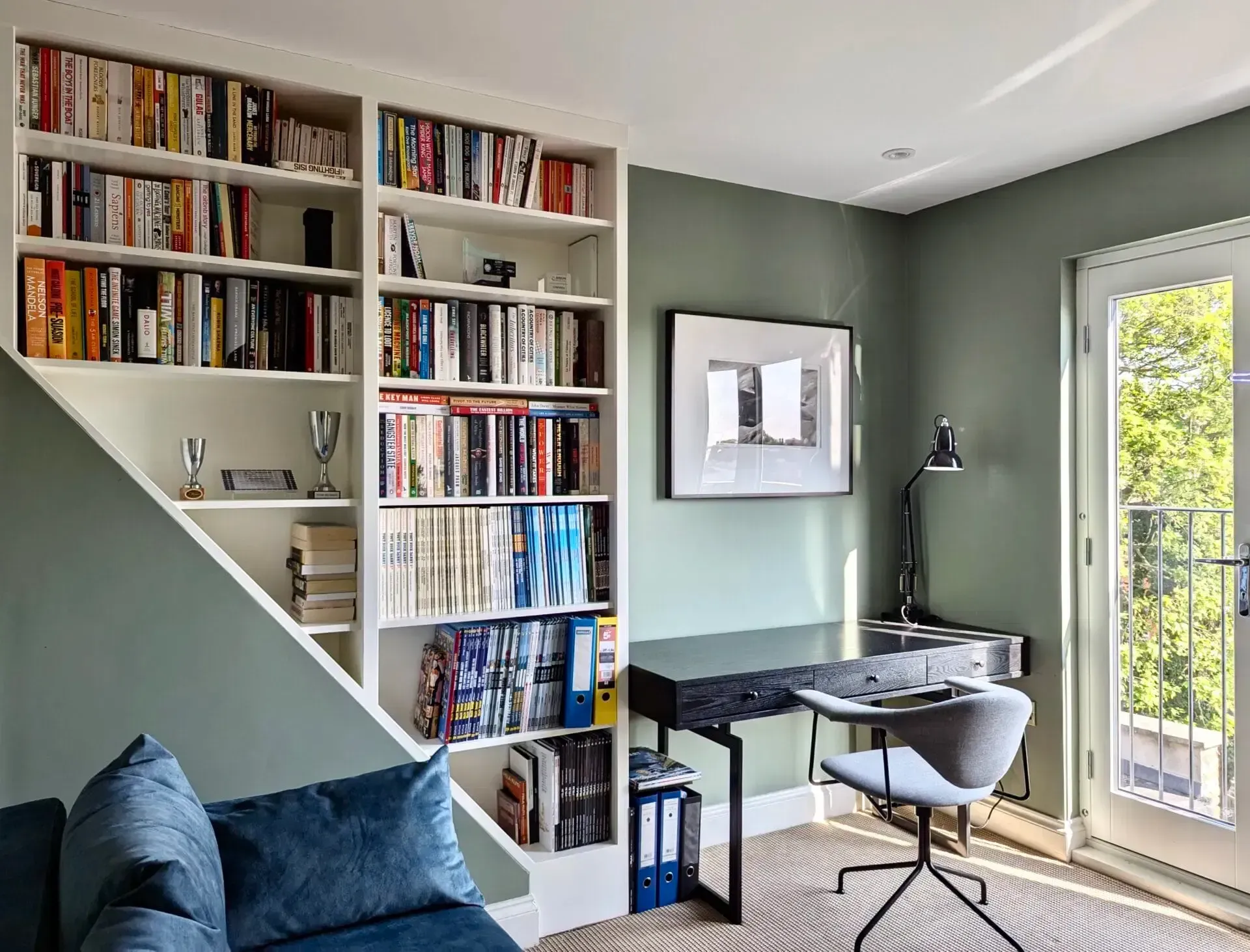
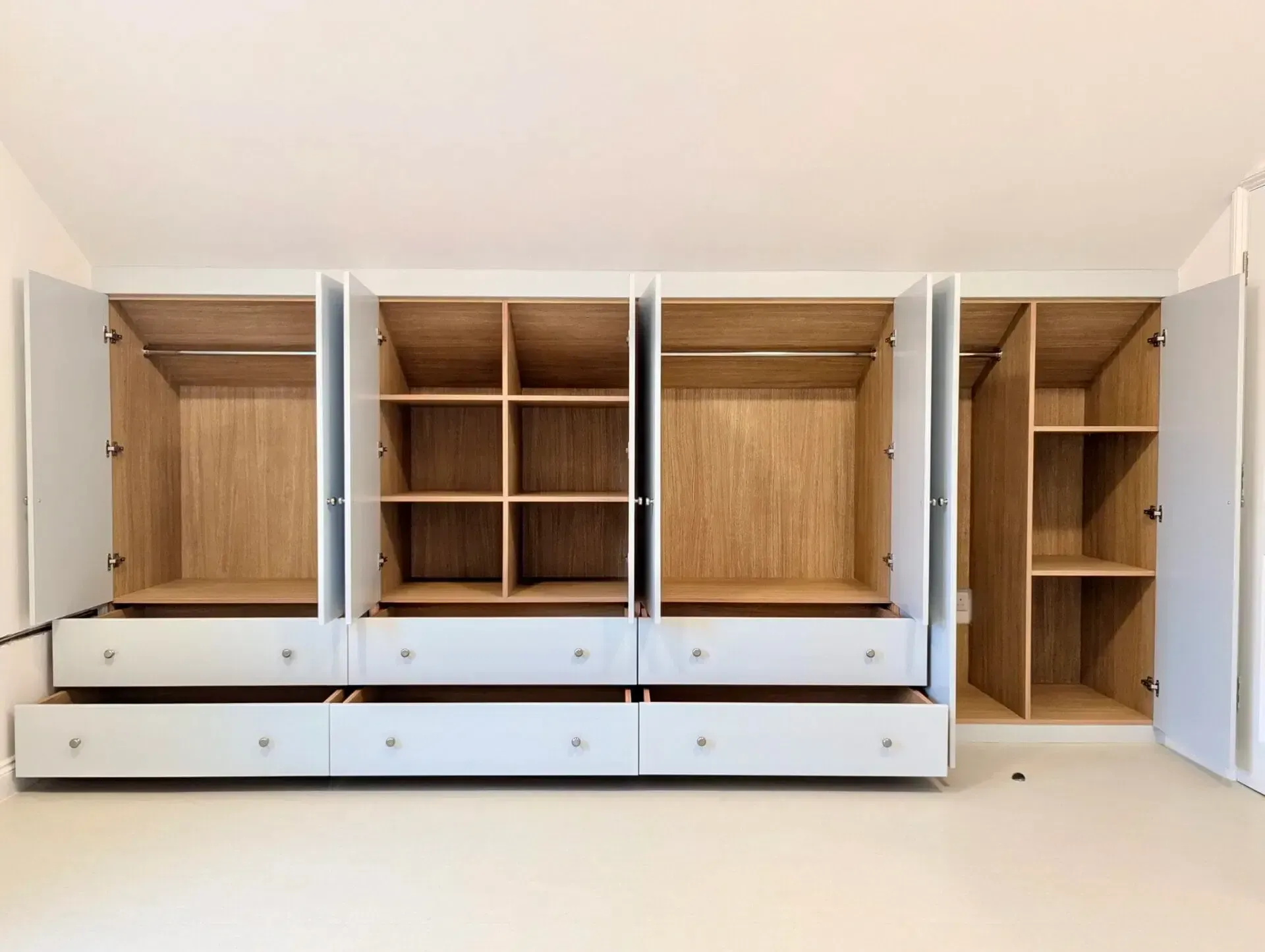
Even compact areas can become highly functional with precise measurements and tailored design. Bespoke cabinetry allows you to utilise awkward corners, sloped ceilings, and narrow wall sections that freestanding desks cannot accommodate effectively.
Built-In Desks for Seamless Integration
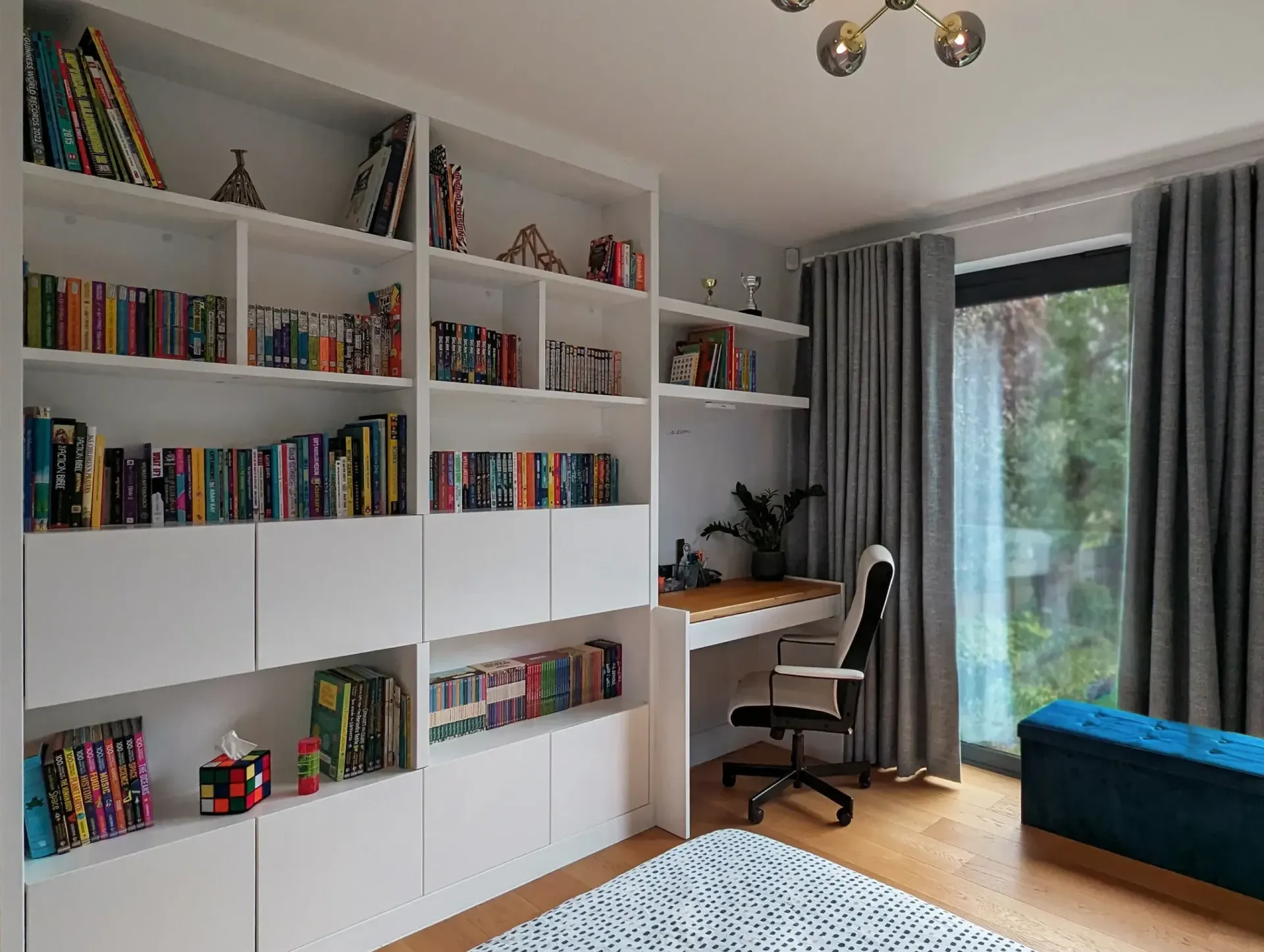
A built-in desk forms the centrepiece of most home office designs.
Unlike standalone desks, integrated worktops:
- Fit wall-to-wall or alcove-to-alcove.
- Eliminate wasted gaps.
- Provide a stable and spacious surface.
- Create a cohesive architectural look.
The desk can be designed at the optimal height for ergonomic comfort, with adequate depth to accommodate monitors and paperwork.
Floating desk designs also work well in smaller spaces, maintaining floor visibility and contributing to a lighter aesthetic.
Maximising Vertical Storage
In London homes, floor space is often limited—but vertical space offers untapped potential.
Custom office cabinets can extend from floor to ceiling, providing:
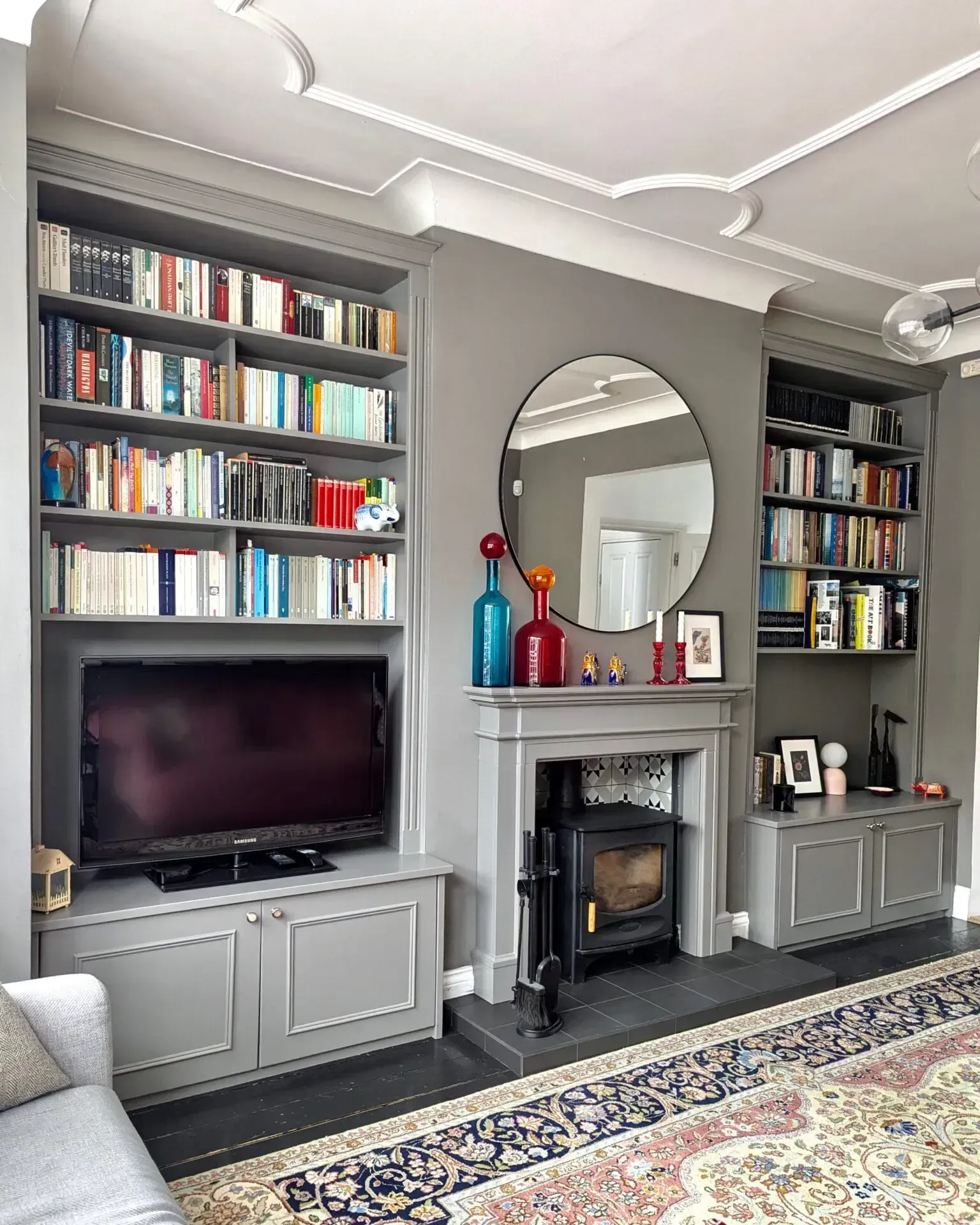
- Shelving for books and files.
- Closed cupboards for confidential documents.
- Display areas for decorative items.
- Upper cabinets for infrequently used materials.
This approach ensures essential work items remain accessible while reducing clutter.
Using vertical space also draws the eye upward, helping smaller rooms feel more expansive.
Concealed Storage for a Clean Finish
One of the greatest challenges of hybrid working is maintaining a distinction between professional and personal environments.
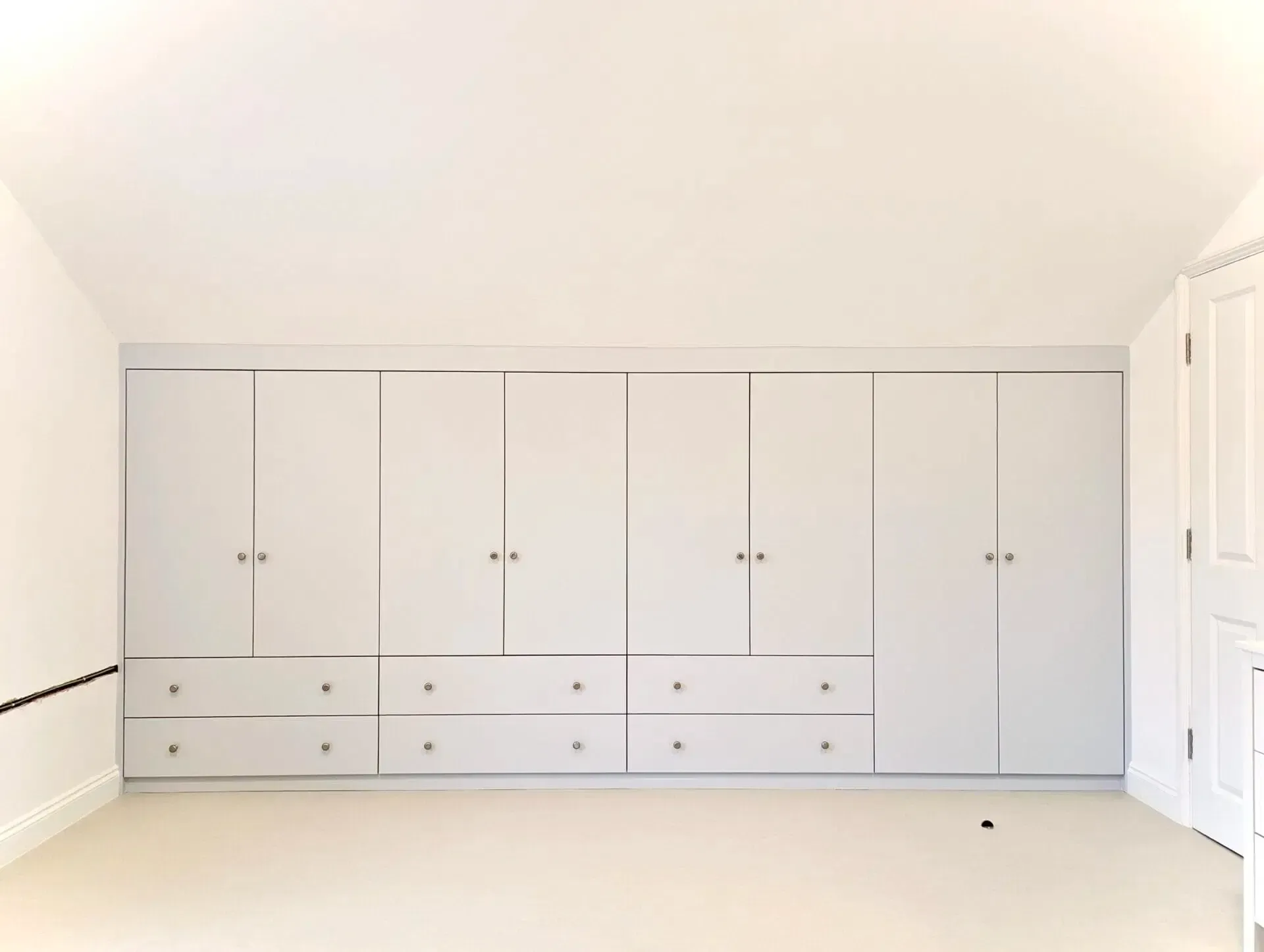
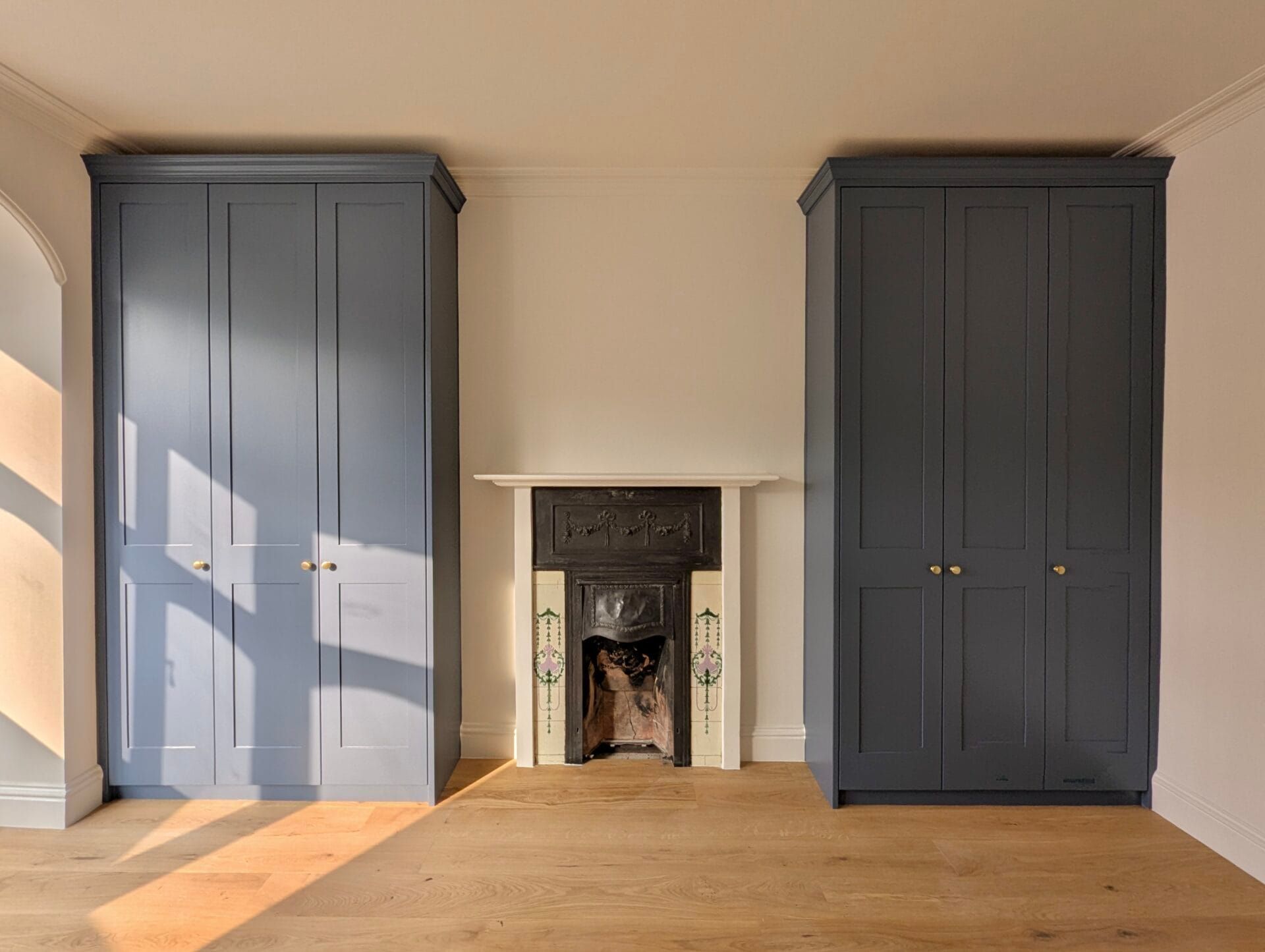
Closed cabinetry allows work-related items to be hidden when not in use. This is particularly important in shared living spaces.
Options include:
- Soft-close doors concealing shelving.
- Sliding panels to hide entire workstations.
- Pocket doors that retract seamlessly.
- Fold-down desks integrated into cabinet walls.
At the end of the day, doors can be closed to restore a calm, residential atmosphere.
Smart Cable Management Solutions
Technology is central to hybrid working, but visible cables can quickly disrupt a clean design.
Custom office cabinetry can incorporate:
- Integrated cable channels.
- Concealed power sockets.
- Built-in charging drawers.
- Grommets for tidy cable routing.
- Hidden compartments for routers and printers.
By planning cable management from the outset, the workspace remains streamlined and professional.
Storage Tailored to Your Workflow
No two professionals have identical storage needs.
A bespoke approach allows cabinets to be configured according to your workflow:
- Filing drawers sized for documents.
- Adjustable shelving for reference materials.
- Pull-out trays for printers.
- Lockable compartments for sensitive items.
- Dedicated zones for stationery and office supplies.
When storage is organised logically, daily routines become more efficient and less stressful.
Ergonomic Considerations
Comfort is crucial for long-term productivity.
Custom cabinetry enables:
- Desk heights tailored to your posture.
- Space for ergonomic chairs.
- Adjustable shelving within easy reach.
- Adequate leg clearance.
- Monitor stands integrated into shelving.
By designing around ergonomics rather than adapting to generic furniture dimensions, you reduce strain and improve focus.
Lighting That Supports Productivity
Lighting plays a critical role in home office design.
A layered lighting approach enhances both functionality and ambience:
Task Lighting
Integrated LED strips beneath shelving illuminate the desk surface clearly.
Ambient Lighting
Soft ceiling or wall lighting ensures overall comfort.
Accent Lighting
Subtle lighting within cabinets adds sophistication and depth.
Where possible, positioning the desk near natural light improves mood and concentration. Custom cabinetry can be designed to maximise available daylight without causing glare on screens.
Material and Finish Selection
The finish of your home office cabinetry should reflect both professionalism and harmony with the surrounding interior.
Popular options include:
- Matte painted finishes for subtle elegance.
- Natural wood veneers for warmth.
- Neutral tones that blend seamlessly into living areas.
- Textured panels for added character.
In multifunctional rooms, choosing finishes that match existing décor ensures the workspace does not dominate the space.
Durable, scratch-resistant materials are particularly important in high-use work areas.
Multi-Functional Cabinetry for Flexible Living
Hybrid working often requires adaptability.
Custom office cabinets can incorporate multi-functional elements such as:
- Fold-away desks.
- Integrated shelving that doubles as display space.
- Cabinet beds for dual-purpose guest rooms.
- Sliding partitions to divide work zones.
In smaller London flats, flexibility ensures the home office does not permanently occupy valuable living space.
Designing for Video Conferencing
With virtual meetings now routine, the visual backdrop of your workspace matters.
Cabinetry can be designed to create a professional background featuring:
- Symmetrical shelving.
- Soft lighting.
- Neutral tones.
- Carefully styled display areas.
Avoid cluttered or distracting backgrounds by incorporating concealed storage for everyday items.
A well-designed backdrop enhances confidence and professionalism during virtual meetings.
Acoustic Considerations
In busy households or apartments, managing sound is important.
Cabinetry with solid panels and soft furnishings can help absorb noise. Positioning shelving strategically can reduce echo and create a quieter working environment.
Although not a full soundproofing solution, thoughtful layout can improve acoustic comfort.
Future-Proofing Your Home Office
Work habits may continue to evolve. Designing cabinetry with adaptability in mind ensures long-term relevance.
Consider:
- Adjustable shelving.
- Modular drawer inserts.
- Flexible desk extensions.
- Space for additional technology.
A future-proof design prevents the need for frequent reconfiguration or replacement.
Enhancing Property Appeal
As hybrid working remains widespread, dedicated home office spaces are increasingly desirable to buyers.
Well-designed custom cabinetry signals:
- Practicality.
- Investment in quality.
- Efficient use of space.
- Move-in-ready convenience.
In London’s competitive property market, a thoughtfully integrated home office can differentiate your home from others.
Maintaining Work-Life Balance Through Design
Perhaps the most important function of custom home office cabinets is helping maintain boundaries.
By creating a structured, organised workspace that can be visually closed off, cabinetry supports mental separation between work and home life.
When the workday ends, shutting cabinet doors symbolically concludes the day—restoring the room to its personal purpose.
Conclusion
Hybrid working demands more from our homes than ever before. Designing custom home office cabinets offers a sophisticated solution—balancing productivity, organisation, and style within limited space.
From built-in desks and vertical storage to concealed cable management and professional backdrops, bespoke cabinetry transforms even compact areas into efficient work environments.
At Humphries Cabinets, we design tailored home office solutions that integrate seamlessly into London homes. With expert craftsmanship, premium finishes, and intelligent layouts, we create cabinetry that supports hybrid working while preserving the comfort and elegance of your living space.
Recent Posts