The Process Behind Creating a Truly Bespoke Wardrobe
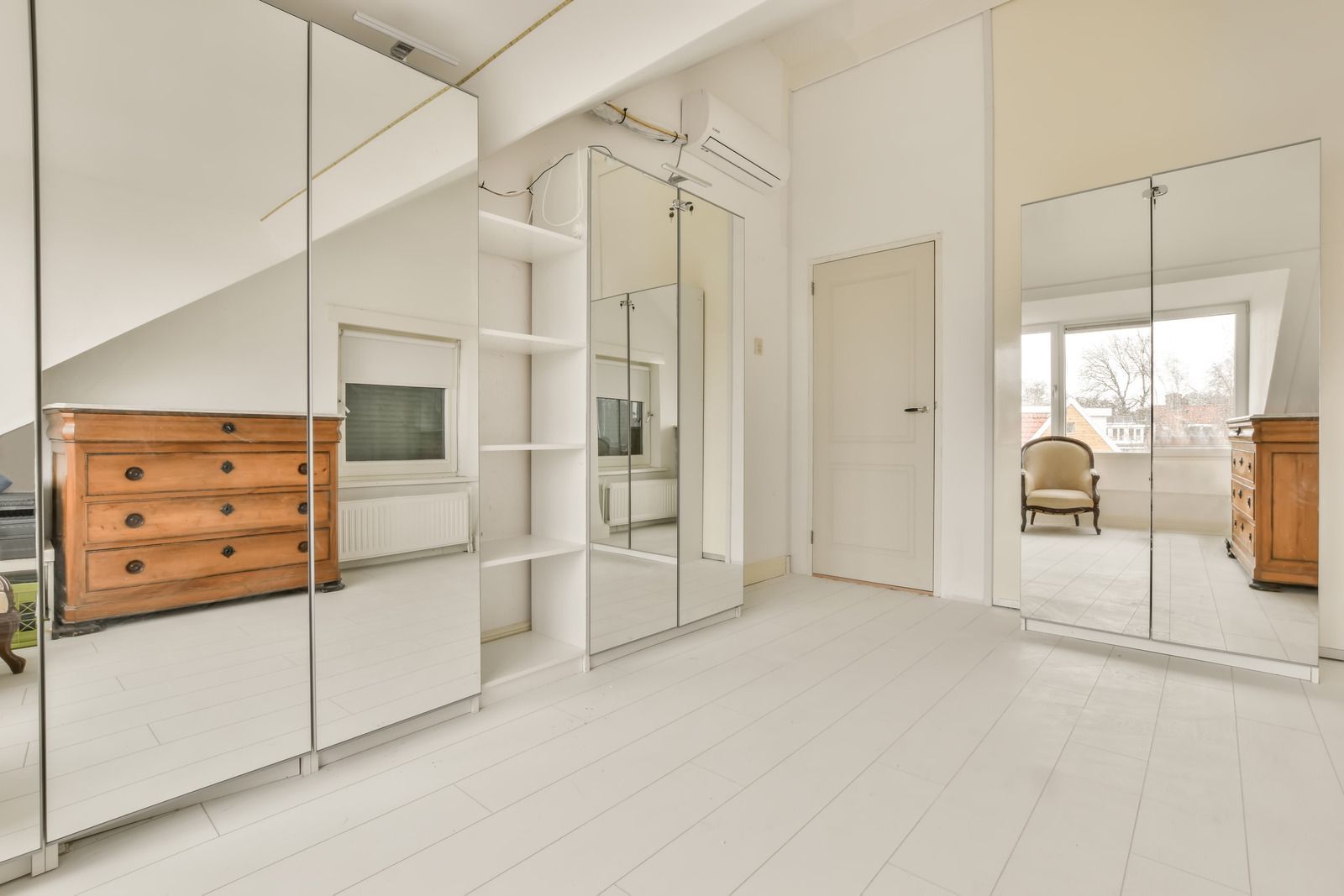
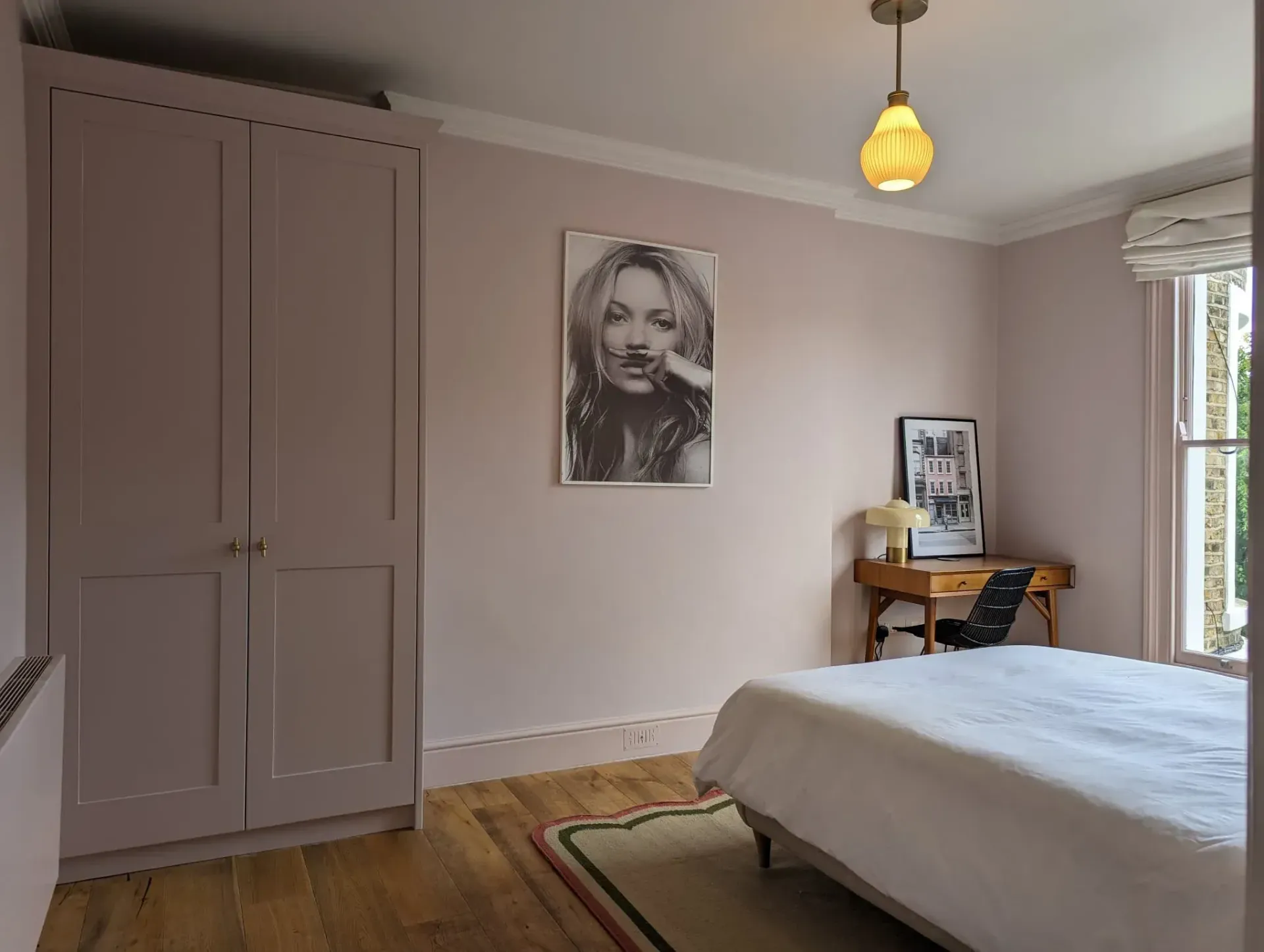
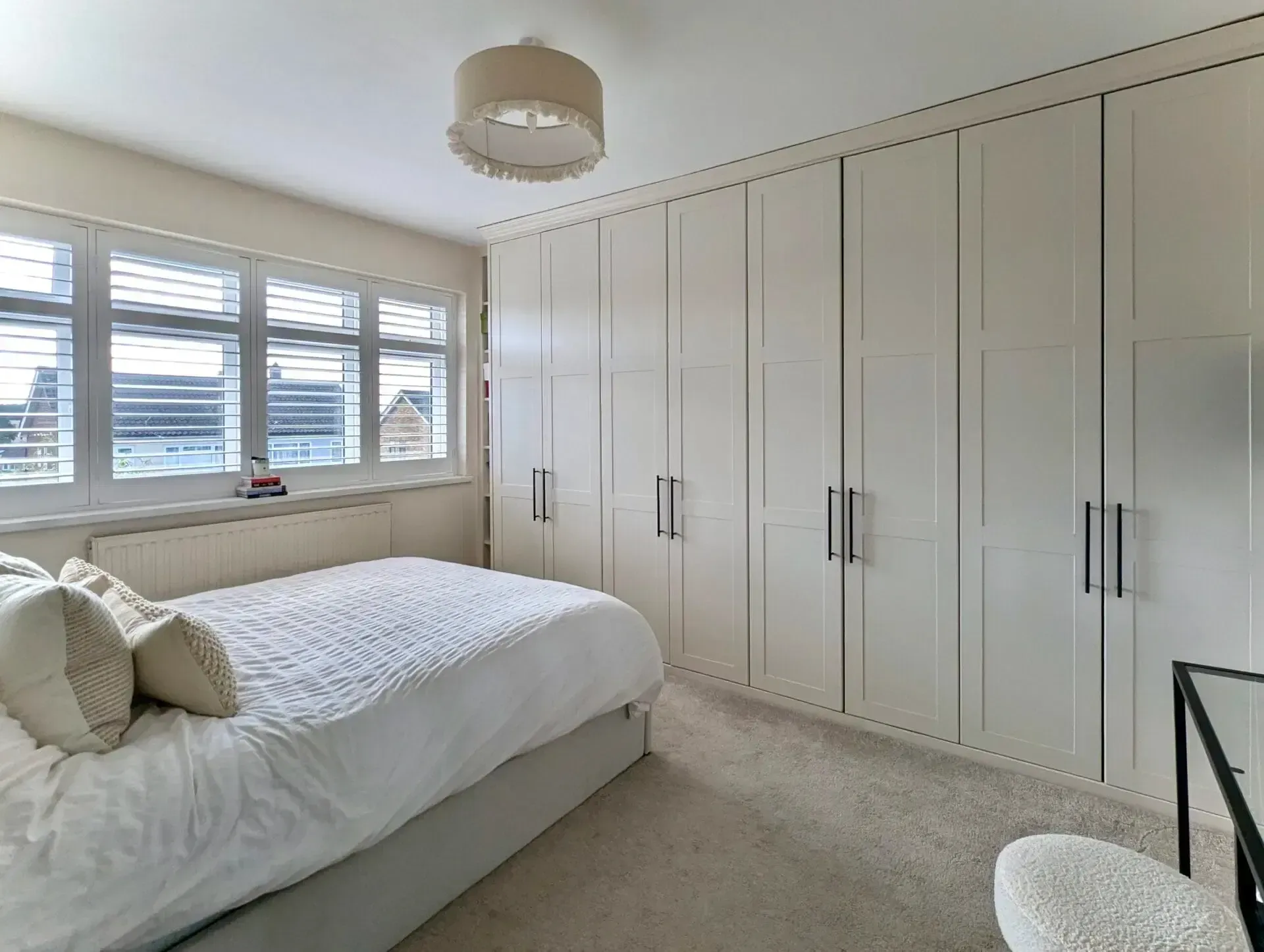
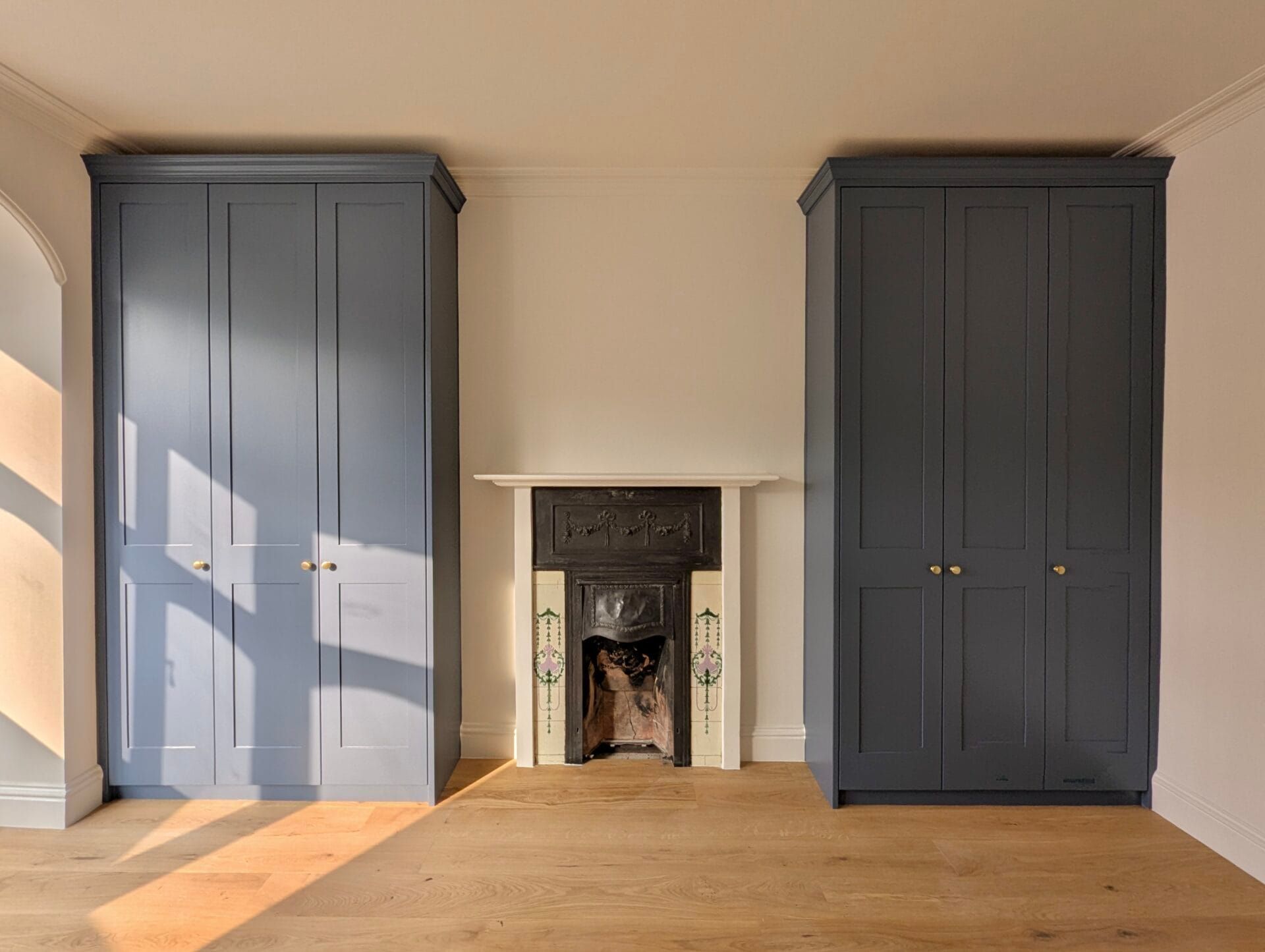
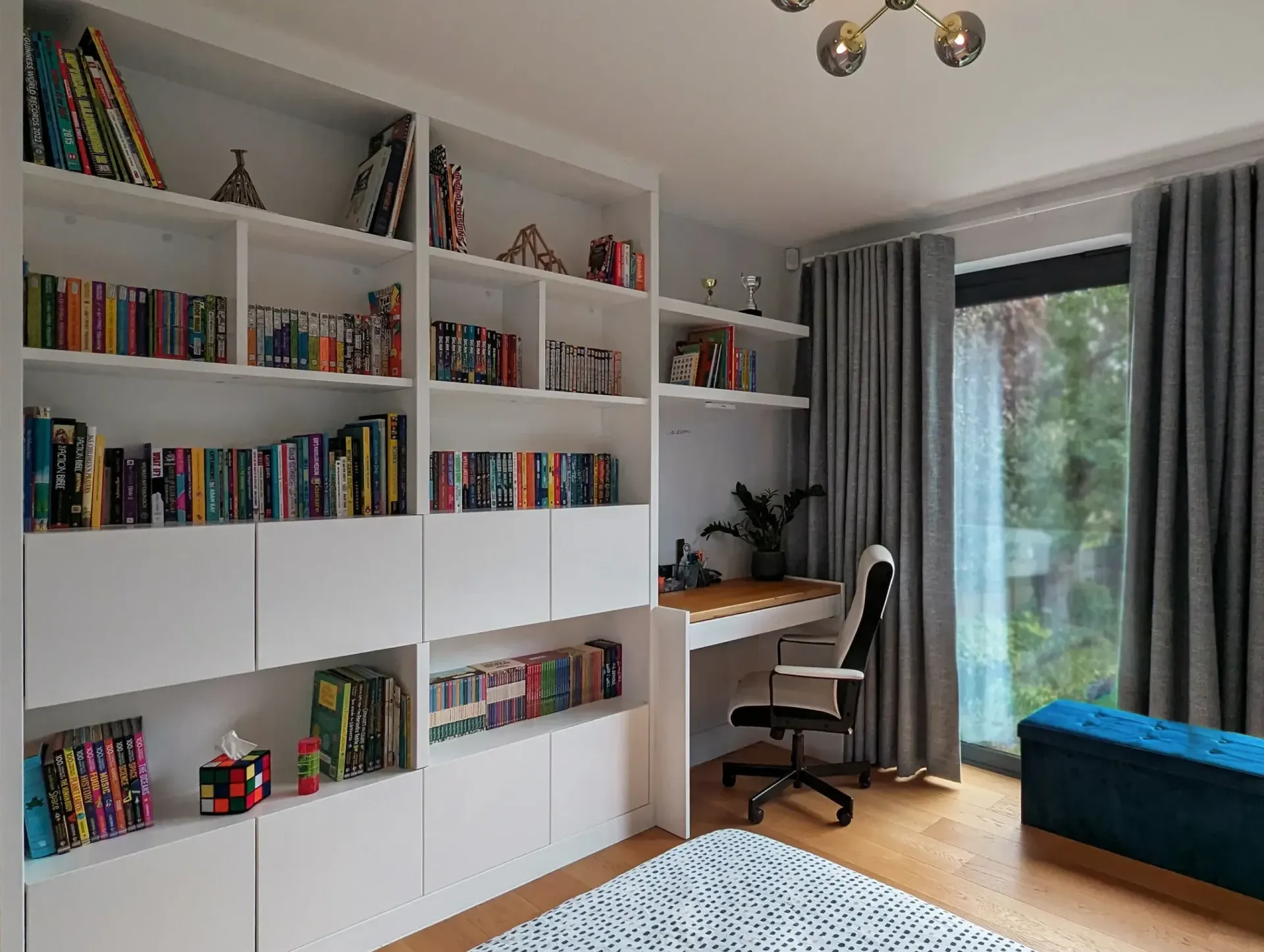
A truly bespoke wardrobe is far more than fitted storage. It is a carefully crafted solution designed around your space, lifestyle, and aesthetic preferences. Unlike off-the-shelf furniture, bespoke wardrobes are not adapted to fit a room—they are created specifically for it.
In London homes, where layouts often include alcoves, sloped ceilings, chimney breasts, and varying proportions, a tailored approach ensures that every centimetre is used intelligently. But what exactly goes into designing and installing a bespoke wardrobe?
Understanding the process helps homeowners appreciate the craftsmanship, planning, and precision involved. From initial consultation to final installation, this guide outlines the key stages behind creating a wardrobe that is genuinely bespoke.
Step 1: The Initial Consultation
Every bespoke wardrobe begins with a conversation.
The consultation stage focuses on understanding:
- Your storage needs.
- Your daily routines.
- The type of clothing and accessories you own.
- Your design preferences.
- The architectural features of the room.
This discussion ensures the wardrobe is designed around your lifestyle, not just the available space.
For example, someone with an extensive shoe collection will require different internal configurations compared to someone prioritising hanging space for suits or dresses. A family home may require flexible compartments, while a luxury apartment may prioritise display and lighting.
The goal at this stage is clarity—defining both practical requirements and stylistic direction.
Step 2: Site Survey and Precise Measurements
Accurate measurement is the foundation of bespoke cabinetry.
Unlike freestanding furniture, which works within approximate dimensions, a bespoke wardrobe must fit precisely into the room’s architecture.
During a detailed site survey, professionals measure:
- Ceiling height.
- Wall widths and depths.
- Floor levels.
- Skirting boards and cornicing.
- Chimney breasts and alcoves.
- Sloped ceilings or irregular angles.
In period properties, walls are often uneven. Floors may not be perfectly level. A bespoke wardrobe accounts for these variations, ensuring a seamless final result.
Precision at this stage prevents issues later and guarantees a tailored fit.
Step 3: Concept Design and Layout Planning
With measurements complete, the design process begins.
This stage involves translating practical requirements into a functional layout. Designers consider:
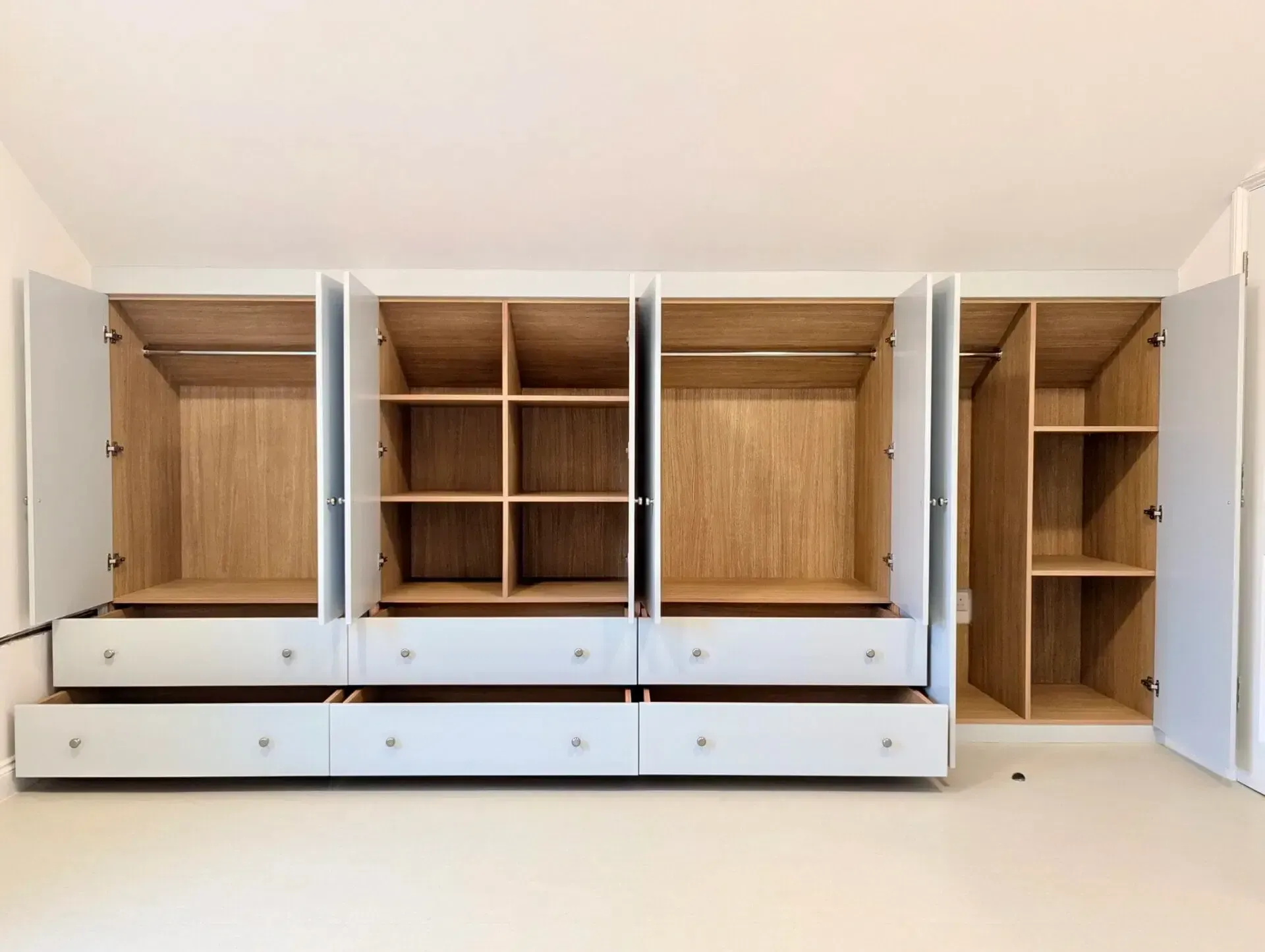
- Internal zoning. (hanging, shelving, drawers)
- Accessibility and ergonomics.
- Door types. (hinged, sliding, pocket)
- Circulation space within the room.
- Visual balance and symmetry.
The internal configuration is carefully planned. For example:
- Double hanging rails maximise space efficiency.
- Long hanging sections accommodate coats and dresses.
- Adjustable shelves allow flexibility over time.
- Dedicated compartments store accessories neatly.
At this stage, the wardrobe’s structure begins to take shape—both inside and out.
Step 4: Material and Finish Selection
Choosing materials and finishes is where the wardrobe’s personality emerges.
Options may include:
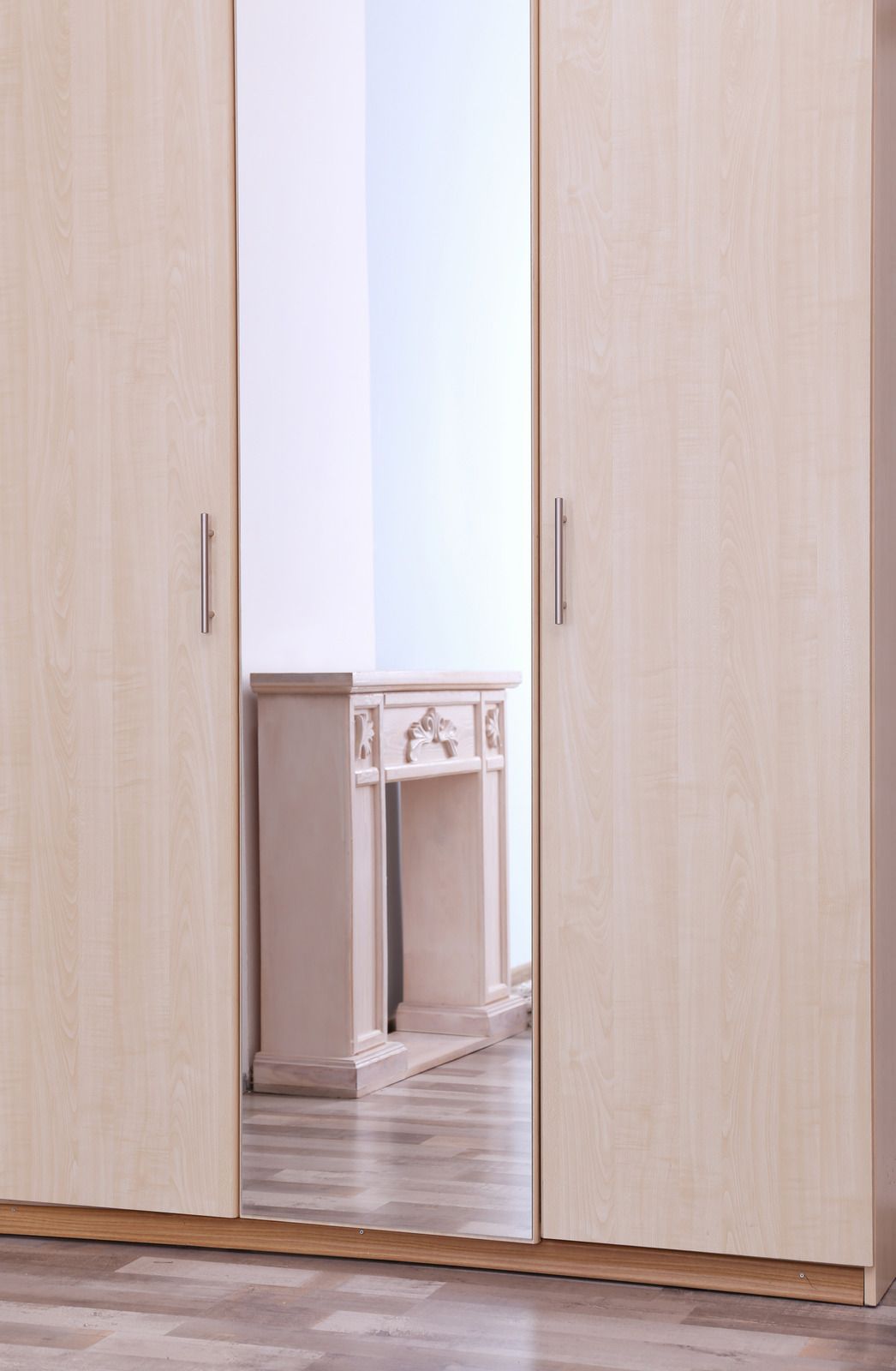
- Painted finishes in matte or satin.
- Natural wood veneers such as walnut or oak.
- Textured panels.
- Glass-fronted sections.
- Custom hardware in brass, chrome, or matte black.
Finish selection is guided by:
- The architectural style of the property.
- Existing décor.
- Desired mood. (minimalist, classic, contemporary)
- Durability requirements.
Samples are typically reviewed within the space to ensure lighting conditions complement the chosen finish.
This stage balances aesthetics with longevity, ensuring the wardrobe remains timeless.
Step 5: Integrating Lighting and Technical Features
Modern bespoke wardrobes often include integrated lighting and technical elements.
Designers may incorporate:
- LED strip lighting along shelves.
- Illuminated hanging rails.
- Motion sensors.
- Backlit mirrors.
- Integrated charging points.
- Concealed cable management.
Planning these features during the design stage ensures wiring and placement are discreet and functional.
Lighting is not added as an afterthought—it is integrated into the structure of the wardrobe itself.
Step 6: Detailed Technical Drawings
Before manufacturing begins, technical drawings are produced.
These drawings specify:
- Exact dimensions.
- Internal layouts.
- Material finishes.
- Door alignment.
- Hardware placement.
- Installation method.
Technical drawings ensure clarity between designers, craftsmen, and installers.
This level of precision distinguishes true bespoke cabinetry from semi-custom alternatives.
Step 7: Craftsmanship and Manufacturing
Once designs are finalised, the wardrobe moves into production.
Skilled craftsmen construct each component using high-quality materials and professional joinery techniques.
This stage includes:
- Cutting panels to precise measurements.
- Assembling carcasses.
- Finishing surfaces.
- Installing hardware.
- Preparing lighting components.
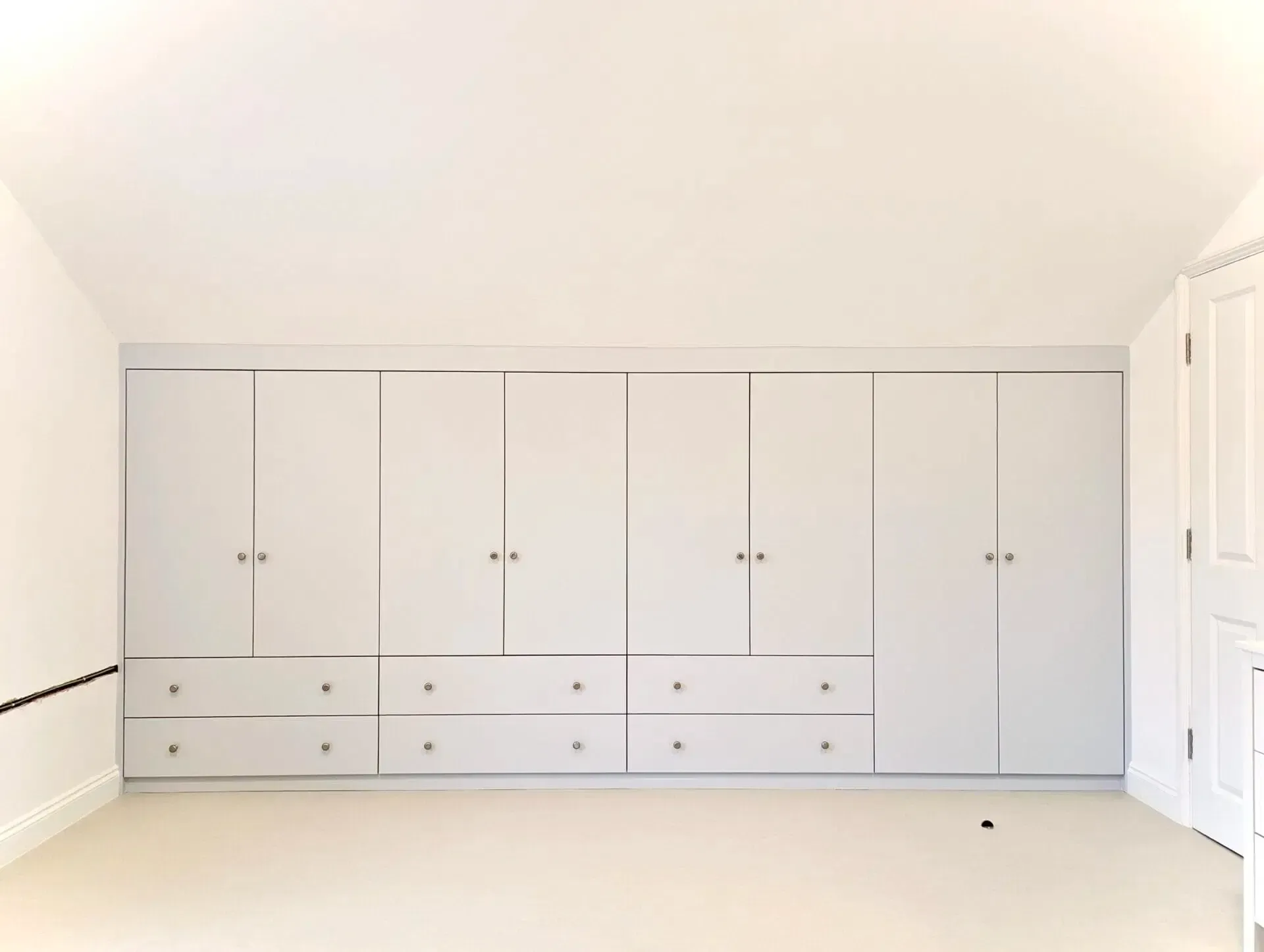
Attention to detail is critical. Edges must align perfectly. Doors must sit flush. Internal drawers must glide smoothly.
The craftsmanship stage is where design becomes tangible.
Step 8: Preparation for Installation
Before installation, the room must be prepared carefully.
This may involve:
- Protecting flooring and surrounding surfaces.
- Ensuring walls are ready for fitting.
- Coordinating with electricians if lighting is involved.
Proper preparation minimises disruption and ensures efficient installation.
Because bespoke wardrobes are tailored to exact measurements, precise preparation supports seamless fitting.
Step 9: Professional Installation
Installation is one of the most critical stages.
Experienced installers ensure:
- Units are level and secure.
- Doors align correctly.
- Gaps are eliminated.
- Skirting boards and cornicing integrate smoothly.
- Lighting systems function perfectly.
In period homes, installers often scribe panels to accommodate uneven walls or ceilings.
The goal is a flawless finish—where the wardrobe appears as though it has always been part of the room.
Step 10: Final Detailing and Quality Checks
Once installed, final detailing takes place.
This includes:
- Adjusting hinges and drawer alignment.
- Testing lighting systems.
- Cleaning surfaces.
- Inspecting finish consistency.
- Ensuring all components operate smoothly.
A thorough quality check guarantees that both functionality and appearance meet expectations.
It is this final attention to detail that elevates bespoke cabinetry above standard furniture solutions.
Step 11: Aftercare and Longevity
A truly bespoke wardrobe is designed to last for decades.
Homeowners receive guidance on:
- Cleaning and maintenance.
- Caring for painted or wood finishes.
- Adjusting shelving over time.
- Replacing lighting components if necessary.
Because materials are selected for durability, ongoing care is typically straightforward.
High-quality bespoke wardrobes maintain both structural integrity and aesthetic appeal long-term.
What Makes a Wardrobe Truly Bespoke?
Not all fitted wardrobes are genuinely bespoke.
A truly bespoke wardrobe is defined by:
- Tailored measurements specific to your room.
- Fully customised internal layouts.
- Flexible design choices.
- Integrated lighting and detailing.
- Skilled craftsmanship.
- Professional installation.
It is not adapted from a standard template—it is designed entirely around you and your space.
The Value of a Thoughtful Process
Each stage of the bespoke process contributes to the final outcome.
Rushed design or generic layouts can lead to wasted space or compromised aesthetics. By contrast, a considered approach ensures:
- Maximum storage efficiency.
- Seamless architectural integration.
- Timeless design.
- Enhanced property appeal.
In London homes, where space and style are equally important, this thoughtful process makes a significant difference.
Beyond Storage: Creating an Experience
A bespoke wardrobe is more than storage—it shapes how you begin and end each day.
When thoughtfully designed, it offers:
- Calm organisation.
- Effortless accessibility.
- Subtle luxury.
- Visual harmony.
From the first consultation to the final installation, every stage contributes to creating a wardrobe that feels intentional and refined.
Conclusion
Creating a truly bespoke wardrobe is a detailed, collaborative process. It begins with understanding your needs and ends with precise installation and finishing touches.
Through careful measurement, intelligent layout planning, premium material selection, skilled craftsmanship, and seamless installation, bespoke wardrobes deliver far more than storage—they deliver tailored functionality and enduring elegance.
At Humphries Cabinets, we guide homeowners through every stage of this journey. With meticulous attention to detail and a commitment to quality, we design and install wardrobes that enhance both everyday living and long-term value.
Recent Posts