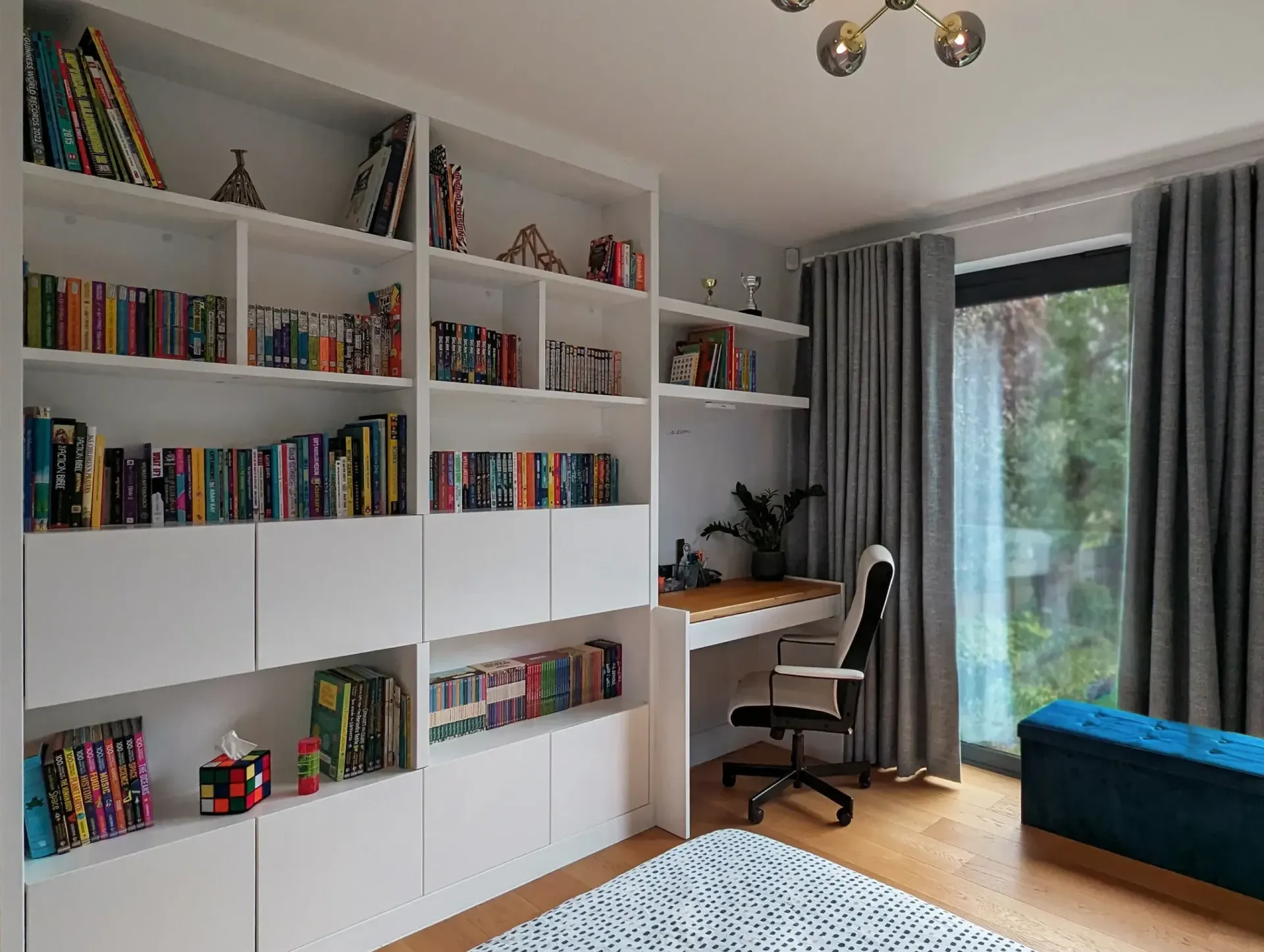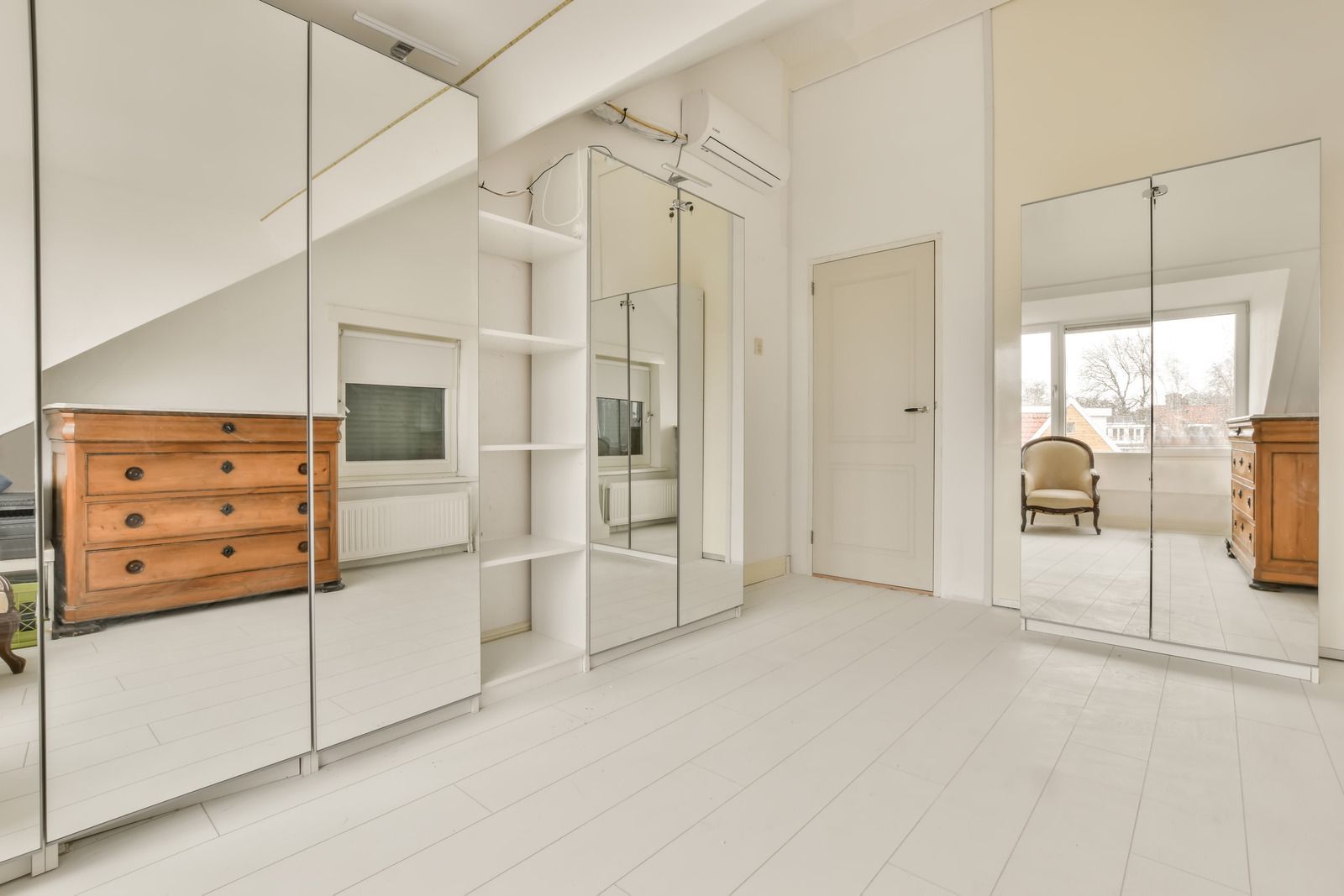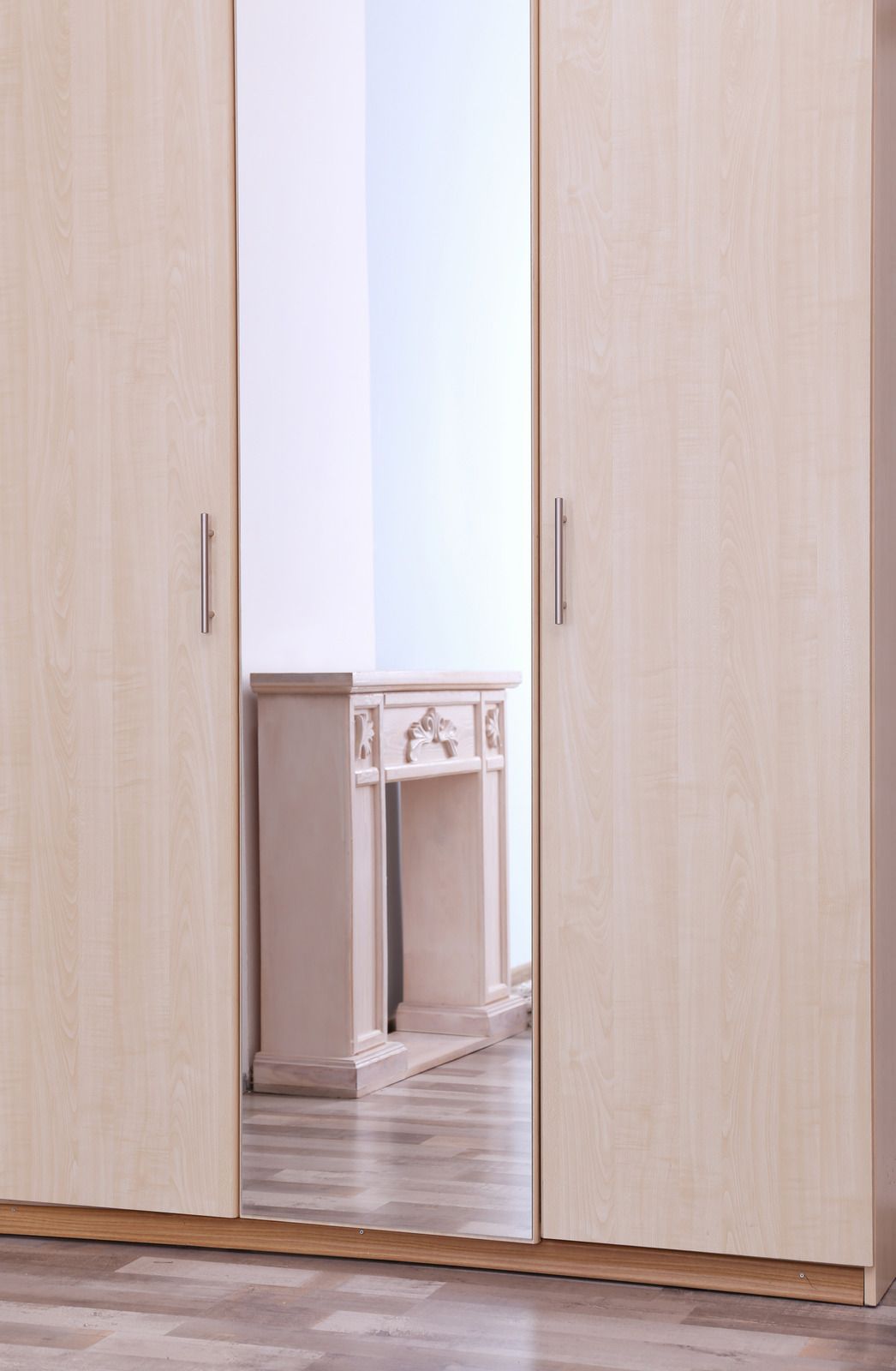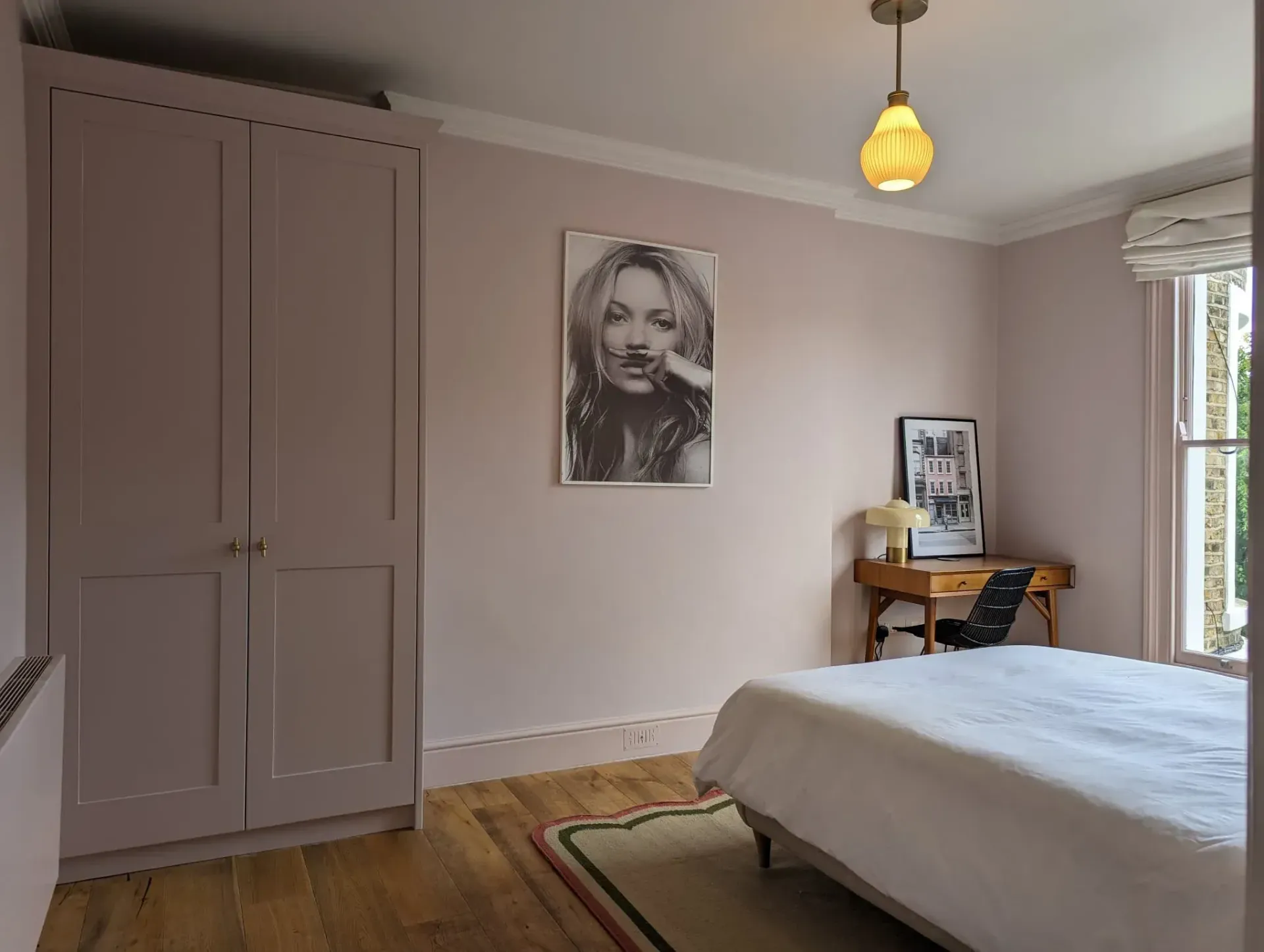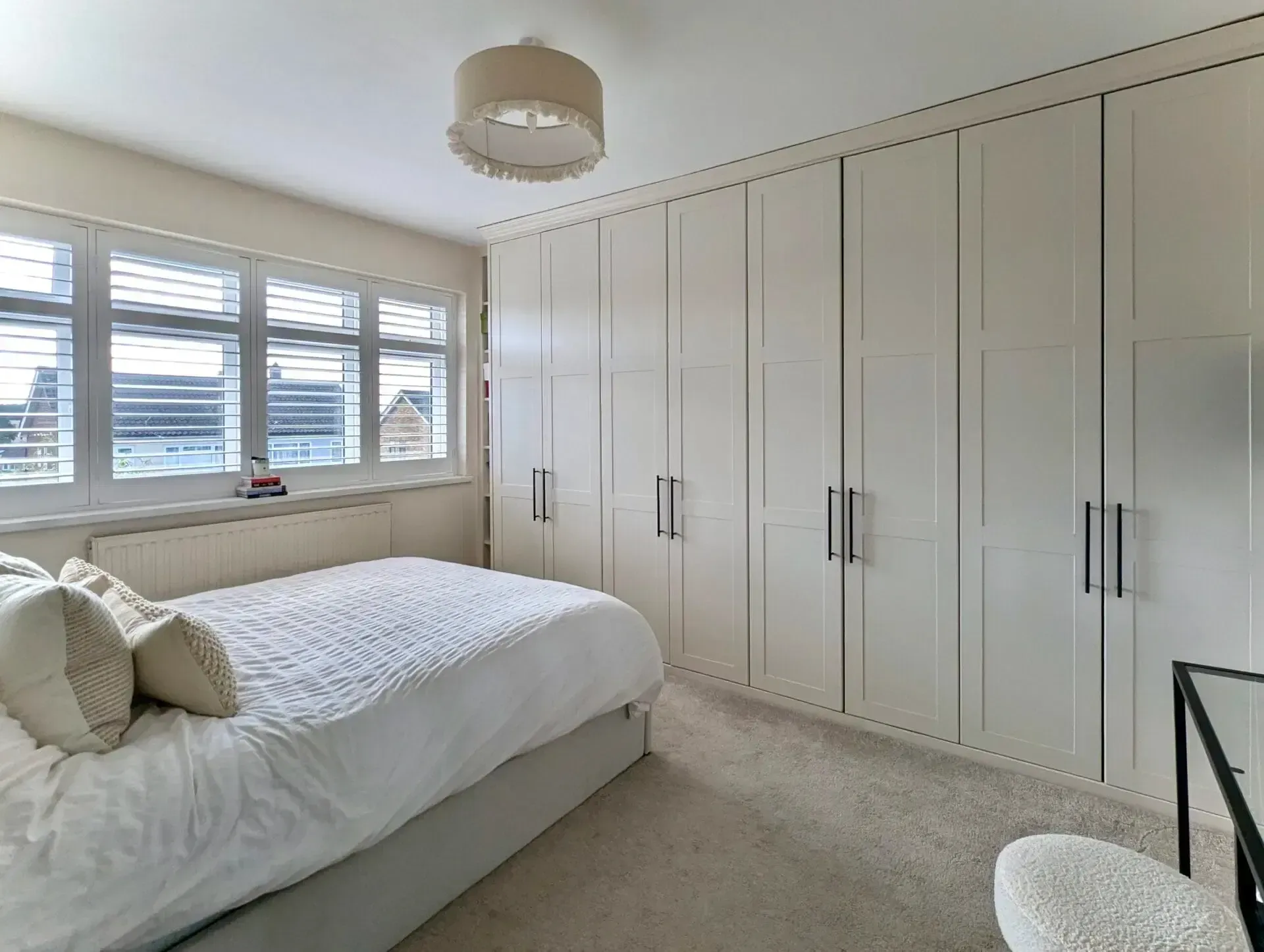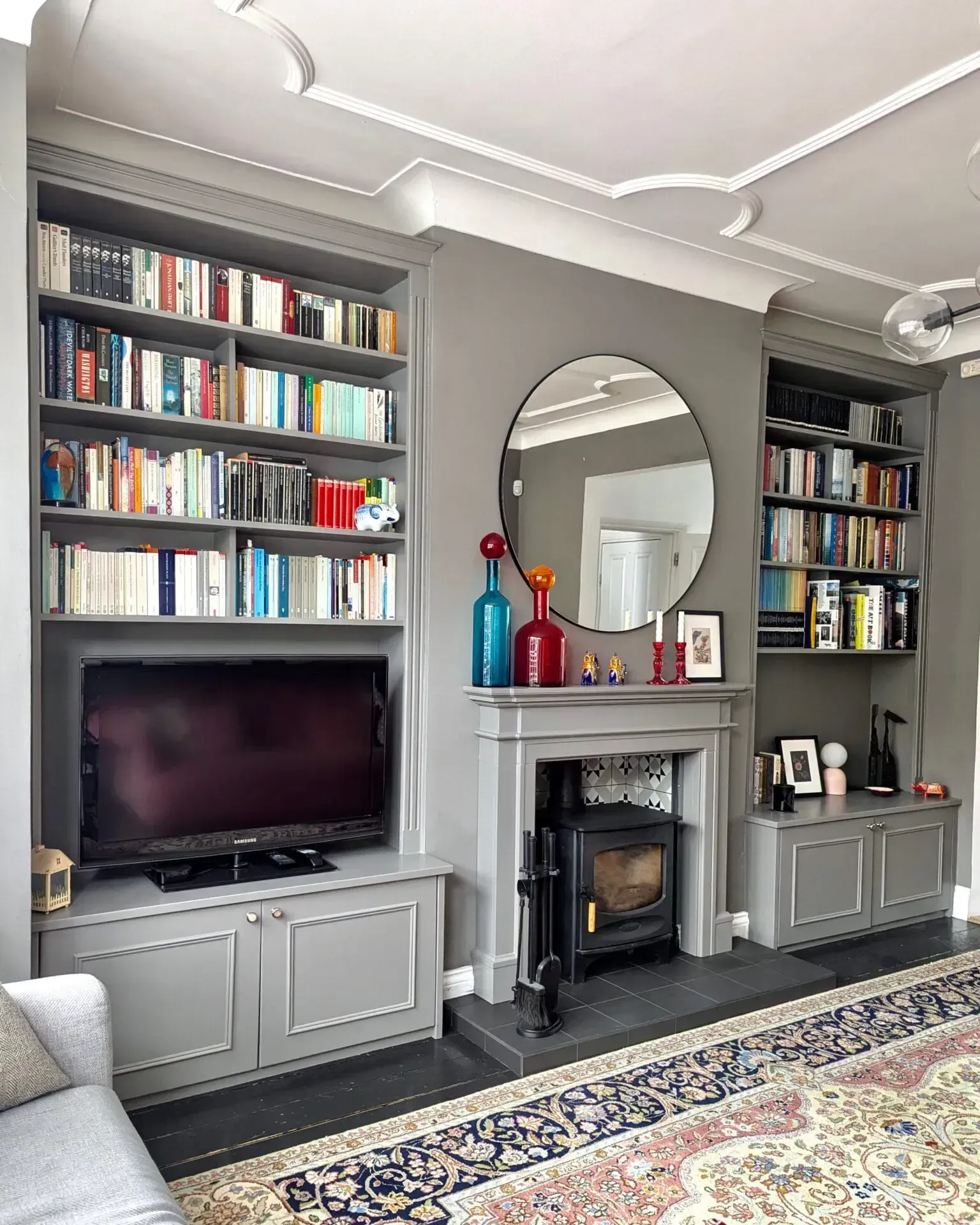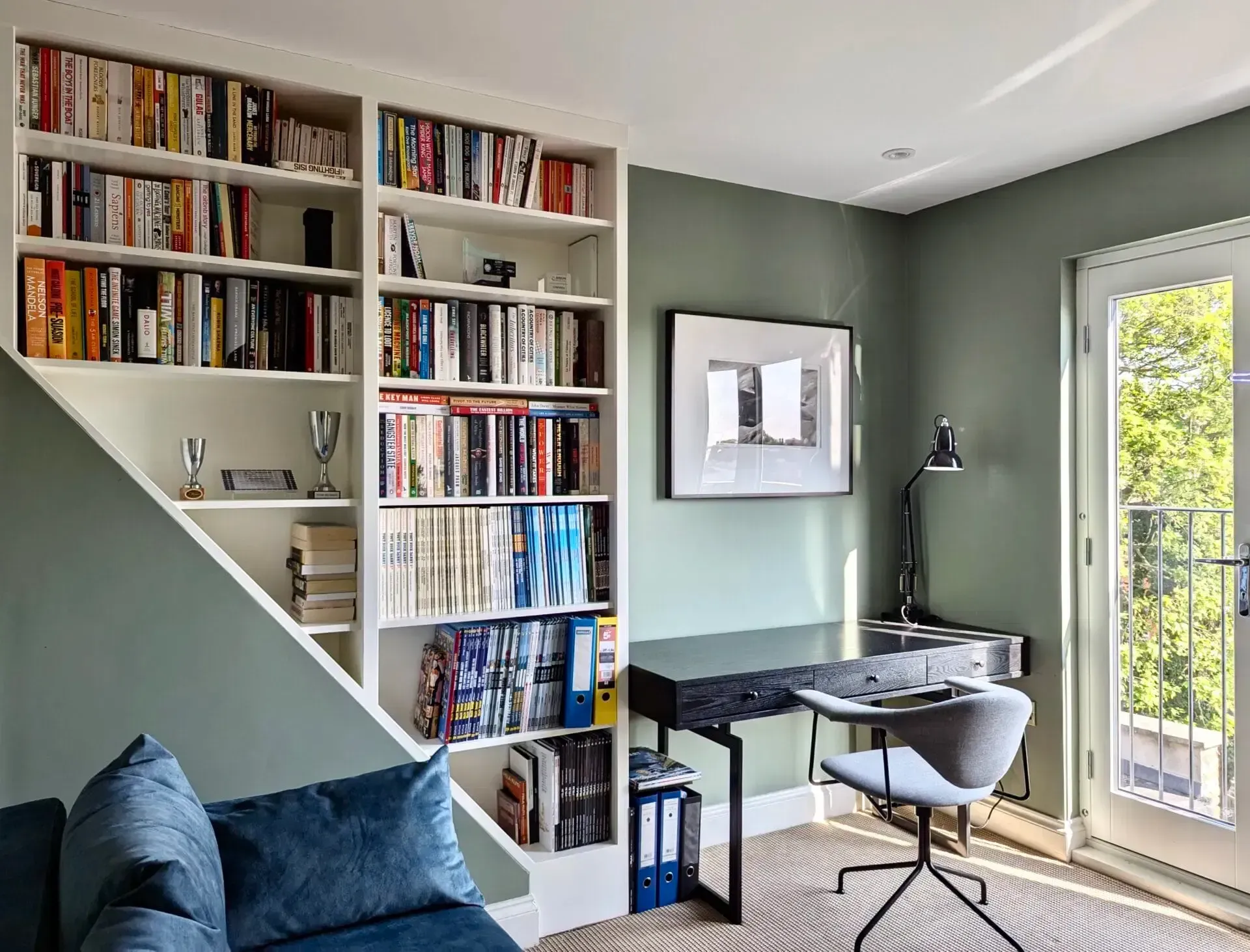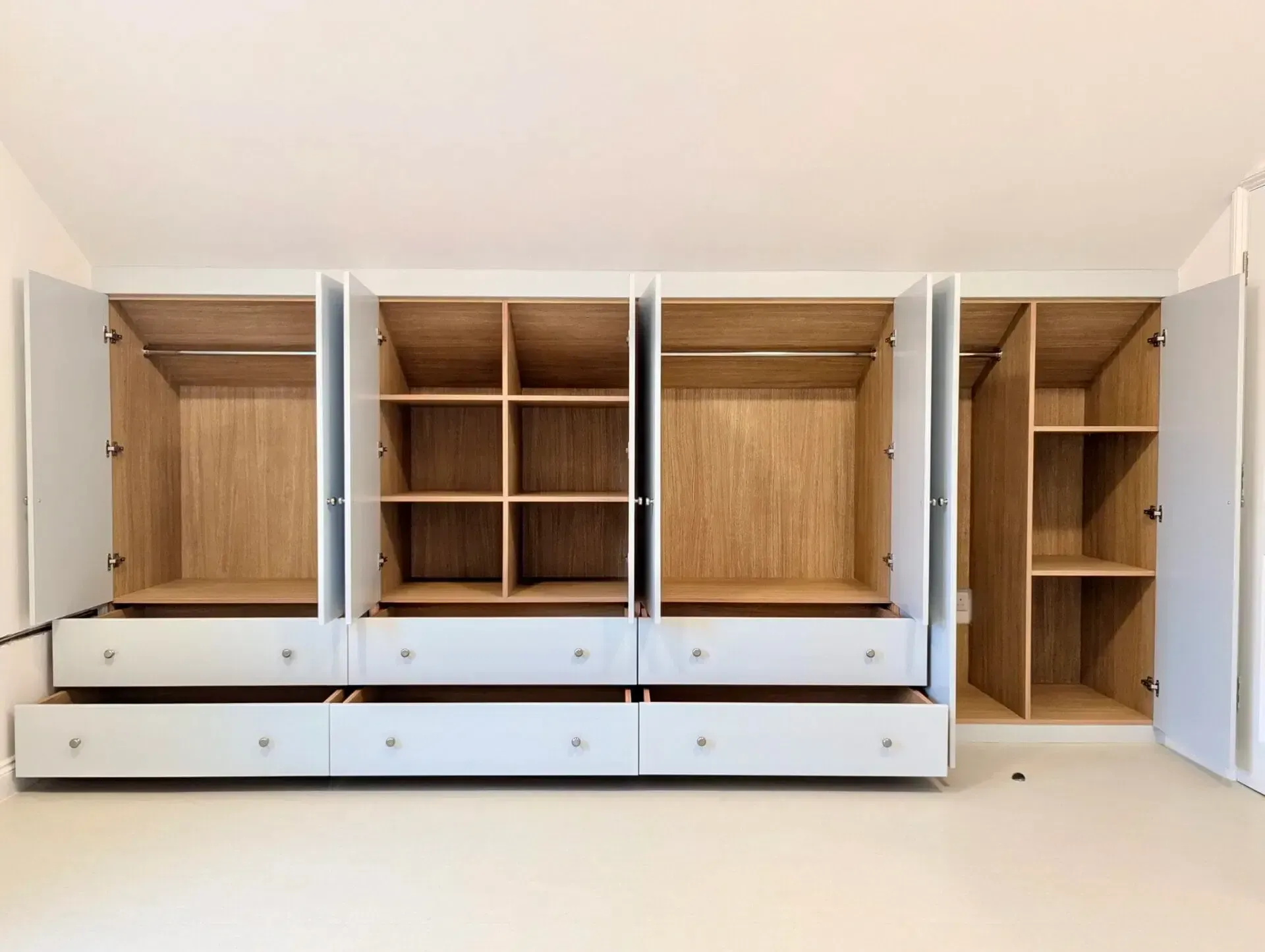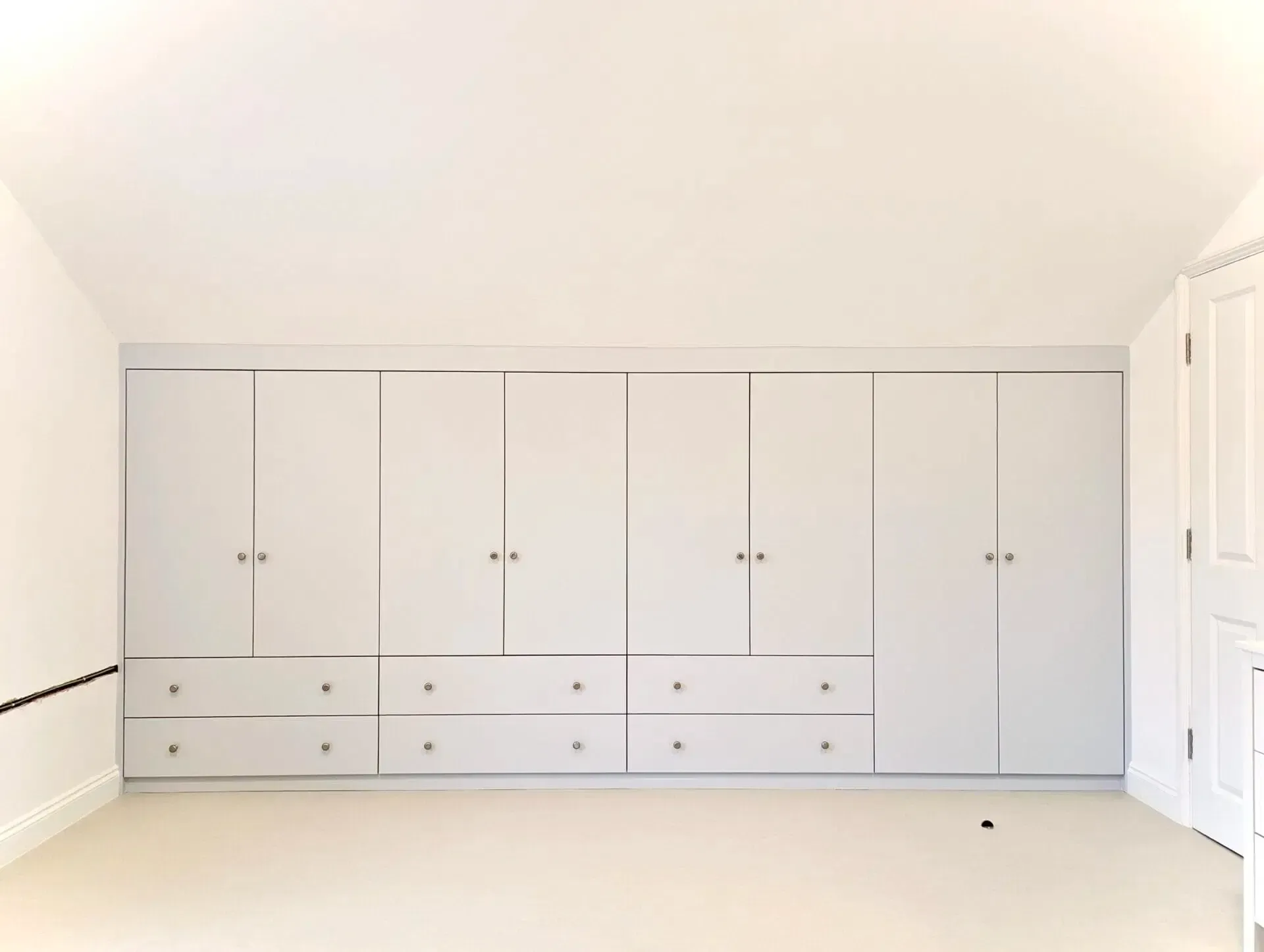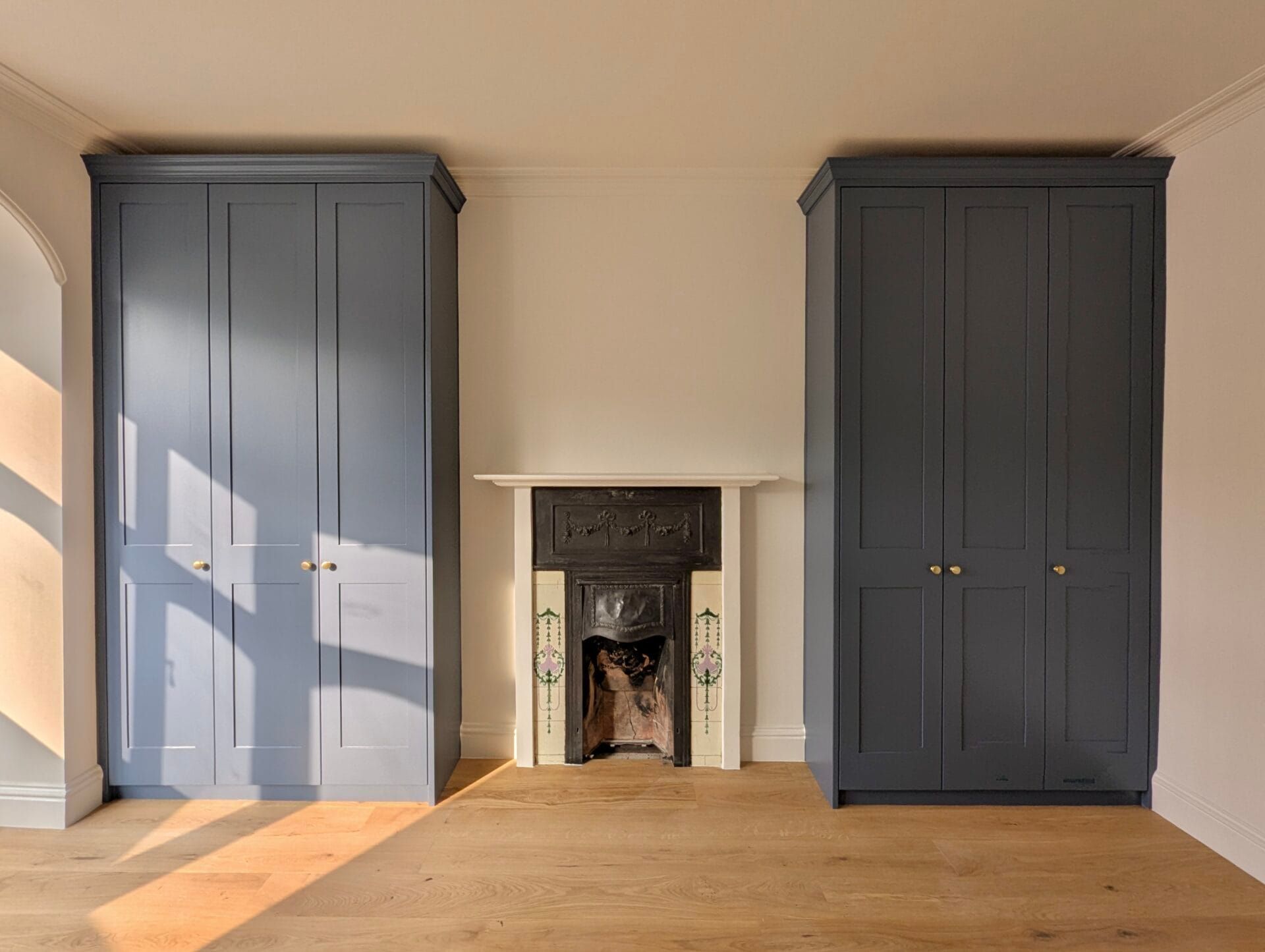
Fitted Wardrobes in Rental Properties & Leasehold Flats: What London Tenants and Landlords Need to Know
London is a city of leaseholders and long-term tenants. A large share of its housing stock is flats, a large share of those flats are leasehold, and a large share of tenancies in prime boroughs run for years rather than months. Which means a question keeps coming up that almost no one on the internet answers clearly:
Can you install fitted wardrobes in a rental property or leasehold flat?
The short answer is "often yes, but rarely without permission." The longer answer depends on your lease, your tenancy, your borough, and whether you're the landlord, the tenant, or the leaseholder. This guide walks through the practical and legal landscape — and is honest about what Humphries Cabinets can and can't do within it. For anything touching your lease, your tax position, or your tenancy agreement, it's also worth speaking to a solicitor or accountant as appropriate. This article is information, not legal or financial advice.
Why does this question keep coming up in London?
Three things drive it:
Leasehold dominates
Most flats in London are owned leasehold rather than freehold, which means the actual owner of the building is the freeholder, and the leaseholder's rights — including the right to alter the flat — are governed by the terms of their lease.
Renters stay longer than the market assumes
It's common for London tenants to be in the same flat for five, seven, or ten years, especially in family-sized properties. Over that kind of horizon, the gap between flat-pack wardrobes and properly fitted ones becomes real — and the question of whether to invest in fitted furniture becomes rational.
Buy-to-let landlords are under pressure to differentiate
Well-specified flats let faster and command better rents than equivalents with builder-standard fittings. Fitted wardrobes are one of the most visible signals of "premium" in a viewing — but they're also a commitment, and landlords rightly want to understand what they're committing to.
Humphries Cabinets works across every London borough within the M25 — from Westminster, Kensington and Chelsea, and Camden through to Greenwich, Lewisham, Wandsworth, Hackney and beyond — which means the company sees this question in every kind of property: period conversions, mansion blocks, new-build leasehold, and long-let family homes. The answers change depending on the situation, but the underlying framework is consistent.
For landlords — should you install fitted wardrobes?
Fitted wardrobes in a rental property change the economics of the flat in several ways. They're worth weighing honestly.
Reasons it often makes sense:
- The flat shows better. Viewings are won on impression, and a properly fitted bedroom with doors that close flush, handles that feel solid, and interior storage that actually works is a strong signal of a well-maintained property.
- Storage is one of the most-cited tenant complaints. In family-sized and premium flats, built-in wardrobes address that complaint structurally rather than cosmetically.
- Quality lasts. Humphries builds with high-quality MDF finished either in hand-painted Little Greene colours or a luxury wood grain-effect laminate, with soft-close hinges and drawer runners fitted as standard. The work comes with a 15-year guarantee. For a property you plan to hold long-term, that matters.
Reasons to think twice:
- Wear-and-tear behaves differently. Tenants use wardrobes harder than homeowners on average, and very specific finishes — delicate hand-painted colours in light tones, for instance — need to be weighed against the kind of tenancy you typically let to.
- Reinstatement at the end of ownership. Fitted furniture is part of the fabric of the flat. If you later sell, the wardrobes go with the property.
- Tax treatment. Whether fitted wardrobes count as a capital improvement (affecting your base cost) or a revenue expense (deductible against rent) depends on the specifics of the installation and your tax position. This is firmly accountant territory — worth a conversation before you commission work if the numbers matter.
For a standard buy-to-let, the shortlist of useful questions to ask the designer during the free design visit: what finishes hold up best to tenant use, whether laminate is a better choice than hand-painted for your specific let, and how to specify interiors that suit a wide range of tenants rather than one particular household.
For tenants, can you install fitted wardrobes?
The default answer is: only with your landlord's written consent. A fitted wardrobe is a permanent (or semi-permanent) alteration to the property, and almost every standard tenancy agreement restricts alterations without written permission.
If you're a long-term tenant considering fitted furniture, the sensible sequence is:
- Re-read your tenancy agreement — specifically the clauses on alterations, fixtures and improvements.
- Speak to your landlord early — ideally before you've fallen in love with a specific design.
- Get written consent. A verbal agreement isn't protection.
- Agree on what happens at the end of tenancy — whether the wardrobes stay (as an improvement to the property) or come out (with agreed making-good of the walls).
- Document any agreement as a side letter to the tenancy, signed by both parties.
Note that even with landlord consent, if the flat is leasehold, the landlord themselves may need freeholder consent for significant alterations — which brings us to the next point.
The freehold vs leasehold question
If you're a leaseholder, or your landlord is, the lease itself governs what alterations are permitted. Most leases distinguish between:
- Non-structural internal alterations — sometimes permitted without consent, sometimes requiring written consent from the freeholder ("licence to alter").
- Structural alterations — almost always requiring freeholder consent and sometimes additional approvals.
Fitted wardrobes usually fall into the "non-structural internal" bracket, but the specifics depend entirely on your lease. Clauses vary widely. Some leases are liberal, others require written consent for anything fixed to walls, and a minority essentially prohibit alterations without substantial process. Read your lease, or ask your solicitor to read it. Don't assume.
Short-term leases (anything under about 80 years remaining) also tend to be more restrictive because the freeholder has a stronger interest in controlling changes to the property.
Listed buildings, conservation areas and mansion blocks
Several London boroughs have a high concentration of listed buildings, conservation areas, and mansion blocks with strict management company rules — including Westminster, Kensington and Chelsea, Camden and Islington, all of which Humphries regularly works in. Inside these properties, additional layers of approval may apply:
- Listed building consent may be required for alterations to any element of historic or architectural interest, which can include original panelling, skirting, cornice or plasterwork.
- Conservation area status affects external alterations primarily, but some building-wide rules can extend internally in specific cases.
- Mansion block management companies often have their own rules on contractor access, working hours, use of lifts, and protection of communal areas — independent of the lease itself.
None of this makes fitted wardrobes impossible in these buildings — Humphries installs in exactly these properties routinely. It does mean the consent process is longer and the paperwork matters more.
"Removable" fitted furniture — can you have the look without the commitment?
A common question from tenants and short-lease leaseholders is whether it's possible to get the fitted look without the fitting — furniture that sits flush to the wall, looks built-in, but can be removed at the end of tenancy without damage.
Worth being honest here. Humphries Cabinets specialises in new bespoke built-in furniture, built from the ground up for the specific room it's going into. Wardrobes are designed to the millimetre of the space, often with scribing against uneven walls, cornice matching, and skirting cuts that integrate the unit into the fabric of the room. That's the point of fitted, and it's why the furniture looks the way it does.
If truly removable, freestanding furniture is what you need, that's a different specification, and it's worth asking about directly during the free design visit — the designer can tell you honestly whether your specific project can be built in a way that suits your consent situation, or whether freestanding furniture from a different supplier would fit your needs better. Starting that conversation early, before drawings are produced, is the right move.
End-of-tenancy and reinstatement obligations
If you're a tenant installing fitted furniture with landlord consent, the single most important thing to agree in writing — before any work starts — is what happens at the end of the tenancy.
The three common positions:
- Wardrobes stay as an improvement to the property. Typically, this means the tenant bears the cost, and the landlord benefits at the end. Sometimes the landlord contributes to the cost in exchange.
- Wardrobes are removed, and the walls made good at the tenant's expense. Worth thinking through realistically — "made good" usually means replastering, repainting and sometimes skirting replacement where the wardrobes were scribed in.
- Wardrobes are removed and reused elsewhere. In practice, fitted furniture built specifically for one room rarely transplants cleanly into another — the dimensions, cornice heights and skirting details almost never match. This option is more theoretical than practical for most fitted work.
Whichever position you and the landlord agree on, it needs to be captured in writing. A one-line WhatsApp saying "sure, go ahead" is not protection for either side.
For tenants and long-term renters, the checklist looks like this:
- Written landlord consent for the specific alteration — ideally referencing the design drawings.
- Freeholder consent if the flat is leasehold and your lease requires it. The landlord is usually responsible for obtaining this, but confirm.
- Agreement on end-of-tenancy position — stays, removes, or removes with making-good, with the responsibility and cost clearly assigned.
- Who owns the furniture during the tenancy — usually the tenant, since they paid for it, but it's worth making explicit.
- Side letter to the tenancy capturing the above, signed by both parties.
For landlords installing wardrobes in a let property, the equivalent list is shorter:
- Freeholder consent is required.
- Tenant consent for access during installation — the work has to happen in an occupied flat, and that needs coordinating.
- Written agreement with any existing tenant about the disruption window, especially if they're paying rent during the install
What to put in writing before installation begins
How Humphries installs in occupied and sensitive properties
Humphries Cabinets installs across every London borough, including properties where the stakes on protecting the existing fabric are high — listed interiors, high-spec rental flats, and mansion blocks with strict building rules. A few things the team does as standard:
- Workshop prep first. As much of the cutting and finishing work as possible is done at the Kidbrooke workshop before arriving, precisely to reduce disruption on site. Some on-site cutting is unavoidable with fitted work, but the team keeps it to a minimum.
- Dust sheets and containment. The fitter arrives with dust sheets and plastic sheeting to protect the floor and surrounding furniture. Where possible, cutting is done outside the property — customer reviews regularly note carpenters vacuuming up dust from front gardens rather than letting it migrate indoors.
- Full clean-up. The work area is vacuumed and cleaned before the team leaves each day, and fully at the end of the project.
- Hand-painting on site, not in the workshop. For hand-painted finishes, the painting is done on-site as a separate visit after the carpentry is complete. Worth factoring in if you're coordinating around a tenant's occupation.
- Communication throughout. The team actively keeps clients updated if start dates need to be adjusted or unexpected issues arise — the About page makes explicit that client communication is a priority.
- 15-year guarantee on the finished work.
For a rental install specifically, the relevant questions to raise with the designer are: how the team protects original features (panelling, cornice, skirting) during installation, what documentation you'll get for your landlord or freeholder, and how the scope of any scribing or wall-fixing will be described in the drawings.
FAQs
Can fitted wardrobes be removed without damaging the walls?
Some damage is realistic to expect. Fitted wardrobes are fixed to walls, scribed against uneven surfaces, and often integrated with skirting and cornice. Removing them typically means replastering and repainting the walls behind. Agree on making good responsibilities in writing before installation.
Will fitted wardrobes increase my rent?
It depends on the property, location and market. A well-finished fitted bedroom is a visible premium feature at viewings, but whether it translates to a specific rent uplift is a question for your letting agent with data on comparable properties in the area.
Who owns the wardrobes if the tenant pays for them?
The tenant, unless the tenancy or side letter says otherwise. What matters more than ownership during the tenancy is what's agreed for the end of it — see the reinstatement section above.
Do I need planning permission in a conservation area?
Planning permission generally applies to external alterations, so internal fitted wardrobes usually don't require it. Listed building consent, on the other hand, can apply to internal alterations if original features are affected. Confirm with your local authority or a solicitor for your specific property.
Does Humphries work in strict boroughs like Westminster and Kensington & Chelsea?
Yes — Humphries services every London borough, including Westminster, Kensington and Chelsea, Camden, Islington and all others within the M25.
Is the design visit free even if I'm a tenant and might not proceed?
Yes. The design visit is free with no obligation. It's a sensible first step to understand what's possible in your specific flat before you start the consent conversation with your landlord or freeholder.
Start with a conversation
For tenants, landlords and leaseholders, the most useful first step is the same: book a free, no-obligation design visit. You'll get a proper survey of the space, a frank conversation about what's buildable and what isn't given your specific situation, and — if you proceed — a full 3D drawings package you can use as part of your consent application to landlord, freeholder or management company.
Humphries covers every London borough within the M25. Book a free design visit through the website, or call 02082594871 (Monday to Friday, 8am–8pm).
If you want to explore the borough coverage or see which specific areas Humphries works in, the Service Locations page has the full list, and the FAQ page covers materials, finishes, guarantees and other standard questions.
Whatever your situation, the honest conversation starts at the design visit — not the consent form.
Recent Posts