How Lighting Transforms Bespoke Wardrobes and Dressing Rooms

Nitin Seo • February 27, 2026

Share this article

When designing bespoke wardrobes and dressing rooms, layout and materials often take centre stage. However, one of the most transformative elements is frequently overlooked: lighting.


Lighting is not simply a practical necessity. In bespoke storage design, it enhances visibility, highlights craftsmanship, creates atmosphere, and elevates the entire experience of using the space. A well-lit wardrobe feels luxurious, organised, and intuitive. Poor lighting, by contrast, can make even the most beautifully crafted cabinetry feel flat and impractical.


In London homes—where natural light varies from grand sash windows in period properties to softer daylight in modern apartments—integrated wardrobe lighting plays a crucial role. This guide explores how thoughtful lighting design transforms bespoke wardrobes and dressing rooms from functional storage areas into refined, elegant spaces.

Why Lighting Matters in Wardrobe Design

Wardrobes serve a daily purpose. They are used in the early morning, late evening, and often in low-light conditions. Without proper illumination, selecting clothing becomes inconvenient and frustrating.


Effective lighting improves:

  • Visibility and colour accuracy.
  • Ease of organisation.
  • Perceived spaciousness.
  • Mood and ambience.
  • Overall design impact.

Lighting bridges the gap between practicality and luxury. It ensures your wardrobe works beautifully at every hour of the day.

Layered Lighting: The Foundation of Good Design

The most successful wardrobe lighting schemes use a layered approach. Rather than relying on a single ceiling light, bespoke wardrobes integrate multiple light sources to achieve balance and depth.


Ambient Lighting

Ambient lighting provides general illumination across the space. In dressing rooms, this may come from recessed ceiling lights or subtle perimeter lighting.


Ambient light ensures the entire area feels open and welcoming, preventing dark corners and uneven shadows.


Task Lighting

Task lighting focuses on functionality. Within wardrobes, this typically includes:

  • LED strips along hanging rails.
  • Lighting beneath shelves.
  • Illuminated drawer interiors.

Task lighting ensures clothing and accessories are clearly visible, supporting efficient daily routines.


Accent Lighting

Accent lighting adds drama and refinement. It highlights materials, textures, and design details.

Examples include:

  • Backlit glass panels.
  • Soft uplighting within display sections.
  • Subtle lighting around mirrors.

Accent lighting transforms wardrobes into statement features rather than simple storage units.

Integrated LED Lighting: Subtle Yet Powerful

LED lighting is the preferred choice for bespoke wardrobes due to its efficiency, longevity, and sleek profile.


Integrated LED strips can be installed:

  • Along vertical panels.
  • Beneath shelving.
  • Inside hanging compartments.
  • Around shoe racks.

Because LEDs emit minimal heat, they are safe for enclosed cabinetry. Their slim design ensures they remain discreet while delivering strong illumination.


Warm white tones (around 2700K–3000K) are typically recommended for dressing rooms, as they create a flattering, comfortable glow.

Maximising Vertical Storage

One of the most practical innovations in wardrobe lighting is motion sensor activation.


When doors open, lights turn on automatically. When closed, they switch off.


This feature offers:

  • Energy efficiency.
  • Convenience during early mornings.
  • Seamless usability.
  • A sense of high-end design.

In walk-in wardrobes, motion sensors enhance the experience by providing instant illumination without searching for switches.

Illuminated Hanging Rails

Lighting integrated into hanging rails is both functional and visually striking.


This technique:

  • Highlights garments clearly.
  • Prevents shadows beneath shelves.
  • Adds a boutique-inspired aesthetic.

Illuminated rails are particularly effective in wardrobes featuring glass doors or open display sections. They create depth and subtly showcase clothing as part of the interior design.

Drawer Lighting for Precision

Drawers often store smaller, detailed items such as jewellery, watches, or accessories. Without internal lighting, these compartments can feel dim and difficult to navigate.


Integrated drawer lighting activates when opened, offering:

  • Clear visibility.
  • Protection for delicate items.
  • An added sense of craftsmanship.

In luxury dressing rooms, suede-lined drawers paired with soft internal lighting create a refined, indulgent feel.

Glass and Backlit Panels

Glass-fronted cabinetry adds transparency and elegance to bespoke wardrobes. When paired with backlighting, the effect is transformative.


Backlit panels can:

  • Highlight curated clothing collections.
  • Add depth to display shelving.
  • Create a soft, ambient glow.

Fluted or tinted glass enhances the effect, diffusing light gently while maintaining sophistication.


This approach elevates wardrobes into architectural features.

The Role of Mirrors and Lighting

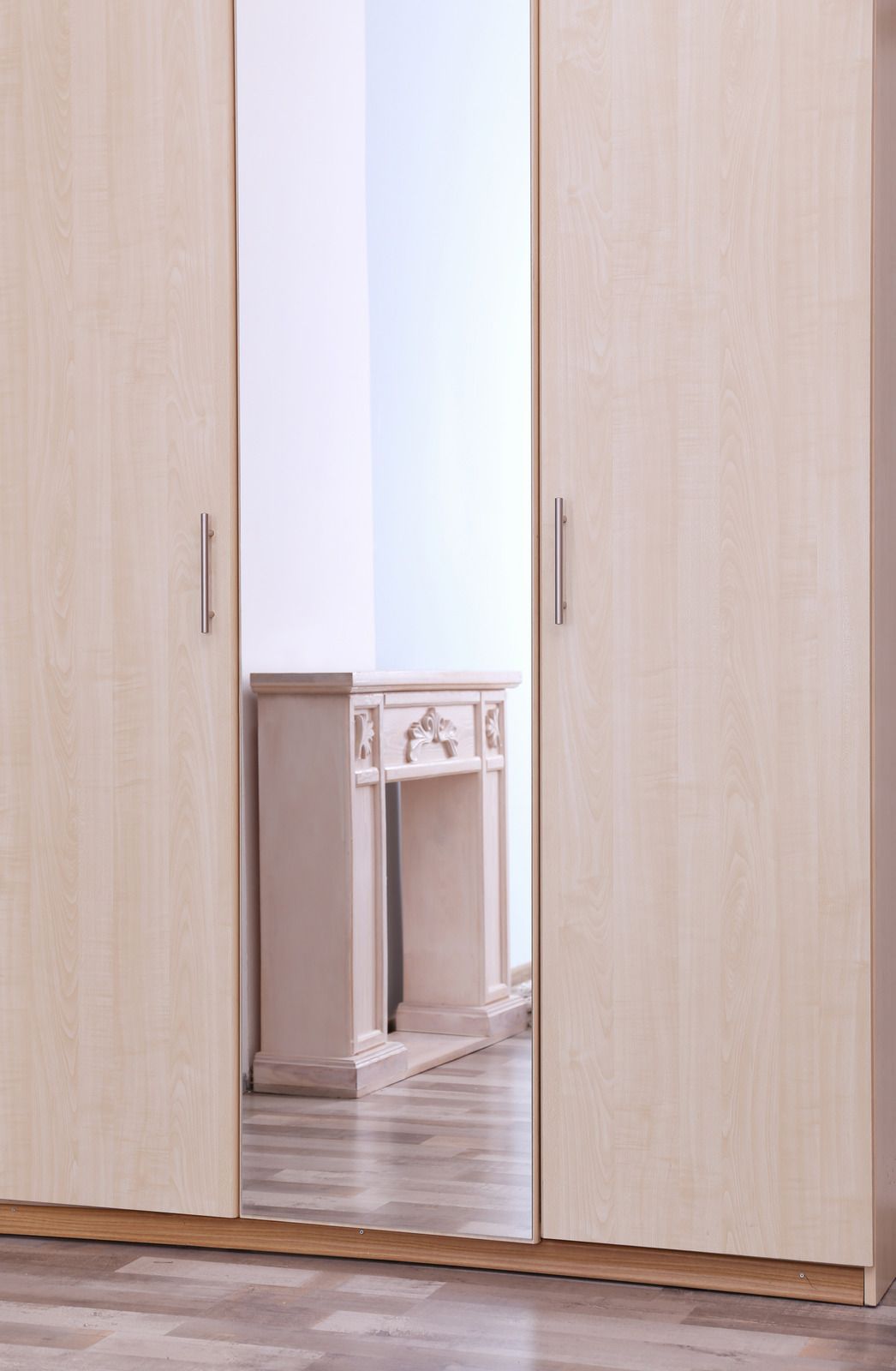
Mirrors are central to dressing room design. When combined with thoughtful lighting, they enhance both functionality and spatial perception.


Lighting around mirrors should:

  • Provide even illumination.
  • Minimise harsh shadows.
  • Offer accurate colour rendering.

Backlit mirrors or perimeter LED framing create a flattering glow ideal for grooming and outfit selection.


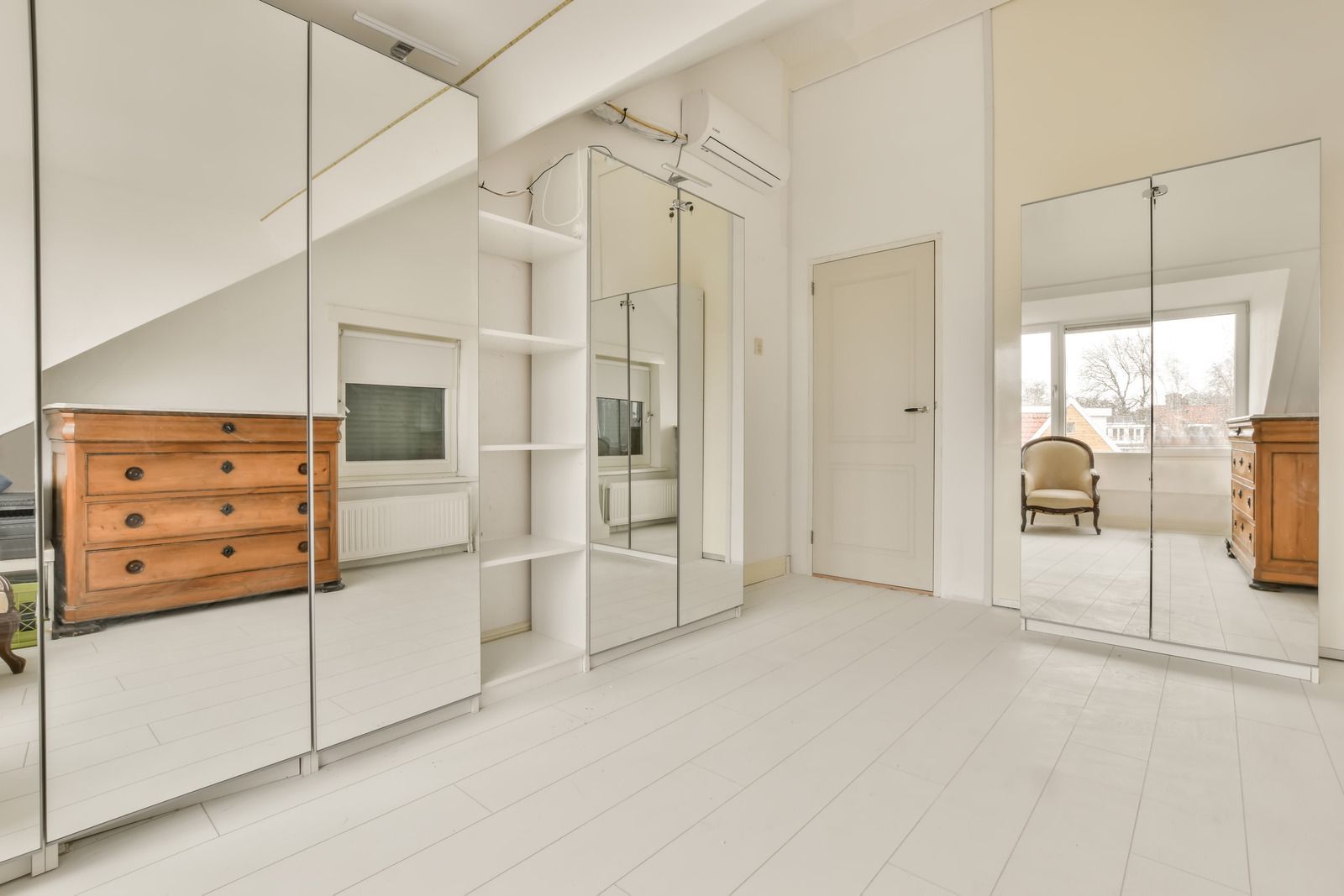
In smaller London apartments, mirrored wardrobe panels paired with integrated lighting reflect light throughout the room, making the space feel larger and brighter.

Enhancing Material and Finish Through Light

Lighting interacts directly with cabinet finishes.


For example:

  • Wood veneers gain warmth and depth under soft lighting.
  • Matte painted finishes appear smoother and more refined.
  • Gloss surfaces reflect light dramatically, increasing brightness.
  • Textured panels cast subtle shadows, adding dimension.

When planning wardrobe lighting, it is important to consider how materials will respond. Proper illumination ensures finishes look intentional and luxurious.

Creating Atmosphere in Walk-In Dressing Rooms

Walk-in wardrobes and dressing rooms offer the opportunity to design a space that feels private and indulgent.


Beyond practical lighting, atmospheric features may include:

  • Statement pendant lighting above a central island.
  • Subtle cove lighting along ceiling edges.
  • Dimmable systems to adjust mood.

Dimmable lighting allows the room to shift from bright and functional to soft and relaxing.


The result is a space that feels less like storage and more like a boutique suite.

Lighting for Smaller Wardrobes

Even compact wardrobes benefit from integrated lighting.


In small bedrooms, lighting can:

  • Prevent shadowed corners.
  • Improve visibility in deep cabinets.
  • Add a premium touch without incre.asing size.

Slim LED strips and motion sensors ensure smaller wardrobes feel well-designed rather than basic.


Light can make even the most compact space feel considered and high quality.

Energy Efficiency and Sustainability

Modern LED systems are highly energy-efficient and long-lasting. Compared to traditional lighting, they consume minimal electricity and require little maintenance.


Energy-efficient lighting:

  • Reduces running costs.
  • Minimises environmental impact.
  • Generates less heat within cabinetry.

Sustainable lighting solutions align well with contemporary design values, particularly in eco-conscious London homes.

Smart Controls and Automation

For homeowners embracing smart technology, wardrobe lighting can integrate seamlessly into home automation systems.


Features may include:

  • App-controlled lighting.
  • Scheduled activation.
  • Voice-activated controls.
  • Adjustable brightness settings.

While not essential, smart integration enhances convenience and aligns wardrobes with modern living standards.

Avoiding Common Lighting Mistakes

To achieve the best results, avoid these common pitfalls:

  • Relying solely on overhead lighting.
  • Choosing lighting that is too cool or harsh.
  • Overlighting small spaces.
  • Ignoring shadowed interior corners.

Professional planning ensures lighting enhances rather than overwhelms the design.

Enhancing Property Appeal

Integrated lighting adds a subtle yet powerful element of luxury. In property viewings, illuminated wardrobes and dressing rooms leave a strong impression.


Buyers associate integrated lighting with:

  • High-end design.
  • Attention to detail.
  • Move-in-ready convenience.
  • Thoughtful craftsmanship.

Lighting can therefore contribute to both lifestyle enjoyment and long-term property value.

The Transformative Effect

Ultimately, lighting transforms wardrobes in three key ways:

  • Improves functionality by making items easy to see and access.
  • Enhances aesthetics by highlighting materials and design features.
  • Elevates experience by creating a sense of comfort and luxury.

Without lighting, even bespoke cabinetry can feel incomplete. With it, wardrobes become immersive, carefully curated environments.

Conclusion

Lighting is one of the most powerful tools in bespoke wardrobe and dressing room design. From integrated LED strips and motion sensors to backlit glass panels and statement fixtures, thoughtful illumination transforms storage into an elegant feature of the home.


By combining practicality with atmosphere, lighting enhances usability while reinforcing the craftsmanship and detail of bespoke cabinetry.


At Humphries Cabinets, we design wardrobes and dressing rooms with lighting carefully integrated from the outset. Through precision planning, premium materials, and refined detailing, we create storage spaces that feel as exceptional as they function.

Recent Posts

Cozy living room with fireplace, shelves with items, blue accent wall, TV on a stand, and a gray sofa.
By Nitin Seo February 28, 2026
Period properties hold a timeless appeal. From Victorian terraces and Edwardian townhouses to Georgian conversions, these homes offer architectural detail, craftsmanship, and proportions rarely found in modern builds. High ceilings, decorative cornicing, sash windows, chimney breasts, and original fireplaces create charm and personality that homeowners are proud to preserve. However, while period homes excel in character, they often fall short in practical storage. Built at a time when lifestyles were different and possessions fewer, these properties rarely include the integrated storage solutions modern living demands. The challenge, therefore, is clear: how do you maximise storage in a period property without compromising its original character? With thoughtful bespoke design, it is entirely possible to enhance practicality while respecting architectural heritage. This guide explores how tailored cabinetry and fitted wardrobes can unlock storage potential while preserving the integrity of your home.
By Nitin Seo February 28, 2026
Luxury London apartments are defined by intelligent design, refined finishes, and thoughtful use of space. Whether located in a riverside development, a converted warehouse, or a prestigious Mayfair residence, high-end apartments prioritise comfort, functionality, and elegance. One feature that continues to grow in desirability is the walk-in wardrobe. More than simply a place to store clothing, a walk-in wardrobe represents organisation, personal space, and elevated living. In luxury apartments—where space must be used with precision—a well-designed dressing area enhances daily routines while adding sophistication and long-term value. Designing a walk-in wardrobe in a London apartment requires careful planning. Layout, lighting, materials, and internal organisation must work harmoniously to create a space that feels indulgent yet practical. This guide explores key design ideas that transform walk-in wardrobes into standout features within luxury homes.
By Nitin Seo February 28, 2026
In London’s competitive property market, every square foot matters. Buyers are not only looking for beautiful homes—they are looking for practical, well-designed spaces that maximise storage and feel effortlessly organised. In many London properties, particularly period homes and city apartments, storage can often be limited. This is where bespoke fitted wardrobes make a meaningful difference. While fitted wardrobes are often viewed as a lifestyle upgrade, they are also a strategic investment. Thoughtfully designed bespoke cabinetry enhances functionality, improves visual appeal, and increases overall property desirability. When executed professionally, fitted wardrobes can significantly contribute to a home’s market value and long-term resale potential. This guide explores how bespoke fitted wardrobes increase property value in London homes and why they are considered a smart investment for homeowners.
By Nitin Seo February 27, 2026
Sustainability is no longer a niche consideration in home design—it is an essential priority for many London homeowners. As awareness of environmental impact grows, so does the demand for responsibly sourced materials, low-emission finishes, and long-lasting craftsmanship. Custom cabinetry offers a unique opportunity to combine luxury, functionality, and environmental responsibility. Because bespoke cabinets are designed and built specifically for your space, every material and finish can be carefully selected to reduce environmental impact without compromising quality or aesthetic appeal. From sustainably sourced timber to low-VOC paints and durable construction methods, this guide explores eco-friendly options available in custom cabinetry and how thoughtful choices can support a more sustainable home.
By Nitin Seo February 27, 2026
A truly bespoke wardrobe is far more than fitted storage. It is a carefully crafted solution designed around your space, lifestyle, and aesthetic preferences. Unlike off-the-shelf furniture, bespoke wardrobes are not adapted to fit a room—they are created specifically for it. In London homes, where layouts often include alcoves, sloped ceilings, chimney breasts, and varying proportions, a tailored approach ensures that every centimetre is used intelligently. But what exactly goes into designing and installing a bespoke wardrobe? Understanding the process helps homeowners appreciate the craftsmanship, planning, and precision involved. From initial consultation to final installation, this guide outlines the key stages behind creating a wardrobe that is genuinely bespoke.
By Nitin Seo February 27, 2026
Hybrid working has reshaped how we use our homes. What was once an occasional workspace at the dining table has evolved into a permanent requirement for many professionals across London. Whether working remotely full-time or splitting the week between office and home, the need for a functional, organised, and comfortable workspace is now essential. In many London properties—particularly flats and period homes—space is limited. A dedicated office room may not always be available. Instead, homeowners must integrate productive workspaces into bedrooms, living areas, or alcoves. This is where custom home office cabinets become invaluable. Bespoke cabinetry allows you to create a tailored, efficient workspace that supports hybrid working without compromising the style and flow of your home. This guide explores how thoughtfully designed home office cabinets can maximise productivity, organisation, and long-term flexibility.
By Nitin Seo February 27, 2026
Small flats are an integral part of Fulham’s vibrant residential landscape. Whether you’re in a Victorian conversion just off the High Street or a modern riverside apartment overlooking the Thames, space is at a premium. Bedrooms—especially—can feel cramped when storage is limited. Clothes, accessories, linens, luggage, and personal items all compete for space, making organisation a daily challenge. The good news? With thoughtful design and intelligent storage solutions, even the smallest bedroom can feel spacious, calm, and highly functional. Clever storage doesn’t just hide clutter—it transforms the way a space works. This guide explores practical, stylish, and bespoke ideas to help maximise bedroom storage in small Fulham flats without sacrificing comfort or design.
By Nitin Seo February 27, 2026
Choosing storage for your bedroom is more than a practical decision—it shapes how your space looks, feels, and functions every day. In London homes especially, where room sizes vary from compact apartments to generous period properties, selecting the right wardrobe solution can significantly impact both lifestyle and property value. Two primary options dominate bedroom storage: fitted wardrobes and freestanding furniture. Each has its advantages, aesthetic appeal, and practical considerations. The right choice depends on your space, long-term plans, and design preferences. This guide explores the differences between fitted wardrobes and freestanding furniture, helping you determine which solution best suits your home.
By Nitin Seo February 27, 2026
When investing in bespoke cabinets, design goes far beyond layout and storage configuration. The finish you choose plays a defining role in how the cabinetry looks, feels, and performs over time. It influences light, texture, durability, and the overall character of a room. In luxury London homes—where interiors often blend contemporary living with architectural heritage—cabinet finishes must strike the right balance between style and longevity. A well-chosen finish enhances not only the cabinetry itself but the atmosphere of the entire space. This complete guide explores the key finish options available for bespoke cabinets, helping you make informed decisions that reflect your lifestyle, aesthetic preferences, and long-term goals.
Built-in closet with white doors and interior drawers. Clothes hang on rods and are stacked on shelves.
January 31, 2026
Designing a bespoke fitted wardrobe is an exciting process. It’s an opportunity to create a storage solution that fits your space perfectly, supports your lifestyle, and enhances the overall design of your home.
Show More