Sustainable Materials and Eco-Friendly Options in Custom Cabinetry

Nitin Seo • February 27, 2026

Share this article

Sustainability is no longer a niche consideration in home design—it is an essential priority for many London homeowners. As awareness of environmental impact grows, so does the demand for responsibly sourced materials, low-emission finishes, and long-lasting craftsmanship.


Custom cabinetry offers a unique opportunity to combine luxury, functionality, and environmental responsibility. Because bespoke cabinets are designed and built specifically for your space, every material and finish can be carefully selected to reduce environmental impact without compromising quality or aesthetic appeal.


From sustainably sourced timber to low-VOC paints and durable construction methods, this guide explores eco-friendly options available in custom cabinetry and how thoughtful choices can support a more sustainable home.

Why Sustainability Matters in Cabinetry

Cabinetry plays a significant role in interior design. Kitchens, wardrobes, home offices, and fitted storage systems involve substantial material use. Choosing sustainable options helps:

  • Reduce deforestation and resource depletion.
  • Minimise indoor air pollution.
  • Lower carbon footprint.
  • Decrease long-term waste.
  • Promote healthier living environments.

Unlike mass-produced furniture, bespoke cabinetry is typically built to last for decades. This longevity alone contributes significantly to sustainability by reducing the need for frequent replacement.

Responsibly Sourced Timber

Wood remains one of the most popular materials in custom cabinetry. When responsibly sourced, it is also one of the most sustainable.


FSC-Certified Timber

Look for timber certified by the Forest Stewardship Council (FSC). FSC certification ensures that wood is harvested from responsibly managed forests that protect biodiversity, ecosystems, and local communities.


Using FSC-certified oak, walnut, ash, or other hardwoods ensures your cabinetry supports sustainable forestry practices.


Reclaimed and Recycled Wood

Reclaimed timber is another environmentally conscious option. Salvaged from old buildings, flooring, or industrial structures, reclaimed wood:

  • Reduces demand for new timber.
  • Adds character and unique grain patterns.
  • Minimises landfill waste.

In both modern apartments and period properties, reclaimed wood can introduce warmth and history while supporting sustainability goals.

Engineered Wood with Environmental Standards

While solid wood is desirable, engineered wood products can also be sustainable when selected carefully.


High-quality engineered boards:

  • Use wood fibres efficiently.
  • Reduce waste during production.
  • Offer structural stability.
  • Prevent warping or cracking.

The key is selecting products with low formaldehyde emissions and certified environmental standards.


Modern engineered materials often maximise resource use by incorporating smaller wood pieces that would otherwise be discarded.

Low-VOC Paints and Finishes

Indoor air quality is a crucial aspect of sustainable living.


Traditional paints and lacquers can emit volatile organic compounds (VOCs), which contribute to air pollution and potential health concerns.

Low-VOC and Water-Based Finishes

Eco-friendly cabinetry can incorporate:

  • Low-VOC paints.
  • Water-based lacquers.
  • Natural oil finishes.
  • Plant-based sealants.

These options reduce harmful emissions during and after installation, creating a healthier indoor environment—particularly important in bedrooms and children’s rooms.


Low-VOC finishes also maintain durability and aesthetic quality without compromising performance.

Sustainable Veneers and Laminates

Wood veneer offers the visual warmth of solid timber while using significantly less raw material.


Because veneer consists of thin slices of wood applied over a stable core, it:

  • Maximises yield from each tree.
  • Reduces overall material consumption.
  • Maintains natural grain appearance.

Sustainable laminates made from recycled content are also increasingly available, offering durability and contemporary design options with reduced environmental impact.

Durability as a Sustainability Strategy

One of the most overlooked aspects of sustainability is longevity.


Mass-produced furniture often has a limited lifespan, leading to frequent disposal and replacement. Bespoke cabinetry, by contrast, is built to endure.


High-quality craftsmanship ensures:

  • Strong joints and secure fixings.
  • Durable surfaces resistant to wear.
  • Long-term structural stability.
  • Replaceable components when necessary.

When cabinetry lasts decades rather than years, resource consumption decreases dramatically over time.


Durability is sustainability in practice.

Designing to Reduce Waste

Custom cabinetry minimises waste in several ways:

  • Materials are cut precisely to fit the space.
  • Excess stock is limited.
  • Offcuts can be repurposed.
  • Overproduction is avoided.

Unlike mass manufacturing, bespoke production focuses only on what is needed.


Thoughtful design also ensures every inch of space is utilised effectively, reducing the need for additional storage furniture.

Energy-Efficient Lighting Integration

Many bespoke cabinets include integrated lighting. Choosing energy-efficient LED systems further enhances sustainability.


LED lighting:

  • Consumes significantly less energy than traditional bulbs.
  • Produces minimal heat.
  • Has a long operational lifespan.
  • Reduces maintenance and replacement needs.

In wardrobes and display cabinets, LED lighting provides both efficiency and refined ambience.

Local Craftsmanship and Reduced Transport Impact

Working with local cabinetmakers reduces the environmental cost associated with long-distance transportation.


Locally produced cabinetry:

  • Minimises shipping emissions.
  • Supports local economies.
  • Encourages responsible sourcing within regional supply chains.

In London, sourcing materials and craftsmanship locally contributes to lower carbon impact compared to imported flat-pack furniture.

Sustainable Hardware and Components

Sustainability extends beyond panels and finishes.


Eco-conscious options include:

  • Recycled metal handles and hardware.
  • Durable soft-close hinges with long lifespans.
  • Adjustable shelving systems that adapt over time.

Selecting quality hardware ensures cabinets function efficiently for years, reducing the need for premature replacement.

Flexible Design for Future Adaptation

Sustainability is not only about materials—it is about adaptability.


Cabinetry designed with flexibility allows interiors to evolve without replacing the entire structure.

Features such as:

  • Adjustable shelves.
  • Modular drawer inserts.
  • Removable hanging rails.
  • Repaintable finishes.

extend the usable life of the cabinetry.


As lifestyle needs change, internal layouts can be reconfigured rather than discarded.

Sustainable Choices in Period and Contemporary Homes

Eco-friendly cabinetry complements both traditional and modern interiors.


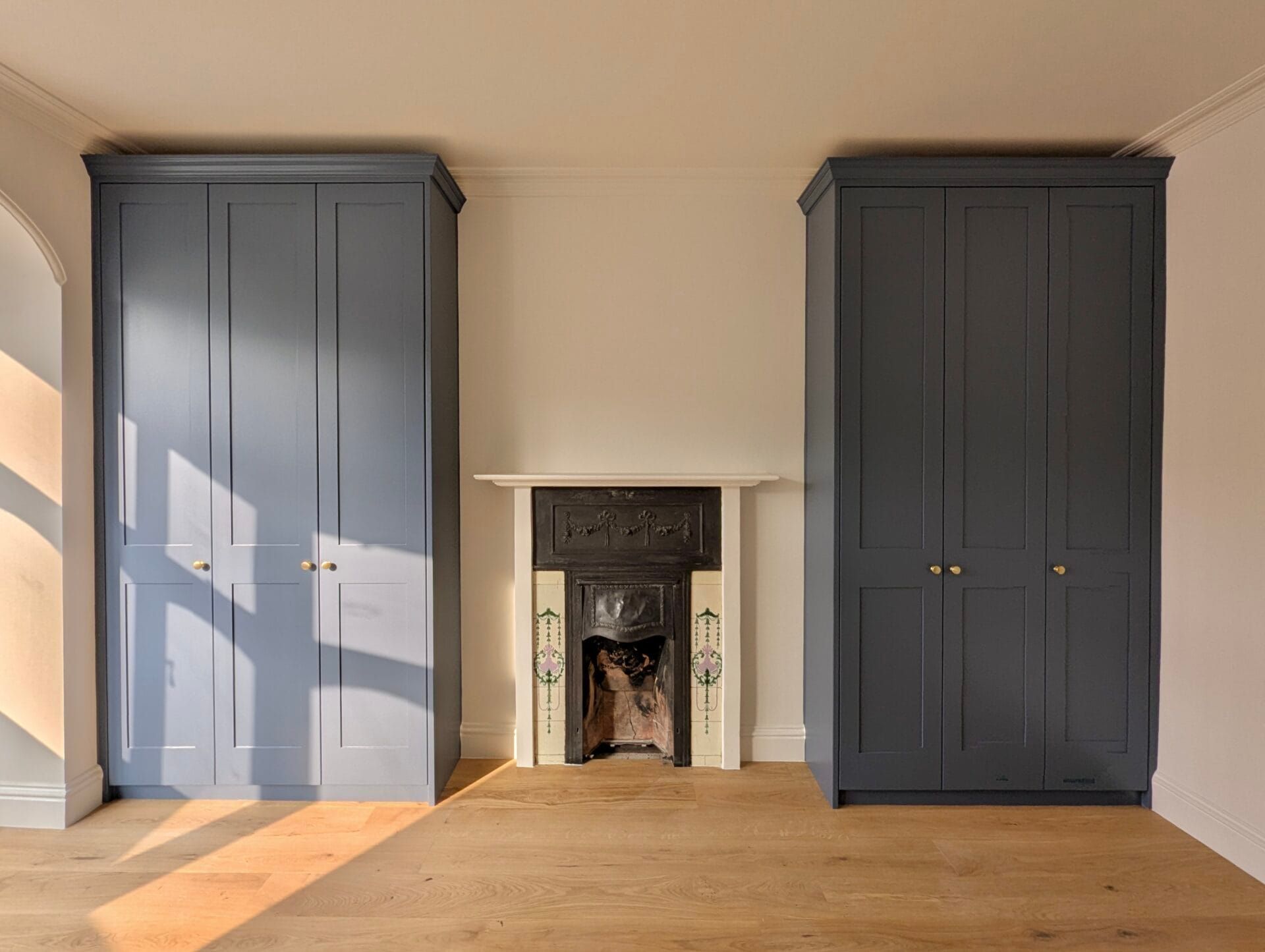
In period properties, sustainably sourced wood and heritage paint colours maintain architectural integrity while supporting environmental responsibility.


In contemporary apartments, minimalist finishes and engineered materials reduce waste and maximise efficiency.

Sustainability and design excellence are not mutually exclusive—they work together seamlessly.

Reducing Chemical Exposure in Living Spaces

Low-emission materials contribute to healthier indoor environments.


Bedrooms, children’s rooms, and dressing areas benefit particularly from:

  • Formaldehyde-free boards.
  • Non-toxic adhesives.
  • Natural oil finishes.

Reducing chemical exposure improves air quality and overall comfort—important in London homes where ventilation may be limited.

The Long-Term Environmental Advantage of Bespoke Cabinetry

When comparing bespoke cabinetry to mass-produced alternatives, the environmental advantages become clear:

  • Fewer replacements over time.
  • Reduced landfill waste.
  • Higher-quality materials.
  • Custom fit that prevents overconsumption.
  • Repairability rather than disposal.

Investing in custom cabinetry is not simply about aesthetics—it is about making considered choices that reduce long-term environmental impact.

Balancing Sustainability and Luxury

Some homeowners worry that sustainable choices may limit design possibilities. In reality, eco-friendly options often enhance quality and refinement.


Natural wood finishes, low-sheen paints, and responsibly sourced materials introduce authenticity and depth. Sustainability encourages thoughtful material selection rather than excessive ornamentation.


Luxury today is defined not only by appearance but by responsibility.

Conclusion

Sustainable materials and eco-friendly options in custom cabinetry allow homeowners to combine environmental responsibility with timeless design.


From FSC-certified timber and reclaimed wood to low-VOC finishes and energy-efficient lighting, every decision contributes to a healthier, longer-lasting interior. When cabinetry is designed to endure, adapt, and minimise waste, it supports both modern living and environmental stewardship.


At Humphries Cabinets, we prioritise quality craftsmanship and responsible material selection. By guiding clients through sustainable options and designing cabinetry built to last, we create storage solutions that enhance homes while respecting the environment.

Recent Posts

Cozy living room with fireplace, shelves with items, blue accent wall, TV on a stand, and a gray sofa.
By Nitin Seo February 28, 2026
Period properties hold a timeless appeal. From Victorian terraces and Edwardian townhouses to Georgian conversions, these homes offer architectural detail, craftsmanship, and proportions rarely found in modern builds. High ceilings, decorative cornicing, sash windows, chimney breasts, and original fireplaces create charm and personality that homeowners are proud to preserve. However, while period homes excel in character, they often fall short in practical storage. Built at a time when lifestyles were different and possessions fewer, these properties rarely include the integrated storage solutions modern living demands. The challenge, therefore, is clear: how do you maximise storage in a period property without compromising its original character? With thoughtful bespoke design, it is entirely possible to enhance practicality while respecting architectural heritage. This guide explores how tailored cabinetry and fitted wardrobes can unlock storage potential while preserving the integrity of your home.
By Nitin Seo February 28, 2026
Luxury London apartments are defined by intelligent design, refined finishes, and thoughtful use of space. Whether located in a riverside development, a converted warehouse, or a prestigious Mayfair residence, high-end apartments prioritise comfort, functionality, and elegance. One feature that continues to grow in desirability is the walk-in wardrobe. More than simply a place to store clothing, a walk-in wardrobe represents organisation, personal space, and elevated living. In luxury apartments—where space must be used with precision—a well-designed dressing area enhances daily routines while adding sophistication and long-term value. Designing a walk-in wardrobe in a London apartment requires careful planning. Layout, lighting, materials, and internal organisation must work harmoniously to create a space that feels indulgent yet practical. This guide explores key design ideas that transform walk-in wardrobes into standout features within luxury homes.
By Nitin Seo February 28, 2026
In London’s competitive property market, every square foot matters. Buyers are not only looking for beautiful homes—they are looking for practical, well-designed spaces that maximise storage and feel effortlessly organised. In many London properties, particularly period homes and city apartments, storage can often be limited. This is where bespoke fitted wardrobes make a meaningful difference. While fitted wardrobes are often viewed as a lifestyle upgrade, they are also a strategic investment. Thoughtfully designed bespoke cabinetry enhances functionality, improves visual appeal, and increases overall property desirability. When executed professionally, fitted wardrobes can significantly contribute to a home’s market value and long-term resale potential. This guide explores how bespoke fitted wardrobes increase property value in London homes and why they are considered a smart investment for homeowners.
By Nitin Seo February 27, 2026
A truly bespoke wardrobe is far more than fitted storage. It is a carefully crafted solution designed around your space, lifestyle, and aesthetic preferences. Unlike off-the-shelf furniture, bespoke wardrobes are not adapted to fit a room—they are created specifically for it. In London homes, where layouts often include alcoves, sloped ceilings, chimney breasts, and varying proportions, a tailored approach ensures that every centimetre is used intelligently. But what exactly goes into designing and installing a bespoke wardrobe? Understanding the process helps homeowners appreciate the craftsmanship, planning, and precision involved. From initial consultation to final installation, this guide outlines the key stages behind creating a wardrobe that is genuinely bespoke.
By Nitin Seo February 27, 2026
When designing bespoke wardrobes and dressing rooms, layout and materials often take centre stage. However, one of the most transformative elements is frequently overlooked: lighting. Lighting is not simply a practical necessity. In bespoke storage design, it enhances visibility, highlights craftsmanship, creates atmosphere, and elevates the entire experience of using the space. A well-lit wardrobe feels luxurious, organised, and intuitive. Poor lighting, by contrast, can make even the most beautifully crafted cabinetry feel flat and impractical. In London homes—where natural light varies from grand sash windows in period properties to softer daylight in modern apartments—integrated wardrobe lighting plays a crucial role. This guide explores how thoughtful lighting design transforms bespoke wardrobes and dressing rooms from functional storage areas into refined, elegant spaces.
By Nitin Seo February 27, 2026
Hybrid working has reshaped how we use our homes. What was once an occasional workspace at the dining table has evolved into a permanent requirement for many professionals across London. Whether working remotely full-time or splitting the week between office and home, the need for a functional, organised, and comfortable workspace is now essential. In many London properties—particularly flats and period homes—space is limited. A dedicated office room may not always be available. Instead, homeowners must integrate productive workspaces into bedrooms, living areas, or alcoves. This is where custom home office cabinets become invaluable. Bespoke cabinetry allows you to create a tailored, efficient workspace that supports hybrid working without compromising the style and flow of your home. This guide explores how thoughtfully designed home office cabinets can maximise productivity, organisation, and long-term flexibility.
By Nitin Seo February 27, 2026
Small flats are an integral part of Fulham’s vibrant residential landscape. Whether you’re in a Victorian conversion just off the High Street or a modern riverside apartment overlooking the Thames, space is at a premium. Bedrooms—especially—can feel cramped when storage is limited. Clothes, accessories, linens, luggage, and personal items all compete for space, making organisation a daily challenge. The good news? With thoughtful design and intelligent storage solutions, even the smallest bedroom can feel spacious, calm, and highly functional. Clever storage doesn’t just hide clutter—it transforms the way a space works. This guide explores practical, stylish, and bespoke ideas to help maximise bedroom storage in small Fulham flats without sacrificing comfort or design.
By Nitin Seo February 27, 2026
Choosing storage for your bedroom is more than a practical decision—it shapes how your space looks, feels, and functions every day. In London homes especially, where room sizes vary from compact apartments to generous period properties, selecting the right wardrobe solution can significantly impact both lifestyle and property value. Two primary options dominate bedroom storage: fitted wardrobes and freestanding furniture. Each has its advantages, aesthetic appeal, and practical considerations. The right choice depends on your space, long-term plans, and design preferences. This guide explores the differences between fitted wardrobes and freestanding furniture, helping you determine which solution best suits your home.
By Nitin Seo February 27, 2026
When investing in bespoke cabinets, design goes far beyond layout and storage configuration. The finish you choose plays a defining role in how the cabinetry looks, feels, and performs over time. It influences light, texture, durability, and the overall character of a room. In luxury London homes—where interiors often blend contemporary living with architectural heritage—cabinet finishes must strike the right balance between style and longevity. A well-chosen finish enhances not only the cabinetry itself but the atmosphere of the entire space. This complete guide explores the key finish options available for bespoke cabinets, helping you make informed decisions that reflect your lifestyle, aesthetic preferences, and long-term goals.
Built-in closet with white doors and interior drawers. Clothes hang on rods and are stacked on shelves.
January 31, 2026
Designing a bespoke fitted wardrobe is an exciting process. It’s an opportunity to create a storage solution that fits your space perfectly, supports your lifestyle, and enhances the overall design of your home.
Show More