The Complete Guide to Choosing Finishes for Bespoke Cabinets
When investing in bespoke cabinets, design goes far beyond layout and storage configuration. The finish you choose plays a defining role in how the cabinetry looks, feels, and performs over time. It influences light, texture, durability, and the overall character of a room.
In luxury London homes—where interiors often blend contemporary living with architectural heritage—cabinet finishes must strike the right balance between style and longevity. A well-chosen finish enhances not only the cabinetry itself but the atmosphere of the entire space.
This complete guide explores the key finish options available for bespoke cabinets, helping you make informed decisions that reflect your lifestyle, aesthetic preferences, and long-term goals.
Why Cabinet Finishes Matter
The finish of bespoke cabinetry is more than a decorative layer. It affects:
- Visual impact and design cohesion.
- Durability and resistance to wear.
- Ease of maintenance.
- How light interacts with the room.
- Long-term value and timelessness.
Because bespoke cabinets are designed to last for many years, selecting the right finish ensures your investment continues to look refined and relevant over time.
Painted Finishes: Timeless and Versatile
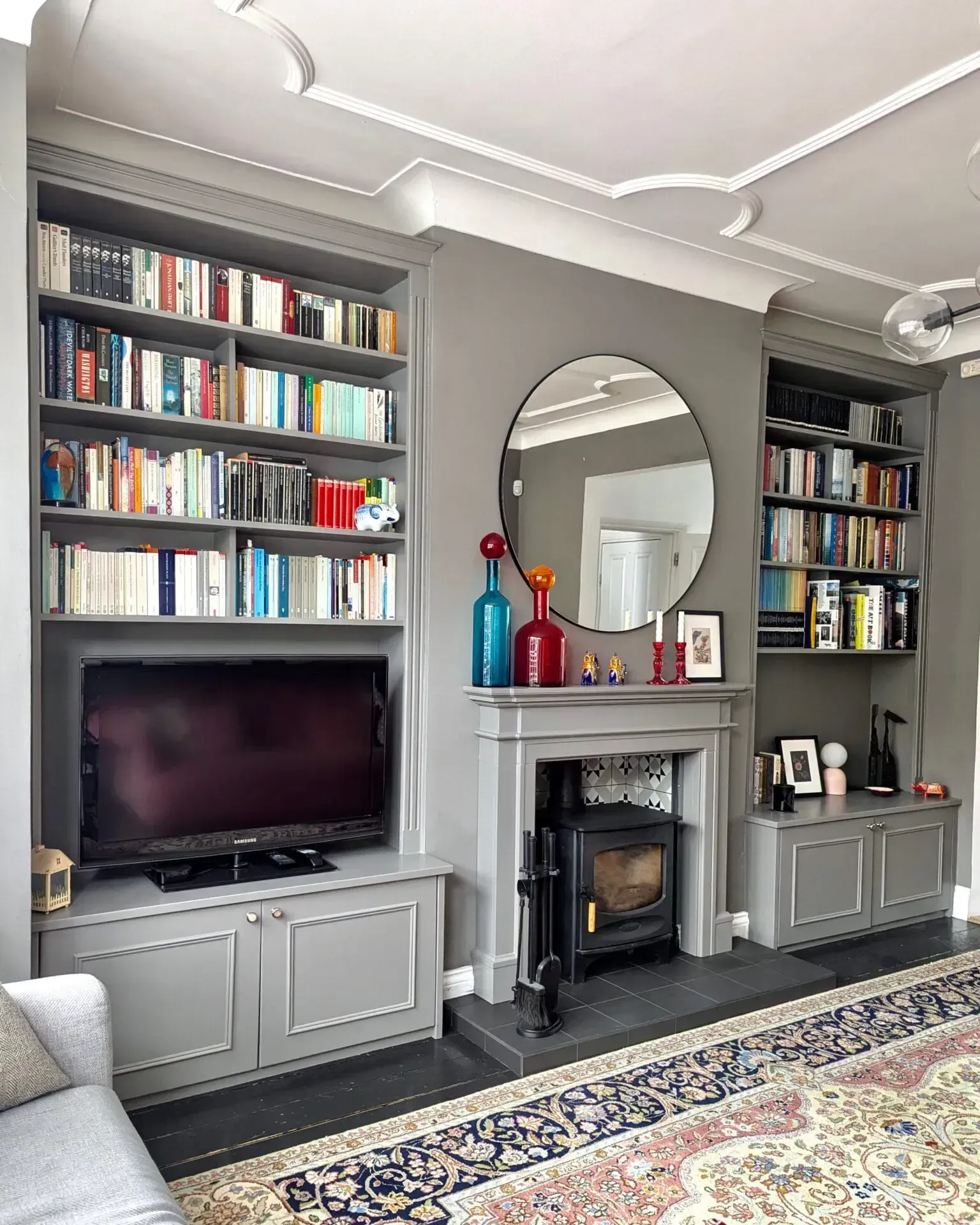
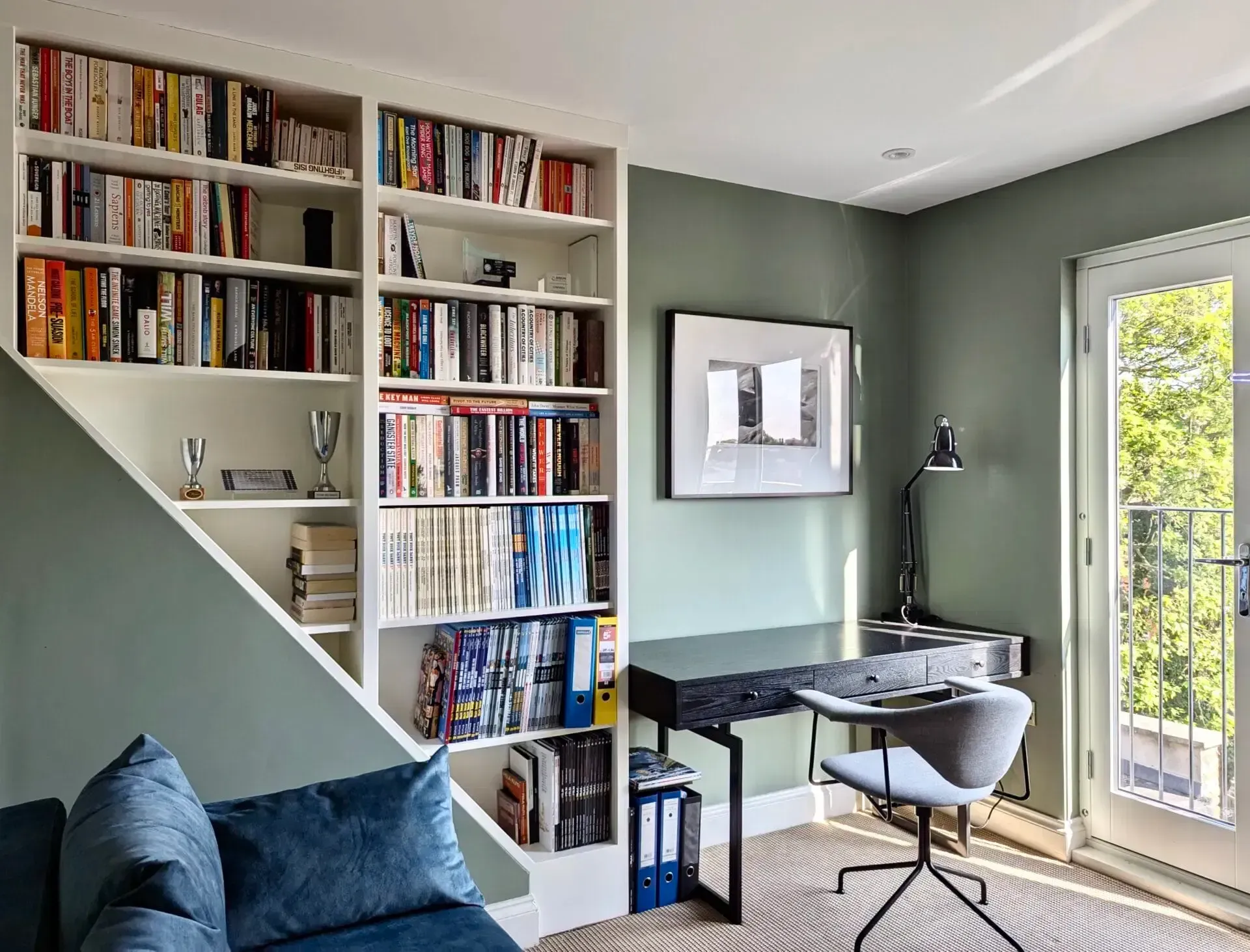
Painted cabinetry remains one of the most popular choices for bespoke interiors in London homes.
Benefits of Painted Cabinets
- Wide colour selection.
- Smooth, elegant appearance.
- Ability to refresh or repaint in future.
- Suitability for both classic and contemporary styles.
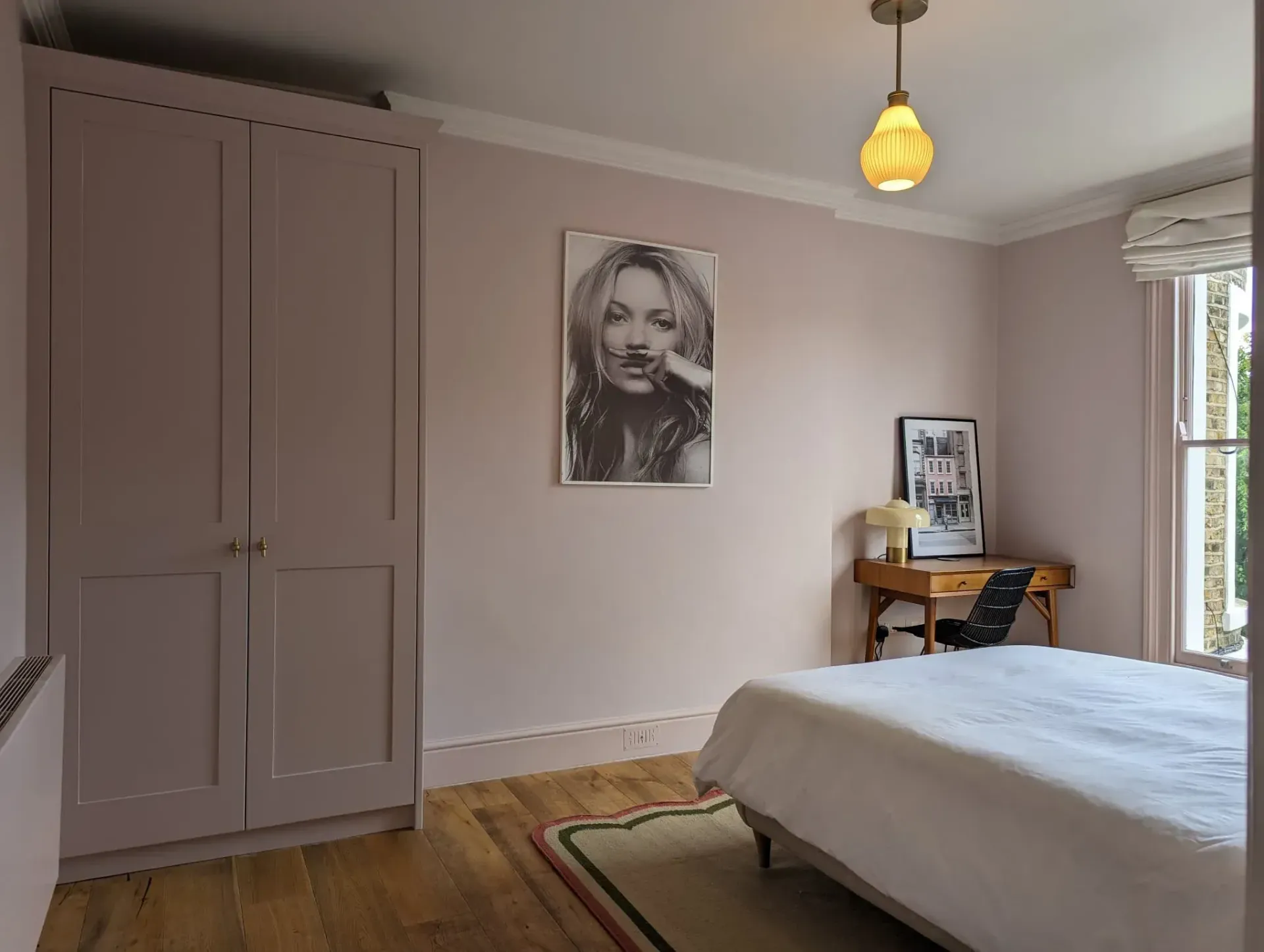
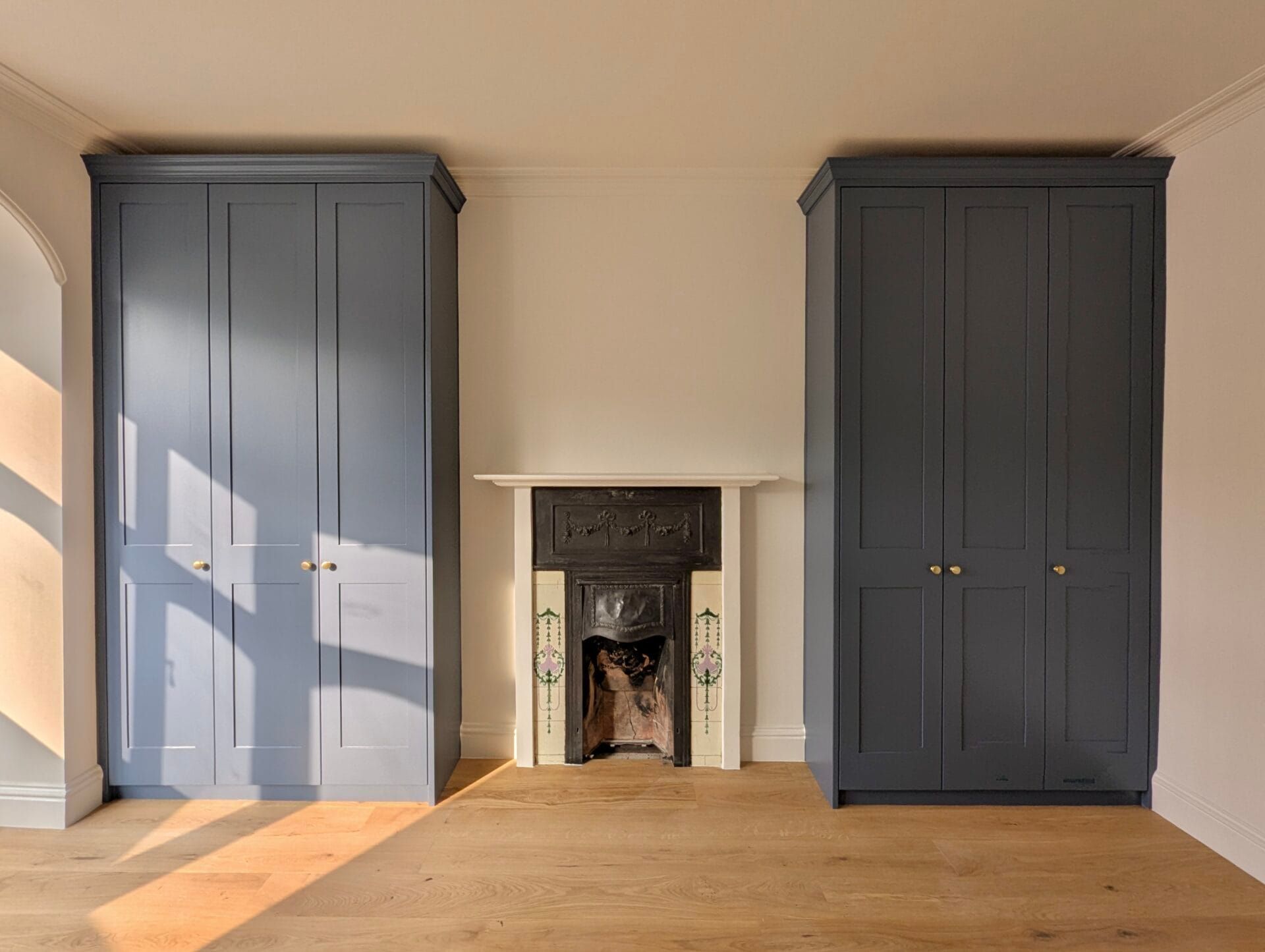
From soft heritage tones in period properties to crisp neutrals in modern apartments, painted finishes offer flexibility without compromising sophistication.
Matte vs Satin vs Gloss
Paint sheen significantly influences the overall aesthetic:
Matte Finish
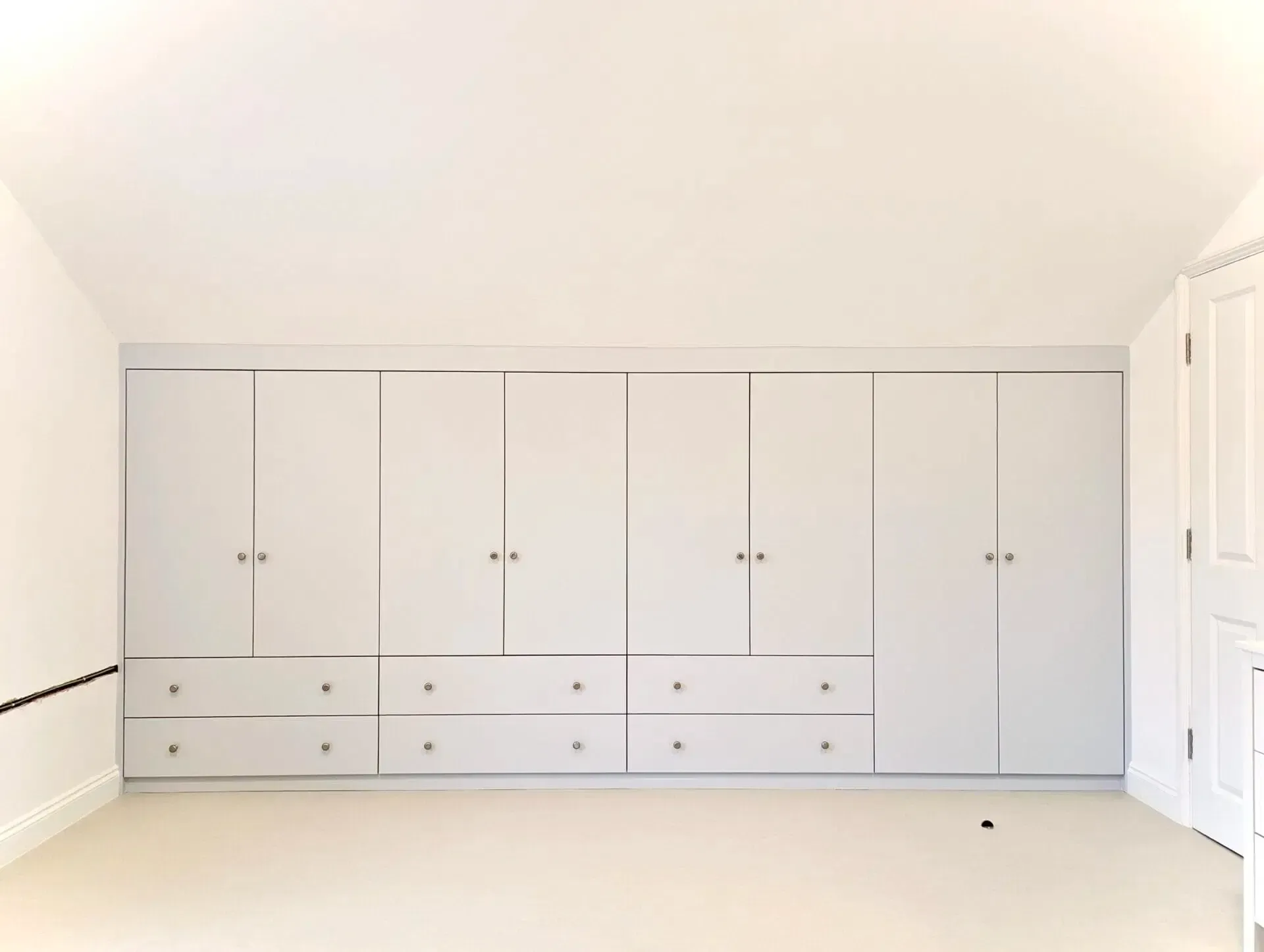
Creates a soft, understated look. Ideal for calm, contemporary interiors or traditional homes where subtlety is key.
Satin Finish
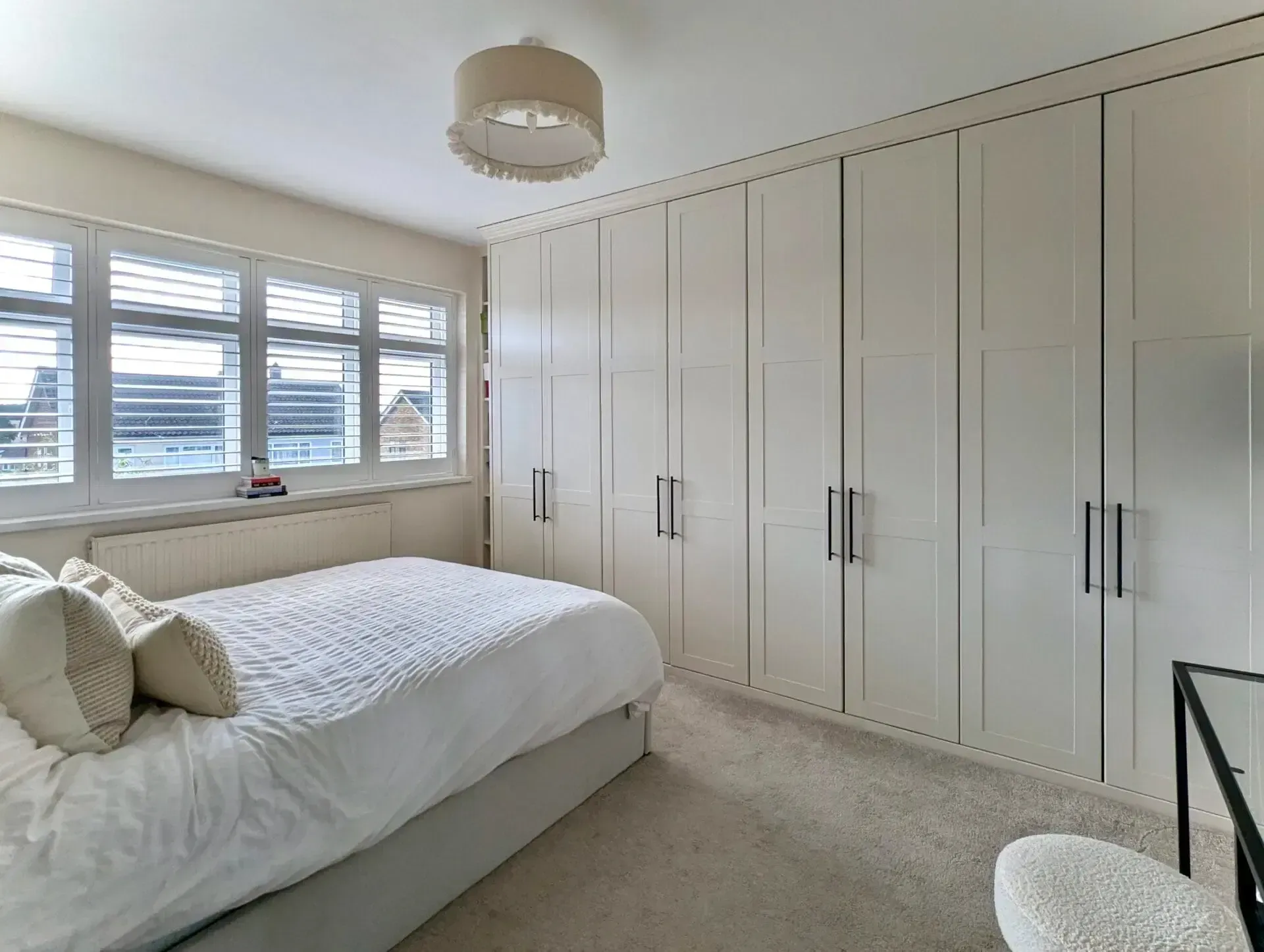
Offers a slight sheen, providing durability and easier cleaning while maintaining elegance.
Gloss Finish
Reflective and bold, best suited to ultra-modern spaces seeking a dramatic, high-polish appearance.
For most bespoke cabinetry in luxury homes, matte or satin finishes strike the most timeless balance.
Wood Veneer: Natural Warmth and Character
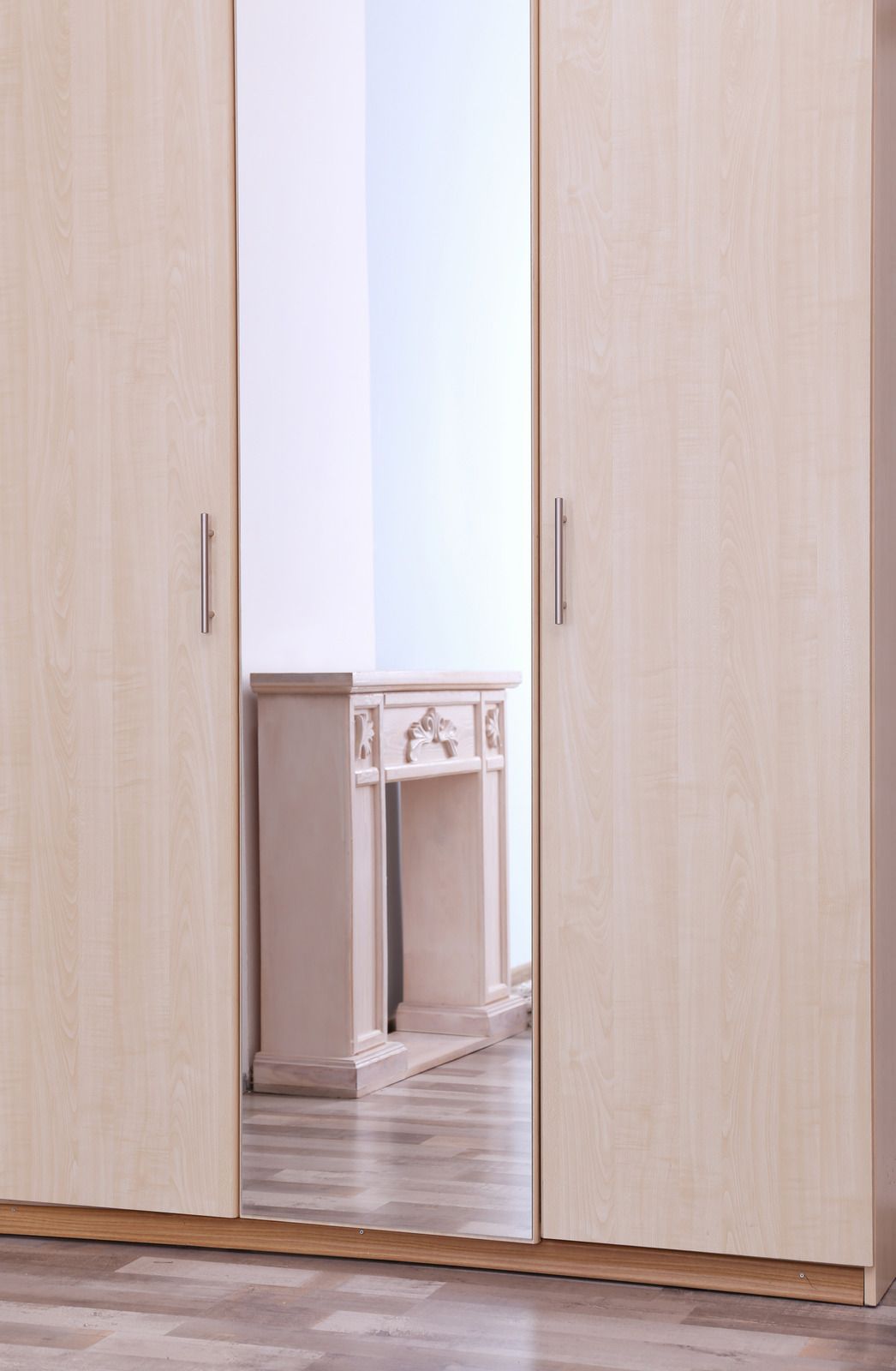
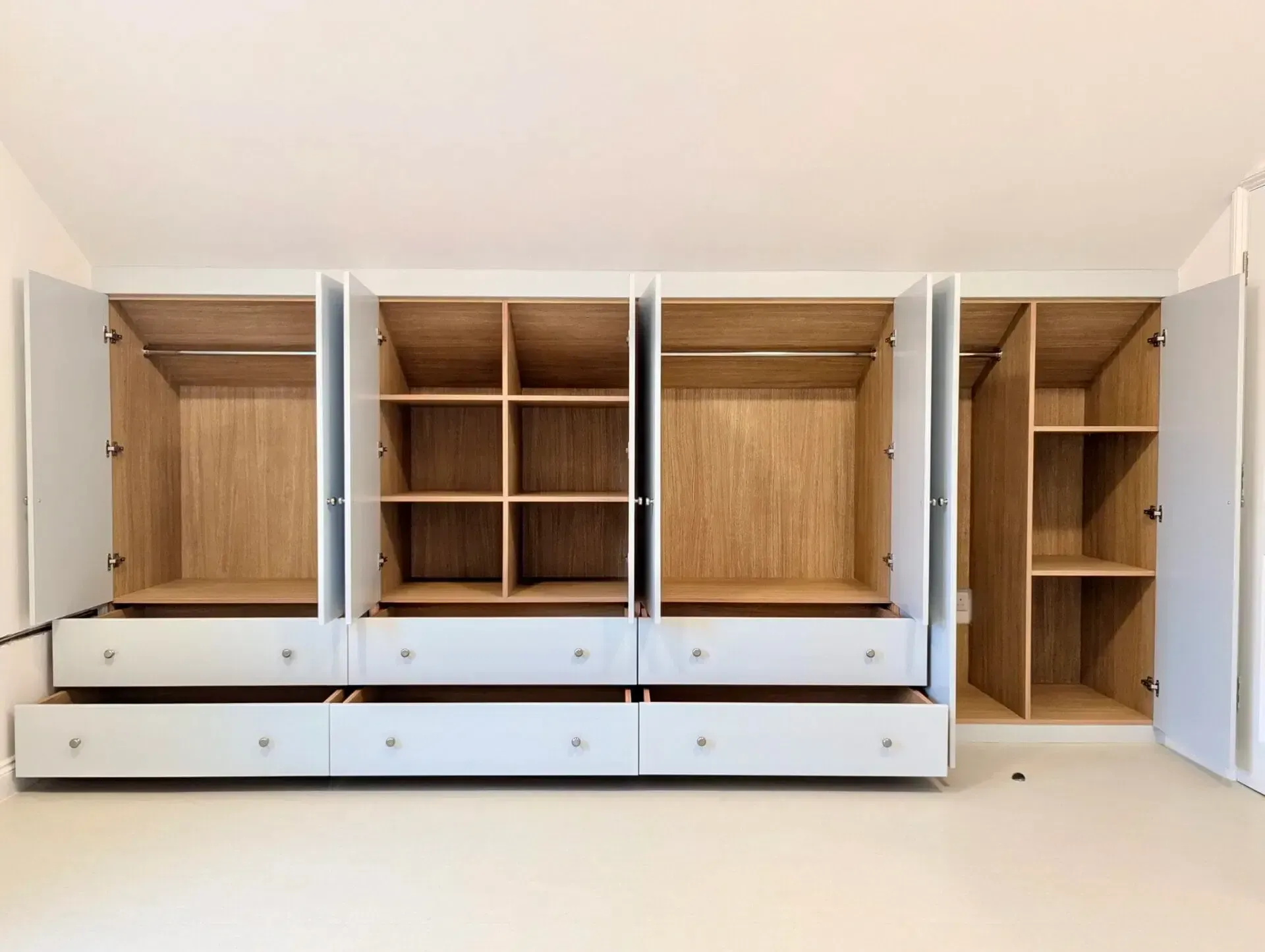
Wood veneer finishes bring warmth and organic texture into a space. Unlike solid wood panels, veneer offers consistency in grain while maintaining structural stability.
Popular veneer choices include:
- Walnut for rich, deep tones.
- Oak for light, versatile warmth.
- Ash for subtle grain patterns.
- Smoked or stained finishes for added depth.
Wood veneer suits both modern apartments and contemporary period renovations, adding tactile appeal without overpowering the room.
When paired with soft lighting and neutral walls, natural wood finishes create a calm, inviting environment.
Solid Wood Cabinetry: Classic Craftsmanship
For homeowners seeking traditional elegance, solid wood cabinetry remains a premium option.
Solid wood offers:
- Authentic grain variation.
- Strong durability.
- Long-term refinishing potential.
- Traditional joinery detailing.
This finish is particularly appropriate in Georgian and Victorian homes, where panelling and architectural detailing complement natural materials.
While solid wood requires proper maintenance, its enduring appeal makes it a lasting investment.
High-Gloss Lacquer: Contemporary Statement
High-gloss lacquer finishes deliver sleek, modern impact.
These finishes are often chosen for:
- Minimalist interiors.
- Open-plan apartments.
- Contemporary penthouses.
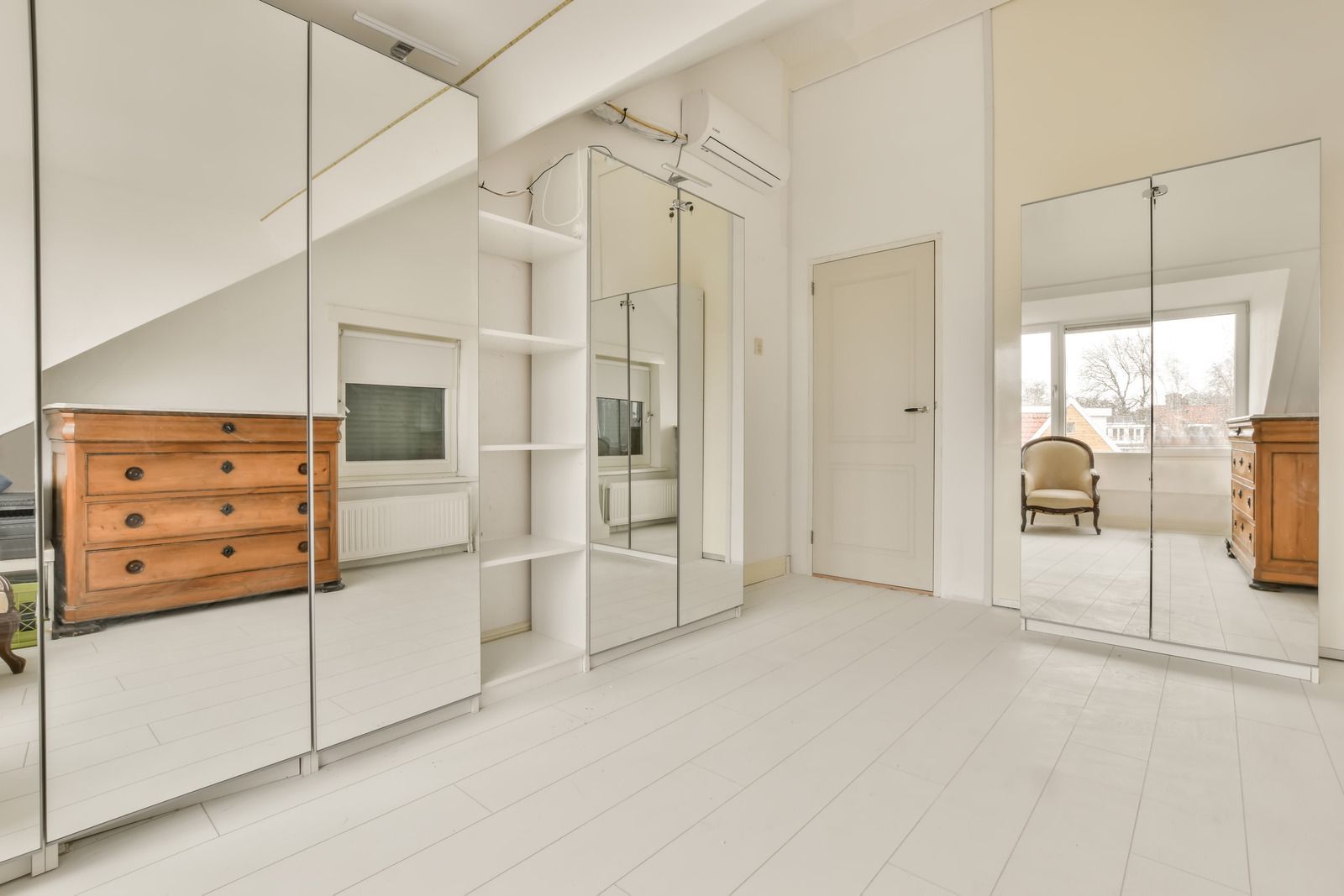
Gloss surfaces reflect light, making smaller rooms feel brighter and more expansive. However, they require careful cleaning to maintain a flawless appearance.
For those seeking bold visual clarity and a statement aesthetic, high-gloss lacquer can be highly effective when used thoughtfully.
Textured and Speciality Finishes
Beyond standard paint and wood, bespoke cabinets can incorporate textured surfaces for added depth.
Options include:
- Fluted panel detailing.
- Ribbed wood finishes.
- Fabric-backed inserts.
- Leather-lined drawer interiors.
- Metallic accents.
These elements introduce subtle luxury and individuality. Texture works particularly well in walk-in wardrobes and dressing areas, where tactile quality enhances the user experience.
Used sparingly, textured finishes add character without overwhelming the design.
Neutral vs Bold Colours: Making the Right Choice
Colour selection should reflect both personal style and the architectural context of the property.
Neutral Palettes
Shades such as warm grey, taupe, soft white, and muted navy offer timeless appeal. Neutral finishes:
- Adapt easily to evolving décor.
- Support long-term resale value.
- Provide flexibility in styling.
In London properties, neutrals often complement varied architectural details.
Bold Colours
Deep forest green, charcoal, navy, or even dramatic black can create striking impact. Bold cabinetry works well when:
- Balanced with natural light.
- Paired with subtle surrounding décor.
- Used in feature areas rather than throughout.
While bold colours express personality, it is important to ensure they align with long-term preferences.
Choosing Hardware to Complement the Finish
Cabinet finishes and hardware must work cohesively.
Handle options include:
- Brushed brass for warmth.
- Matte black for modern contrast.
- Polished chrome for clean simplicity.
- Antique bronze for period authenticity.
- Handleless push-to-open systems for minimalism.
Hardware can subtly influence the overall tone of the cabinetry. Even the same cabinet finish can feel entirely different depending on the handles selected.
Thoughtful pairing elevates the final result.
Durability and Everyday Performance
A finish must not only look beautiful but withstand daily use.
Consider:
- Resistance to scratches and marks.
- Ease of cleaning.
- Exposure to sunlight.
- Humidity levels.
In kitchens and bathrooms, moisture-resistant finishes are essential. In bedrooms and wardrobes, durability remains important but aesthetic detail may take greater priority.
Discussing lifestyle needs with a cabinetmaker ensures the chosen finish suits the room’s demands.
Lighting’s Impact on Finish Selection
Lighting dramatically affects how a finish appears.
Natural daylight may highlight wood grain, while artificial lighting can enhance gloss or deepen colour tones.
Before finalising a finish:
- View samples in the actual room.
- Assess appearance at different times of day.
- Consider both natural and artificial light sources.
What looks perfect in a showroom may appear different under residential lighting conditions.
Testing samples prevents unexpected results.
Matching Finishes to Property Style
Different architectural styles often guide finish choices.
Period Properties
- Painted shaker-style cabinetry.
- Heritage-inspired colours.
- Traditional hardware.
- Subtle wood detailing.
Contemporary Apartments
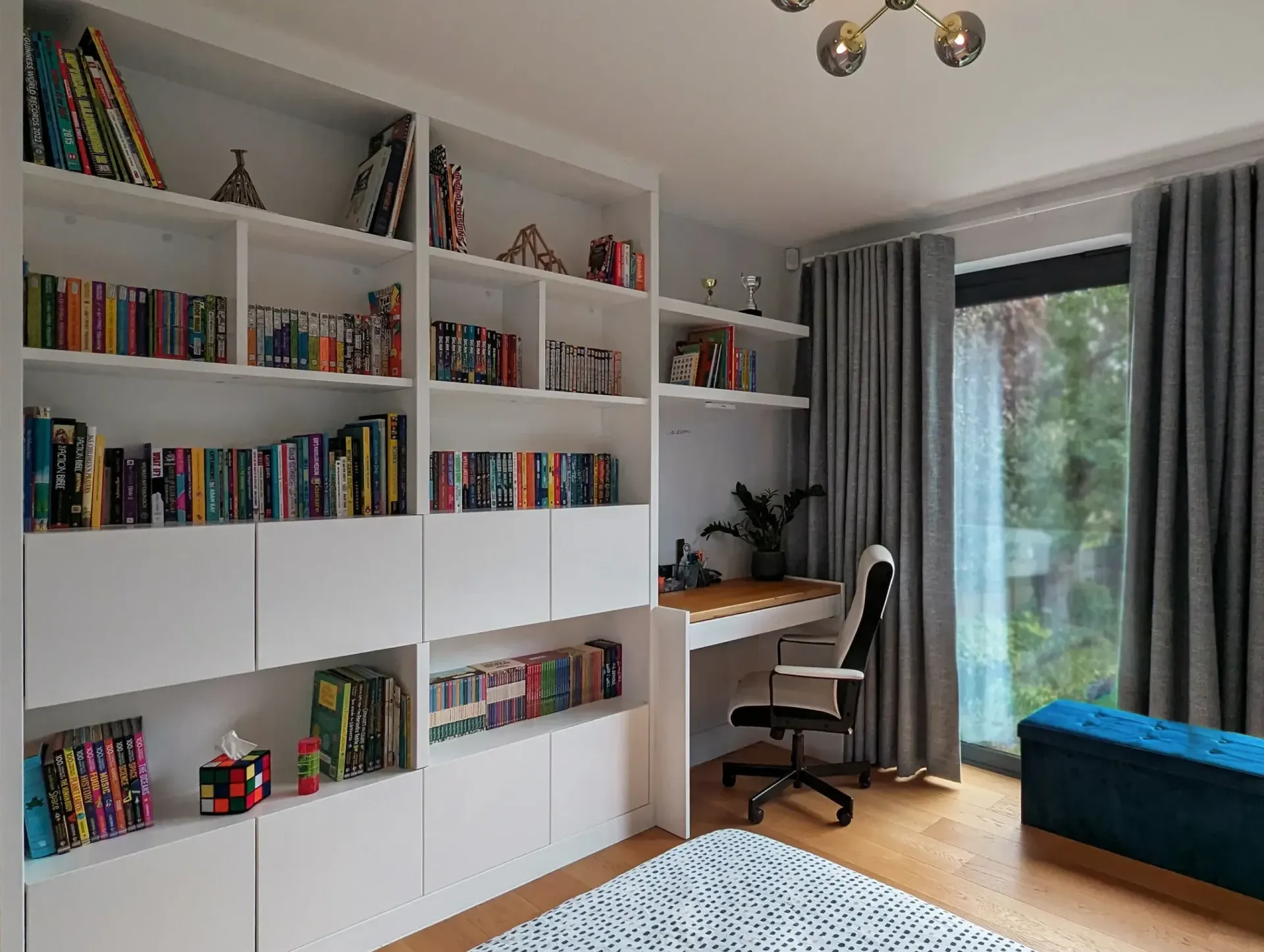
- Flat-panel designs.
- Matte lacquer or wood veneer.
- Minimal hardware.
- Clean-lined profiles.
Aligning cabinetry finishes with the property’s character ensures cohesion rather than contrast.
Sustainability Considerations
Increasingly, homeowners prioritise environmentally conscious materials.
Sustainable options include:
- Low-VOC paints.
- FSC-certified timber.
- Durable finishes that reduce replacement frequency.
- Water-based lacquers.
Choosing responsible materials supports both environmental goals and long-term quality.
Long-Term Flexibility
One advantage of painted finishes is the ability to refresh them in future. If design preferences evolve, cabinetry can be repainted rather than replaced.
Neutral finishes also offer greater adaptability if you plan to sell your property later.
Selecting a finish with longevity in mind protects your investment and ensures continued satisfaction.
Combining Multiple Finishes
Layering finishes can create depth and interest.
For example:
- Wood veneer outer panels with painted interiors.
- Matte cabinets paired with glass-fronted sections.
- Neutral cabinetry with accent-coloured drawers.
When combining finishes, consistency in tone and material quality ensures the result feels cohesive rather than fragmented.
Balance is key.
Avoiding Trend-Driven Decisions
While design trends can be inspiring, bespoke cabinets are long-term fixtures. Overly fashionable finishes may feel dated within a few years.
Instead, consider:
- Classic materials.
- Subtle detailing.
- Versatile colour palettes.
- Quality craftsmanship.
Timeless design ensures cabinetry continues to enhance your home for decades.
The Importance of Professional Guidance
Choosing finishes can feel overwhelming due to the wide range of options available. Working with experienced designers simplifies the process.
Professionals can:
- Provide material samples.
- Recommend finishes suited to your property.
- Advise on durability and maintenance.
- Ensure cohesive design across rooms.
Expert guidance ensures the final result reflects both aesthetic vision and practical considerations.
Conclusion
The finish of bespoke cabinets defines their character, durability, and long-term appeal. From painted surfaces and wood veneers to textured details and carefully chosen hardware, every decision shapes the overall atmosphere of your home.
By considering property style, lighting conditions, lifestyle needs, and future flexibility, you can select finishes that elevate your cabinetry beyond simple storage.
At Humphries Cabinets, we guide homeowners through every stage of the design process—from material selection to final installation. With premium finishes, meticulous craftsmanship, and attention to detail, we create bespoke cabinetry that enhances both everyday living and lasting value.
Recent Posts