Walk-In Wardrobe Design Ideas for Luxury London Apartments

Nitin Seo • February 28, 2026

Share this article

Luxury London apartments are defined by intelligent design, refined finishes, and thoughtful use of space. Whether located in a riverside development, a converted warehouse, or a prestigious Mayfair residence, high-end apartments prioritise comfort, functionality, and elegance. One feature that continues to grow in desirability is the walk-in wardrobe.


More than simply a place to store clothing, a walk-in wardrobe represents organisation, personal space, and elevated living. In luxury apartments—where space must be used with precision—a well-designed dressing area enhances daily routines while adding sophistication and long-term value.


Designing a walk-in wardrobe in a London apartment requires careful planning. Layout, lighting, materials, and internal organisation must work harmoniously to create a space that feels indulgent yet practical. This guide explores key design ideas that transform walk-in wardrobes into standout features within luxury homes.

Defining the Purpose of the Space

Before selecting finishes or storage features, it is important to define how the walk-in wardrobe will be used.


In luxury apartments, walk-in wardrobes often serve multiple purposes:

  • Clothing and accessory storage.
  • Dressing and grooming area.
  • Display space for designer items.
  • Private retreat separate from the bedroom.

Understanding lifestyle needs ensures the layout supports both practicality and comfort. A wardrobe designed purely for storage will feel very different from one intended as a boutique-style dressing suite.


Clear purpose guides intelligent design decisions.

Optimising Layout in Apartment Settings

Unlike large suburban homes, London apartments require efficient spatial planning. Walk-in wardrobes may be positioned:

  • Between the bedroom and en-suite.
  • Within a recessed area of the bedroom.
  • In a converted spare room.
  • Along one wall with partitioned glazing.

The layout must maximise movement while maintaining storage capacity.


Common configurations include:

U-Shaped Layout

Ideal for square or rectangular rooms, providing storage on three sides and central circulation space.


L-Shaped Layout

Suitable for corners or smaller dressing areas, offering generous storage while maintaining openness.


Galley Style

Perfect for narrower spaces, with cabinetry on either side and a clear walkway in the centre.


Each configuration should allow comfortable access to hanging rails, drawers, and shelving without overcrowding the room.

Floor-to-Ceiling Cabinetry for Maximum Impact

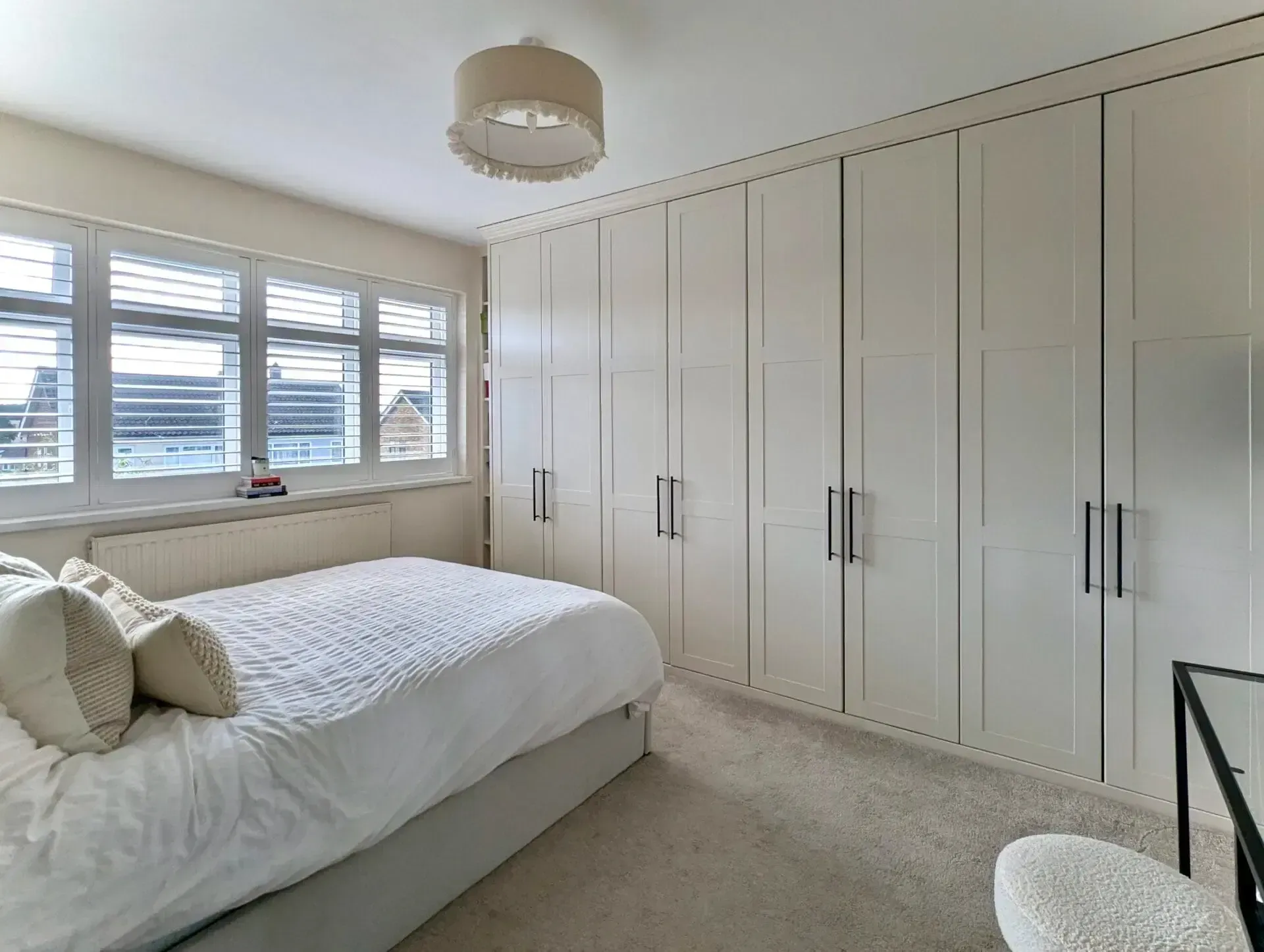
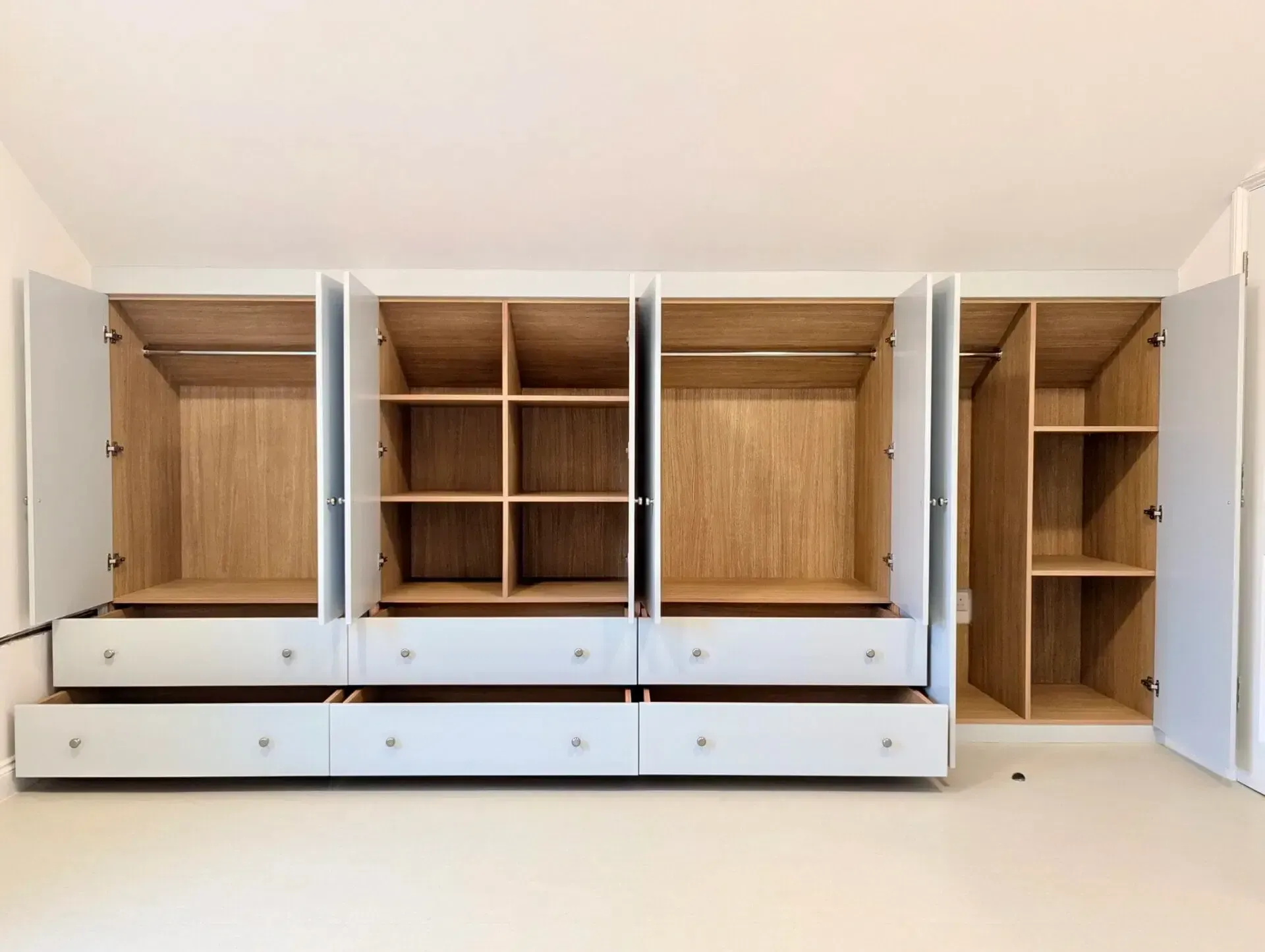
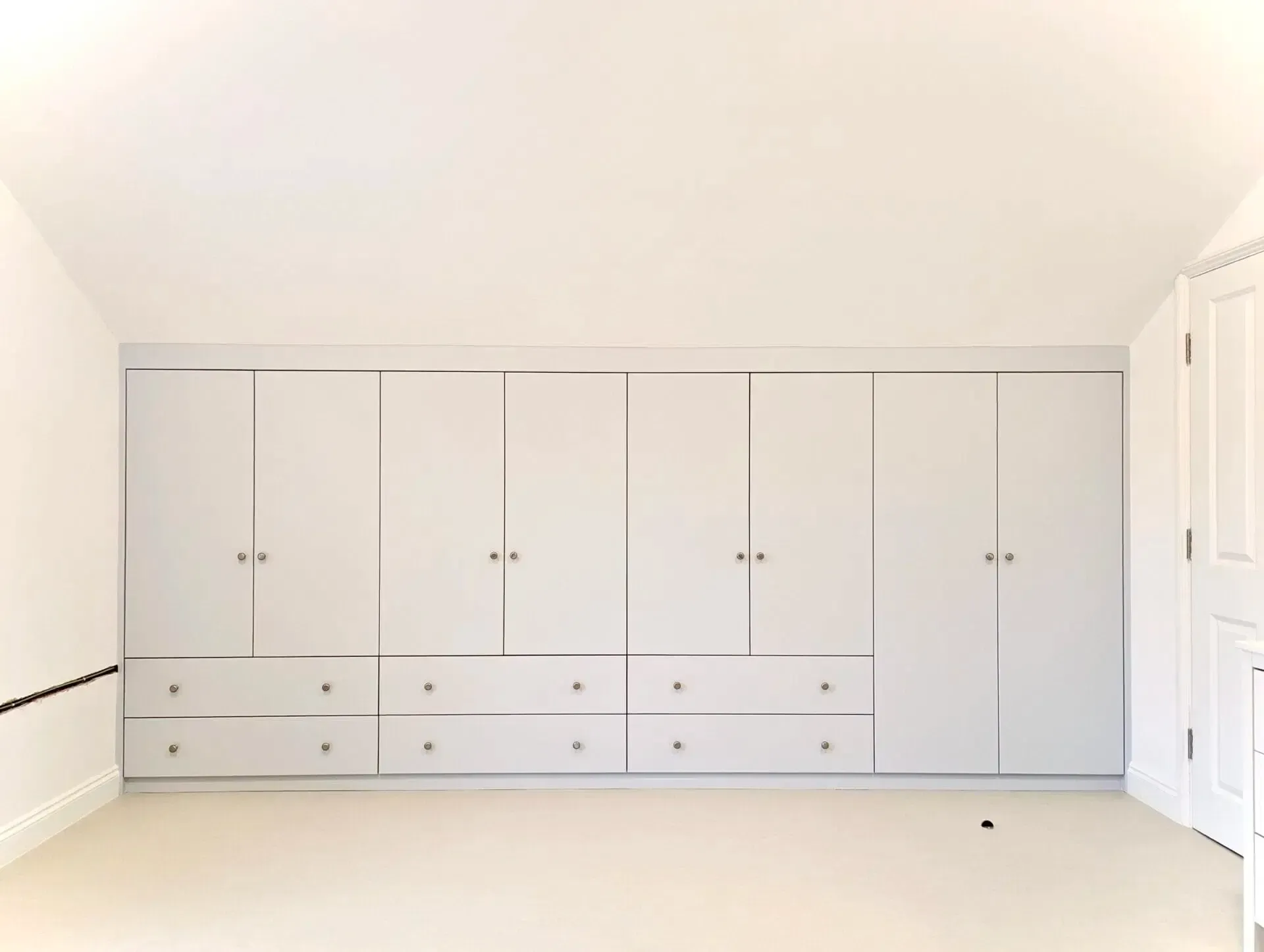
Luxury walk-in wardrobes often feature full-height cabinetry to create a seamless architectural look.


Floor-to-ceiling design:

  • Maximises vertical storage.
  • Eliminates dust-collecting gaps.
  • Enhances visual cohesion.
  • Creates a high-end built-in aesthetic.

Upper compartments can house seasonal items, luggage, or less frequently worn clothing. Integrated ladders or discreet pull-down rails can add both functionality and elegance.


This approach makes the wardrobe feel purposeful and substantial.

Incorporating a Central Island

Where space allows, a central island introduces both storage and statement design.


A wardrobe island can include:

  • Drawer storage for accessories.
  • Velvet-lined compartments for jewellery.
  • Watch winders.
  • Glass display tops.
  • Seating areas.

Beyond storage, an island anchors the room and elevates it to boutique level. In luxury apartments, this feature often becomes a focal point—combining practicality with indulgence.


Even compact islands can significantly enhance organisation and usability.

Glass-Fronted Displays for Designer Collections

Luxury living often includes curated fashion collections. Glass-fronted cabinets allow items to be displayed while remaining protected.


Options include:

  • Tinted glass doors.
  • Fluted glass panels.
  • Slim metal framing.
  • Integrated LED lighting behind shelving.

This approach adds depth and sophistication, transforming clothing into part of the interior design.


Balanced correctly, display features feel curated rather than cluttered.

Intelligent Internal Organisation

A walk-in wardrobe’s true value lies in its internal configuration.


Bespoke interiors allow for tailored organisation, including:

  • Double hanging rails for shirts and trousers.
  • Long hanging sections for dresses and coats.
  • Pull-out shoe racks.
  • Accessory trays.
  • Dedicated handbag shelving.
  • Tie and belt pull-outs.
  • Concealed laundry compartments.

By assigning specific zones to categories of clothing, the wardrobe remains orderly and intuitive.


Personalised storage prevents overcrowding and ensures effortless daily routines.

Integrated Lighting for Ambience and Clarity

Lighting is one of the most important elements in luxury wardrobe design.


Layered lighting enhances usability and atmosphere:


LED Strip Lighting

Installed along hanging rails or shelving edges for clear visibility.


Motion Sensor Lighting

Activates automatically when doors open.


Backlit Panels

Create a soft glow behind glass displays.


Statement Pendant or Chandelier

Adds drama and personality to the centre of the space.


Warm, diffused lighting enhances materials and ensures accurate colour visibility when selecting outfits.


Lighting transforms a functional storage area into an elegant dressing experience.

Material Choices That Elevate the Space

Material selection defines the overall aesthetic of a luxury wardrobe.


Popular choices include:

  • Matte lacquer finishes.
  • Natural wood veneers such as walnut or oak.
  • Textured laminates.
  • Suede-lined drawer interiors.
  • Brushed brass or bronze hardware.

Combining textures adds depth and richness. For example, pairing wood veneer cabinetry with soft fabric-lined drawers creates contrast and refinement.


In London apartments, contemporary finishes often blend with subtle classic detailing to create timeless appeal.

Incorporating Seating and Comfort

A luxury walk-in wardrobe is not only practical—it is experiential.


Adding seating enhances comfort and usability:

  • Upholstered bench seating.
  • Compact ottomans.
  • Integrated window seating where space allows.

Seating provides convenience when dressing and reinforces the sense of a personal retreat.


Even in compact apartments, carefully scaled seating can elevate the design.

Mirror Placement for Light and Functionality

Mirrors serve both practical and aesthetic purposes.


Options include:

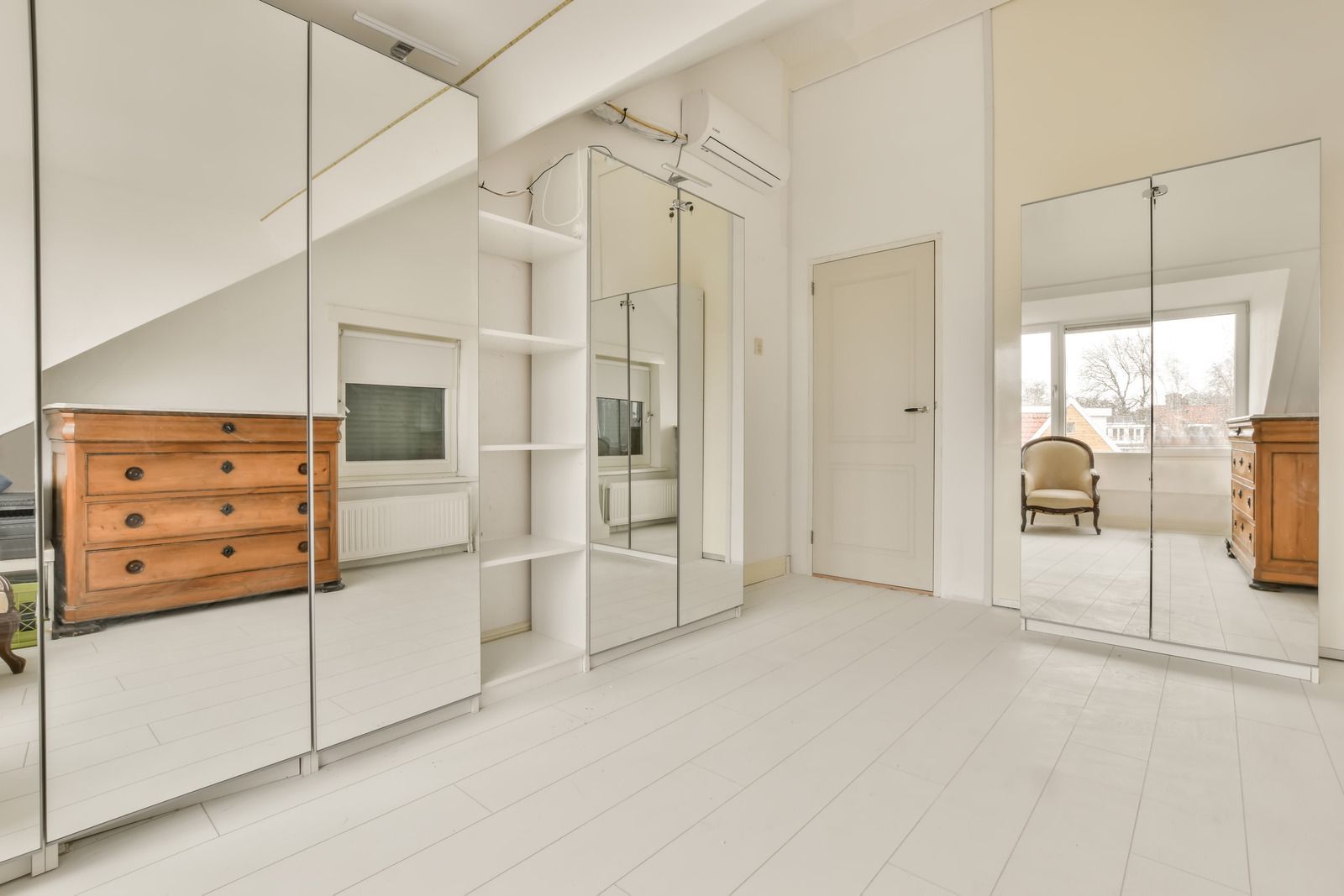
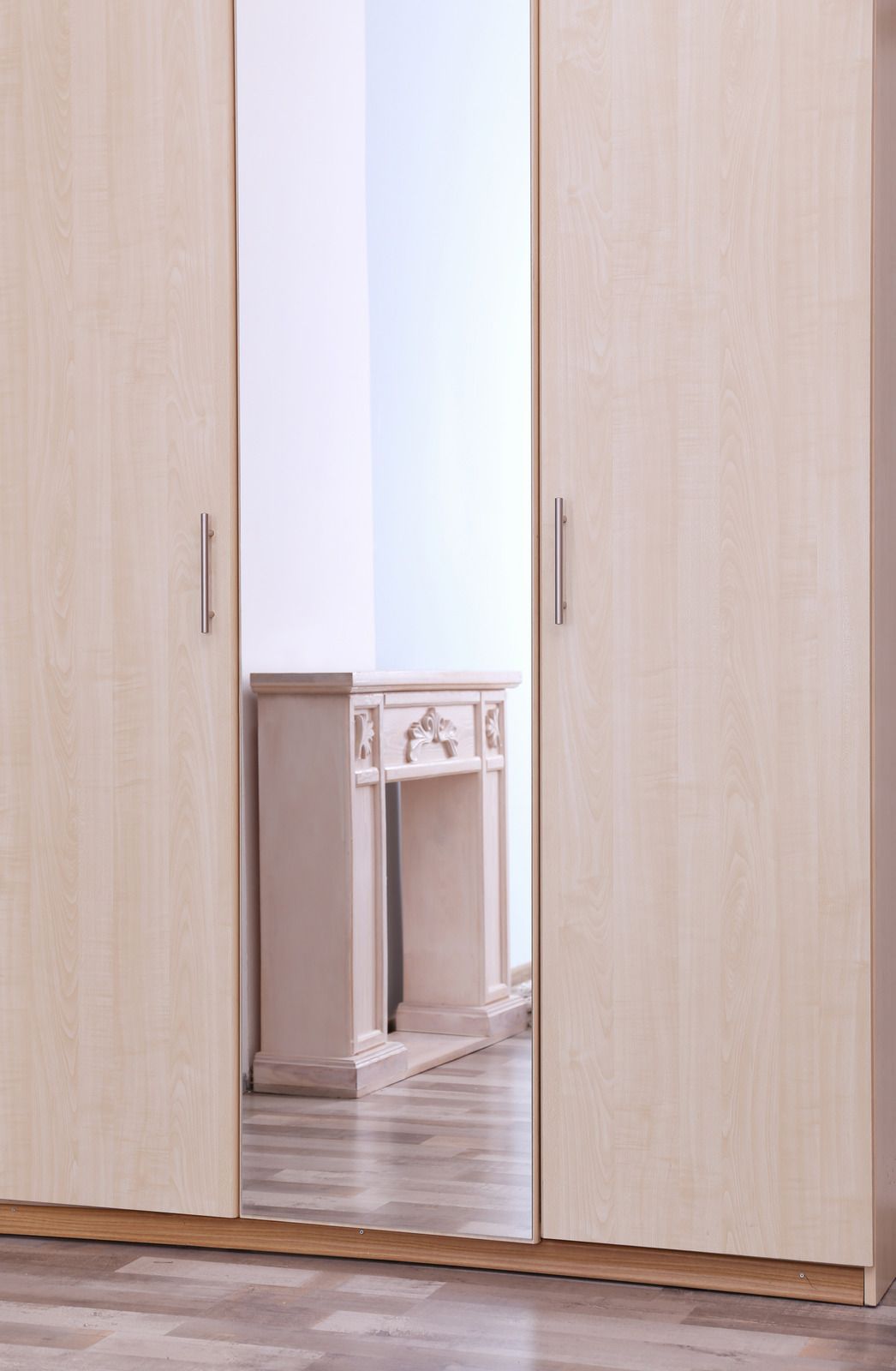
  • Full-height mirror panels.
  • Mirrored wardrobe doors.
  • Integrated vanity mirrors.
  • Backlit mirror installations.

Strategically placed mirrors reflect light, making the wardrobe feel larger and brighter—particularly important in London apartments where natural light may vary.


Mirrors also contribute to a sense of openness and luxury.

Smart Technology Integration

Modern luxury apartments increasingly incorporate smart technology, and walk-in wardrobes can reflect this evolution.


Features may include:

  • Automated lighting controls.
  • Climate control for delicate fabrics.
  • Motorised hanging systems.
  • Built-in charging drawers.
  • Digital safes integrated into cabinetry.

While not essential, these enhancements support convenience and modern lifestyle expectations.


Technology, when discreetly integrated, elevates the wardrobe without overwhelming the design.

Creating Privacy Without Closing Off Space

In open-plan apartment layouts, walk-in wardrobes may be partially visible from the bedroom. Creating separation while maintaining flow is key.


Design solutions include:

  • Sliding pocket doors.
  • Fluted glass partitions.
  • Soft-close hinged panels.
  • Concealed entryways integrated into cabinetry.

These features preserve privacy while allowing the wardrobe to feel connected to the bedroom suite.


Balance between openness and discretion defines sophisticated design.

Neutral Palettes for Timeless Elegance

Colour selection influences longevity and resale appeal.


Luxury wardrobes often feature neutral palettes such as:

  • Warm greys.
  • Soft taupes.
  • Deep navy.
  • Natural wood tones.
  • Off-whites.

Neutral tones provide versatility and prevent the space from feeling trend-driven.


Accent colours can be introduced subtly through drawer linings, hardware, or decorative elements without dominating the design.


Timeless palettes protect long-term value.

Maximising Value in High-End Apartments

In competitive London markets, well-designed walk-in wardrobes enhance property desirability.


Buyers associate walk-in wardrobes with:

  • Organisation and efficiency.
  • Elevated living standards.
  • Premium design.
  • Move-in-ready convenience.

Even in apartments where space is limited, transforming part of a room into a dressing area can differentiate the property.


Thoughtful storage adds both lifestyle value and financial appeal.

Balancing Opulence with Practicality

While luxury is important, practicality remains essential.


A successful walk-in wardrobe avoids excess and focuses on:

  • Logical zoning.
  • Comfortable circulation space.
  • Durable materials.
  • Easy maintenance.

When design balances beauty and function, the wardrobe becomes a seamless extension of the home rather than a decorative afterthought.

Conclusion

A walk-in wardrobe in a luxury London apartment is more than a storage feature—it is a statement of refined living.


Through intelligent layout, floor-to-ceiling cabinetry, curated displays, layered lighting, and premium materials, a bespoke dressing area transforms everyday routines into elevated experiences.


By combining practicality with sophistication, walk-in wardrobes enhance both immediate lifestyle enjoyment and long-term property appeal.


At Humphries Cabinets, we design bespoke walk-in wardrobes tailored to London apartments. With precision craftsmanship, premium finishes, and thoughtful layouts, we create elegant dressing spaces that maximise storage while embodying the sophistication of luxury city living.

Recent Posts

Cozy living room with fireplace, shelves with items, blue accent wall, TV on a stand, and a gray sofa.
By Nitin Seo February 28, 2026
Period properties hold a timeless appeal. From Victorian terraces and Edwardian townhouses to Georgian conversions, these homes offer architectural detail, craftsmanship, and proportions rarely found in modern builds. High ceilings, decorative cornicing, sash windows, chimney breasts, and original fireplaces create charm and personality that homeowners are proud to preserve. However, while period homes excel in character, they often fall short in practical storage. Built at a time when lifestyles were different and possessions fewer, these properties rarely include the integrated storage solutions modern living demands. The challenge, therefore, is clear: how do you maximise storage in a period property without compromising its original character? With thoughtful bespoke design, it is entirely possible to enhance practicality while respecting architectural heritage. This guide explores how tailored cabinetry and fitted wardrobes can unlock storage potential while preserving the integrity of your home.
By Nitin Seo February 28, 2026
In London’s competitive property market, every square foot matters. Buyers are not only looking for beautiful homes—they are looking for practical, well-designed spaces that maximise storage and feel effortlessly organised. In many London properties, particularly period homes and city apartments, storage can often be limited. This is where bespoke fitted wardrobes make a meaningful difference. While fitted wardrobes are often viewed as a lifestyle upgrade, they are also a strategic investment. Thoughtfully designed bespoke cabinetry enhances functionality, improves visual appeal, and increases overall property desirability. When executed professionally, fitted wardrobes can significantly contribute to a home’s market value and long-term resale potential. This guide explores how bespoke fitted wardrobes increase property value in London homes and why they are considered a smart investment for homeowners.
By Nitin Seo February 27, 2026
Sustainability is no longer a niche consideration in home design—it is an essential priority for many London homeowners. As awareness of environmental impact grows, so does the demand for responsibly sourced materials, low-emission finishes, and long-lasting craftsmanship. Custom cabinetry offers a unique opportunity to combine luxury, functionality, and environmental responsibility. Because bespoke cabinets are designed and built specifically for your space, every material and finish can be carefully selected to reduce environmental impact without compromising quality or aesthetic appeal. From sustainably sourced timber to low-VOC paints and durable construction methods, this guide explores eco-friendly options available in custom cabinetry and how thoughtful choices can support a more sustainable home.
By Nitin Seo February 27, 2026
A truly bespoke wardrobe is far more than fitted storage. It is a carefully crafted solution designed around your space, lifestyle, and aesthetic preferences. Unlike off-the-shelf furniture, bespoke wardrobes are not adapted to fit a room—they are created specifically for it. In London homes, where layouts often include alcoves, sloped ceilings, chimney breasts, and varying proportions, a tailored approach ensures that every centimetre is used intelligently. But what exactly goes into designing and installing a bespoke wardrobe? Understanding the process helps homeowners appreciate the craftsmanship, planning, and precision involved. From initial consultation to final installation, this guide outlines the key stages behind creating a wardrobe that is genuinely bespoke.
By Nitin Seo February 27, 2026
When designing bespoke wardrobes and dressing rooms, layout and materials often take centre stage. However, one of the most transformative elements is frequently overlooked: lighting. Lighting is not simply a practical necessity. In bespoke storage design, it enhances visibility, highlights craftsmanship, creates atmosphere, and elevates the entire experience of using the space. A well-lit wardrobe feels luxurious, organised, and intuitive. Poor lighting, by contrast, can make even the most beautifully crafted cabinetry feel flat and impractical. In London homes—where natural light varies from grand sash windows in period properties to softer daylight in modern apartments—integrated wardrobe lighting plays a crucial role. This guide explores how thoughtful lighting design transforms bespoke wardrobes and dressing rooms from functional storage areas into refined, elegant spaces.
By Nitin Seo February 27, 2026
Hybrid working has reshaped how we use our homes. What was once an occasional workspace at the dining table has evolved into a permanent requirement for many professionals across London. Whether working remotely full-time or splitting the week between office and home, the need for a functional, organised, and comfortable workspace is now essential. In many London properties—particularly flats and period homes—space is limited. A dedicated office room may not always be available. Instead, homeowners must integrate productive workspaces into bedrooms, living areas, or alcoves. This is where custom home office cabinets become invaluable. Bespoke cabinetry allows you to create a tailored, efficient workspace that supports hybrid working without compromising the style and flow of your home. This guide explores how thoughtfully designed home office cabinets can maximise productivity, organisation, and long-term flexibility.
By Nitin Seo February 27, 2026
Small flats are an integral part of Fulham’s vibrant residential landscape. Whether you’re in a Victorian conversion just off the High Street or a modern riverside apartment overlooking the Thames, space is at a premium. Bedrooms—especially—can feel cramped when storage is limited. Clothes, accessories, linens, luggage, and personal items all compete for space, making organisation a daily challenge. The good news? With thoughtful design and intelligent storage solutions, even the smallest bedroom can feel spacious, calm, and highly functional. Clever storage doesn’t just hide clutter—it transforms the way a space works. This guide explores practical, stylish, and bespoke ideas to help maximise bedroom storage in small Fulham flats without sacrificing comfort or design.
By Nitin Seo February 27, 2026
Choosing storage for your bedroom is more than a practical decision—it shapes how your space looks, feels, and functions every day. In London homes especially, where room sizes vary from compact apartments to generous period properties, selecting the right wardrobe solution can significantly impact both lifestyle and property value. Two primary options dominate bedroom storage: fitted wardrobes and freestanding furniture. Each has its advantages, aesthetic appeal, and practical considerations. The right choice depends on your space, long-term plans, and design preferences. This guide explores the differences between fitted wardrobes and freestanding furniture, helping you determine which solution best suits your home.
By Nitin Seo February 27, 2026
When investing in bespoke cabinets, design goes far beyond layout and storage configuration. The finish you choose plays a defining role in how the cabinetry looks, feels, and performs over time. It influences light, texture, durability, and the overall character of a room. In luxury London homes—where interiors often blend contemporary living with architectural heritage—cabinet finishes must strike the right balance between style and longevity. A well-chosen finish enhances not only the cabinetry itself but the atmosphere of the entire space. This complete guide explores the key finish options available for bespoke cabinets, helping you make informed decisions that reflect your lifestyle, aesthetic preferences, and long-term goals.
Built-in closet with white doors and interior drawers. Clothes hang on rods and are stacked on shelves.
January 31, 2026
Designing a bespoke fitted wardrobe is an exciting process. It’s an opportunity to create a storage solution that fits your space perfectly, supports your lifestyle, and enhances the overall design of your home.
Show More