Walk-In Wardrobes vs Fitted Wardrobes: Pros, Cons and Key Differences

December 31, 2025

Share this article

Choosing the right wardrobe solution is a major decision when designing or renovating a bedroom. Storage is no longer just about hiding clothes away; it plays a central role in how a room looks, feels, and functions on a daily basis. Two of the most popular options homeowners consider are walk-in wardrobes and fitted wardrobes. While both offer excellent storage potential, they suit different spaces, lifestyles, and design priorities.


Understanding the pros, cons, and key differences between walk-in wardrobes and fitted wardrobes will help you make an informed decision that works best for your home and long-term needs.

What Is a Walk-In Wardrobe?

A walk-in wardrobe is a dedicated storage space that you can physically step into. It is often designed as a separate room or sectioned-off area within a bedroom. Walk-in wardrobes typically feature open shelving, hanging rails, drawers, and sometimes seating or mirrors, creating a dressing-room-style experience.


They are often associated with luxury interiors and are popular in larger homes where space allows for a separate wardrobe area.

What Is a Fitted Wardrobe?

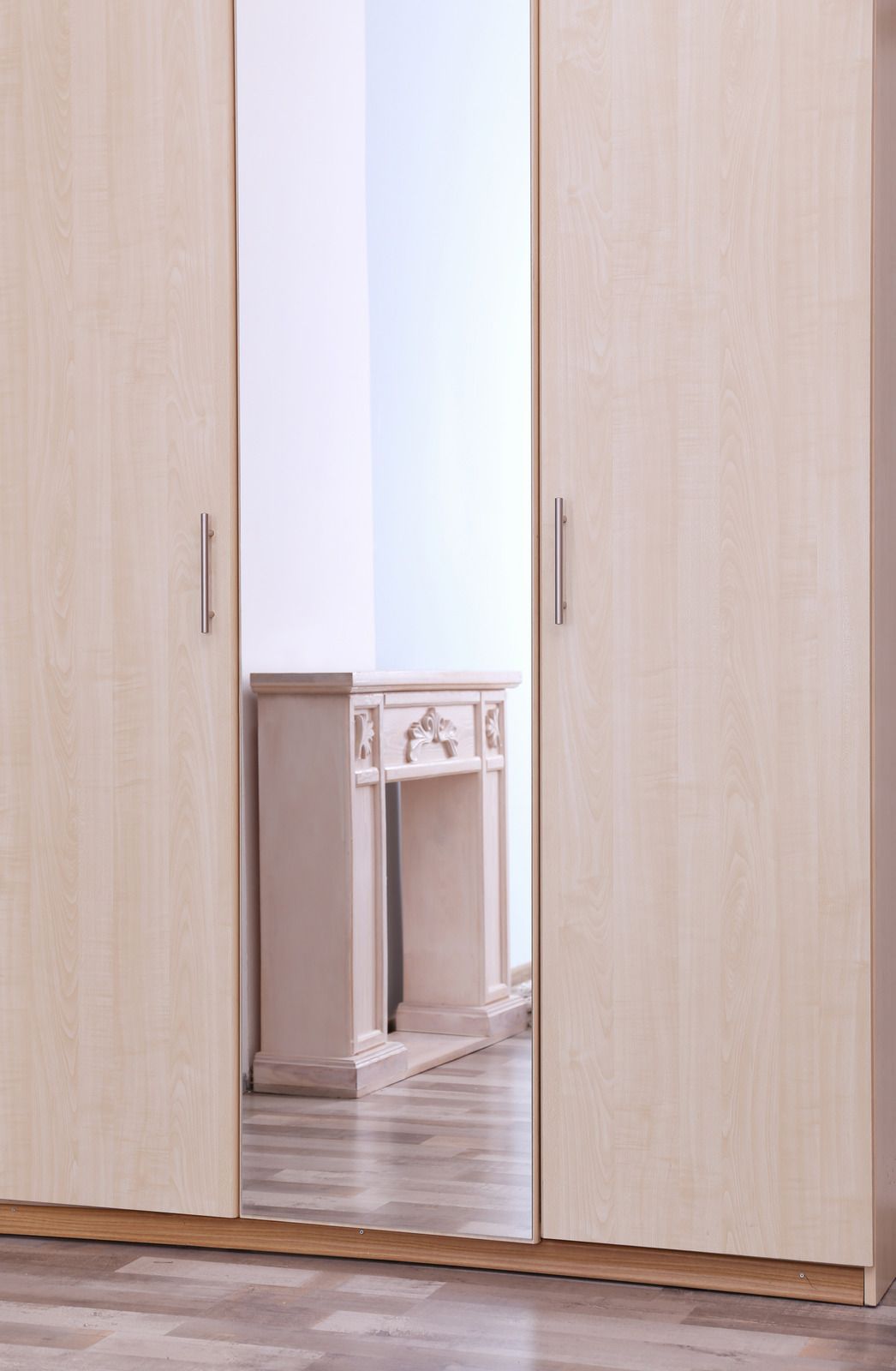
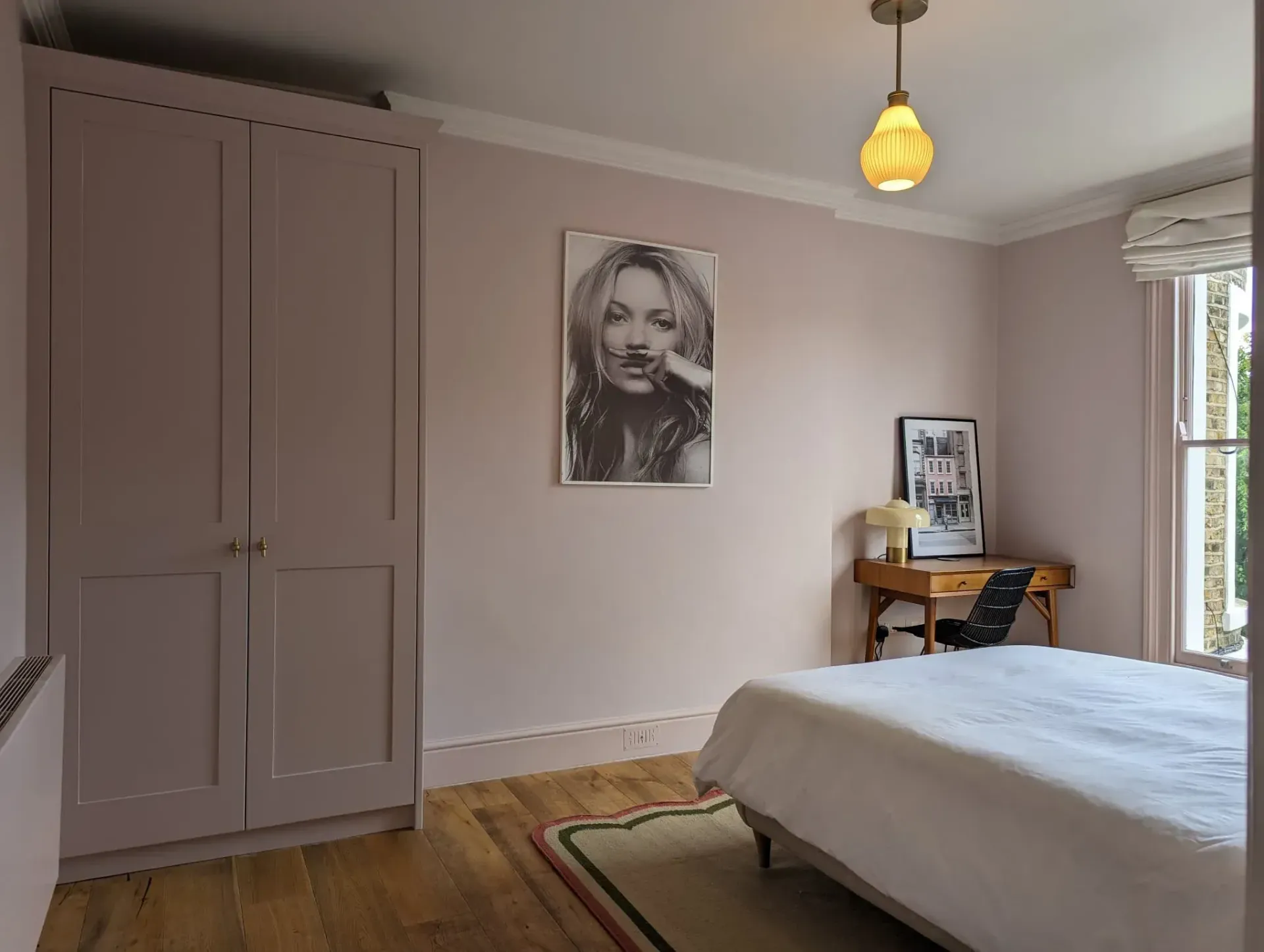
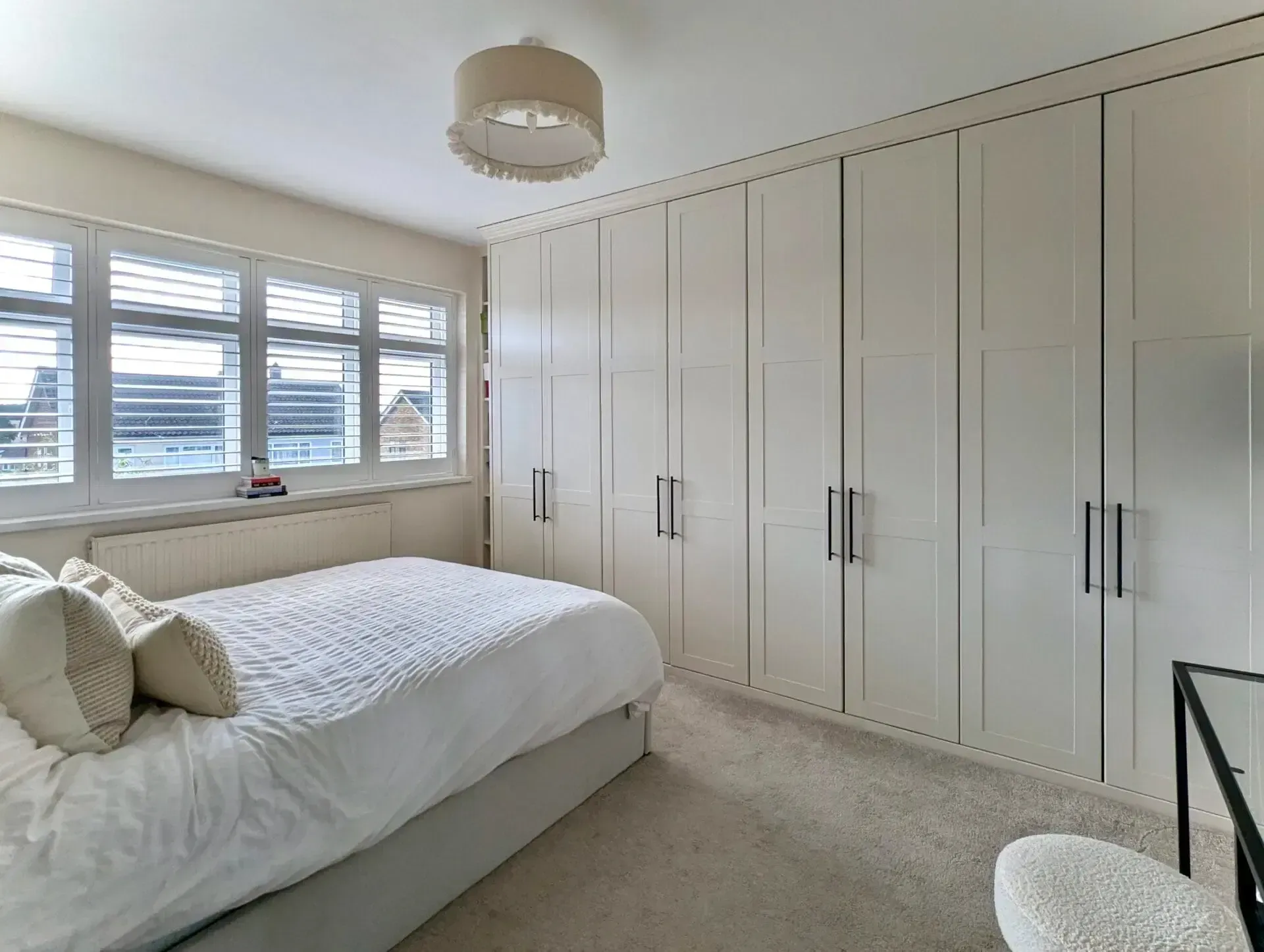
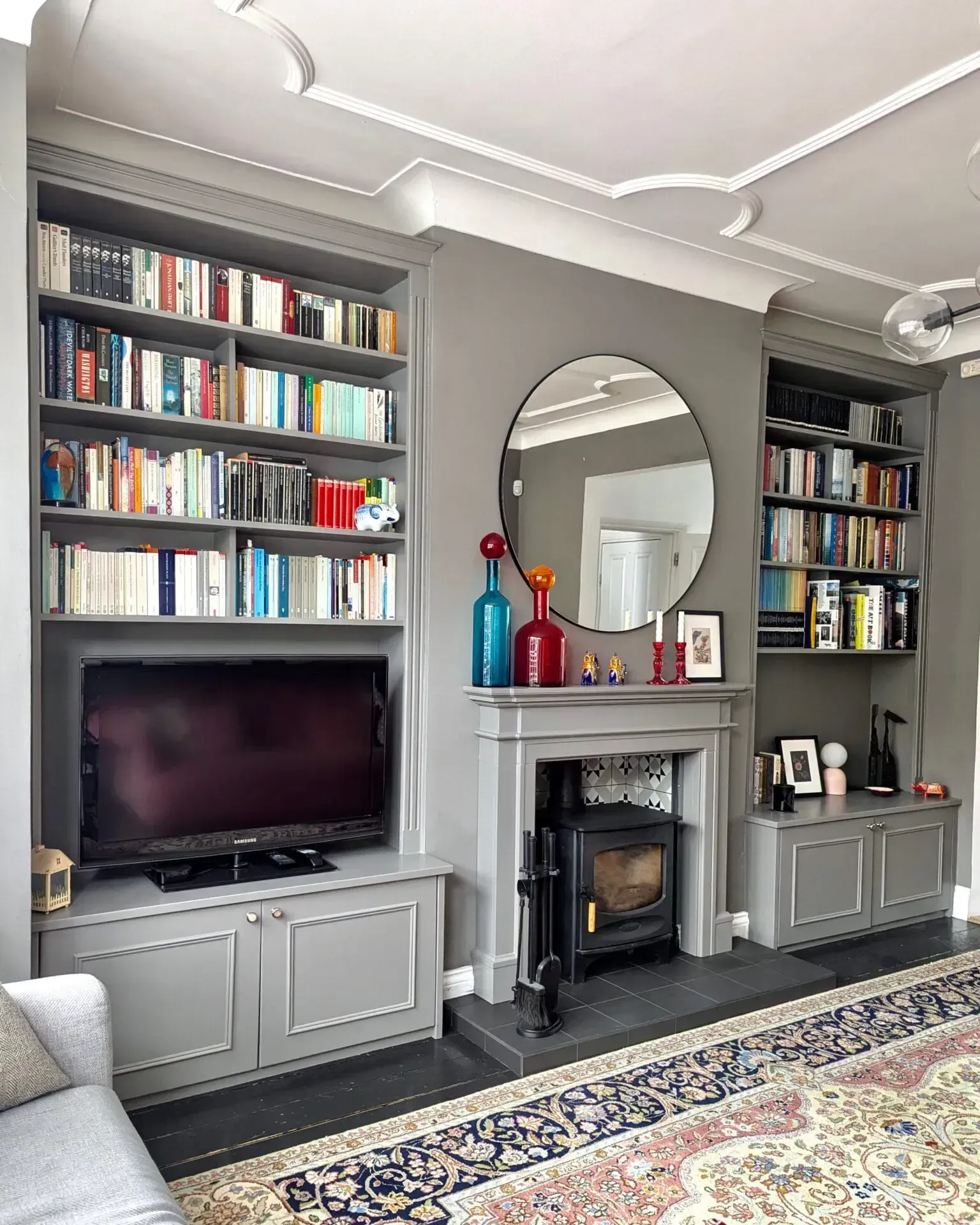
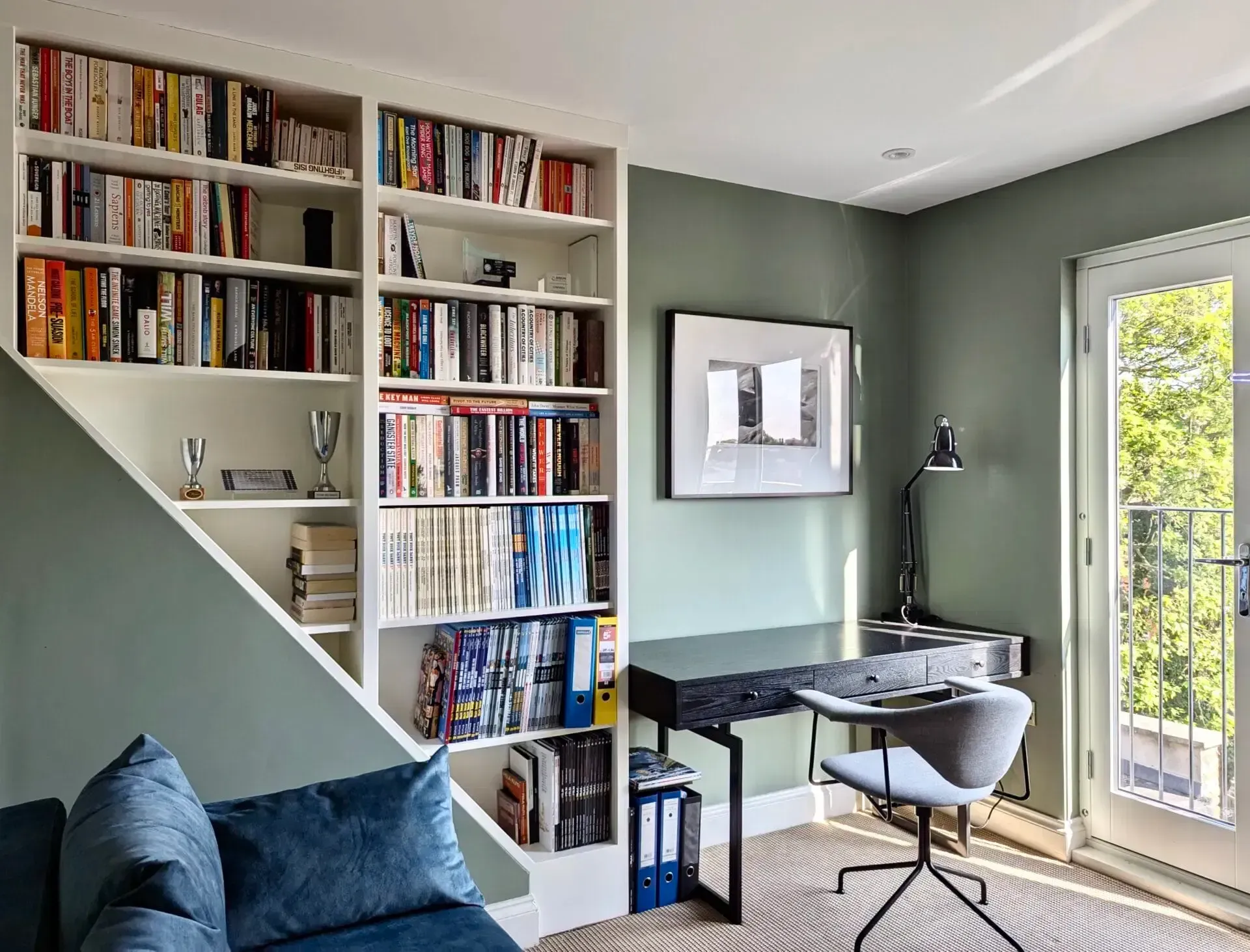
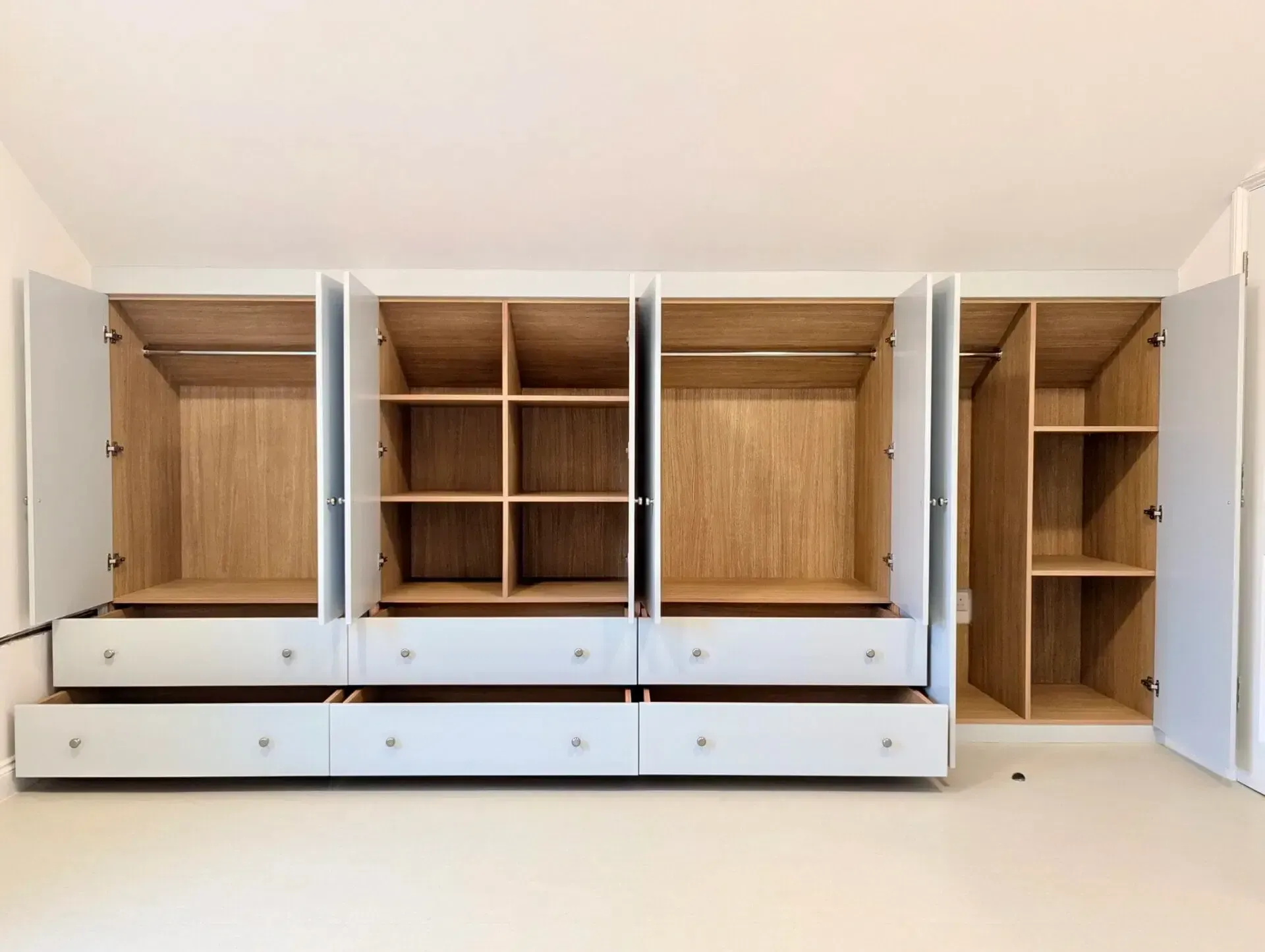
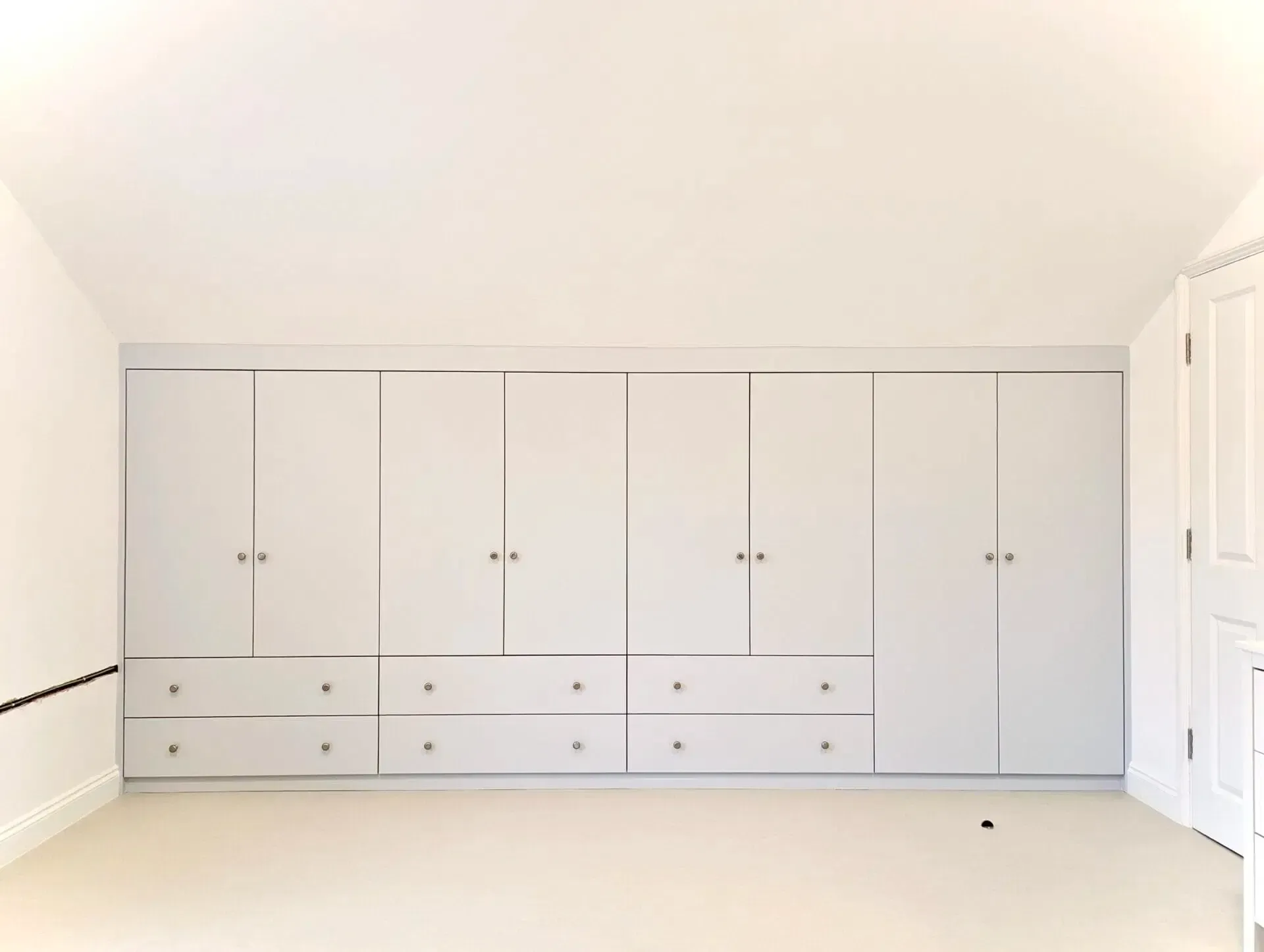
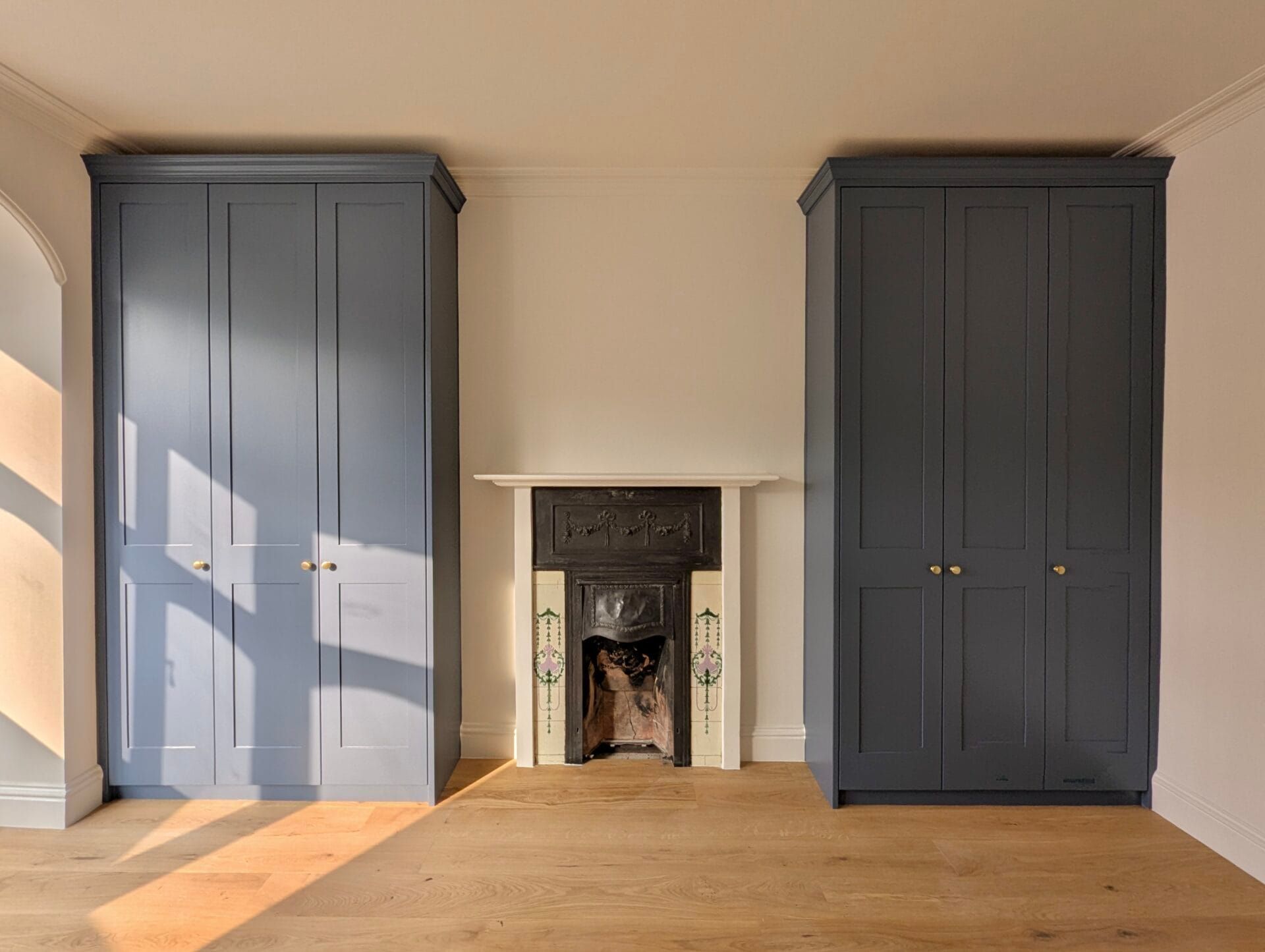
A fitted wardrobe is a built-in storage solution designed to fit precisely within a bedroom. Unlike freestanding furniture, fitted wardrobes are made to measure, often running from floor to ceiling and wall to wall. They are designed to maximise available space while blending seamlessly into the room.


Fitted wardrobes can be customised internally and externally, offering a wide range of styles, finishes, and layouts to suit both modern and traditional interiors.

Space Requirements: A Key Difference

One of the most important differences between walk-in and fitted wardrobes is the amount of space they require.


Walk-in wardrobes need sufficient floor space to allow movement within the wardrobe itself. This usually means sacrificing part of the bedroom or having a dedicated adjoining room. Without enough space, a walk-in wardrobe can feel cramped and impractical.


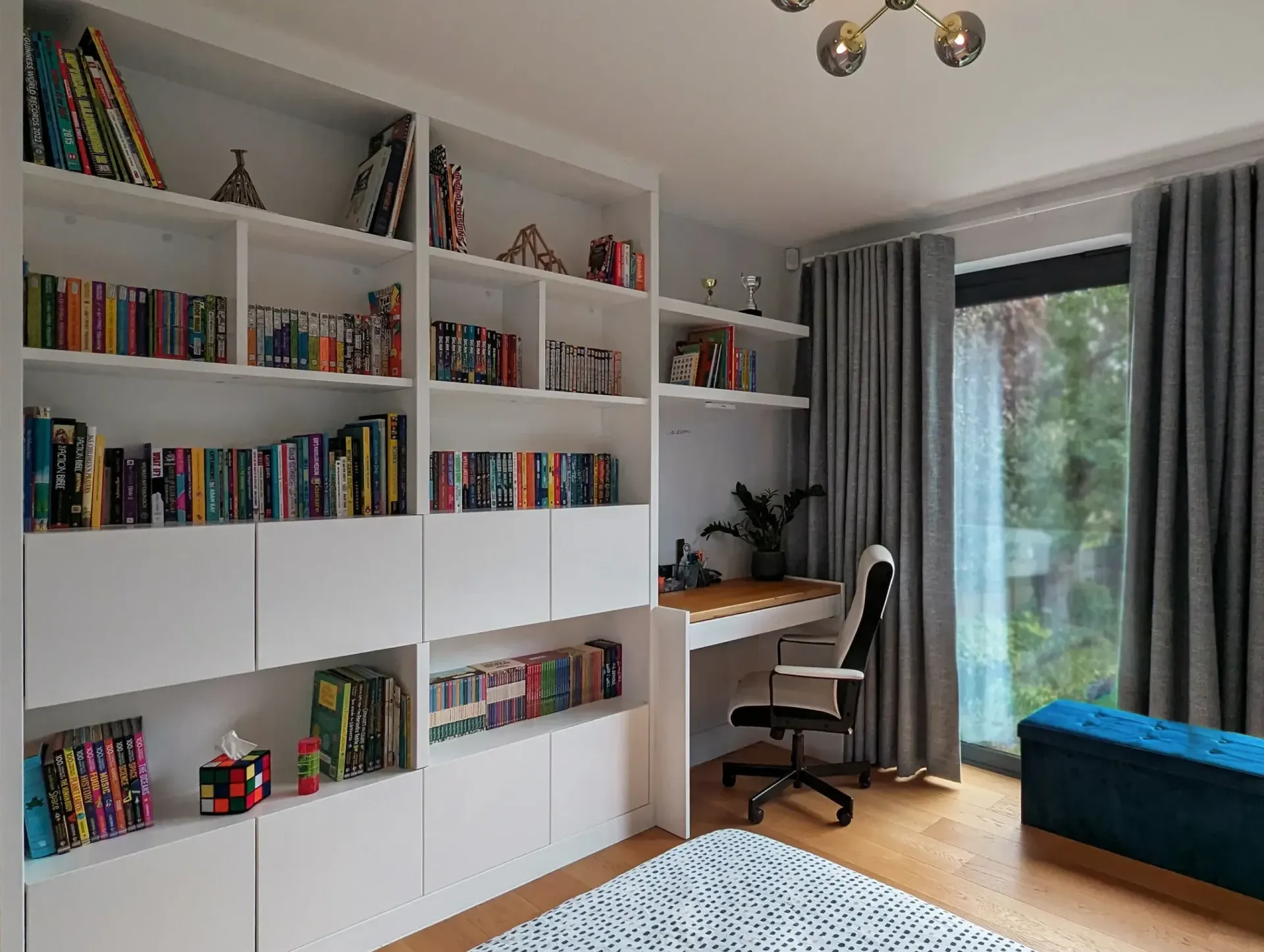
Fitted wardrobes, on the other hand, are ideal for maximising storage without reducing usable bedroom space. Because they are built into the existing room layout, they work exceptionally well in small or awkward spaces where every inch matters.

Storage Capacity and Efficiency

Walk-in wardrobes offer excellent visibility and accessibility. With open shelving and hanging areas, everything is on display, making outfit selection easy. They are particularly suited to larger clothing collections and those who enjoy a boutique-style layout.


However, walk-in wardrobes can be less space-efficient. Walkways inside the wardrobe take up valuable floor area, which could otherwise be used for storage.


Fitted wardrobes are highly efficient in terms of storage density. Floor-to-ceiling designs make full use of vertical space, and interiors can be tailored precisely to your storage needs. This often results in greater usable storage within a smaller footprint.

Organisation and Everyday Use

Walk-in wardrobes can feel luxurious and enjoyable to use, especially when well-organised. They allow space to move, browse, and sometimes even sit while dressing. However, keeping a walk-in wardrobe tidy requires discipline, as open storage can quickly look cluttered if not well maintained.


Fitted wardrobes excel at keeping spaces organised and visually calm. With doors concealing storage, the bedroom maintains a clean, uncluttered appearance even if the interior is full. This makes fitted wardrobes particularly appealing for those who prefer a minimalist or restful bedroom environment.

Visual Impact and Bedroom Aesthetics

Walk-in wardrobes create a strong design statement and are often considered a luxury feature. They can elevate the feel of a home, particularly when designed with lighting, mirrors, and coordinated finishes. However, they are usually hidden behind a door and do not contribute directly to the bedroom’s visual design.


Fitted wardrobes play a more active role in shaping the bedroom’s appearance. Door styles, finishes, and proportions can be chosen to complement the room’s décor. When designed well, fitted wardrobes enhance the room’s overall aesthetic and create a seamless, built-in look.

Privacy and Noise Considerations

Walk-in wardrobes provide a level of separation from the bedroom. This can be beneficial when two people share a room, as one person can use the wardrobe without disturbing the other.


Fitted wardrobes are located within the bedroom, which means accessing them may create some noise. However, modern soft-close mechanisms and thoughtful layouts minimize disruption, making them perfectly suitable for shared spaces.

Cost Considerations

Walk-in wardrobes often require more space, additional construction work, and sometimes changes to room layouts. This can increase overall costs, especially if walls, partitions, or doors need to be added.


Fitted wardrobes are generally more cost-effective for the storage they provide. While bespoke fitted wardrobes are an investment, they usually require less structural work and deliver excellent value through efficient space use and long-term durability.

Suitability for Different Homes

Walk-in wardrobes are best suited to larger homes or master bedrooms where space is not limited. They work well when storage can be separated without compromising the size or comfort of the bedroom.


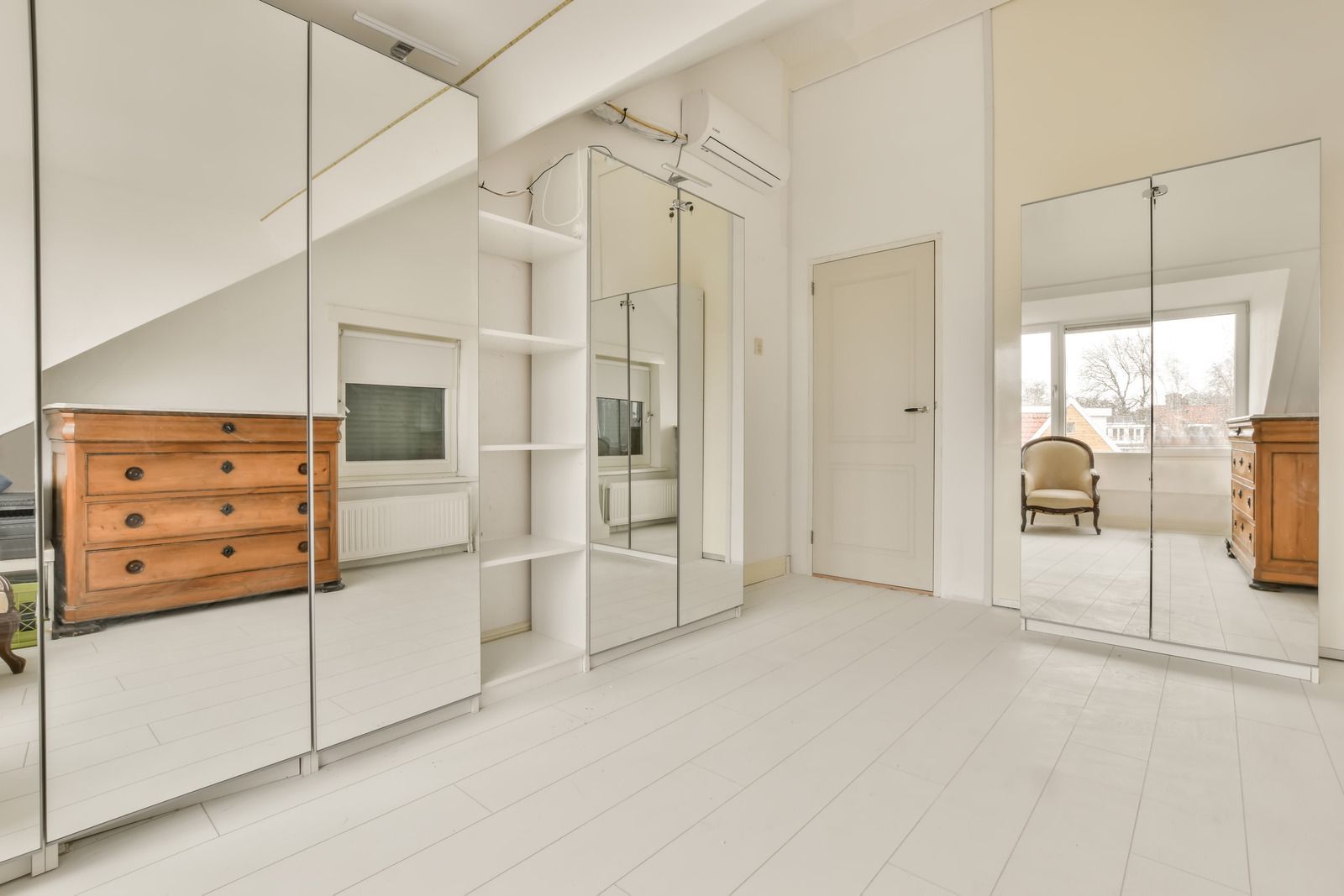
Fitted wardrobes are suitable for almost any home. From compact bedrooms to loft rooms and spaces with sloped ceilings, fitted wardrobes adapt to the room’s architecture and maximise storage regardless of layout constraints.

Flexibility and Long-Term Value

Both wardrobe types can be designed to adapt over time, but fitted wardrobes often offer greater long-term flexibility. Adjustable shelving, reconfigurable interiors, and timeless designs ensure fitted wardrobes remain practical even as storage needs change.

Walk-in wardrobes offer flexibility in layout but may be harder to reconfigure without structural changes. Additionally, fitted wardrobes are often viewed as a valuable built-in feature that enhances property appeal.

Key Differences at a Glance

  • Space: Walk-in wardrobes require more space; fitted wardrobes maximise existing space
  • Storage efficiency: Fitted wardrobes offer higher storage density
  • Aesthetics: Walk-ins feel luxurious; fitted wardrobes enhance bedroom design
  • Organisation: Walk-ins rely on open storage; fitted wardrobes keep clutter hidden
  • Suitability: Walk-ins suit large homes; fitted wardrobes suit all room sizes

Which Option Is Right for You?

The choice between a walk-in wardrobe and a fitted wardrobe ultimately depends on your space, lifestyle, and priorities. If you have ample room and desire a dressing-room experience, a walk-in wardrobe can be a luxurious addition. However, if you want maximum storage, efficient use of space, and a streamlined bedroom design, fitted wardrobes are often the more practical choice.


Both options can be beautifully designed when planned properly, but the best solution is one that enhances daily life and works harmoniously with your home.


It is also worth considering how each option impacts future flexibility. Fitted wardrobes can be adapted to changing needs without altering room layouts, while walk-in wardrobes may require more permanent structural decisions. Choosing the right solution early ensures your storage continues to support your lifestyle comfortably over time.

Conclusion

Walk-in wardrobes and fitted wardrobes each have their own advantages and limitations. Walk-ins offer luxury and openness, while fitted wardrobes provide efficiency, versatility, and seamless integration. By understanding the pros, cons, and key differences, you can choose a wardrobe solution that delivers comfort, organisation, and long-term value.


At HUMPHRIES BESPOKE FITTED WARDROBES & CUPBOARDS FULHAM LIMITED, we specialise in designing and crafting bespoke fitted wardrobes and custom storage solutions tailored to your home and lifestyle. Whether you are considering a walk-in wardrobe or a fitted design, our expert craftsmanship ensures a solution that combines functionality, style, and lasting quality.

Recent Posts

Cozy living room with fireplace, shelves with items, blue accent wall, TV on a stand, and a gray sofa.
By Nitin Seo February 28, 2026
Period properties hold a timeless appeal. From Victorian terraces and Edwardian townhouses to Georgian conversions, these homes offer architectural detail, craftsmanship, and proportions rarely found in modern builds. High ceilings, decorative cornicing, sash windows, chimney breasts, and original fireplaces create charm and personality that homeowners are proud to preserve. However, while period homes excel in character, they often fall short in practical storage. Built at a time when lifestyles were different and possessions fewer, these properties rarely include the integrated storage solutions modern living demands. The challenge, therefore, is clear: how do you maximise storage in a period property without compromising its original character? With thoughtful bespoke design, it is entirely possible to enhance practicality while respecting architectural heritage. This guide explores how tailored cabinetry and fitted wardrobes can unlock storage potential while preserving the integrity of your home.
By Nitin Seo February 28, 2026
Luxury London apartments are defined by intelligent design, refined finishes, and thoughtful use of space. Whether located in a riverside development, a converted warehouse, or a prestigious Mayfair residence, high-end apartments prioritise comfort, functionality, and elegance. One feature that continues to grow in desirability is the walk-in wardrobe. More than simply a place to store clothing, a walk-in wardrobe represents organisation, personal space, and elevated living. In luxury apartments—where space must be used with precision—a well-designed dressing area enhances daily routines while adding sophistication and long-term value. Designing a walk-in wardrobe in a London apartment requires careful planning. Layout, lighting, materials, and internal organisation must work harmoniously to create a space that feels indulgent yet practical. This guide explores key design ideas that transform walk-in wardrobes into standout features within luxury homes.
By Nitin Seo February 28, 2026
In London’s competitive property market, every square foot matters. Buyers are not only looking for beautiful homes—they are looking for practical, well-designed spaces that maximise storage and feel effortlessly organised. In many London properties, particularly period homes and city apartments, storage can often be limited. This is where bespoke fitted wardrobes make a meaningful difference. While fitted wardrobes are often viewed as a lifestyle upgrade, they are also a strategic investment. Thoughtfully designed bespoke cabinetry enhances functionality, improves visual appeal, and increases overall property desirability. When executed professionally, fitted wardrobes can significantly contribute to a home’s market value and long-term resale potential. This guide explores how bespoke fitted wardrobes increase property value in London homes and why they are considered a smart investment for homeowners.
By Nitin Seo February 27, 2026
Sustainability is no longer a niche consideration in home design—it is an essential priority for many London homeowners. As awareness of environmental impact grows, so does the demand for responsibly sourced materials, low-emission finishes, and long-lasting craftsmanship. Custom cabinetry offers a unique opportunity to combine luxury, functionality, and environmental responsibility. Because bespoke cabinets are designed and built specifically for your space, every material and finish can be carefully selected to reduce environmental impact without compromising quality or aesthetic appeal. From sustainably sourced timber to low-VOC paints and durable construction methods, this guide explores eco-friendly options available in custom cabinetry and how thoughtful choices can support a more sustainable home.
By Nitin Seo February 27, 2026
A truly bespoke wardrobe is far more than fitted storage. It is a carefully crafted solution designed around your space, lifestyle, and aesthetic preferences. Unlike off-the-shelf furniture, bespoke wardrobes are not adapted to fit a room—they are created specifically for it. In London homes, where layouts often include alcoves, sloped ceilings, chimney breasts, and varying proportions, a tailored approach ensures that every centimetre is used intelligently. But what exactly goes into designing and installing a bespoke wardrobe? Understanding the process helps homeowners appreciate the craftsmanship, planning, and precision involved. From initial consultation to final installation, this guide outlines the key stages behind creating a wardrobe that is genuinely bespoke.
By Nitin Seo February 27, 2026
When designing bespoke wardrobes and dressing rooms, layout and materials often take centre stage. However, one of the most transformative elements is frequently overlooked: lighting. Lighting is not simply a practical necessity. In bespoke storage design, it enhances visibility, highlights craftsmanship, creates atmosphere, and elevates the entire experience of using the space. A well-lit wardrobe feels luxurious, organised, and intuitive. Poor lighting, by contrast, can make even the most beautifully crafted cabinetry feel flat and impractical. In London homes—where natural light varies from grand sash windows in period properties to softer daylight in modern apartments—integrated wardrobe lighting plays a crucial role. This guide explores how thoughtful lighting design transforms bespoke wardrobes and dressing rooms from functional storage areas into refined, elegant spaces.
By Nitin Seo February 27, 2026
Hybrid working has reshaped how we use our homes. What was once an occasional workspace at the dining table has evolved into a permanent requirement for many professionals across London. Whether working remotely full-time or splitting the week between office and home, the need for a functional, organised, and comfortable workspace is now essential. In many London properties—particularly flats and period homes—space is limited. A dedicated office room may not always be available. Instead, homeowners must integrate productive workspaces into bedrooms, living areas, or alcoves. This is where custom home office cabinets become invaluable. Bespoke cabinetry allows you to create a tailored, efficient workspace that supports hybrid working without compromising the style and flow of your home. This guide explores how thoughtfully designed home office cabinets can maximise productivity, organisation, and long-term flexibility.
By Nitin Seo February 27, 2026
Small flats are an integral part of Fulham’s vibrant residential landscape. Whether you’re in a Victorian conversion just off the High Street or a modern riverside apartment overlooking the Thames, space is at a premium. Bedrooms—especially—can feel cramped when storage is limited. Clothes, accessories, linens, luggage, and personal items all compete for space, making organisation a daily challenge. The good news? With thoughtful design and intelligent storage solutions, even the smallest bedroom can feel spacious, calm, and highly functional. Clever storage doesn’t just hide clutter—it transforms the way a space works. This guide explores practical, stylish, and bespoke ideas to help maximise bedroom storage in small Fulham flats without sacrificing comfort or design.
By Nitin Seo February 27, 2026
Choosing storage for your bedroom is more than a practical decision—it shapes how your space looks, feels, and functions every day. In London homes especially, where room sizes vary from compact apartments to generous period properties, selecting the right wardrobe solution can significantly impact both lifestyle and property value. Two primary options dominate bedroom storage: fitted wardrobes and freestanding furniture. Each has its advantages, aesthetic appeal, and practical considerations. The right choice depends on your space, long-term plans, and design preferences. This guide explores the differences between fitted wardrobes and freestanding furniture, helping you determine which solution best suits your home.
By Nitin Seo February 27, 2026
When investing in bespoke cabinets, design goes far beyond layout and storage configuration. The finish you choose plays a defining role in how the cabinetry looks, feels, and performs over time. It influences light, texture, durability, and the overall character of a room. In luxury London homes—where interiors often blend contemporary living with architectural heritage—cabinet finishes must strike the right balance between style and longevity. A well-chosen finish enhances not only the cabinetry itself but the atmosphere of the entire space. This complete guide explores the key finish options available for bespoke cabinets, helping you make informed decisions that reflect your lifestyle, aesthetic preferences, and long-term goals.
Show More