Bespoke Coat and Boot Cupboards for London Entryways
Quick Answer
Effective entryway storage combines quick access hooks for daily coats and open shoe racks near the door with enclosed cupboards for occasional coats and off season storage. Design must accommodate the constant flow of items in and out rather than treating entryway storage as static.
The entryway is the first space anyone enters when they come home. It is also the space that most consistently defeats attempts at organization. Coats end up over chair backs. Boots and shoes accumulate in piles by the front door. Bags, umbrellas, packages, and daily items stack up on any available surface.
This is not because entryways are inherently disorganized. It is because entryway storage typically fails to match what entryways actually need to store. A coat cupboard designed for a family of four looks impressive on paper but works badly because it does not address the constant flow of items in and out. Fitted coat and boot storage designed for the actual patterns of entryway use produces spaces that stay organized without daily effort. This guide covers what proper entryway storage design involves.
What Entryways Actually Store
Understanding what entryways need to hold is the first step in designing storage that works.
Outerwear for the current season for every household member. This is the largest single category by volume. Coats and jackets in active rotation need immediate access. Coats stored elsewhere for the current season do not get worn.
Outerwear for other seasons for every household member. This often ends up mixed with current season outerwear because dedicated seasonal storage rarely exists.
Everyday footwear in current rotation. This is the second largest category and the one that most consistently fails in typical entryways. Everyday shoes accumulate faster than storage can accommodate.
Bags and equipment for daily use including work bags, school bags, and the various backpacks that household members use daily.
Keys and small items emptied from pockets on entry. Wallets, phones, sunglasses, and the accumulated small items of daily life need a landing place near the entrance.
Umbrellas and wet weather items that need dedicated storage accommodating their wet state without damaging other items.
The Flow Problem
Standard coat cupboards fail primarily because they treat entryway items as static storage rather than acknowledging the flow that entryways actually manage.
Items in entryways move constantly. A coat leaves the house on the wearer's body in the morning and returns in the evening. It does not need to be filed and retrieved. It needs to be put on the way out and taken off on the way in, with minimum interruption to the flow of leaving and arriving.
Storage that requires opening a door, hanging a coat inside a cupboard, and closing the door works fine for occasional coats. It works badly for daily coats because the extra steps become tedious. Within a week of moving in, most households have identified their preferred daily coats and abandoned the cupboard for them, resorting to hooks, chair backs, or newel posts.
Storage that requires taking off shoes, opening a cupboard, placing shoes inside, and closing the cupboard fails similarly for everyday shoes. Most households abandon this process quickly and shoes pile up in front of or beside the intended storage.
Effective entryway storage acknowledges this. It provides quick access storage for high frequency items and enclosed storage for lower frequency items. The two categories need different design responses.
Quick Access Storage
Quick access storage handles the items that flow in and out daily.
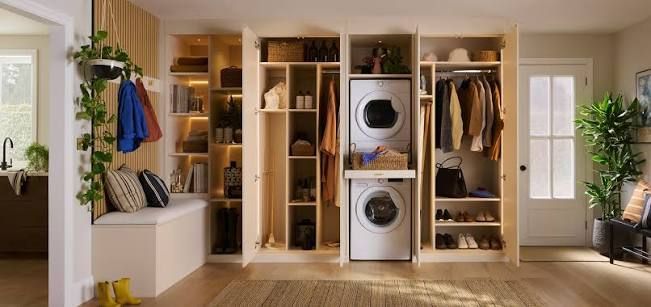
Open hooks or pegs for daily coats provide immediate access without doors or drawers. Coats can be hung and retrieved in one motion. This is significantly faster than any enclosed storage.
Open shoe racks or shoe benches near the door provide storage for everyday shoes without requiring cabinet access. Shoes can be removed and left on the rack rather than requiring separate steps to store them.
Landing surfaces for keys, wallets, and pocket contents. A shallow shelf, tray, or bowl near the door catches these items reliably. Landing surfaces below eye level get used consistently. Landing surfaces above eye level tend to be forgotten.
Bag hooks or shelves for daily bags. Substantial hooks that hold a fully loaded work bag or school bag, positioned at appropriate heights for different household members.
Umbrella storage that accommodates wet umbrellas without damaging other items. Dedicated umbrella stands or wet compartments within larger storage.
The quick access section of entryway storage should be immediately visible and accessible from the entrance. Storage that requires walking past the coat drop zone to reach it will not be used consistently.
Enclosed Storage
Enclosed storage handles items that are used less frequently or need to be kept out of sight.
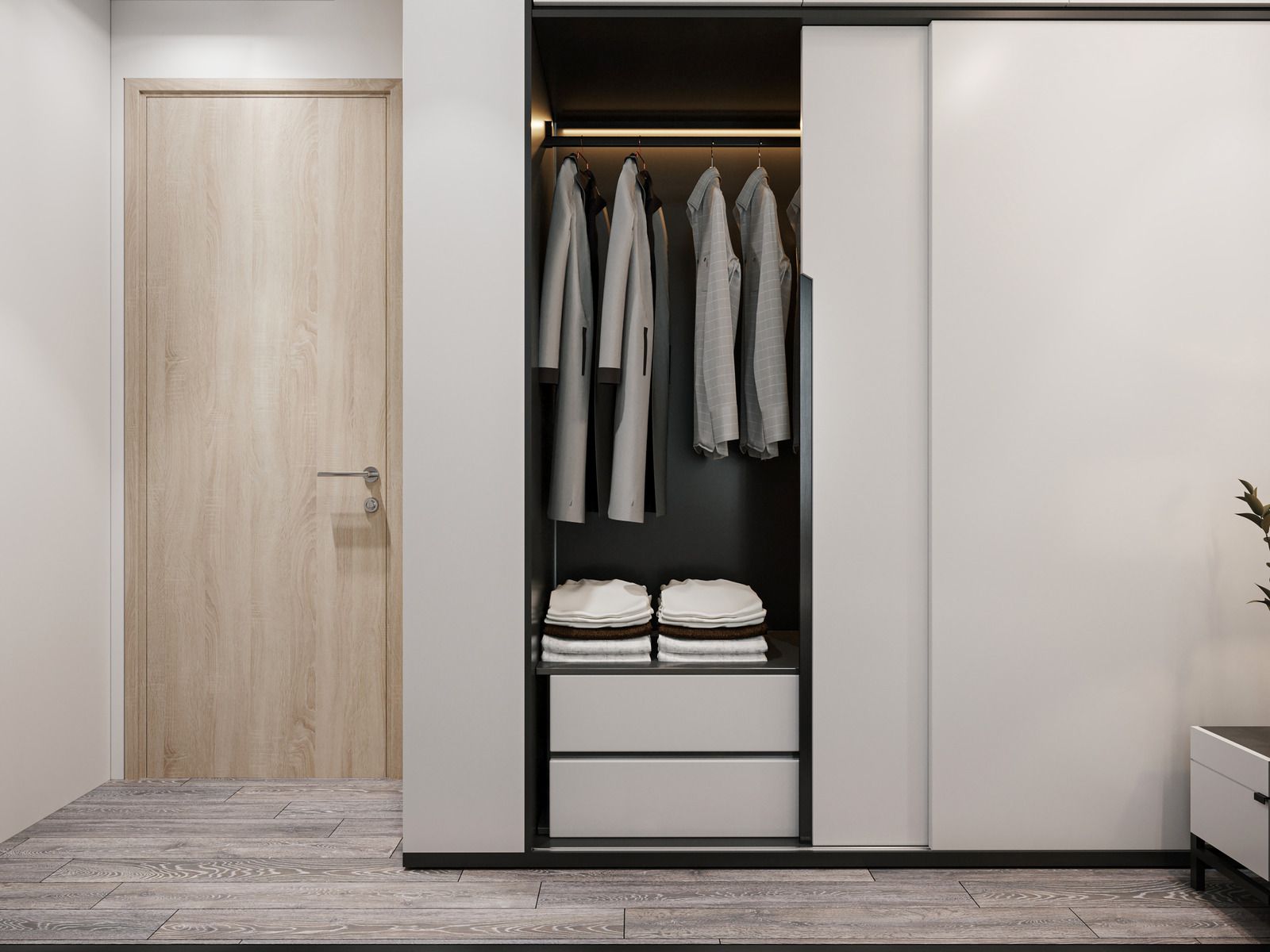
Full height coat cupboards with hanging rails accommodate coats that are in current use but not daily wear. Formal coats, weather specific coats, and second layer coats work well in enclosed storage.
Off season coat storage in less accessible enclosed areas. This might be at the top of a cupboard, in a deeper section, or in adjacent storage. Off season coats do not need daily access and can accept less convenient storage.
Enclosed shoe storage for shoes not in current daily rotation. Sports shoes, occasional wear shoes, and specific weather shoes benefit from enclosed storage that keeps them clean and organized.
Guest coat provision in enclosed storage that keeps the entryway from becoming overwhelmed when guests arrive. Providing dedicated space for guest coats requires anticipating how many guests the household typically hosts.
Sports equipment storage for items that need to be stored between uses but should not clutter the daily entryway. Enclosed cabinets accommodate this without visual chaos.
Cleaning supply storage for shoe polish, waterproofing sprays, and the small items that support entryway function. These should be enclosed rather than displayed.
Shoe Storage Specifics
Shoes present specific design challenges that generic entryway storage rarely addresses well.
Open shoe racks work for shoes in daily rotation. The visibility of shoes makes selection quick and prevents shoes from being forgotten. Simple horizontal shelves at appropriate depth work well.
Angled shoe shelves that tilt slightly forward hold shoes more securely than flat shelves and display them better. The tilt does not need to be dramatic to be effective.
Individual shoe cubbies provide organized storage for shoe collections. Each pair gets a dedicated position, preventing pile ups and making retrieval quick.
Boot storage requires taller compartments than shoe storage. Knee high boots need approximately fifty centimeters of vertical space. Thigh high boots need seventy centimeters or more. Boot shapers keep boots vertical rather than folding.
Wet shoe accommodation for shoes that come in wet. Removable drainage trays under wet shoe zones prevent water damage to the surrounding storage. Ventilation helps shoes dry between uses.
Muddy shoe management in households with active outdoor use. Dedicated zones for muddy footwear separate from clean shoe storage prevent cross contamination.
Children's shoe storage at appropriate heights for the children to use themselves. Storage that requires adult assistance defeats the purpose of teaching children to manage their own belongings.
Coat Hanging Design
Coat storage design details significantly affect daily use.
Rail height determines who can access which coats. Rails at standard adult height require adults for coat retrieval. Lower rails at approximately one hundred twenty centimeters accommodate children. Multiple rail heights serve mixed households.
Hanging space per coat matters more than most homeowners realize. Coats crammed together take longer to select from and develop shoulder marks from adjacent coats. Approximately seven to ten centimeters per hanger provides comfortable access.
Depth of coat storage should accommodate the bulkiest coats. Winter coats, quilted jackets, and thick outerwear need approximately sixty centimeters of depth. Storage designed for lighter garments becomes unusable in winter when heavy coats do not fit.
Hanger selection affects how coats hang. Sturdy wooden or thick plastic hangers maintain coat shoulders. Thin wire hangers cause peaked shoulders that damage coat construction over time.
Long garment accommodation for full length coats requires clear hanging length below the rail. Standard rail heights leave inadequate space for long coats which end up bunched at the bottom.
Bench and Seating Provision
A seat in the entryway supports several functions that a standing only entryway does not.
Shoe changing is significantly easier while seated than while standing. Households with substantial shoe rotation benefit from a comfortable seat for putting on and removing shoes.
Package receiving benefits from a landing surface at seat height. Packages can be placed on the bench temporarily rather than immediately dealing with them.
Guest support for visitors putting on coats or removing shoes benefits from seating. This is particularly relevant for older visitors who cannot easily balance while dressing.
Storage integration through storage benches with lift up seats or drawers underneath adds capacity without adding footprint. Under bench storage suits sports equipment, seasonal items, and other overflow storage.
Cushions or padding on entryway benches make them genuinely usable rather than nominal seating. A hard wood bench serves as a landing surface but rarely as actual seating.
Constrained London Entryways
Many London entryways are extremely constrained, particularly in terraced houses, mansion block flats, and converted properties.
Narrow hallway entryways where the entrance is a narrow corridor rather than a defined room require slim depth storage. Standard cabinet depths of six hundred millimeters may not fit. Reduced depth storage of three hundred fifty to four hundred fifty millimeters accommodates most needs in narrow spaces.
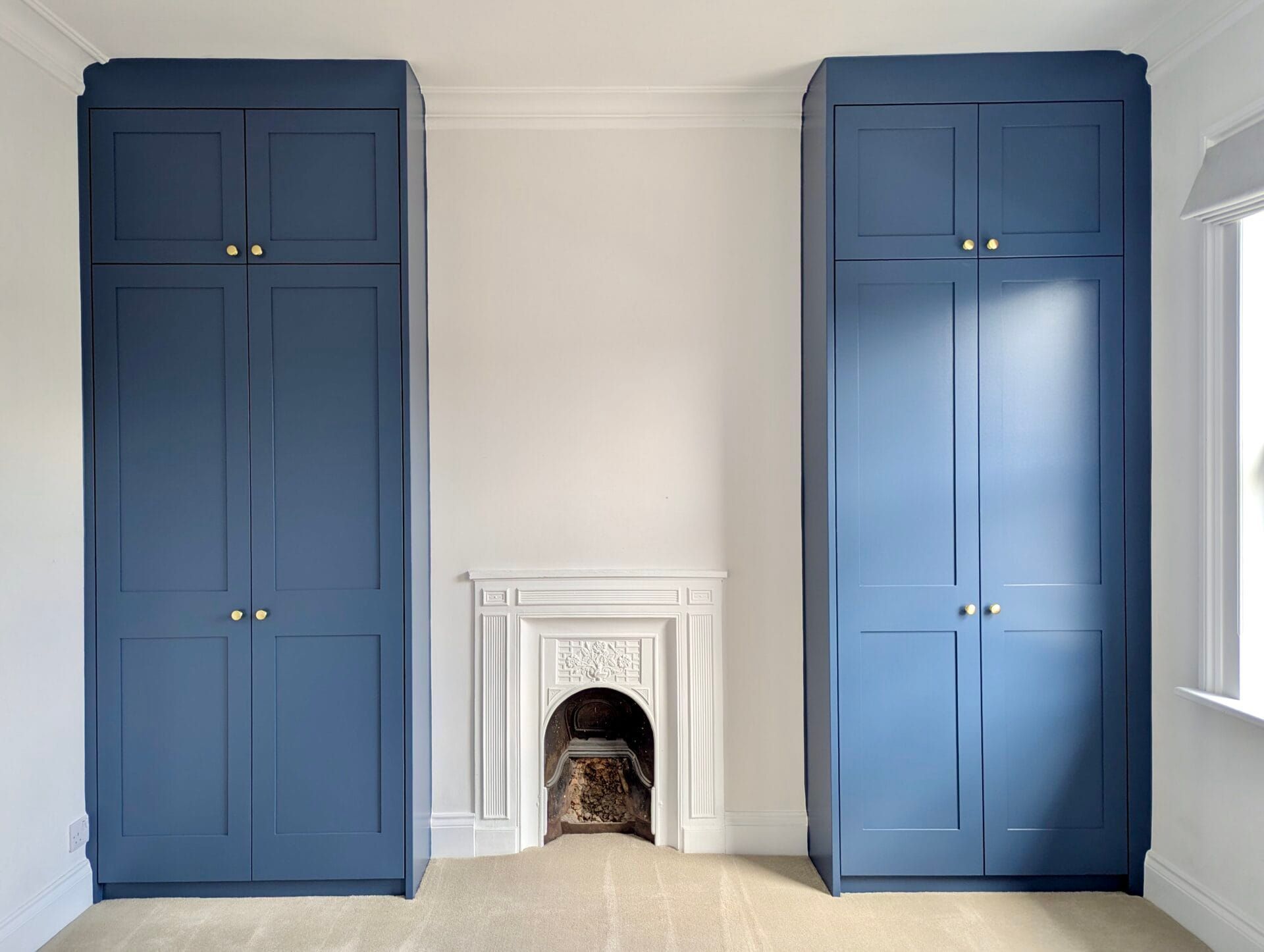
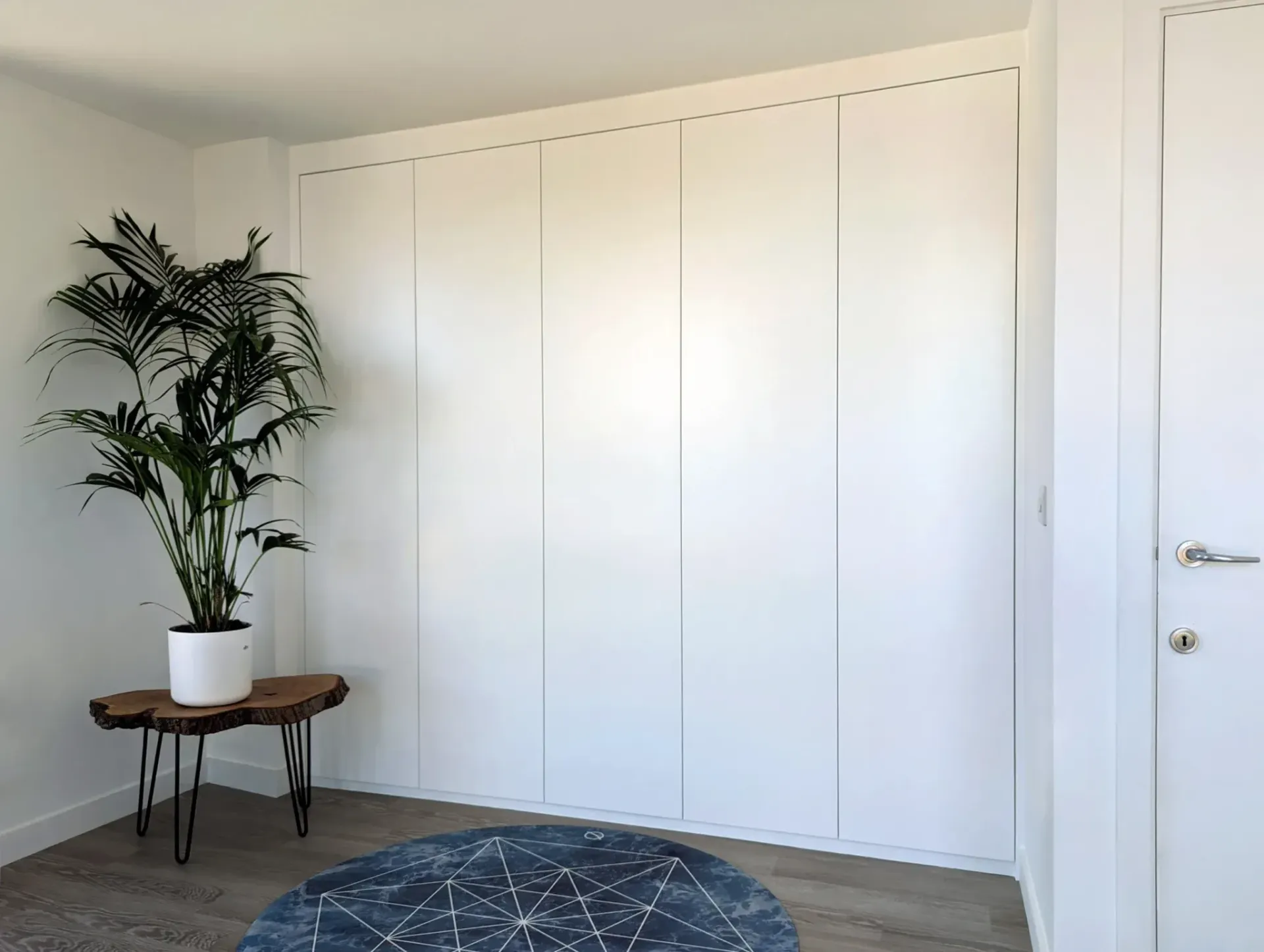
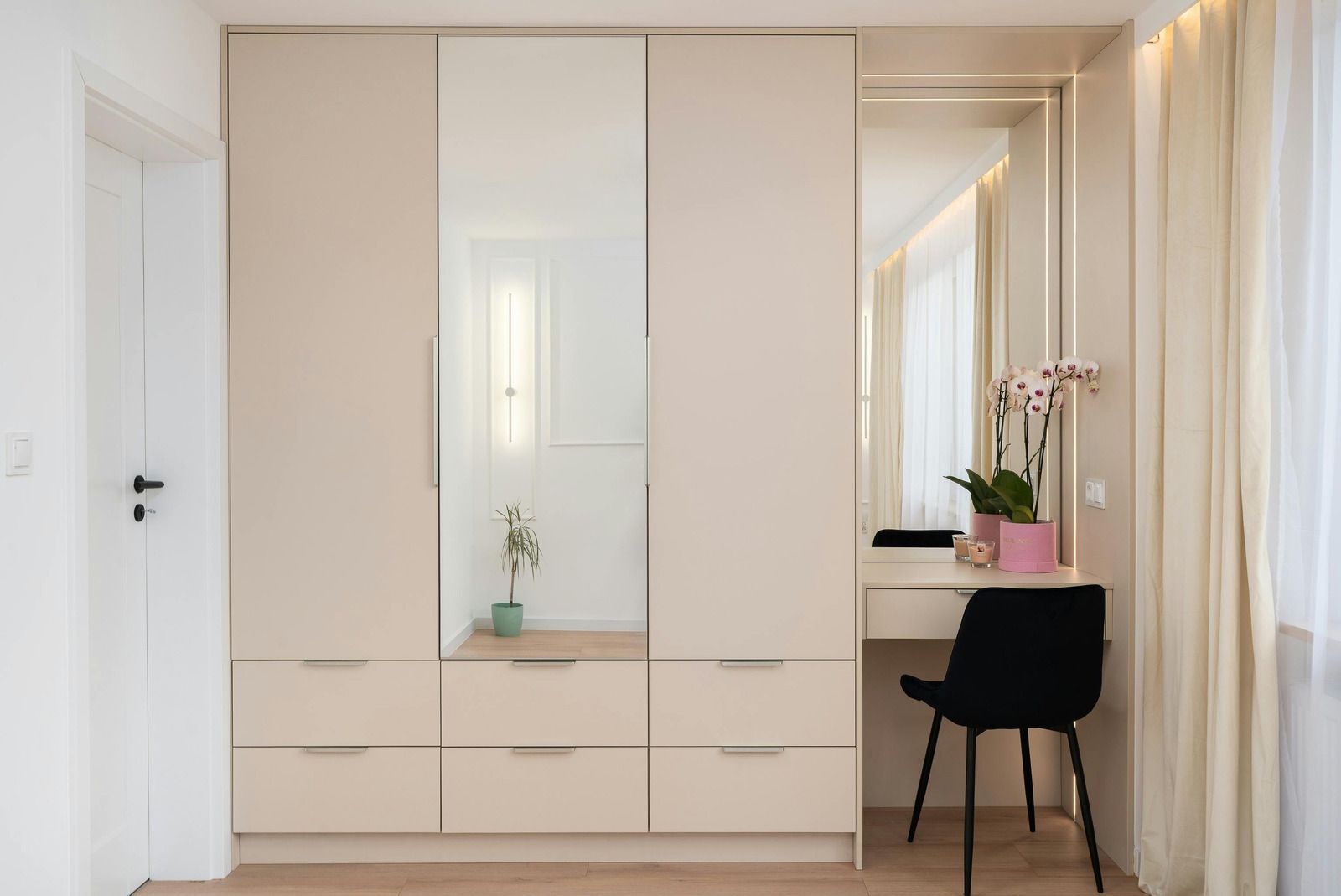
Direct into living space where the front door opens directly into the main room requires storage that either provides visual separation or integrates cleanly with the room design. A coat cupboard that reads as a wall panel rather than a utility feature works better than obvious utility storage.
Under stair entryway storage where the space under the stairs adjoins or provides entryway function. The angled ceiling requires stepped or angled storage design.
Vestibule entryways in period London homes where a small vestibule sits between the outer door and the inner door. These spaces have limited floor area but adequate wall area for slim storage.
Combined function entryways where the entryway also serves as circulation, boot room, or utility overflow. Storage design must accommodate the multiple functions without conflict.
Frequently Asked Questions
How much space does a coat cupboard need in the entryway?
A functional entryway coat cupboard typically requires at least 600 millimeters of depth and 800 millimeters of width to accommodate winter coats on hangers. Narrower depths can work with sliding hangers. Height should reach the ceiling to capture full storage capacity.
What is the best way to store wet coats and umbrellas?
Wet items need dedicated storage separate from dry storage. A ventilated section with a wipeable base and a removable drip tray prevents damage. Umbrella stands or dedicated wet compartments work better than hanging wet items alongside dry coats.
Should shoes be stored in the entryway or elsewhere?
Everyday shoes in current rotation work best in the entryway where they can be put on and removed without going elsewhere. Occasional and formal footwear typically work better in bedroom or dedicated storage. Wet or muddy shoes need entryway storage with drainage.
Do open coat hooks work better than closed cupboards?
For daily coats yes. Open hooks eliminate the extra steps of opening and closing cupboard doors, which is why cupboards get abandoned for daily coats. Enclosed cupboards work better for occasional coats and off season storage where daily access is not needed.
What Humphries Cabinets Offers
We design and install fitted entryway storage across London for hallways, vestibules, and constrained entrance spaces. Our services include:
• Hallways with integrated coat, shoe, and bag storage designed for daily use flows
• Cupboards providing enclosed coat storage and specialized entryway function
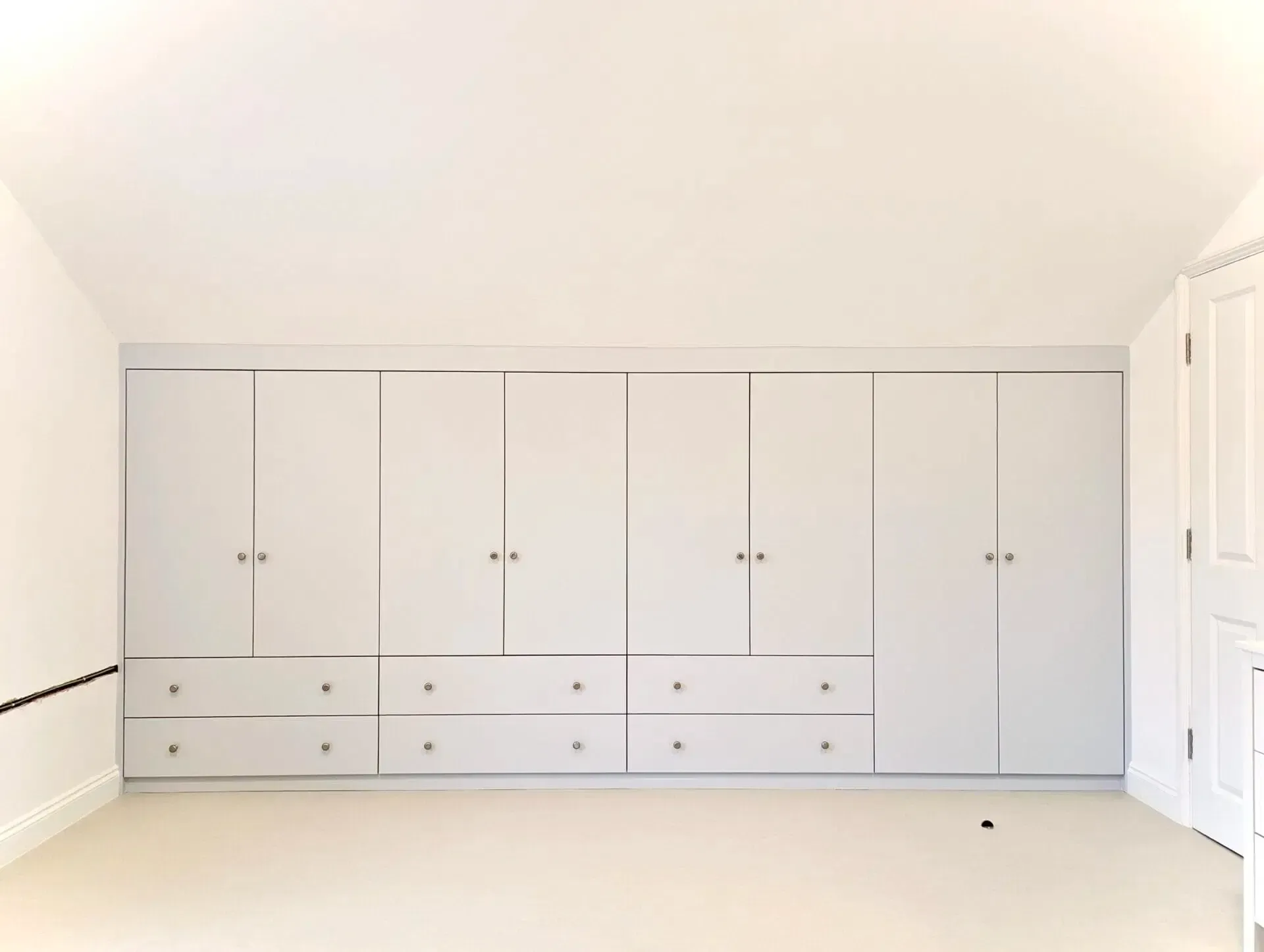
• Fitted Wardrobes adapted for hallway locations with hanging and folded storage
• Alcove Units that convert hallway alcoves into functional entryway storage
• Floor to Ceiling Wardrobes maximizing entryway capacity in constrained spaces
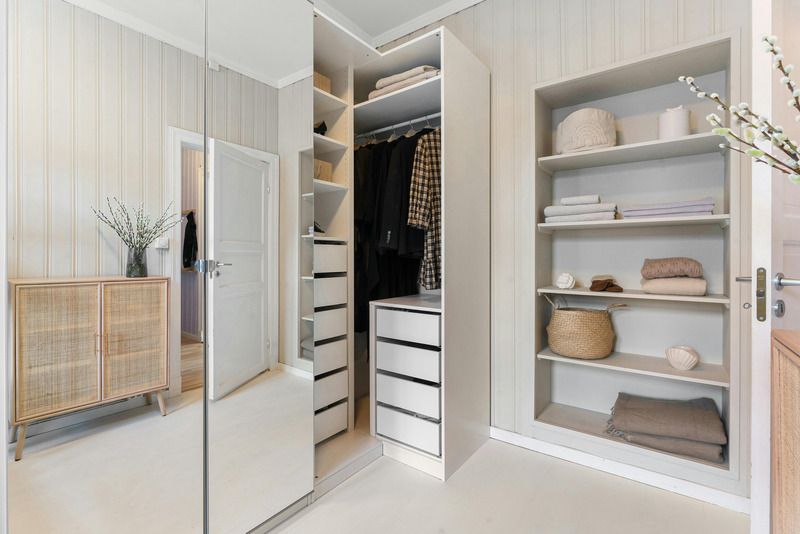
• Wardrobe Interiors with pull out mechanisms and shoe storage suited to entryway requirements
Every project starts with an in-home design visit that assesses your specific requirements before design begins.
Why Choose Humphries Cabinets
At Humphries Cabinets, we approach entryway design with attention to how the space actually gets used across a day. Entryways manage constant flow, and storage that acknowledges this produces significantly better daily results than storage designed to hold items statically.
If you are planning entryway storage for your London property,
contact us today to arrange your free consultation.