
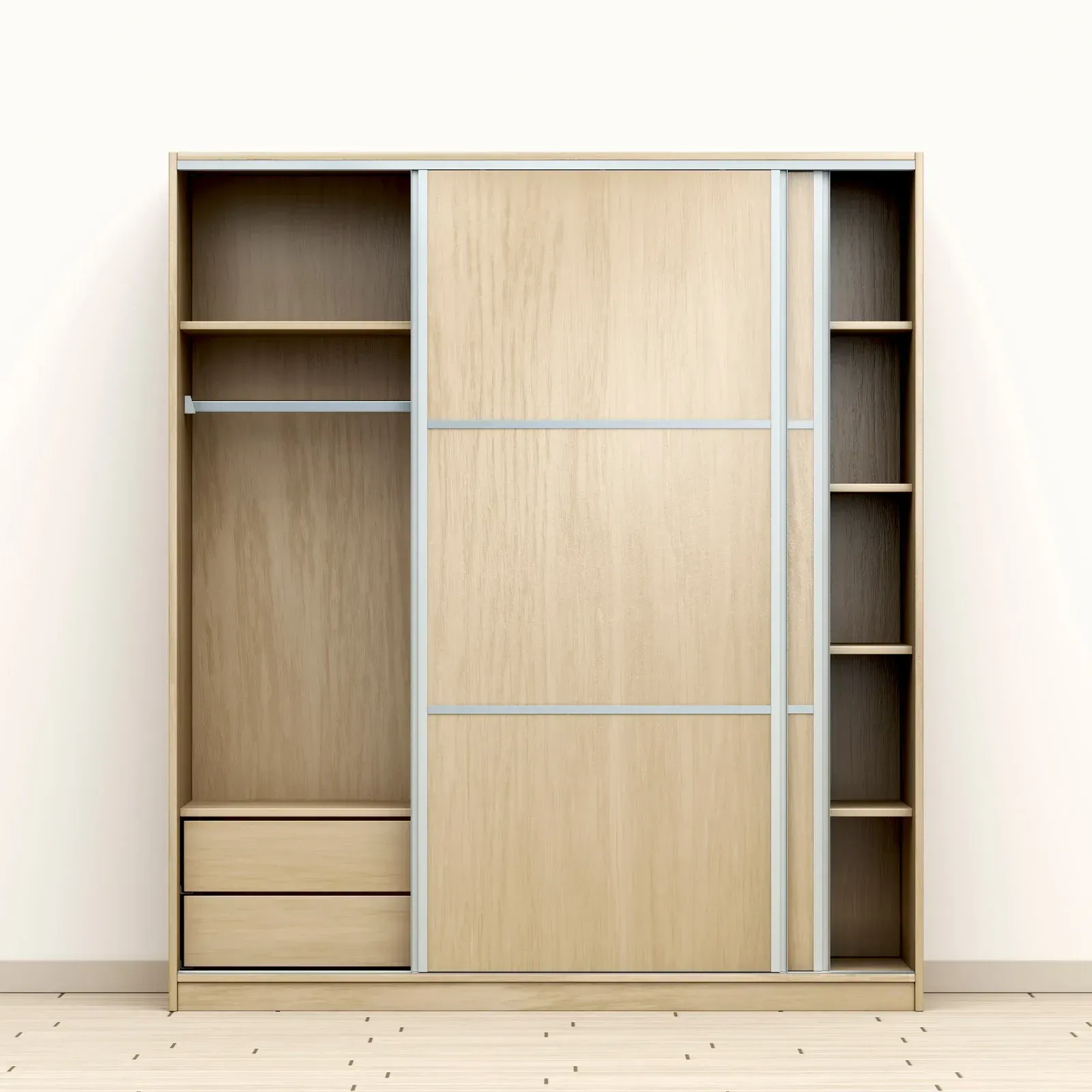
Fitted Wardrobes for Guest Bedrooms and Multi Use Rooms

September 30, 2026

Share this article

Quick Answer

Multi use room wardrobes need divided sections for different functions, modular internal fittings that reconfigure across uses, and concealed storage that hides secondary function items when guests arrive. Design should prioritize functions based on actual use patterns rather than treating all uses as equally important.

The guest bedroom is one of the most common misused rooms in London homes. It exists to accommodate guests but in most households it does that job only a small percentage of the time. For the rest of the year it sits empty, providing storage overflow, gym duty, home office backup, or the polite illusion that the household has a spare bedroom while functioning as none of these adequately.


Fitted furniture can transform guest bedrooms and multi use rooms from failed compromises into rooms that serve multiple functions properly. The design principles differ from single function bedrooms. Multi function rooms need storage that can absorb multiple use patterns, transitions that support switching between functions, and design language that reads as intentional rather than compromised. This guide covers what fitted wardrobe design for guest bedrooms and multi use rooms actually involves.

Understanding the Multi Function Brief

Guest bedrooms typically serve some combination of these functions across a year of use.


Actual guest accommodation for visiting family, friends, or overnight visitors. This might be a few nights per month, weeks per year, or extended stays around holidays.


Home office backup when the main workspace is occupied.


Hobby or creative space for activities that need dedicated room. Sewing, painting, and writing that benefit from a room that can be closed off from household activity.


Exercise space for home workouts, yoga, or gym equipment.


Storage overflow for items that do not fit elsewhere. Seasonal decorations and occasional use of equipment that has nowhere else to go.


Teenager crash space for older children or extended family who occasionally sleep over.


Reading or quiet retreat for household members escaping household activity.


Not every guest bedroom serves all these functions, but most serve at least two or three. Design that acknowledges this reality produces better results than design pretending the room serves only guests.

The Two Fundamental Approaches

Multi use room design generally follows one of two approaches.


Primary function with secondary accommodation treats one use as the room's real purpose with occasional support for other functions. A home office that occasionally sleeps guests. A hobby room that occasionally accommodates visitors. A gym that occasionally serves other functions. This approach commits to one primary use and accepts that other uses will be less well accommodated.


Genuine multi function treats several uses as equally important, with the room designed to transition between them cleanly. A room that is genuinely a guest bedroom when guests are present and genuinely a home office when they are not. A room that is genuinely a hobby space during weekdays and a guest bedroom on weekends. This approach requires more design attention but produces rooms that serve multiple functions well.


The right approach depends on how often each function is actually needed and how important each is to the household. A guest bedroom used for one week per year deserves different treatment than one used for one week per month. A home office used daily deserves different treatment than one used occasionally.

Design for Guest Accommodation

When guest function matters, several design considerations apply.


Wardrobe capacity for guests requires storage that can accommodate visiting clothing and belongings. Guests staying multiple nights need somewhere to unpack. Guests who cannot unpack because the wardrobe is full of household storage feel less welcomed than guests who have proper space.


Hanging provisions in guest oriented wardrobe sections should accommodate typical guest garments including hanging clothing, folded items, and small accessories. Basic provisions do this adequately without requiring extensive dedicated design.


Luggage accommodation for guest bags. This might be dedicated luggage racks, empty floor space, or accessible under bed storage. Guests need somewhere to place bags without disrupting the room.

Design for Home Office Function

When office function matters, different considerations apply.


Desk provision that either integrates with wardrobe design or coordinates with it. Fitted desks that fold or slide away work well when the office function is intermittent. Dedicated fixed desks work better when the office function is regular.


Equipment storage for laptops, chargers, papers, and office supplies. Fitted storage designed for office equipment integrates cable management and appropriate power provisions.


Reference storage for books, papers, and materials that support the office function. Bookshelves or filing space that supports actual working requirements.


Sound consideration for work involving calls or video meetings. Room design that supports an acceptable acoustic environment for professional communications.


Visual consideration for video call backgrounds. What appears behind the working position when video calls happen affects professional impression. Storage that reads professionally rather than personally supports this.


Ergonomic provisions for productive working posture. Desk height, chair provision, and lighting all affect work quality across regular use.

Design for Hobby and Creative Function

When creative function matters, specific considerations apply.


Materials storage for the specific hobby involves storage designed for the physical items involved. Sewing materials need different storage than painting supplies, which need different storage than woodworking tools.


Working surfaces for a specific hobby. Fold down work surfaces, dedicated tables, or floor space provisions depending on the activity.


Equipment access for tools and equipment that support the hobby. This might mean easy access storage for frequently used items and secure storage for expensive or dangerous equipment.


Project storage for works in progress. Hobbies typically involve items that are being worked on over extended periods and need to be stored between sessions without disrupting the project.


Cleanup provisions for hobbies that generate dust, debris, or waste. Sink access nearby, appropriate flooring, or dedicated cleanup areas support hobbies that create mess.

Managing Transitions Between Functions

Multi function rooms require design that supports transitions between functions rather than making each transition a major project.


Concealed function transitions where secondary functions can be hidden when not in use. Fitted wardrobes with sliding doors that can conceal a workspace, drawers that can absorb hobby materials, or cabinets that can hide equipment.


Quick transition provisions that support switching functions within minutes rather than hours. Fold down beds, slide out desks, and other mechanisms that make function changes practical rather than theoretical.


Persistent storage for items that need to remain in the room across all functions. Every function needs to accommodate the storage that other functions require.


Priority setting that establishes which functions have priority during conflicts. A room that is a guest bedroom on weekends and home office on weekdays needs clear rules about which function wins when both are needed simultaneously.


Furniture flexibility through pieces that serve multiple functions. Beds with substantial storage. Desks that fold to walls. Chairs that suit both guest and working use.

Fitted Wardrobe Configurations for Multi Function Rooms

Specific wardrobe configurations work well in multi-function contexts.


Divided function wardrobes with clearly separated sections for different uses. Guests hanging in one section. Office supplies in another. Hobby materials in a third. This works when the storage volumes for each function are known and stable.


Full function wardrobes that provide traditional bedroom storage with secondary function absorbed through additional room storage. This works when the guest function has priority and secondary functions can accept the storage that remains.


Concealed function wardrobes where doors close over sections that would look inappropriate in guest context. A fitted office section that closes behind wardrobe doors when guests are present. A hobby section that similarly conceals.


Modular internal fittings that can reconfigure to support different functions. Adjustable shelves, removable dividers, and flexible internal arrangements that adapt to changing priorities.


Full wall installations that provide substantial capacity for multi function storage requirements. When the room must serve multiple functions, storage capacity is usually the constraining factor, and full wall wardrobes address this.

Bed Selection for Multi Use Rooms

Bed choice significantly affects how multi use rooms work.


Sofa beds provide seating during non guest use and become beds when needed. Quality varies enormously in sofa beds. Poor examples provide poor seating and poor beds. Good examples provide acceptable seating and acceptable beds, though rarely excellent versions of either.


Wall beds or Murphy beds fold up into the wall when not in use, providing full floor space for other functions. These require specific structural provisions and fitted furniture integration.


Trundle beds or storage beds provide additional sleeping capacity when needed while offering storage or a normal bed appearance during regular use.


Convertible daybeds provide seating with the ability to accommodate overnight guests. These work for occasional single guest use.


Standard beds are appropriate when the guest function has real priority and other functions can work around the fixed bed presence.

Realistic Multi Function Design

Multi function room design succeeds when the ambitions are realistic.


Not every function will work equally well in a multi-function room. Design that acknowledges this and prioritizes deliberately produces better results than design that pretends every function is equally accommodated.


Function priorities should match actual use patterns. If the room serves guests once per year and hobby function weekly, the design should reflect this rather than treating guest function as primary.


Some functions do not work in multi function contexts. A serious daily use home office rarely works in a room that must also function as a guest bedroom. A serious hobby that requires extensive dedicated equipment rarely works in a room with alternative uses. Recognizing these limits prevents disappointing outcomes.


Investment in transitions pays back over time. Households that use multi-function rooms regularly benefit from investment in transition mechanisms, storage systems, and design that makes function changes easy rather than difficult.


Guest experience matters when guests come. Even guest rooms used rarely should provide a proper guest experience when guests are present. Multi function design that fails guests entirely defeats the guest room purpose regardless of how well other functions work.

Frequently Asked Questions

  • Can a guest bedroom function properly as a home office too?

    Yes, if the design acknowledges both functions and provides clean transitions between them. Concealed workspace behind sliding doors, fold down desks, or fitted furniture that closes over the office when guests arrive all work. Regular dual use benefits from thoughtful transition design.

  • Are wall beds a good solution for multi use rooms?

    Wall beds work well for rooms where guest function is genuinely occasional and floor space matters for other uses. Quality varies enormously. Well built wall beds provide comfortable sleeping and reliable operation. Investment in quality matters more here than in most furniture categories.

  • How often does a spare bedroom need to be a guest bedroom to justify the space?

    There is no fixed threshold. Households that host regularly benefit from dedicated guest accommodation. Households that rarely host may benefit more from repurposing the room. The question is whether the guest function delivers enough value to justify the space it occupies year round.

  • Should hobby materials be stored in a guest bedroom?

    Yes, if the storage accommodates both functions without conflict. Concealed storage that hides hobby materials when guests visit works well. Open display of hobby materials during guest visits typically feels intrusive. Design that supports both uses produces better outcomes than treating either as secondary.

What Humphries Cabinets Offers

We design and install fitted entryway storage across London for hallways, vestibules, and constrained entrance spaces. Our services include:

•         Hallways with integrated coat, shoe, and bag storage designed for daily use flows

•         Cupboards providing enclosed coat storage and specialized entryway function

•         Fitted Wardrobes adapted for hallway locations with hanging and folded storage

•         Alcove Units that convert hallway alcoves into functional entryway storage

•         Floor to Ceiling Wardrobes maximizing entryway capacity in constrained spaces

•         Wardrobe Interiors with pull out mechanisms and shoe storage suited to entryway requirements

Every project starts with an in-home design visit that assesses your specific requirements before design begins.

Why Choose Humphries Cabinets

At Humphries Cabinets, we approach multi function room design with attention to the reality that these rooms serve several purposes rather than one. Design conversations start with understanding actual use patterns rather than notional single function briefs, producing fitted furniture that supports guest bedrooms, home offices, and the other functions these rooms genuinely need to accommodate.


If you are planning fitted furniture for a guest bedroom or multi function room in your London property, contact us today to arrange your free consultation.

Recent Posts

September 30, 2026
Fitted wardrobes for downsizing help London homeowners maximise smaller bedrooms with tailored storage, organised interiors, and space-efficient designs for simpler living.
Blue built-in cabinets flank a small white fireplace in a bright room.
September 30, 2026
Two-tone and contrasting wardrobes add visual depth to London homes, combining complementary colours, finishes, and materials for a distinctive bespoke storage design.
Bright minimalist room with white closet doors, a potted plant on a small table, and a blue rug
September 30, 2026
The IKEA PAX system has become the default reference point in London wardrobe decisions. Homeowners considering fitted wardrobes almost invariably encounter PAX during their research
Bright walk-in closet with mirrored doors, white shelves, drawers, and hanging clothes
September 30, 2026
Bespoke wardrobes in London homes can support accessible, aging-in-place living with practical storage, easy access, and tailored designs.
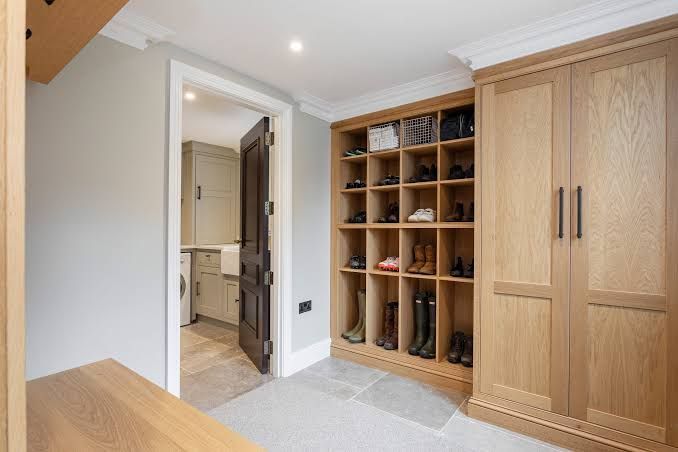
Bright bedroom with built-in wooden wardrobes and open shelving beside a doorway to a bathroom
September 30, 2026
The entryway is the first space anyone enters when they come home. It is also the space that most consistently defeats attempts at organization.
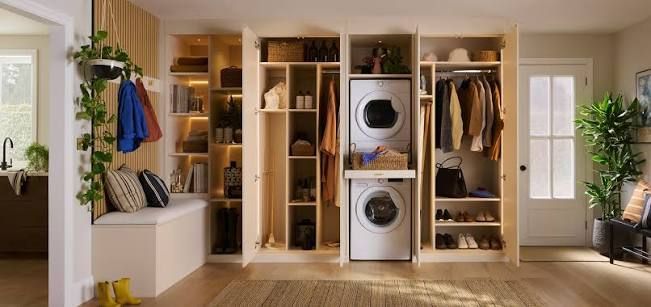
Bright walk-in closet with shelves, hanging clothes, a washer and dryer, and a plant by the window
September 30, 2026
Utility rooms in London homes range from generous purpose built spaces to squeezed under stairs cupboards.
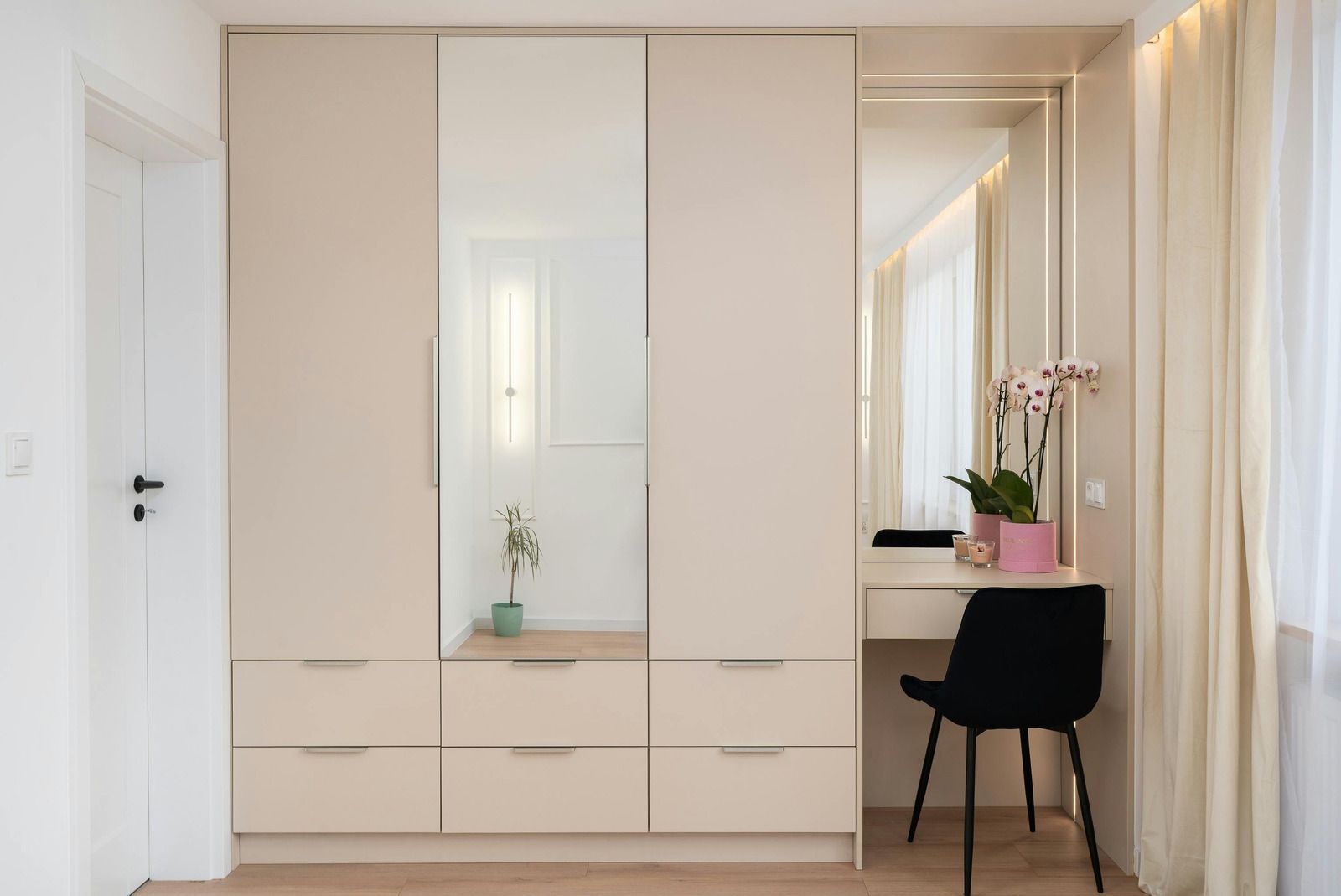
September 30, 2026
Most fitted wardrobe conversations in London focus on period properties. Victorian terraces, Edwardian townhouses, Georgian conversions, and mansion blocks account for a substantial portion of London housing stock and present distinctive design challenges.
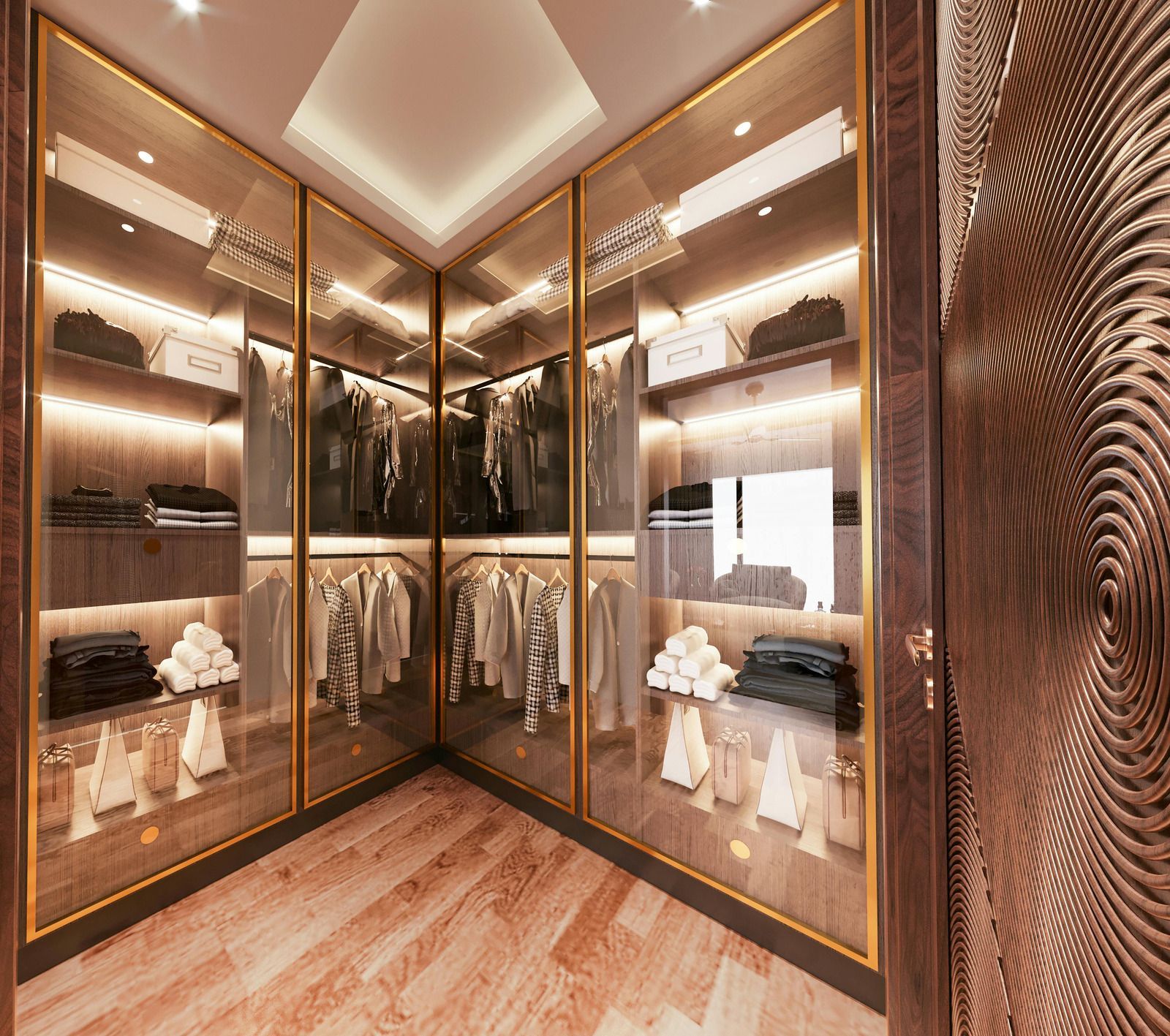
Luxurious walk-in closet with mirrored glass doors, wood floors, and clothing shelves
October 2, 2026
Most wardrobe design focuses on everyday clothing. Shirts, trousers, jumpers, and casual wear that get regular rotation.
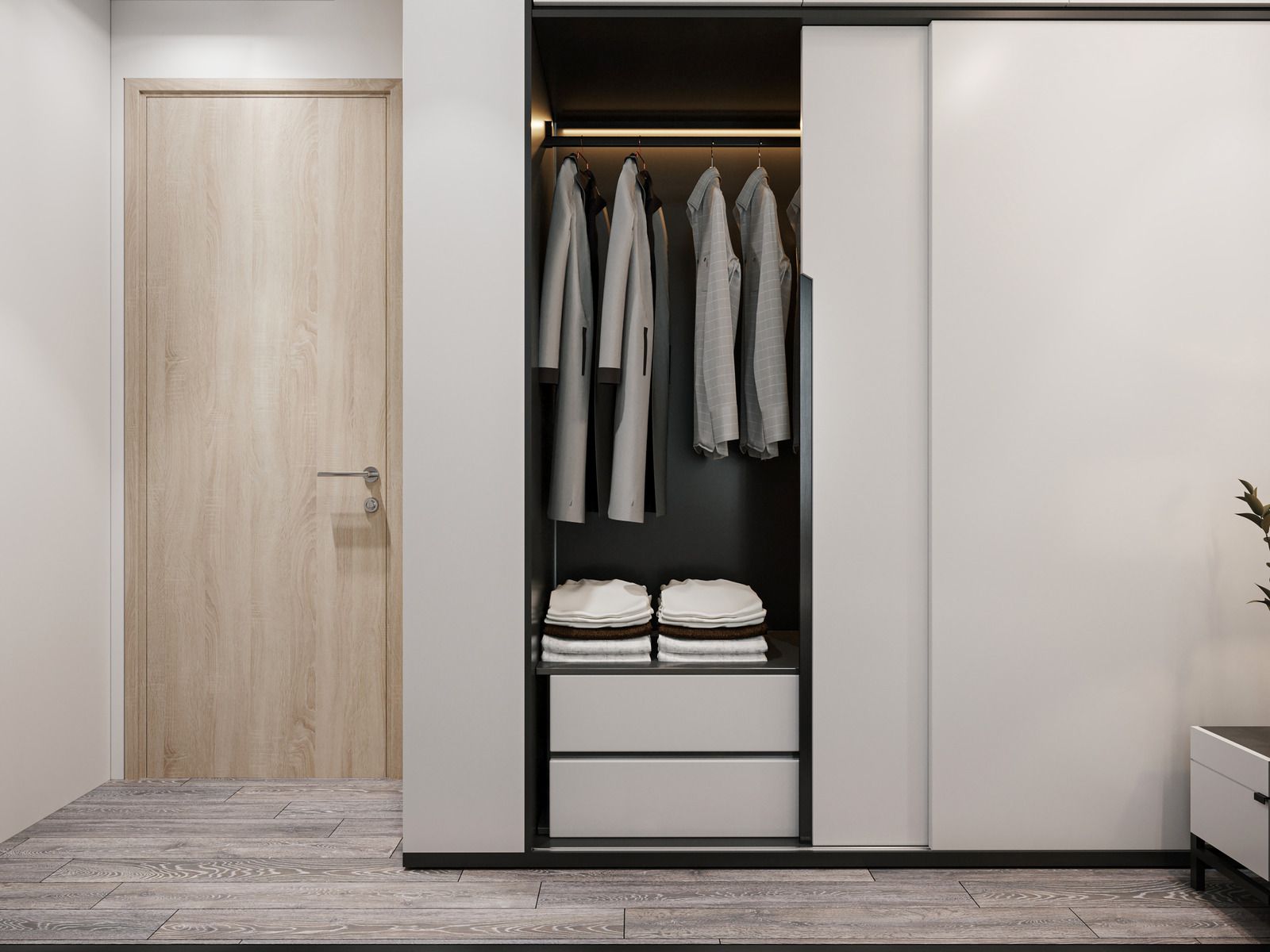
Minimal bedroom closet with hanging shirts, folded towels, and drawers beside a light wood door
September 30, 2026
Most fitted wardrobes read as background. They store clothes, occupy a wall, and let the rest of the room do the design work.
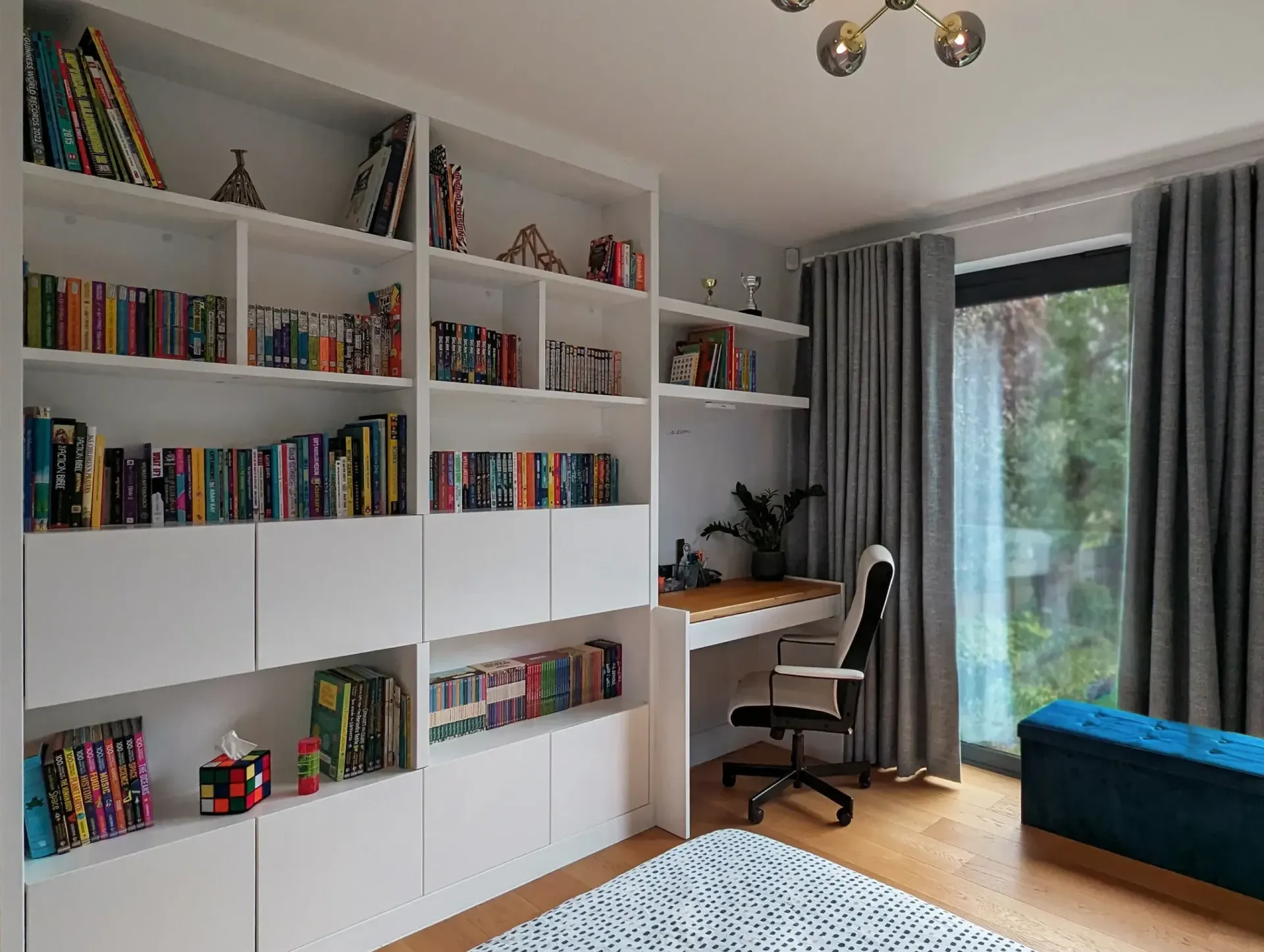
Bright home office with white bookshelves, desk, chair, window, curtains, and blue bench
August 30, 2026
Discover fitted home office storage for hybrid workers in London, with bespoke solutions that maximize space, organize essentials, and support productive work.
Show More