
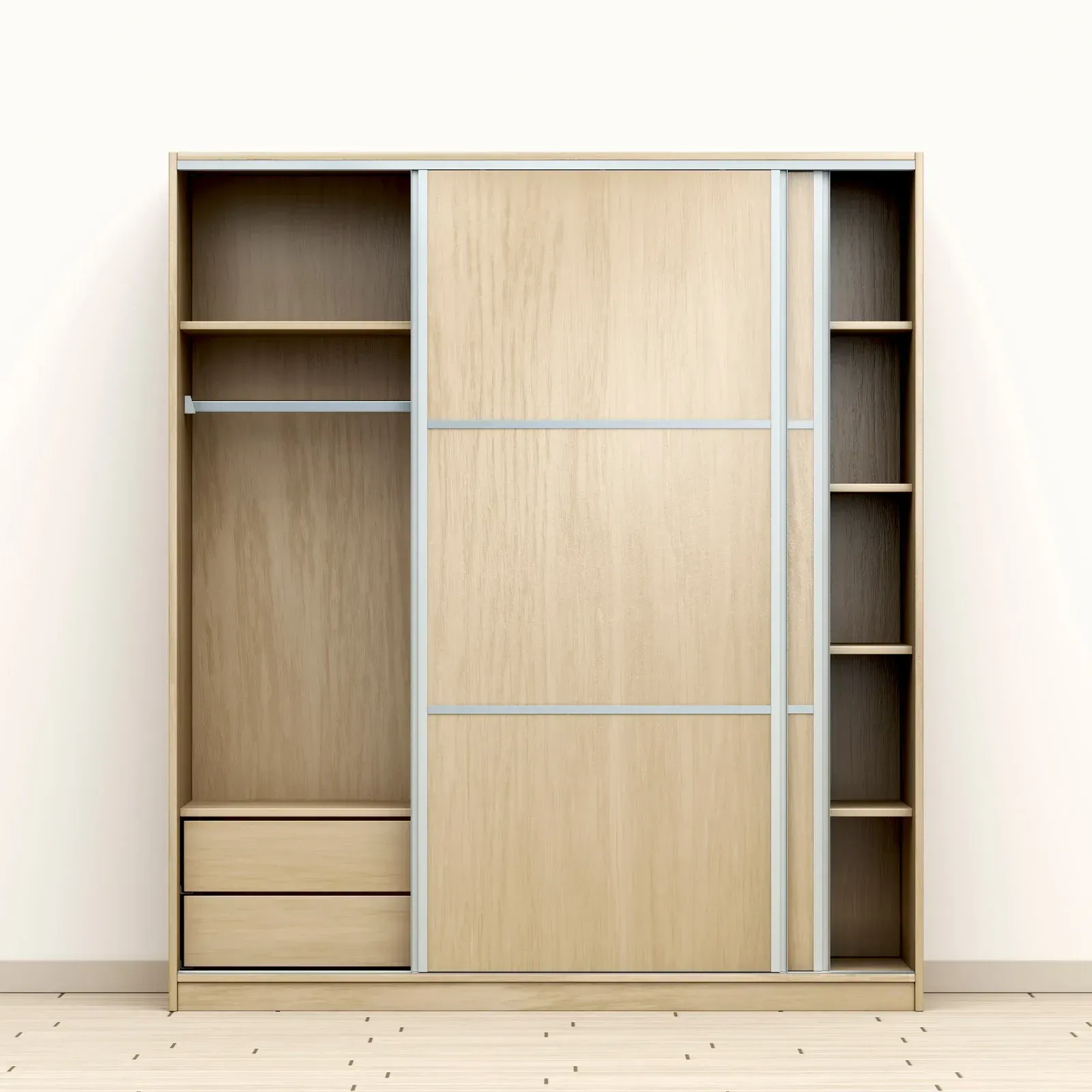
Storage for Formal Wear, Evening Gowns and Delicate Garments

October 2, 2026

Share this article

Quick Answer

Formal wear needs padded hangers, contoured wooden hangers for structured jackets, breathable cotton garment bags, and full length hanging space of at least 200 centimeters for evening gowns. Standard wardrobe storage causes cumulative damage through weight distortion, fabric contact, compression, dust exposure, and inappropriate hanger choice.

Quick Answer

Most wardrobe design focuses on everyday clothing. Shirts, trousers, jumpers, and casual wear that get regular rotation. This is reasonable. The majority of most wardrobes serve this daily use, and design that supports daily use produces wardrobes that work well most of the time.


But most wardrobes also contain a smaller category of garments that everyday design does not serve well. Evening gowns, formal wear, wedding dresses stored after the wedding, delicate vintage pieces, dress uniforms, and structured formal jackets. These garments are worn infrequently, cost significantly more per wear, and often carry meaning beyond their practical value. They deserve storage designed for their specific requirements rather than being crammed into space designed for shirts. This guide covers what proper formal wear storage involves and how fitted wardrobes can accommodate these requirements alongside everyday use.

Why Everyday Storage Damages Formal Wear

Standard wardrobe storage causes cumulative damage to formal garments through several mechanisms.


Weight distortion affects any hanging garment left on the wrong hanger for extended periods. A silk evening gown on a wire hanger develops peaked shoulders that no amount of steaming fully corrects. A structured jacket on a slim hanger loses the shape at the shoulder line that its construction was designed to maintain.


Fabric contact with adjacent garments transfers dye, texture, and dirt. A delicate silk dress packed against a wool coat picks up wool fibers and can develop pressure marks. A beaded evening gown packed against textured garments can snag or lose beading.


Compression flattens fabrics that were designed to have bodies. A tulle skirt packed against other garments loses its volume. A structured formal jacket loses the roll at its lapel edge. A pleated skirt loses definition in its pleats.


Dust accumulation on garments that are not worn regularly leaves marks that become permanent stains over time. This affects any garment left uncovered in standard wardrobe storage.

Hanger Selection for Formal Wear

Hanger choice matters more for formal wear than for everyday clothing.


Padded hangers with fabric covered padding at the shoulder line prevent peaked shoulders on delicate garments. These should be reserved for garments that need them because they consume more space than standard hangers.

Contoured wooden hangers with a curved shoulder profile support the shoulder line of structured formal jackets. The wider shoulder profile prevents the collapse that thin hangers cause.


Loop straps on evening gowns should not be used to hang gowns for extended periods. The straps concentrate all the garment weight on small fabric loops that eventually distort or tear. Use padded hangers that support the shoulders instead.


Skirt clip hangers for skirts and trousers should have padded clips to avoid marking the fabric. Metal clips against fine fabrics leave marks.


Non slip surfaces on hangers prevent silk and lightweight garments from sliding off. Velvet flocked hangers work well for this without adding significant bulk.


Dedicated hangers for specific garments avoid the accumulated wear of repeated hanger changes. A formal jacket that always returns to the same properly contoured wooden hanger receives less wear than one placed on whatever hanger is available.

Garment Bag Provision

Garment bags provide the critical protection layer for garments that are worn infrequently but must be preserved.


Breathable garment bags made from cotton or unbleached calico allow air circulation while excluding dust and light. These are the standard for long term formal wear storage.

Plastic garment bags should never be used for long term storage of formal wear. Plastic prevents moisture escape, encouraging mildew.

Plastic also transfers plasticizers to certain fabrics over years of contact. Plastic garment bags are for transporting garments home from the dry cleaner, not for storing them.


Full length garment bags are required for evening gowns and formal dresses. Standard shoulder length bags leave the lower portion of the garment exposed to dust and light.


Bag sizing matters. A bag that is too narrow compresses the garment against the plastic hanger frame. A bag that is properly sized allows the garment to hang naturally within the bag.


Wardrobe provision for garment bags requires longer hanging length than standard rails provide. Formal dresses can require two hundred centimeters or more of clear hanging length below the rail. Standard double hanging configurations do not accommodate this.

Drawer and Folded Storage for Delicate Items

Some formal items store better folded than hanging.


Beaded and embellished pieces often store better flat than hanging because the weight of embellishment can distort the garment over time. These should be laid flat with acid free tissue paper between folds to prevent embellishment damage.

Knitwear stores are better folded than hanging regardless of formality. Formal cashmere jumpers stored on hangers develop shoulder points and stretch out of shape.


Vintage garments with fragile construction store better flat than hanging in most cases. The weight of the garment on itself can tear fragile seams and delicate fabrics.


Acid free tissue paper in the folds of stored garments prevents crease damage over time. This is standard practice for museum storage and matters for garments intended for long term preservation.


Cedar blocks or lavender sachets in drawers deter moths without the chemical residue of standard mothballs. These are essential for wool and cashmere pieces.


Sealed drawers with proper seals against dust provide better protection than open shelving. The seal against dust also excludes moths and other insects.

Structured Jacket Storage

Formal jackets with structured tailoring require specific storage to preserve their shape.


Wide shouldered contoured hangers matching the shoulder width of the jacket support the shoulder line properly. Standard hangers narrower than the jacket shoulder line create peaks that show through the fabric.

Adequate hanging length allows the jacket to hang straight without the hem touching adjacent surfaces. Cramped hanging bunches the jacket at the base.


Space between jackets prevents fabric contact and allows air circulation. A wardrobe with formal jackets packed tightly against each other transmits creases from one garment to another.


Jacket bags for formal jackets that are worn infrequently protect the shoulders and prevent dust accumulation on the shoulder line, which is difficult to clean without professional cleaning.


Return to storage promptly after wearing rather than leaving the jacket on a chair or bed. The overnight compression of a jacket left folded on furniture creates creases that take significant effort to remove.

Shoe Storage for Formal Footwear

Formal footwear has different storage requirements than everyday shoes.


Shoe shape preservation requires shoe trees, boot shapers, or tissue paper stuffing in the toe of the shoe. Formal footwear left empty loses its shape and develops creases in the leather.

Protection from other shoes through individual boxes or dividers prevents scuffing. Formal shoes stored loose with everyday shoes pick up marks from repeated contact.


Original boxes work well when they include the tissue paper and stuffing that protect the shoe. However, cardboard boxes in humid conditions can attract mold and pests.


Clear boxes or fabric bags allow visual identification without removing the shoe from its protective enclosure. This matters for shoe collections where finding the right pair without disturbing others matters.


Vertical space consideration for boots requires wardrobe planning. Knee high and thigh high boots need vertical space that standard shoe storage does not provide. Boot shapers keep the boots vertical rather than folding.

Handbag and Accessory Storage

Formal accessories deserve storage matching their value and vulnerability.


Individual dust bags for handbags prevent leather transfer between bags and protect hardware from scratches. Original brand dust bags work well when supplied. Unbleached cotton bags work as substitutes.

Structured storage for handbags prevents the collapse that hanging or stacking causes. Bags stored on shelves with adequate space between them maintain their shape.


Stuffed interiors with acid free tissue paper or bag pillows preserve bag shape during storage. Empty bags collapse into permanent creases within months of unstuffed storage.


Climate consideration for leather goods matters. Leather in low humidity becomes brittle and cracks. Leather in high humidity develops mold and mildew. Wardrobe environments with stable moderate humidity work better than variable environments.


Jewelry storage for formal jewelry benefits from lined drawers with dividers rather than loose storage in a bowl. This prevents chain tangling, protects gemstones from scratches, and keeps sets together.

Climate Considerations

Wardrobe climate affects formal wear storage significantly.


Temperature stability matters more than specific temperature. Wardrobes in rooms that heat and cool through the day stress garments through repeated expansion and contraction. Wardrobes in more stable environments preserve garments better.


Humidity control through wardrobe ventilation or dehumidifier packs helps prevent both dryness damage and mold damage. Wardrobes in older London homes with damp problems require particular attention to humidity.


Air circulation prevents stagnant conditions that encourage mildew. Wardrobes with proper ventilation cutouts or louvered doors provide better environments than sealed wardrobes.


Wall location matters. Wardrobes against outside walls, particularly north facing walls, expose garments to cooler wall temperatures that can cause condensation. Insulation between the wardrobe and outside wall helps.

Wardrobe Design for Formal Wear Users

Households with substantial formal wear benefit from wardrobe designs that acknowledge this.


Dedicated formal wear sections with longer hanging length, garment bag provision, and appropriate spacing keep formal wear separated from everyday clothing.


Full extension drawer banks with dividers for accessories, jewelry, and small formal items provide organized storage for the many small items that formal wear requires.


Shoe storage designed for formal footwear with individual protection provisions rather than open shelving.


Handbag shelving with adequate depth and spacing rather than crammed high shelf storage.


Climate provisions where wardrobe design considers the environment as well as the volume of storage.


Formal wear storage is often best located in a specific section of the wardrobe rather than distributed throughout. This allows the design of that section to serve the specific requirements while leaving the rest of the wardrobe to serve everyday use.

Frequently Asked Questions

  • How long can a wedding dress be safely stored in a wardrobe?

    A wedding dress stored properly in a breathable cotton garment bag, on an appropriate padded hanger, and in a stable climate environment can be preserved for decades. Improper storage in plastic bags or on wire hangers can cause meaningful deterioration within just a few years.

  • Should evening gowns be hung or folded?

    Most evening gowns should be hung using padded hangers that support the shoulders. Heavily beaded or embellished gowns often store better folded flat with acid free tissue between folds, because the weight of embellishment can distort the garment over long periods.

  • Do garment bags actually make a difference for formal wear?

    Yes, significantly. Breathable cotton garment bags exclude dust, prevent color transfer from adjacent garments, protect against light exposure that fades fabric, and reduce daily wardrobe wear on occasionally worn pieces. Improvement over years of storage is substantial.

  • What is the correct hanging length for full length dresses?

    Full length evening gowns typically need at least 200 centimeters of clear hanging length below the rail. Standard double hanging configurations do not accommodate this. Dedicated long hanging sections must be planned into the wardrobe design when formal wear is part of the storage brief.

What Humphries Cabinets Offers

We design and install fitted wardrobes across London including designs that specifically accommodate formal wear and delicate garment storage. Our services include:

•         Fitted Wardrobes with dedicated formal wear sections and appropriate hanging heights

•         Wardrobe Interiors with drawer inserts, jewelry organization, and specialized storage provisions

•         Floor to Ceiling Wardrobes providing full length hanging for evening gowns and formal dresses

•         Shaker Style Wardrobes in traditional designs suiting classical formal wear collections

•         Modern Fitted Wardrobes with contemporary formal wear storage integration

•         Cupboards for supplementary shoe and accessory storage

Every project starts with an in-home design visit that assesses your specific requirements before design begins.

Why Choose Humphries Cabinets

At Humphries Cabinets, we approach formal wear storage as a specific design consideration rather than an afterthought. Garments worth thousands of pounds deserve storage designed to preserve them, and clients with significant formal wear collections benefit from designs that acknowledge this rather than treating all clothing as identical.


If you are planning a fitted wardrobe installation for your London property and your storage requirements include significant formal wear, contact us today to arrange your free consultation.

Recent Posts

September 30, 2026
Fitted wardrobes for downsizing help London homeowners maximise smaller bedrooms with tailored storage, organised interiors, and space-efficient designs for simpler living.
Blue built-in cabinets flank a small white fireplace in a bright room.
September 30, 2026
Two-tone and contrasting wardrobes add visual depth to London homes, combining complementary colours, finishes, and materials for a distinctive bespoke storage design.
White built-in wardrobe with drawers in a bright, empty room with a sloped ceiling
September 30, 2026
The guest bedroom is one of the most common misused rooms in London homes. It exists to accommodate guests but in most households it does that job only a small percentage of the time.
Bright minimalist room with white closet doors, a potted plant on a small table, and a blue rug
September 30, 2026
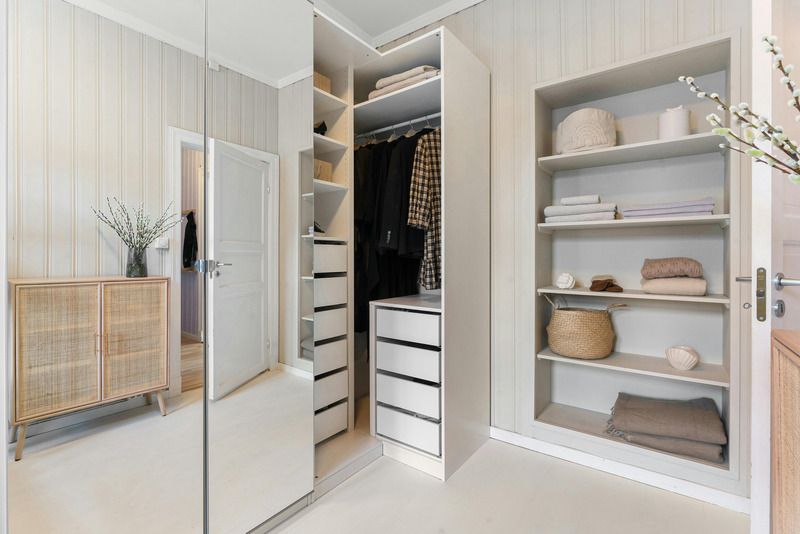
The IKEA PAX system has become the default reference point in London wardrobe decisions. Homeowners considering fitted wardrobes almost invariably encounter PAX during their research
Bright walk-in closet with mirrored doors, white shelves, drawers, and hanging clothes
September 30, 2026
Bespoke wardrobes in London homes can support accessible, aging-in-place living with practical storage, easy access, and tailored designs.
Bright bedroom with built-in wooden wardrobes and open shelving beside a doorway to a bathroom
September 30, 2026
The entryway is the first space anyone enters when they come home. It is also the space that most consistently defeats attempts at organization.
Bright walk-in closet with shelves, hanging clothes, a washer and dryer, and a plant by the window
September 30, 2026
Utility rooms in London homes range from generous purpose built spaces to squeezed under stairs cupboards.
September 30, 2026
Most fitted wardrobe conversations in London focus on period properties. Victorian terraces, Edwardian townhouses, Georgian conversions, and mansion blocks account for a substantial portion of London housing stock and present distinctive design challenges.
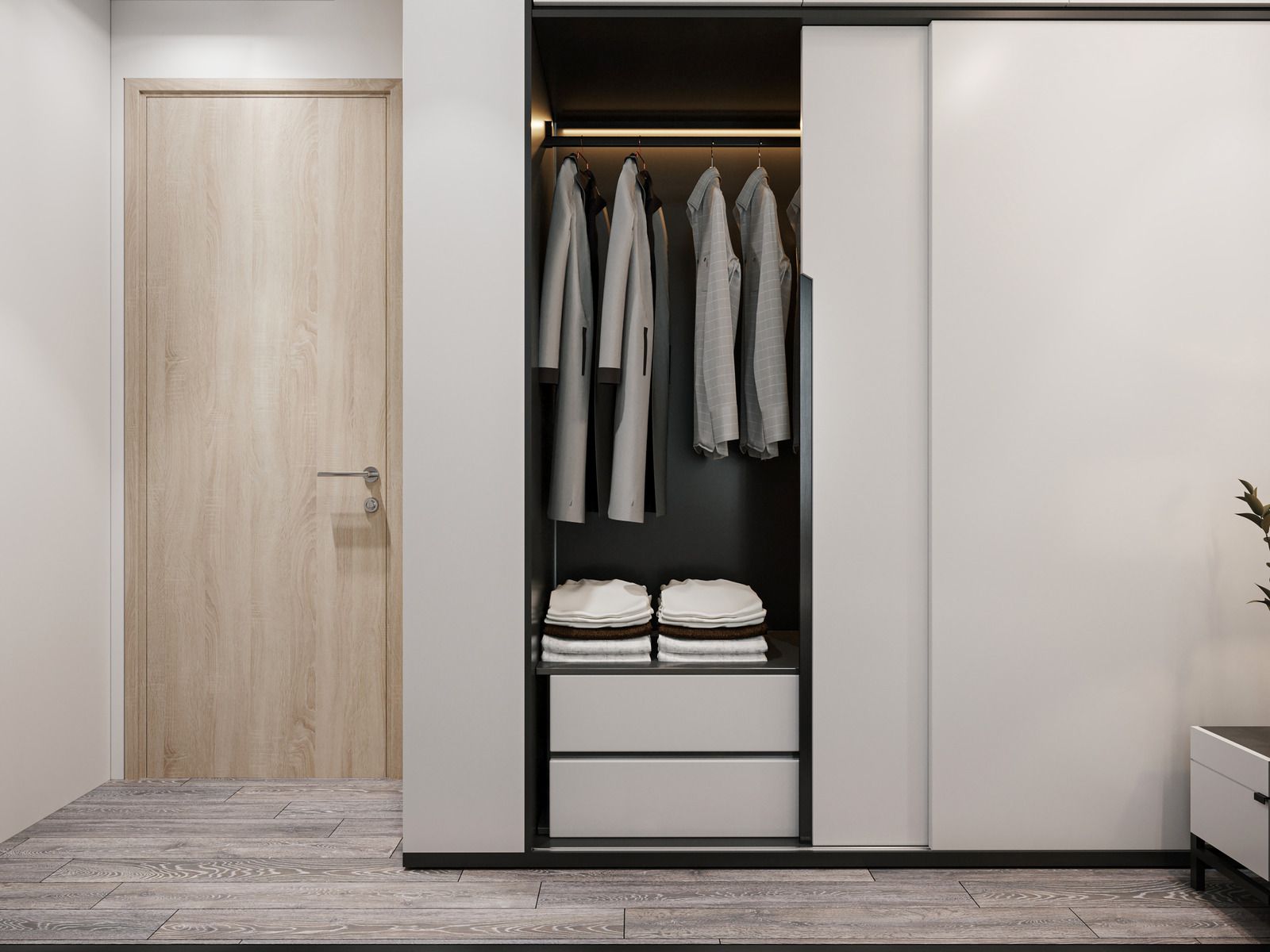
Minimal bedroom closet with hanging shirts, folded towels, and drawers beside a light wood door
September 30, 2026
Most fitted wardrobes read as background. They store clothes, occupy a wall, and let the rest of the room do the design work.
Bright home office with white bookshelves, desk, chair, window, curtains, and blue bench
August 30, 2026
Discover fitted home office storage for hybrid workers in London, with bespoke solutions that maximize space, organize essentials, and support productive work.
Show More