From Concept to Installation: The Bespoke Wardrobe Design Process Explained
Investing in a bespoke fitted wardrobe is not just about the finished product—it’s about the journey from initial idea to flawless installation. Unlike off-the-shelf furniture, bespoke wardrobes follow a carefully planned design and build process that ensures every detail is tailored to your space, lifestyle, and personal style.
For homeowners, understanding this process provides confidence and clarity. It highlights the level of craftsmanship involved and explains why bespoke fitted wardrobes deliver superior results in both function and appearance. From the first consultation to the final fitting, each stage plays a vital role in creating a wardrobe that feels truly made for your home.
This guide walks through the bespoke wardrobe design process step by step, explaining what to expect and why each phase matters.
Step 1: Initial Consultation and Vision Planning
The bespoke wardrobe journey begins with an in-depth consultation. This is where ideas are discussed, requirements are identified, and the overall vision starts to take shape.
During this stage, the focus is on understanding how you use your space and what you need from your wardrobe. Questions often include:
- How much hanging space is required?
- Do you prefer drawers, shelves, or a combination?
- Are shoes, accessories, or seasonal items a priority?
- What style best suits your home?
This conversation ensures the design reflects your lifestyle rather than imposing a generic solution. It also helps define practical needs alongside aesthetic preferences, forming the foundation of the entire project.
Step 2: Detailed Measurement and Space Assessment
Precise measurements are critical to bespoke design. Every room has unique characteristics, and even small inaccuracies can affect the final fit.
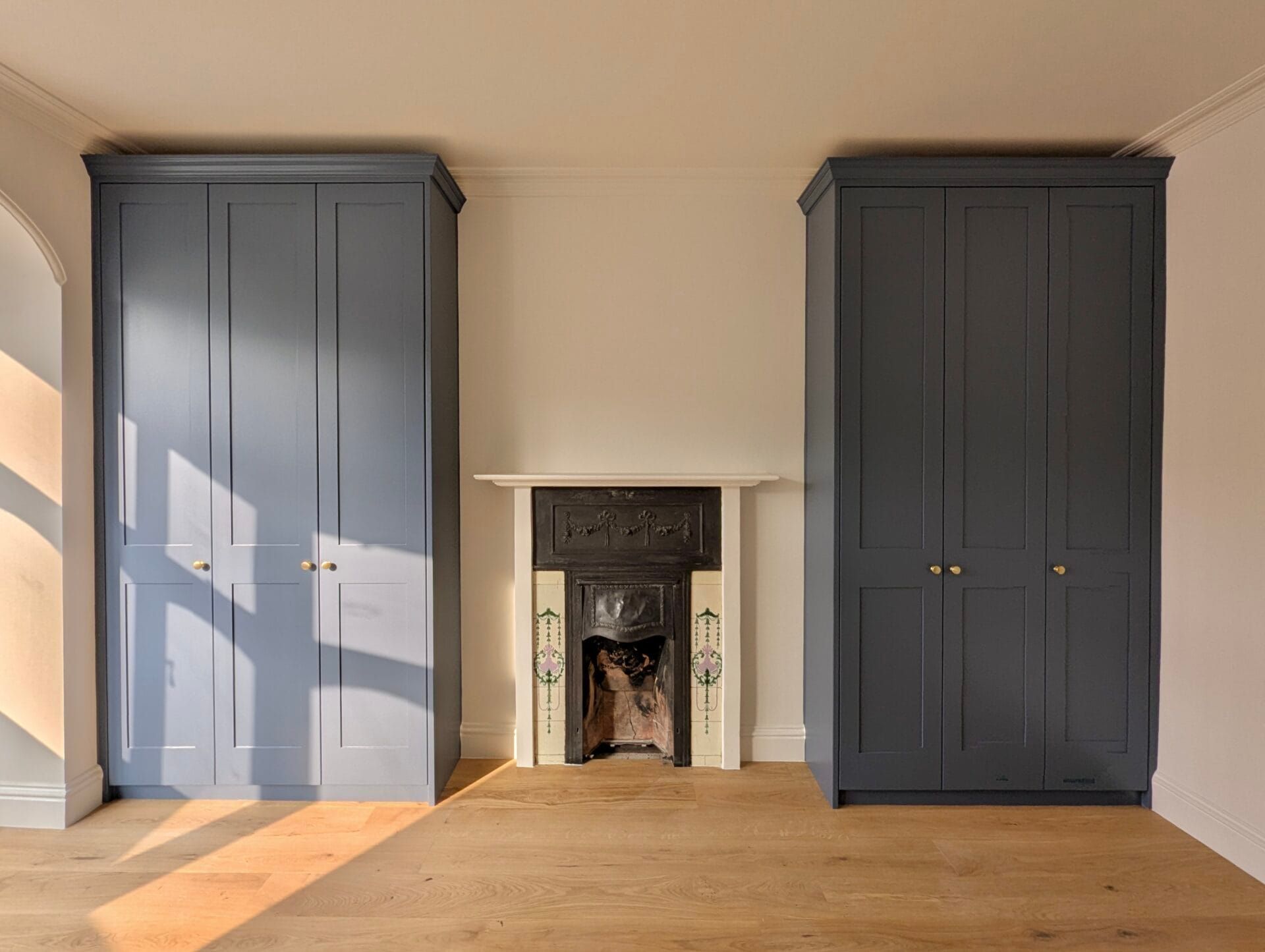
At this stage, detailed measurements are taken, including ceiling height, wall widths, angles, alcoves, and any architectural features. In London homes, this often includes working around chimney breasts, sloped ceilings, uneven walls, or period detailing.
This assessment allows the wardrobe to be designed to millimetre precision, ensuring a seamless built-in finish that makes full use of available space.
Step 3: Design Development and Layout Planning
Once measurements and requirements are confirmed, the design phase begins. This is where the wardrobe takes shape visually and functionally.
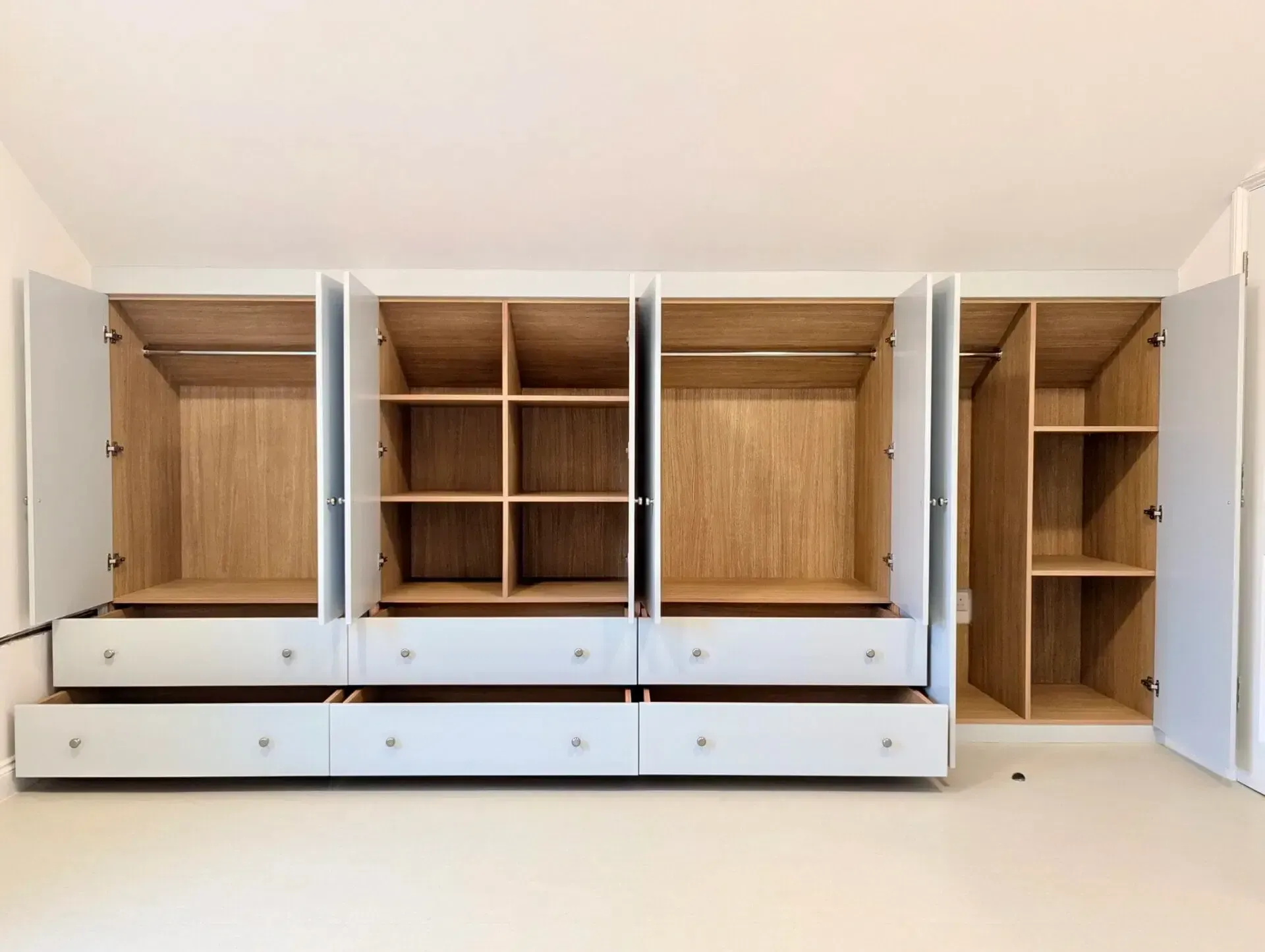
Designers create a layout that balances storage efficiency with visual appeal. Internal configurations are planned in detail, including:
- Hanging rail heights
- Drawer placement
- Adjustable shelving
- Shoe storage
- Accessory compartments
At the same time, external design elements such as door style, finishes, colours, and handles are selected. The aim is to create a wardrobe that integrates seamlessly with the room’s interior while meeting all storage needs.
This stage often involves visual renderings or detailed drawings to help you understand how the finished wardrobe will look.
Step 4: Choosing Materials and Finishes
Material selection plays a key role in both durability and appearance. Bespoke wardrobes offer a wide range of options, allowing you to tailor the look and feel to your home.
Popular choices include:
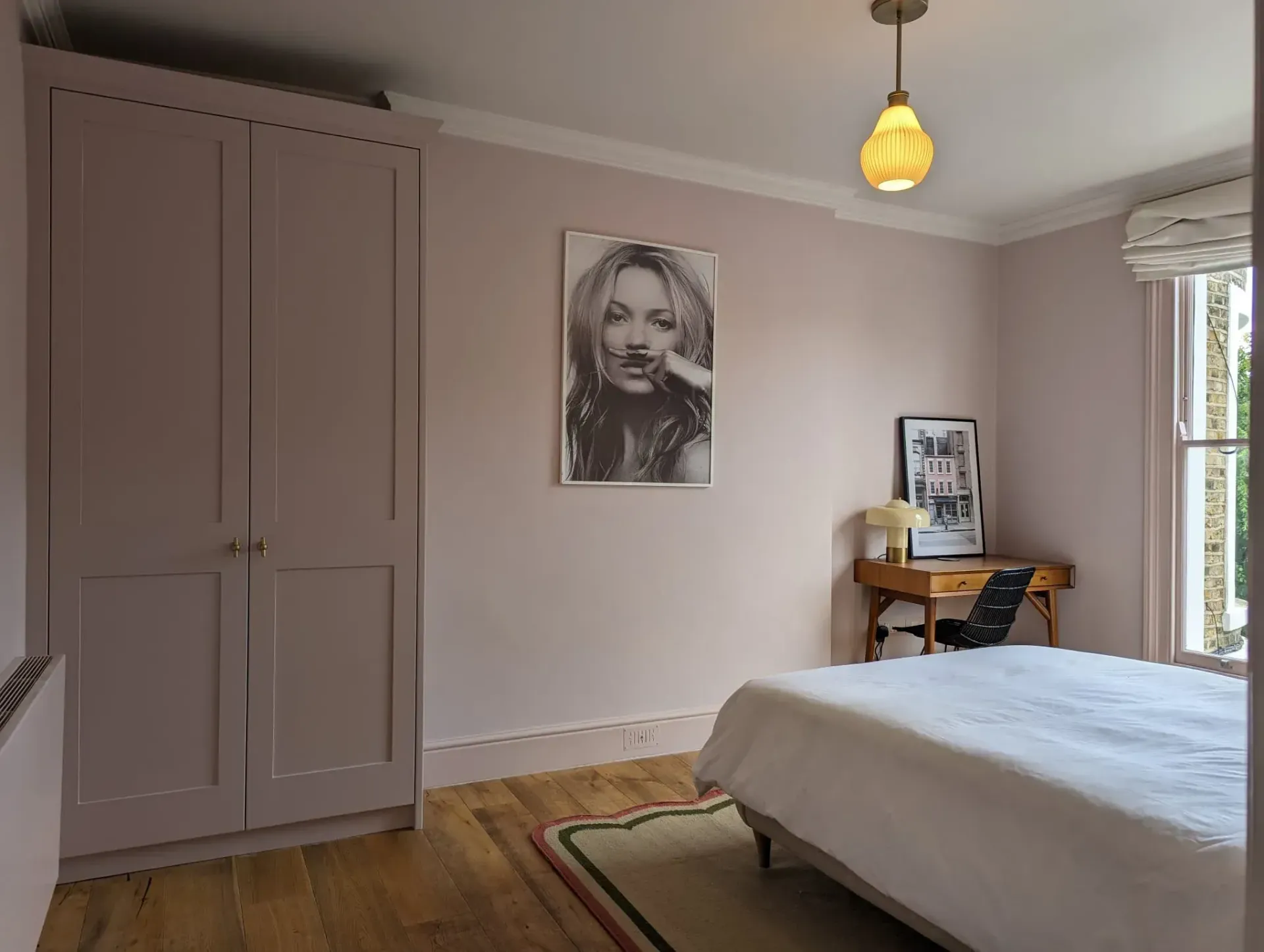
- Painted finishes for versatility and elegance
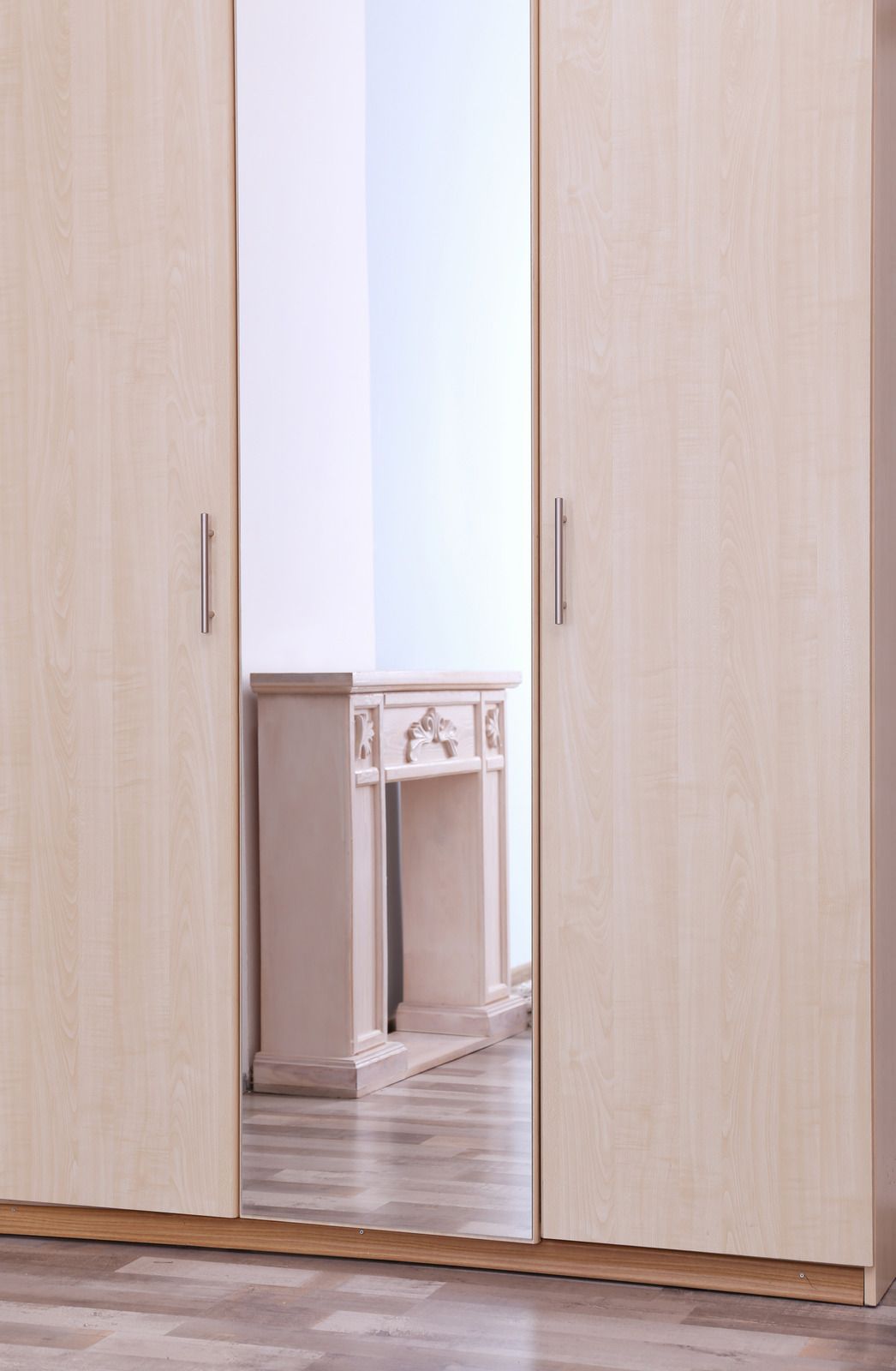
- Wood-effect finishes for warmth and texture
- Matt finishes for a soft, contemporary look
- Gloss finishes for light reflection and modern appeal
Quality materials ensure longevity and resistance to daily wear. Selecting finishes that complement existing décor helps create a cohesive, high-end result.
Step 5: Selecting Door Styles and Access Options
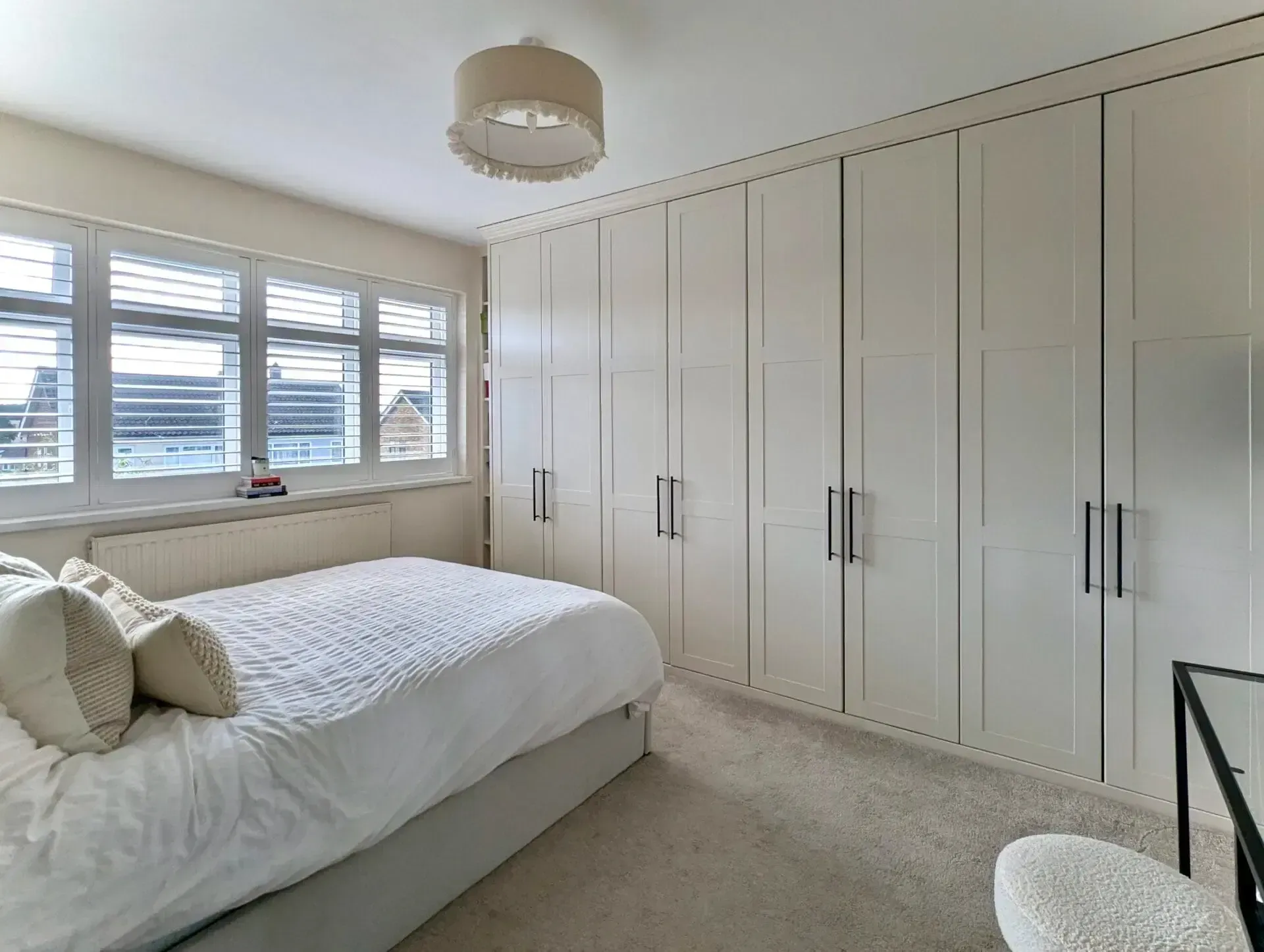
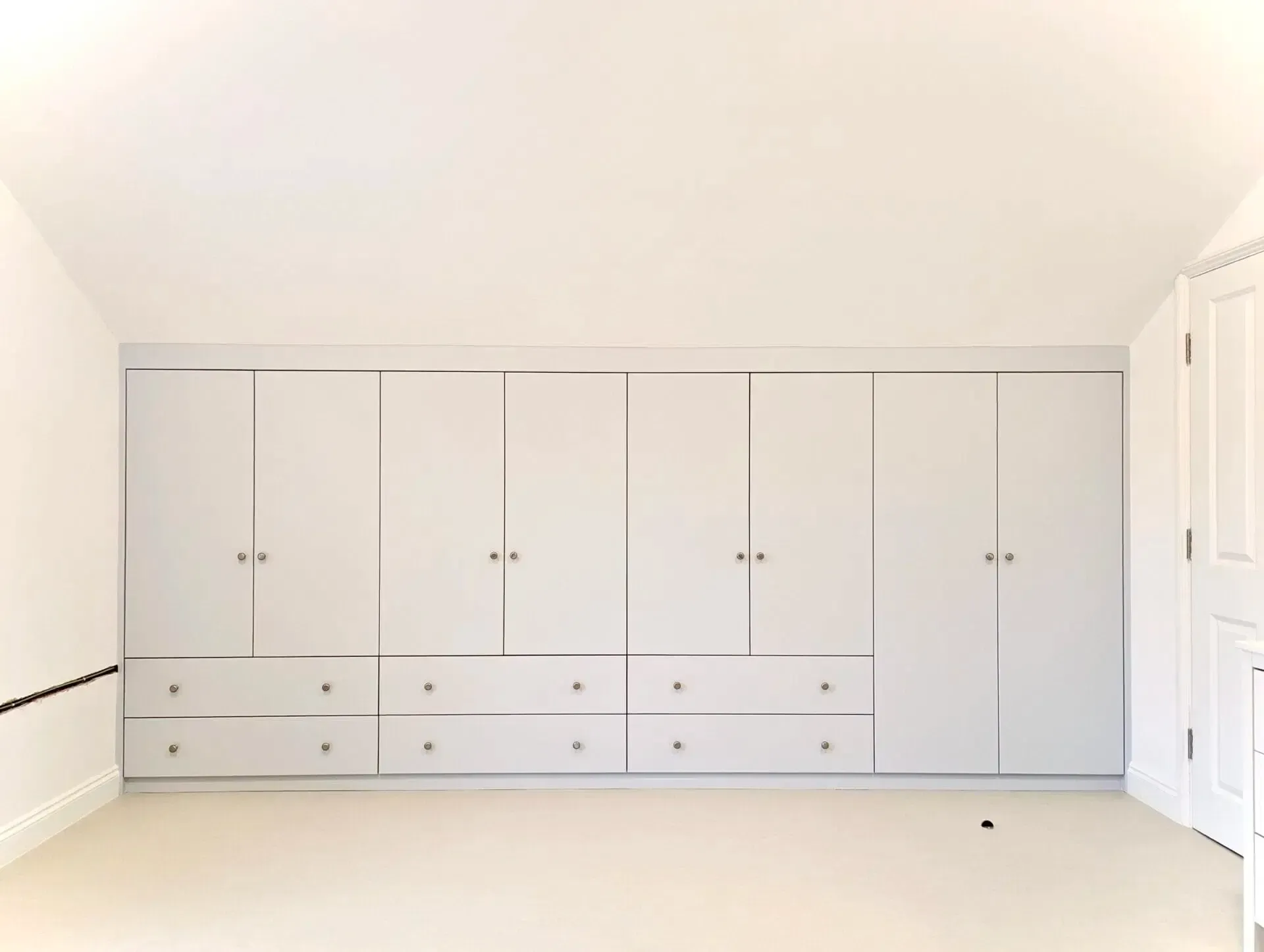
Door style is an important functional and aesthetic decision. At this stage, you’ll choose between options such as sliding or hinged doors, depending on room size and layout.
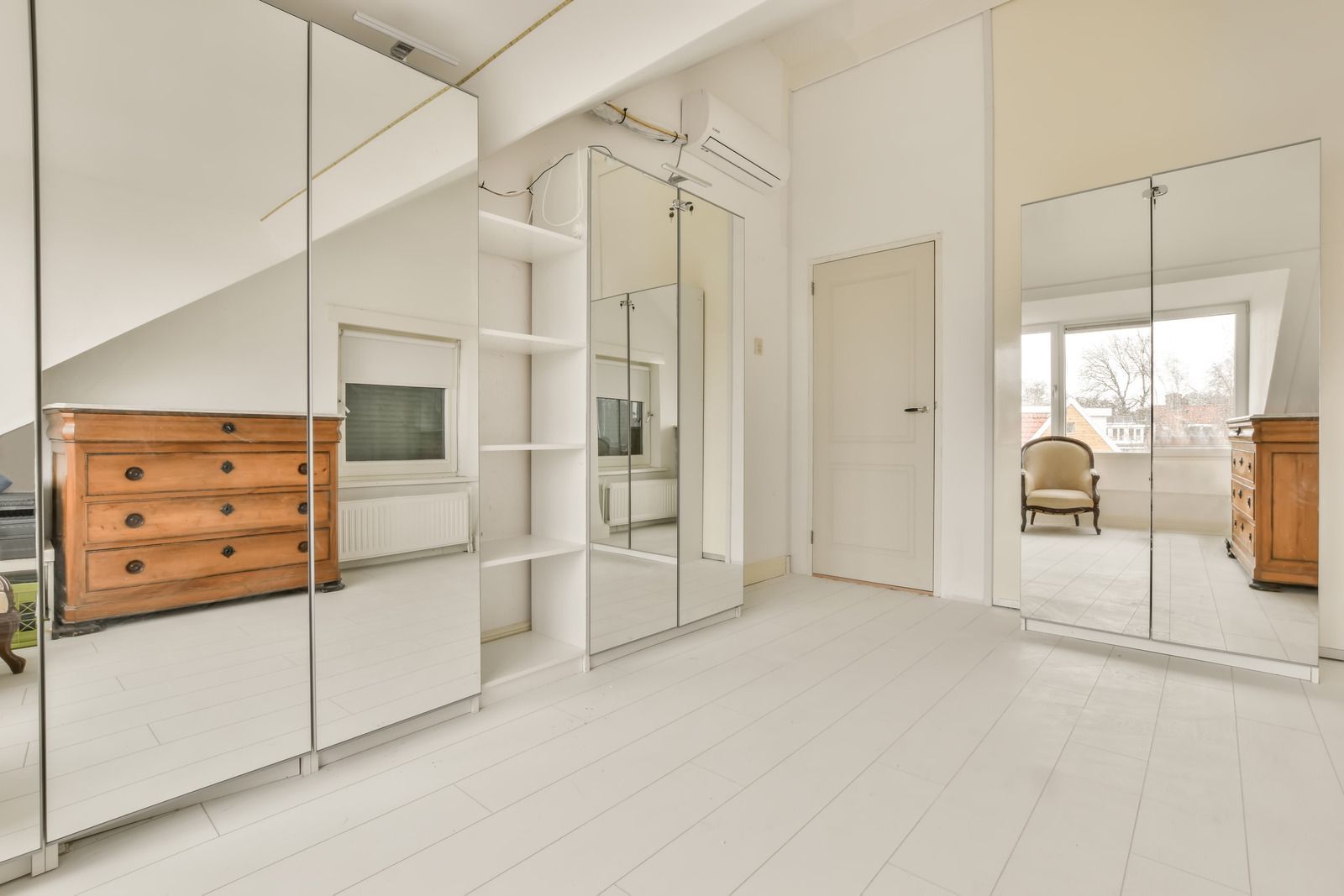
Sliding doors are ideal for compact spaces, while hinged doors provide full access and suit more traditional interiors. Mirrored doors may also be considered to enhance light and create a sense of space.
Each option is assessed based on usability, design compatibility, and long-term performance.
Step 6: Integrating Lighting and Additional Features
Modern bespoke wardrobes often include integrated lighting to enhance practicality and luxury. This stage involves planning lighting placement and features.
Internal LED lighting improves visibility and adds a premium feel. Motion sensors offer convenience by activating lights when doors open. Accent lighting can highlight shelving or display areas.
Additional features such as soft-close drawers, pull-out rails, or hidden compartments may also be incorporated to improve usability.
Step 7: Final Design Approval
Before production begins, the final design is reviewed and approved. This ensures all details—from dimensions and layouts to finishes and features—meet expectations.
This stage provides peace of mind, allowing any final adjustments to be made before the wardrobe is crafted. Once approved, the design moves into production.
Step 8: Craftsmanship and Manufacturing
The manufacturing stage is where design becomes reality. Skilled craftsmen produce each component with precision, using high-quality materials and professional techniques.
Unlike mass-produced furniture, bespoke wardrobes are crafted specifically for your project. Attention to detail at this stage ensures smooth operation, accurate fit, and a flawless finish.
Quality control is essential, ensuring every element meets the highest standards before installation.
Step 9: Professional Installation
Installation is a crucial stage in the bespoke process. Even the best design requires expert fitting to achieve the intended result.
Professional installers ensure the wardrobe is securely fixed, perfectly aligned, and finished to a high standard. Doors are adjusted for smooth operation, drawers glide correctly, and all components function as designed.
Careful installation ensures the wardrobe feels like a natural part of the room rather than an added piece of furniture.
Step 10: Final Checks and Handover
Once installation is complete, final checks are carried out to ensure everything meets quality expectations. Any adjustments are made, and features such as lighting and soft-close mechanisms are tested.
You’ll then be shown how to use and maintain your wardrobe, ensuring it remains in excellent condition over time.
Why the Bespoke Process Delivers Better Results
Every stage of the bespoke wardrobe process contributes to a superior outcome. Tailored planning, precise measurements, quality materials, and expert craftsmanship result in a wardrobe that outperforms standard alternatives.
Rather than forcing compromises, bespoke design adapts to your home and lifestyle, delivering long-term satisfaction.
Long-Term Benefits of a Structured Design Process
A well-managed bespoke process ensures:
- Maximum space efficiency
- Improved daily usability
- Long-lasting durability
- Seamless integration with your interior
- Reduced need for future replacements
This structured approach protects your investment and enhances everyday living.
Conclusion
The journey from concept to installation is what sets bespoke fitted wardrobes apart. Each carefully planned stage ensures the final result is functional, elegant, and perfectly suited to your home.
By understanding the design process, homeowners can appreciate the craftsmanship, attention to detail, and expertise involved in creating truly bespoke storage solutions.
At HUMPHRIES BESPOKE FITTED WARDROBES & CUPBOARDS FULHAM LIMITED, we guide clients through every stage of the process—from initial consultation to professional installation. With a commitment to quality, thoughtful design, and expert craftsmanship, we create wardrobes that transform spaces and stand the test of time.
Recent Posts