Bespoke Wardrobes for Period Properties: Blending Storage with Character

aiman.fauarsy • January 31, 2026

Share this article

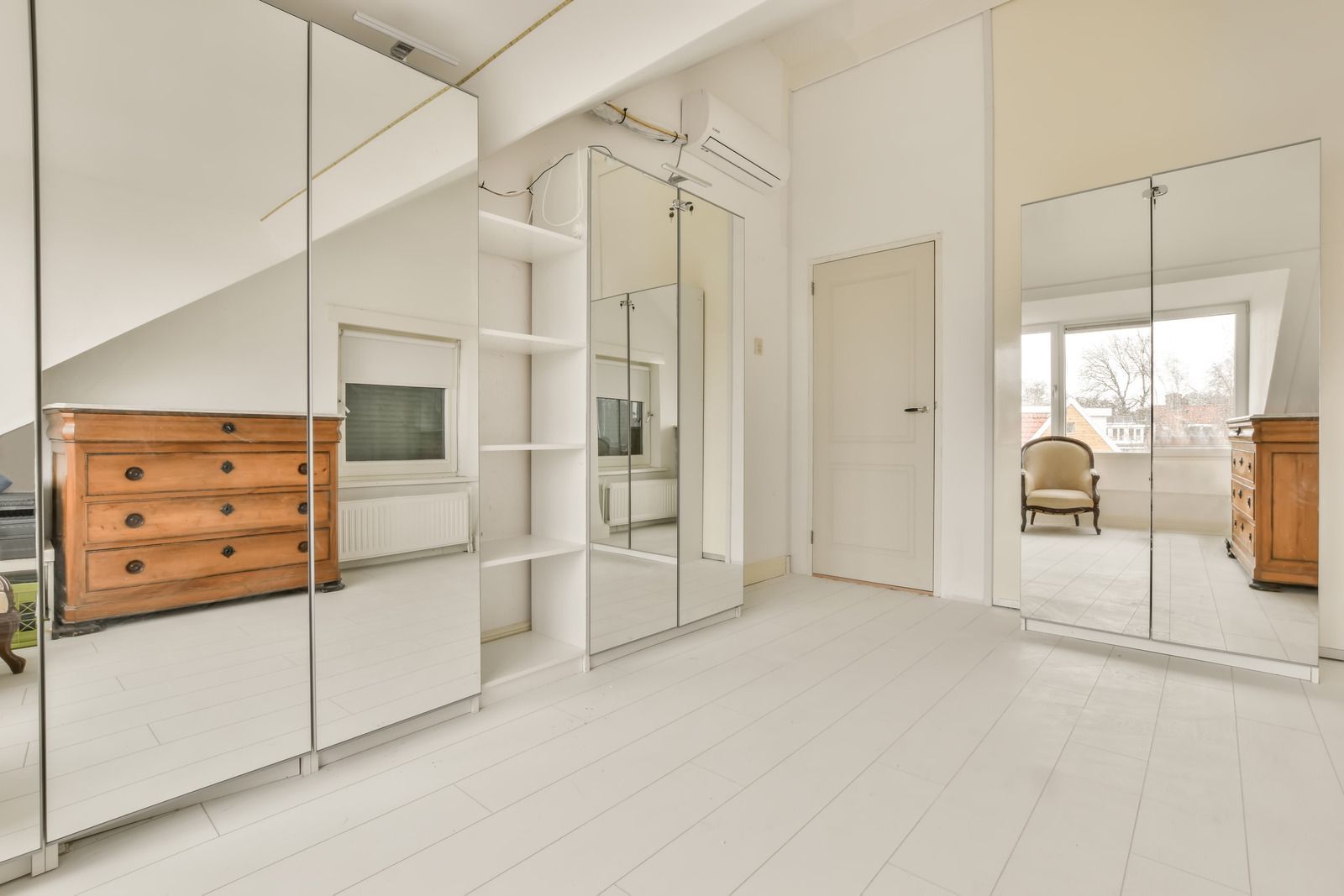
Period properties are prized for their charm, craftsmanship, and architectural detail. From Victorian terraces and Edwardian townhouses to Georgian conversions, these homes offer character that modern builds often lack. However, their layouts can present challenges when it comes to storage. Uneven walls, chimney breasts, alcoves, high ceilings, and original features rarely work well with standard furniture.


Bespoke fitted wardrobes provide an ideal solution, allowing homeowners to introduce modern storage without compromising the integrity or character of their property. When thoughtfully designed, a bespoke wardrobe enhances a period home rather than detracting from it, blending seamlessly with existing architecture while improving everyday functionality.


This guide explores how bespoke fitted wardrobes can be designed specifically for period properties, combining practical storage with timeless style.

Understanding the Unique Nature of Period Homes

Period properties were built long before modern storage needs existed. Original layouts often prioritised proportion and decoration over storage, meaning wardrobes were rarely built in. As a result, homeowners are often left relying on freestanding furniture that doesn’t sit neatly within the space.

Common challenges include:

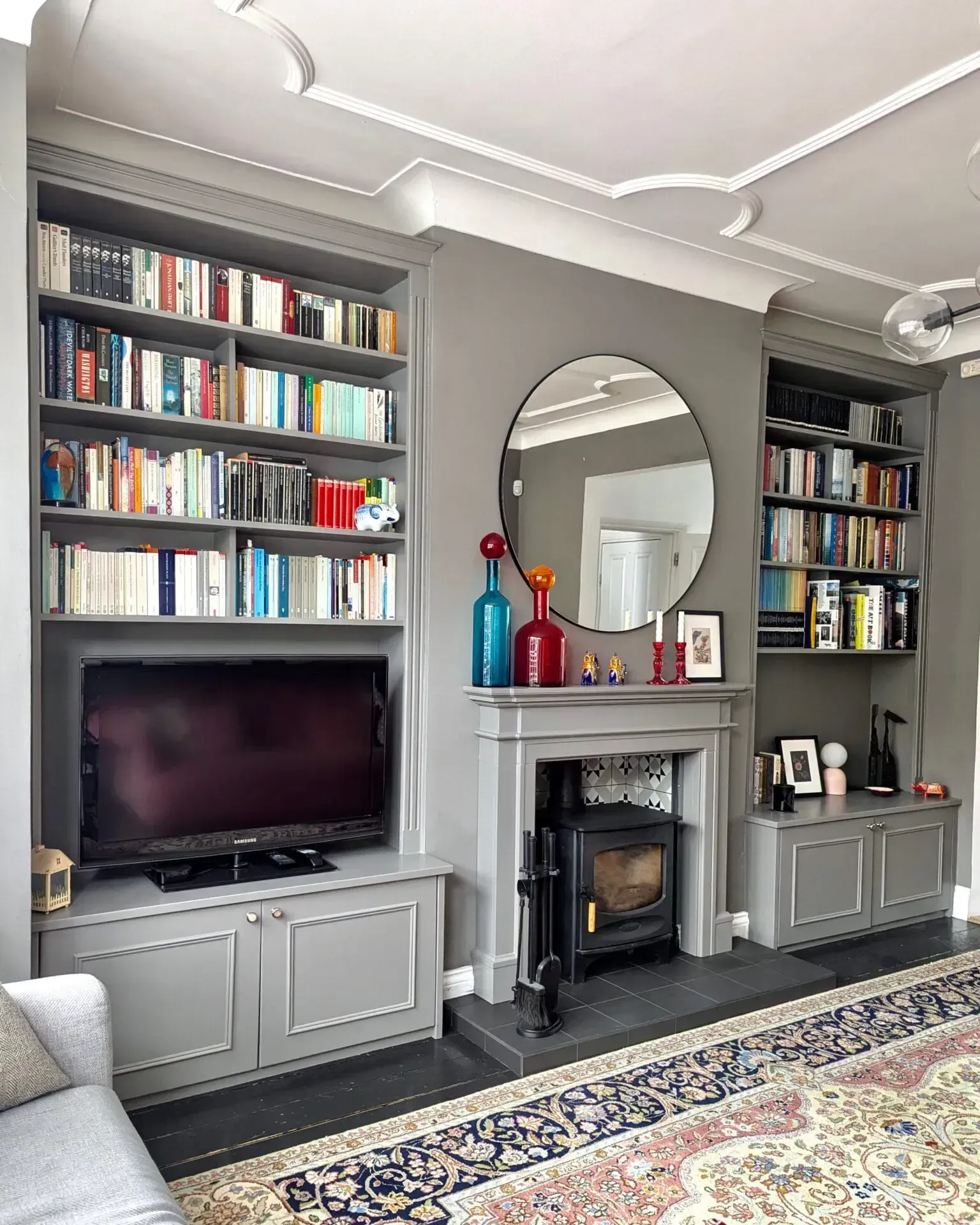
  • Alcoves formed by chimney breasts
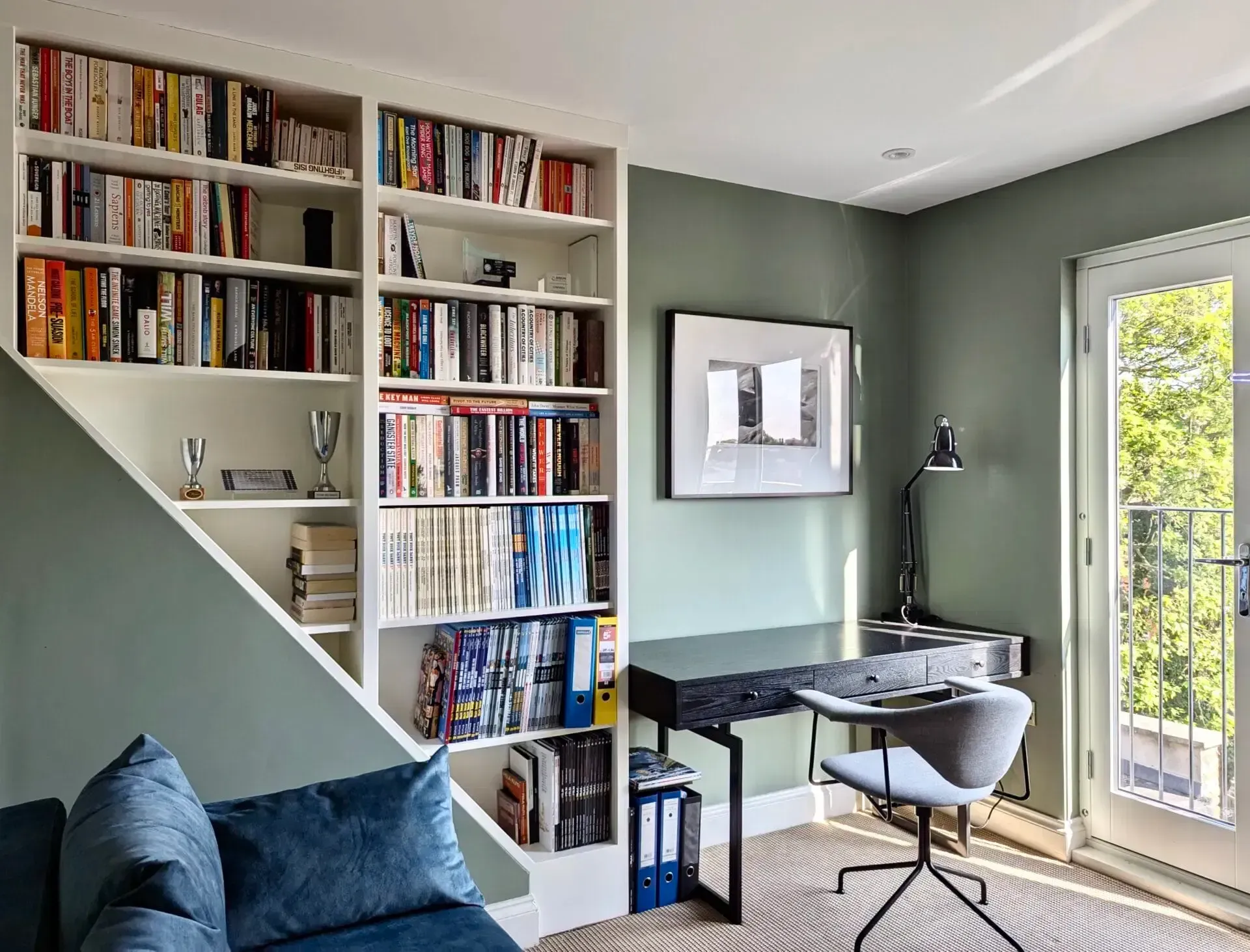
  • Uneven or non-square walls
  • High ceilings with decorative cornicing
  • Narrow or irregular room layouts


Bespoke wardrobes are designed to work with these features, not against them, allowing storage to feel like a natural part of the room.

Respecting Architectural Features

One of the key principles when designing for a period property is preservation. Original features such as cornices, ceiling roses, fireplaces, and skirting boards contribute significantly to the home’s character and should be respected.


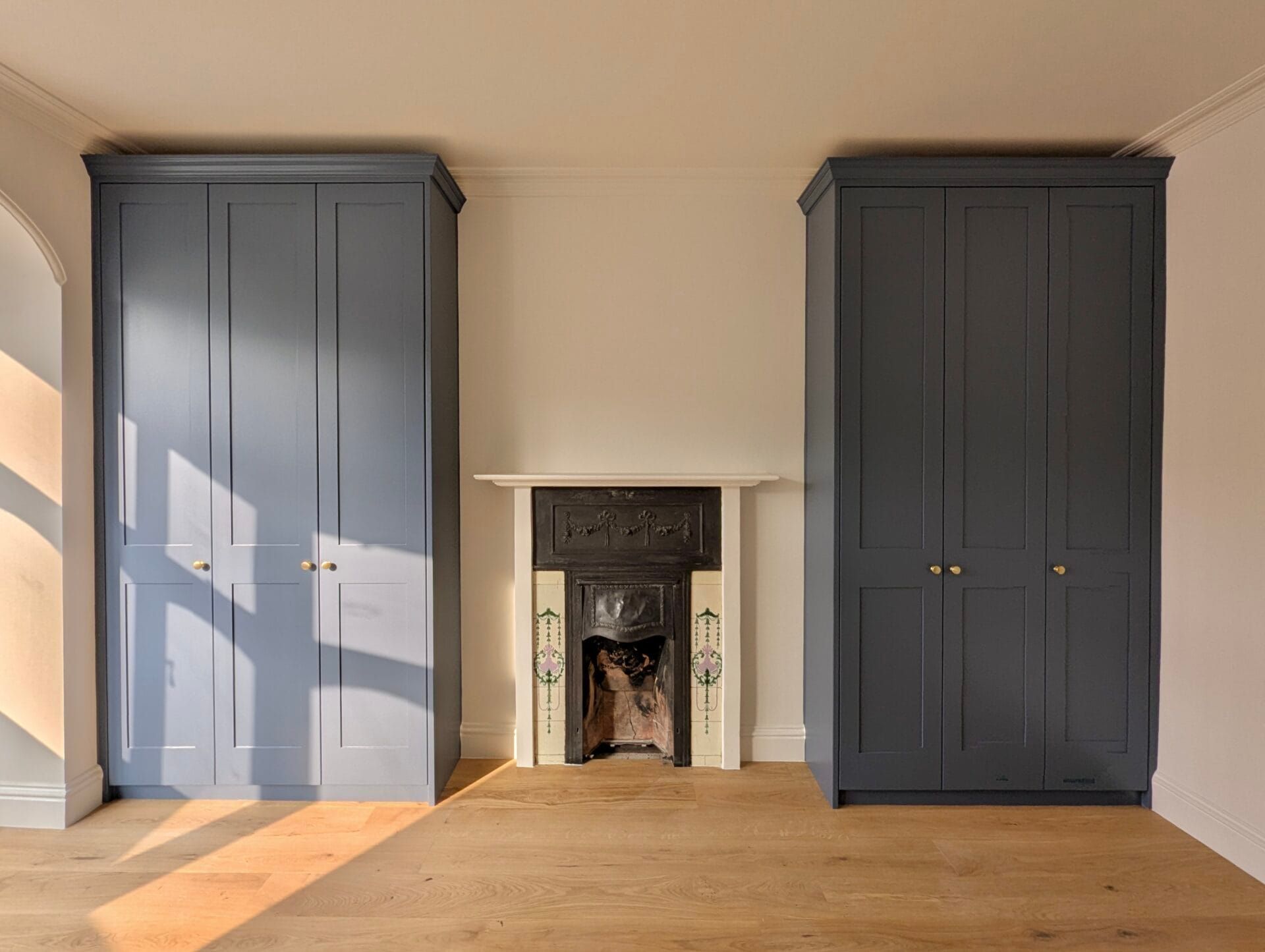
A bespoke fitted wardrobe can be designed to sit neatly below decorative cornicing rather than cutting into it, or shaped around chimney breasts to maintain symmetry. In many cases, wardrobes can enhance these features by framing them rather than hiding them.


This careful integration ensures modern storage complements traditional architecture rather than overpowering it.

Making the Most of Alcoves and Chimney Breasts

Alcoves are one of the most distinctive features of period homes and also one of the most underused. Freestanding wardrobes rarely fit alcoves properly, often leaving awkward gaps and wasted space.


Bespoke wardrobes can be designed to fit precisely within alcoves, turning them into highly efficient storage areas. This approach preserves balance within the room and often creates a more harmonious layout.


By building wardrobes on either side of a chimney breast, symmetry is restored, and storage feels intentional rather than improvised.

Floor-to-Ceiling Wardrobes in High-Ceiling Rooms

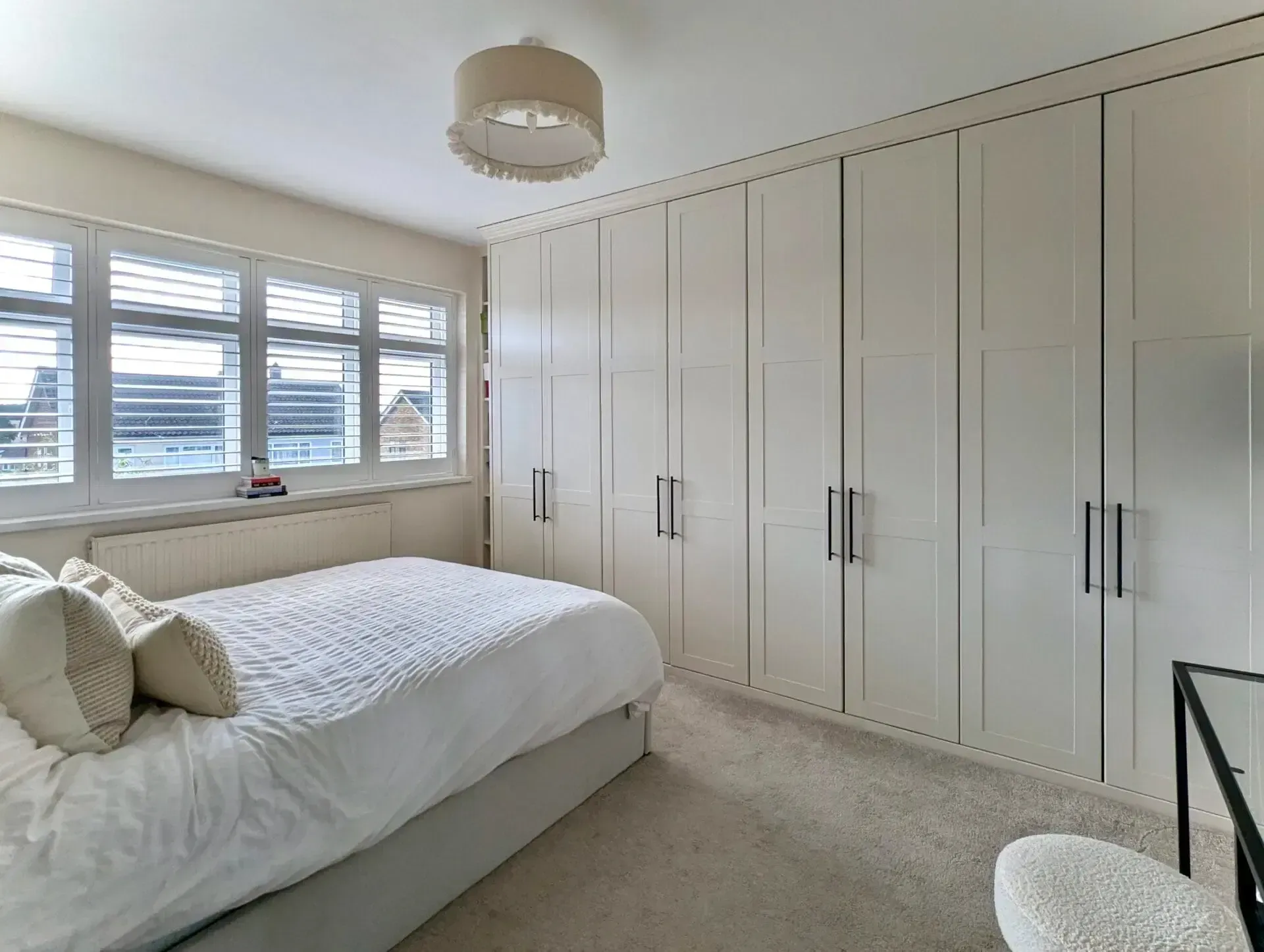
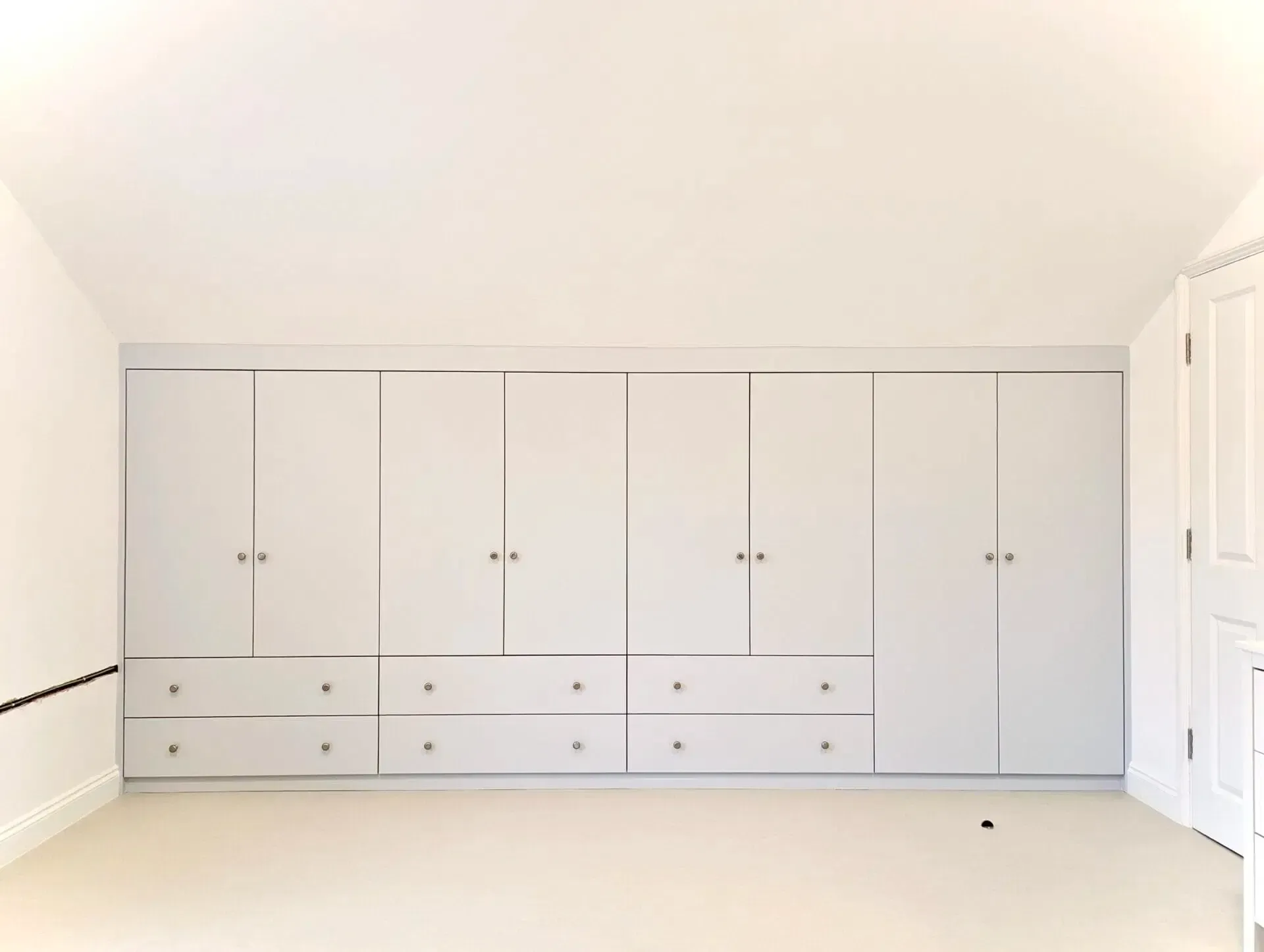
Many period properties benefit from generous ceiling heights, which provide an excellent opportunity for increased storage. Floor-to-ceiling bespoke wardrobes make full use of this vertical space while creating a grand, built-in appearance.


Upper compartments can be used for storing seasonal items, spare bedding, or items used less frequently. Ladder rails or discreet step solutions can be incorporated where needed, maintaining both safety and elegance.


Visually, full-height wardrobes enhance the proportions of the room, reinforcing its original sense of scale.

Choosing Styles That Complement Period Interiors

Design style plays a crucial role in ensuring wardrobes blend seamlessly into period homes. Overly modern designs can feel out of place, while traditional detailing helps wardrobes feel like part of the original structure.


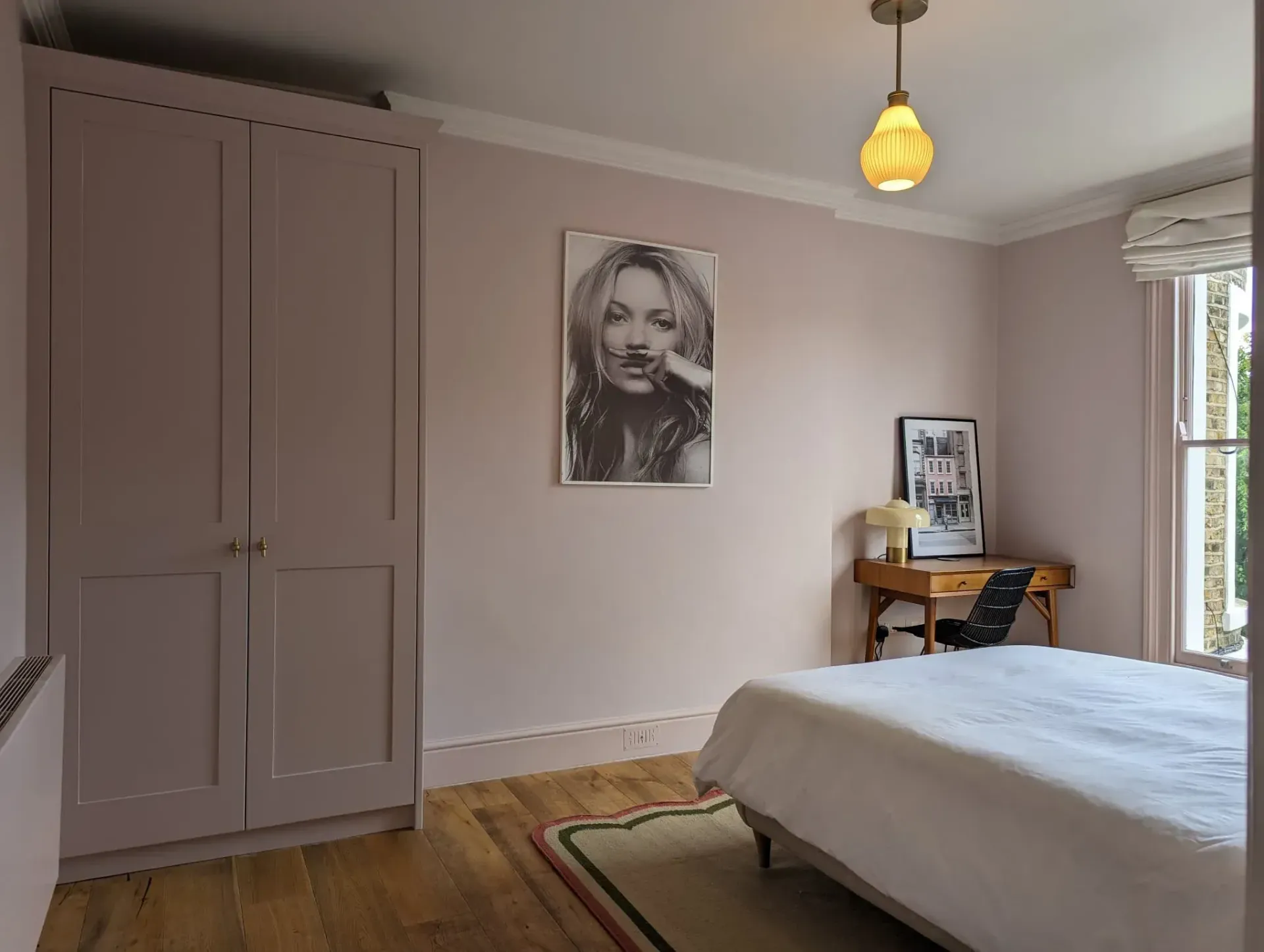
Shaker-style doors are a popular choice for period properties, offering clean lines with subtle detailing that suits both Victorian and Edwardian interiors. Panelled doors, soft mouldings, and classic proportions work particularly well in traditional settings.


Bespoke design allows these elements to be scaled appropriately, ensuring the wardrobe feels elegant rather than heavy.

Selecting Colours and Finishes with Longevity in Mind

Colour choice has a significant impact on how a wardrobe sits within a period room. Soft neutrals, muted tones, and heritage colours often complement original features beautifully.


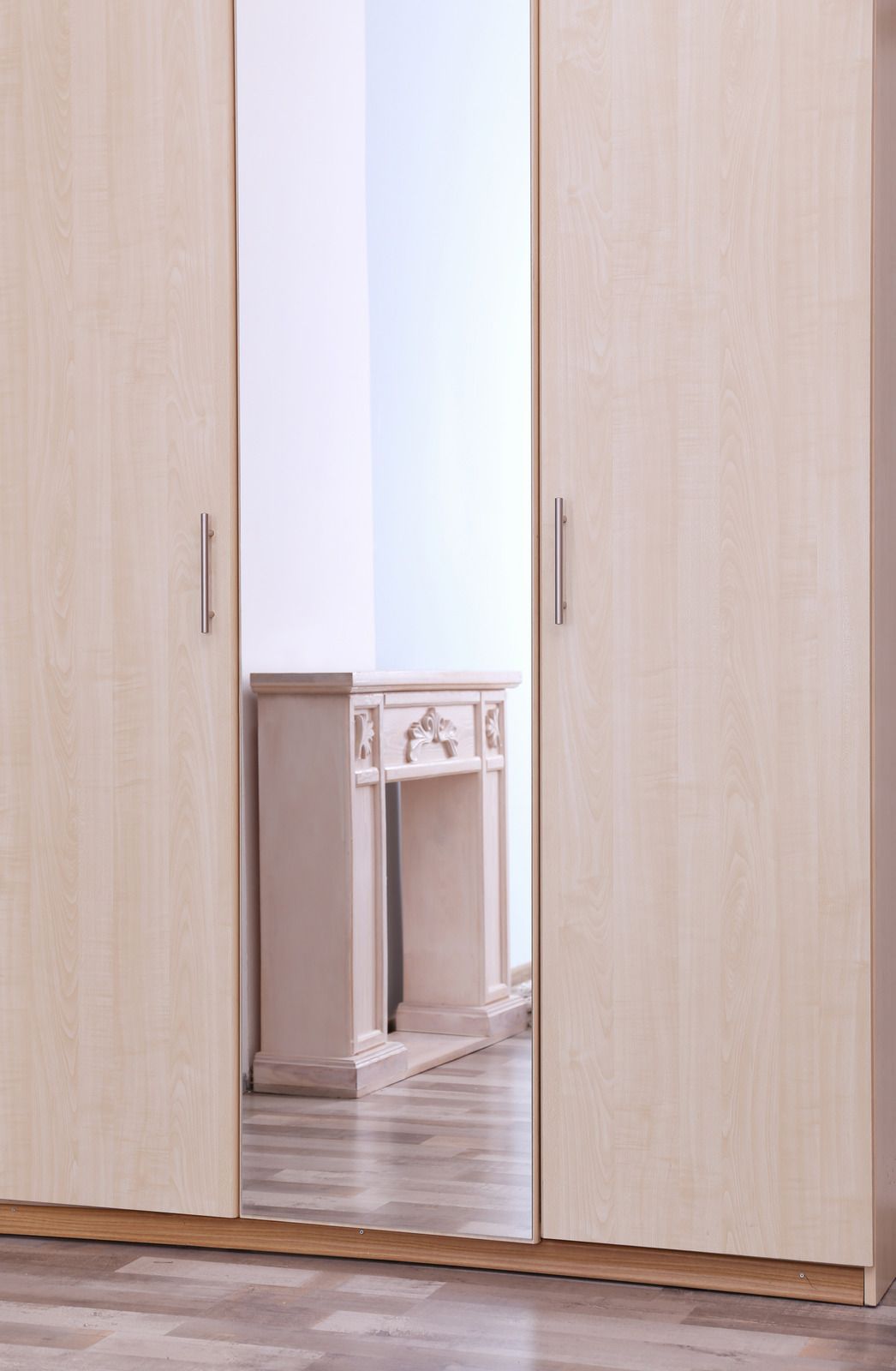
Painted finishes are especially effective, allowing wardrobes to blend seamlessly with walls or stand out subtly as a design feature. Wood-effect finishes can also add warmth and echo traditional materials found elsewhere in the home.


The key is choosing finishes that feel timeless, ensuring the wardrobe continues to enhance the space for years to come.

Integrating Modern Functionality Discreetly

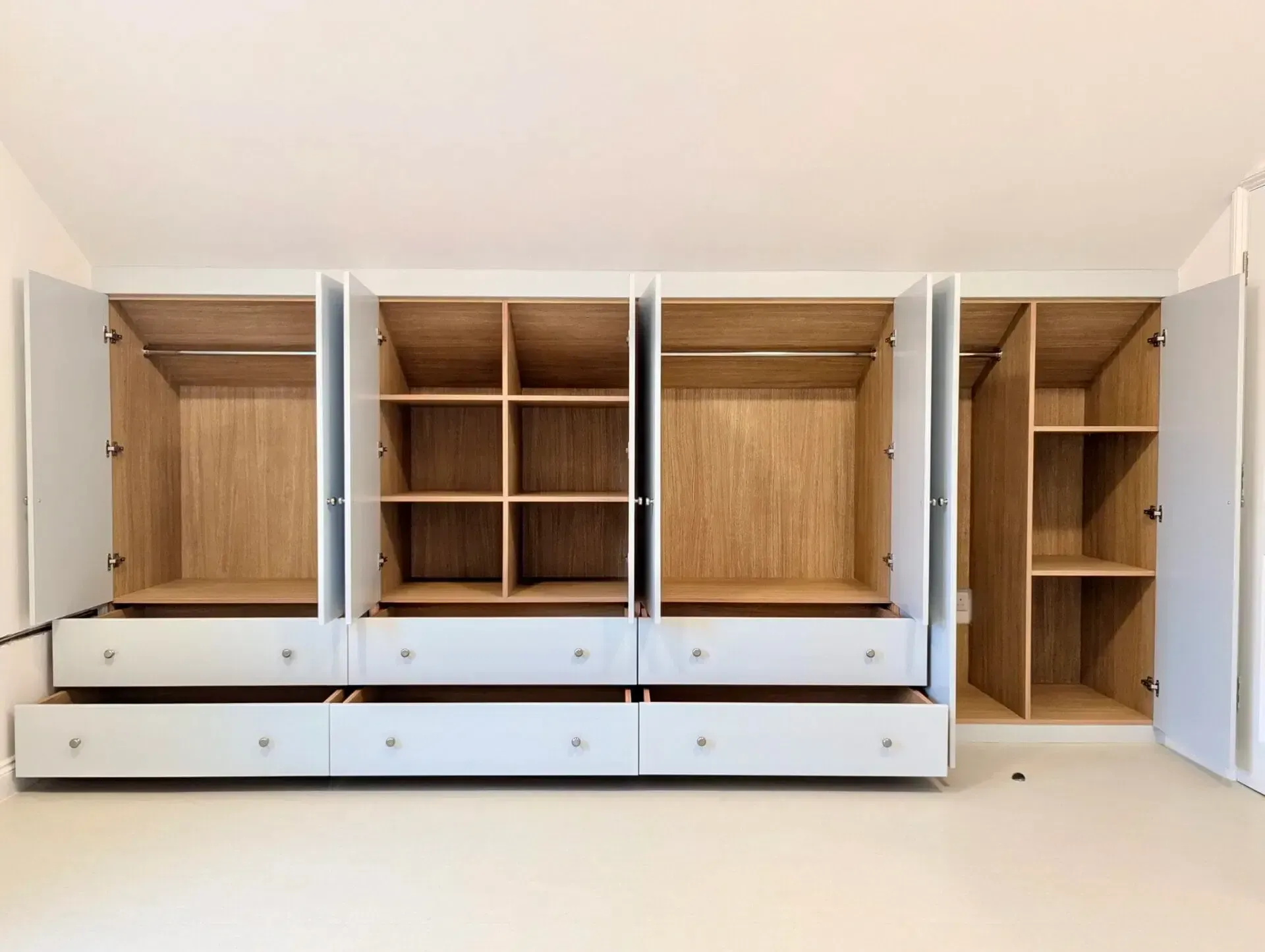
While the exterior of a wardrobe may reflect traditional styling, the interior can be designed with modern living in mind. Bespoke wardrobes allow you to enjoy contemporary storage solutions without compromising period aesthetics.

Features such as:

  • Adjustable shelving
  • Soft-close drawers
  • Integrated shoe storage
  • Hidden accessory compartments


can all be incorporated discreetly, keeping the outward appearance classic while offering modern convenience.

Lighting That Enhances Without Distracting

Lighting is an important consideration, particularly in period properties where natural light may be limited.

Integrated wardrobe lighting improves visibility and adds subtle luxury without detracting from traditional interiors.


Warm LED lighting complements heritage tones and creates a welcoming atmosphere. Motion-sensor lighting ensures practicality while remaining unobtrusive.


When designed carefully, lighting enhances usability while maintaining the character of the room.

Working with Uneven Walls and Floors

Period properties often feature walls and floors that are far from perfectly straight. While this can be challenging for standard furniture, bespoke wardrobes are built to accommodate these variations.


Custom scribing techniques allow wardrobes to follow the contours of walls and floors precisely, ensuring a flush, seamless finish. This attention to detail is essential in period homes, where imperfections are part of the charm.


The result is a wardrobe that looks purpose-built rather than retrofitted.

Maintaining Proportion and Balance

Scale is particularly important in period rooms. Oversized furniture can overwhelm original features, while undersized pieces can feel lost within generous proportions.


Bespoke wardrobes are designed with balance in mind. Door widths, panel proportions, and overall height are carefully considered to complement the room’s architecture.


This ensures the wardrobe enhances the space rather than competing with it.

Adding Value Without Compromising Character

Well-designed bespoke wardrobes can add significant value to period properties. Buyers are often drawn to homes that retain their original charm while offering modern practicality.


Integrated storage solutions are seen as a premium feature, particularly in London’s competitive property market. When executed thoughtfully, bespoke wardrobes enhance functionality while preserving the integrity of the home.


This balance between tradition and modern living is highly desirable.

Avoiding Common Design Mistakes

One of the most common mistakes when adding storage to period homes is prioritising capacity over character. Bulky designs, inappropriate finishes, or poorly proportioned doors can detract from original features.


Bespoke design avoids these pitfalls by tailoring every element to the property. Working with experienced designers ensures storage solutions respect the home’s heritage while meeting practical needs.

Why Bespoke Is Essential for Period Properties

Off-the-shelf furniture rarely works well in period homes. Its fixed dimensions and modern styling often clash with traditional architecture.


Bespoke fitted wardrobes offer flexibility, precision, and design sensitivity, making them the ideal solution for heritage properties. They adapt to the home rather than forcing compromise.

Conclusion

Period properties deserve storage solutions that respect their history while supporting modern living. Bespoke fitted wardrobes offer the perfect balance, blending seamlessly with original features while providing practical, efficient storage.


By tailoring design, materials, and layout to the character of the home, bespoke wardrobes enhance both function and aesthetics without compromise.


At HUMPHRIES BESPOKE FITTED WARDROBES & CUPBOARDS FULHAM LIMITED, we specialise in designing and crafting bespoke wardrobes for period properties across London. With a deep understanding of traditional architecture and a commitment to quality craftsmanship, we create storage solutions that honour the past while enhancing everyday life.

Recent Posts

White paneled closet doors with brass knobs in a hallway
May 30, 2026
Security within a fitted wardrobe is one of those topics that rarely comes up in the design conversation but turns out to matter to a significant number of homeowners once they think about it.
Open kitchen drawer with utensils beside white cabinets and wooden floor
May 30, 2026
The open-plan kitchen-diner is the defining floor plan of modern London home renovation. Knock down the wall between the kitchen and the back reception room
White built-in mirrored wardrobe in a bright hallway with wood flooring and a white door
May 30, 2026
Bathroom storage in London homes is chronically underdesigned. Most bathrooms have a wall cabinet above the basin, a shelf inside the shower, and a towel rail
Cozy living room with two bookcases, fireplace, gray sofa, and bay window with red curtains
May 30, 2026
Fulham and the surrounding boroughs of Hammersmith, Kensington, Chelsea, and Wandsworth contain some of the highest concentrations of conservation areas in London.
White paneled built-in wall unit with shelves and window blinds in a bright room
May 30, 2026
Purpose-built flats — the kind built in London between the 1930s and the 1990s — are not designed with fitted furniture in mind.
White paneled closet doors with brass knobs in a hallway
May 30, 2026
Georgian and Regency properties are among the most architecturally specific homes you can commission fitted furniture for.
Built-in white closet with open shelves, hanging rods, and small wooden drawers in a bright room
May 30, 2026
Most people turn up to a design consultation having done very little preparation — and that’s fine. The designer’s job is to take accurate measurements, assess the space, and translate your storage needs into a workable design.
Minimalist bedroom with large dark wood built-in wardrobe and light gray walls
May 30, 2026
Most people commission fitted wardrobes at one of two moments: when they’ve lived in a home long enough to know exactly what the storage problems are, or when they’ve just moved in and want to get it right from the start.
Bright white walk-in closet with open shelves, hanging clothes, and a central drawer dresser
May 30, 2026
The design visit went well. You liked the designer, the drawings look right, and the quote has landed in your inbox. At this point, most people sign.
Bright white bedroom with built-in cabinets, a small shelf, and light wood flooring.
May 30, 2026
The design visit went well. You liked the designer, the drawings look right, and the quote has landed in your inbox. At this point, most people sign.
Show More