
Oak vs Painted Fitted Wardrobes: Which is Right for Your London Home?

August 30, 2026

Share this article

The choice between real oak and painted finishes is one of the more consequential decisions in any fitted wardrobe project. It affects the appearance of the finished furniture, the way it ages over decades of use, the cost of the project, the maintenance the wardrobes require, and how well the installation integrates with the rest of your home. Yet many homeowners come to this decision without fully understanding what each option actually offers or where the trade-offs lie.


This guide explores the differences between real oak and painted finishes for fitted wardrobes, the situations where each option shines, and the practical considerations London homeowners should weigh before committing to one direction or the other.

What Real Oak Fitted Wardrobes Actually Look Like

Real oak fitted wardrobes are constructed from solid oak or oak-veneered timber components, finished with either a clear varnish, a wax, or a lightly tinted oil to preserve the natural appearance of the wood. The result shows the actual grain and texture of the oak — no two doors are identical, and the finish has depth and character that painted surfaces cannot replicate.


Oak comes in several forms that produce different visual results. Solid oak uses actual timber throughout the door and frame components. Oak veneer applies a thin layer of real oak over a stable substrate such as MDF or plywood, achieving a similar visual result at lower cost and with better resistance to seasonal movement. Different oak species — English oak, European oak, American white oak — produce subtly different grain patterns and colour tones.


The finish applied to oak also affects appearance. Clear lacquers and varnishes preserve the natural colour of the wood. Oiled finishes produce a slightly more matte, natural look and allow the surface to be spot-repaired more easily. Tinted finishes can push oak toward warmer or cooler tones depending on preference.

What Painted Fitted Wardrobes Actually Look Like

Painted fitted wardrobes are typically constructed from MDF, plywood, or similar engineered substrates, then finished with paint applied through either spray or brush application. The result is a smooth, uniform surface in whatever colour the homeowner selects.

The quality of a painted finish depends heavily on the application method. Spray-painted finishes, applied in a controlled workshop environment, produce factory-quality results with no visible brush marks, consistent colour depth, and a smooth surface that reads as considered furniture. Brush-applied paint, even from skilled painters, shows visible texture and requires more coats to achieve depth of colour.


Painted finishes come in matte, satin, and gloss variants. Matte finishes hide small surface imperfections and produce a soft, contemporary look. Satin adds a subtle sheen and slightly more durability. Gloss reflects more light and can make rooms feel brighter but shows fingerprints and imperfections more readily.


The colour possibilities for painted finishes are essentially unlimited. Any shade a paint supplier can mix can be applied to fitted wardrobe doors, allowing homeowners to match existing decor exactly or create statement colour choices that natural wood cannot achieve.

Comparing the Two on Appearance

The appearance comparison depends largely on the interior style you want to create.


For interiors that celebrate natural materials — homes with visible timber floors, leather furniture, plants, and warm natural textures — real oak fitted wardrobes integrate beautifully. The natural grain adds visual interest and warmth that painted finishes cannot match.


For interiors built around specific colour schemes — homes with defined palette choices, coordinated furnishings, and considered colour compositions — painted finishes offer control that oak cannot. You can match a wardrobe colour to a wall colour, to trim, or to a specific decorative theme.


For period properties, both options can work depending on the specific approach. Painted finishes in period-appropriate colours (soft whites, warm greys, muted greens) suit Victorian and Edwardian homes well. Oak also suits period properties, particularly when finished with traditional wax or oil applications that echo original Victorian furniture styling.


For contemporary interiors, painted finishes tend to feel more current, particularly in cooler or more saturated colour choices. Oak works in contemporary settings but reads as a deliberately traditional choice rather than a contemporary one.

Comparing the Two on Cost

Real oak fitted wardrobes typically cost more than painted equivalents, though the exact premium varies with several factors.


Solid oak construction is the most expensive option, requiring high-quality timber, more skilled joinery to work with, and greater material costs. Oak veneer over a stable substrate costs less than solid oak while producing a similar visual result. Painted MDF or plywood costs less than either oak option.


The finishing cost differs too. High-quality spray-painted finishes require specialist equipment and workshop conditions, which adds to painted wardrobe costs. Clear lacquer or oil finishes on oak are typically simpler to apply than multi-coat paint work.


Across most projects, the total premium for choosing real oak over painted finishes runs somewhere between 15% and 40%, depending on the specific specification. This is meaningful but not always the deciding factor for a project that will last for decades.

Comparing the Two on Ageing and Longevity

This is where the two options differ most substantially.


Oak ages exceptionally well. Over years and decades, oak develops a slightly warmer, richer tone as light exposure and use develop the wood. Small scratches and marks can often be sanded and refinished to restore the original appearance. Solid oak in particular can be sanded and refinished multiple times over its useful life, which can span 50 years or more with proper care.


Painted finishes age less gracefully. Paint can chip, scratch, fade, or yellow over time. High-quality spray-painted finishes on stable substrates hold up well for many years, but eventually they show wear that can only be addressed by repainting the affected areas or the entire wardrobe. Colour matching for repairs can be difficult, particularly if the original colour is a custom mix.


Trend cycles affect painted finishes more. A colour that felt current in 2020 may feel dated by 2035. Oak's natural appearance sits outside colour trends and doesn't date in the same way.


Both options can last for decades with proper care. The choice isn't between a durable option and a fragile one — it's between two durable options that age differently.

Comparing the Two on Maintenance

Day-to-day maintenance requirements differ between the two finishes.


Oak maintenance is relatively straightforward. Regular dusting and occasional wiping with a slightly damp cloth is typically all that's needed. Oiled or waxed finishes benefit from occasional re-application every few years. Spot repairs for scratches can often be handled with a matched furniture wax or a light sanding and refinishing.


Painted finish maintenance is also straightforward for daily care — dusting and gentle wiping is typically enough. However, repairs are harder. Chips and scratches show clearly and can be difficult to touch up invisibly, particularly on darker or more saturated colours. Deep cleaning of matte painted surfaces requires care to avoid burnishing the finish.


For households with children, pets, or high daily use, painted finishes may show wear more readily than oak. This isn't a decisive factor for most homeowners but is worth considering.

Situations Where Oak Excels

Several specific situations favour real oak fitted wardrobes.


Homes with existing timber elements — visible wood flooring, exposed beams, timber furniture — where oak wardrobes will read as coordinated rather than isolated.


Period properties with traditional interior schemes where oak echoes the wood species and finishes typical of Victorian and Edwardian furniture.


Households prioritising longevity and refurbishment potential over the ability to change colour schemes. Oak wardrobes installed in 2026 can be refinished in 2050 to look essentially new.


Homeowners who value natural materials and visible craftsmanship, where the grain and texture of real wood is part of the appeal.


Homes where the wardrobes will need to work with multiple different colour schemes over their lifetime — oak's neutral natural appearance sits comfortably alongside changing wall colours, furniture choices, and decorative styles across decades.

Situations Where Painted Finishes Excel

Equally, several situations favour painted finishes.


Interiors built around specific colour schemes where matching or complementing existing decor is a design priority.


Contemporary homes where oak might read as too traditional against modern furniture and clean-lined architecture.


Homes where the wardrobes need to visually disappear — painting wardrobes in the same colour as the surrounding walls creates the effect of built-in cabinetry that blends into the architecture rather than reading as standalone furniture.


Projects with tighter budgets where the cost difference between painted and oak options is meaningful for the overall project scope.

Homeowners who want statement colour choices — deep navies, rich greens, warm terracottas — that no natural wood species can provide.

Combination Approaches

Some of the most successful fitted wardrobe designs combine both finishes rather than choosing exclusively between them.

Painted exteriors with oak interiors produce visible warmth every time the doors open, while presenting a controlled colour choice to the room. This is a popular combination for higher-specification projects.


Oak-framed doors with painted centre panels combine the character of real wood with the colour flexibility of paint. This works particularly well in Shaker-style designs where the door frame and centre panel are visually distinct.


Oak main runs with painted feature sections allow oak to dominate visually while introducing a specific colour accent in dedicated areas. This works well in walk-in wardrobes where different zones can be finished differently.


Matched painted and oak sections in different rooms create consistent design language across a home while allowing each room to have its own character. A master bedroom might have painted wardrobes while a home office has matching oak bookcases and desk cabinetry.

Making the Decision for Your Home

Several questions help clarify which direction is right for a specific project.


What does the rest of your home look like? If natural wood features prominently elsewhere, oak wardrobes typically integrate better. If your interiors are built around defined colour schemes, painted finishes give you more control.


How long do you plan to live in the home? For homeowners planning to stay 20-30 years, oak's longevity and refinishing potential matter more. For homeowners with shorter timescales, painted finishes may deliver equivalent value at lower cost.


How important is the option to refresh the appearance in future? Painted finishes commit you to a specific colour choice for the duration of the installation. Oak's neutral appearance allows the room around it to be redecorated repeatedly without conflict.

What's your budget? The cost difference between the two options can be meaningful. If budget constraints are tight, painted finishes typically allow more storage capacity for the same total spend.


What style aesthetic do you want to create? This is ultimately the most important question. Both options can produce beautiful results, and the right answer depends on the specific look and feel you want for your home.

What Humphries Cabinets Offers

We design and install bespoke fitted wardrobes across London in both real oak and painted finishes, along with combination approaches that use both. Our services include:


  • Bedrooms — fitted wardrobes in real oak, painted finishes, or combinations
  • Living Room — alcove units and integrated cabinetry in matching or complementary finishes
  • Home Libraries — bookcases where oak is particularly popular for library aesthetics
  • Lofts — loft wardrobes in either finish direction
  • Hallways — entryway storage in appropriate finishes for the space
  • Office Desks — built-in workspaces where oak brings warmth to home offices


Every project starts with an in-home design visit and 3D drawings, with sample finishes provided so you can see and feel each option before committing.

Why Choose Humphries Cabinets

At Humphries Cabinets, we work with both oak and painted finishes as core parts of our offering rather than treating either as a specialist option. Our team can advise on which direction will work best for your specific home, your interior style, and your long-term plans. Every finish we apply is executed to a high standard — sprayed rather than brushed for painted work, and applied with proper preparation for oak finishes.


If you're deciding between oak and painted finishes for your London fitted wardrobe project, contact us today to arrange your free consultation. We'll discuss both options in the context of your specific home and help you make the decision that will work best across the decades your wardrobes will be in place.

Recent Posts

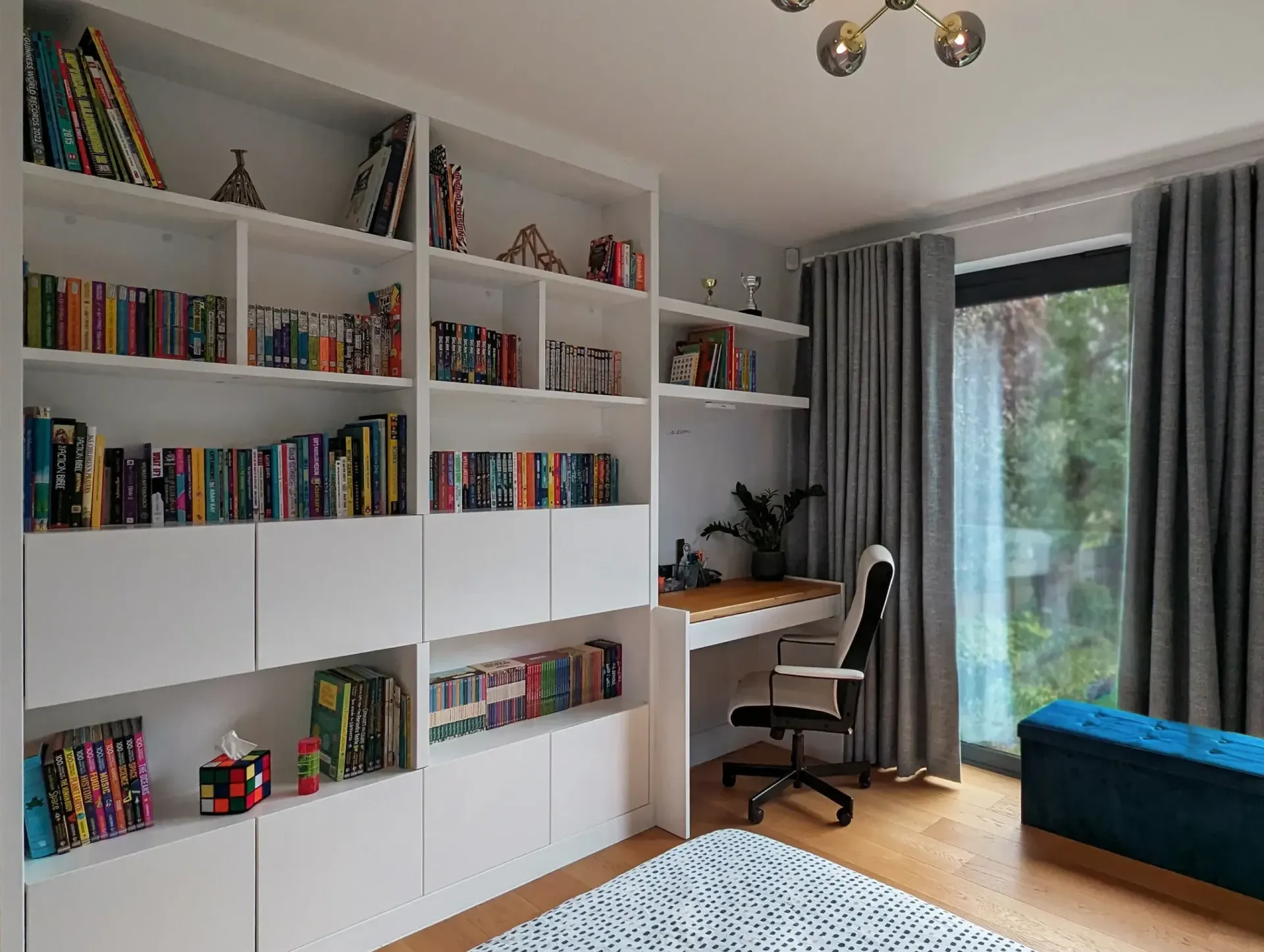
Bright home office with white bookshelves, desk, chair, window, curtains, and blue bench
August 30, 2026
Discover fitted home office storage for hybrid workers in London, with bespoke solutions that maximize space, organize essentials, and support productive work.
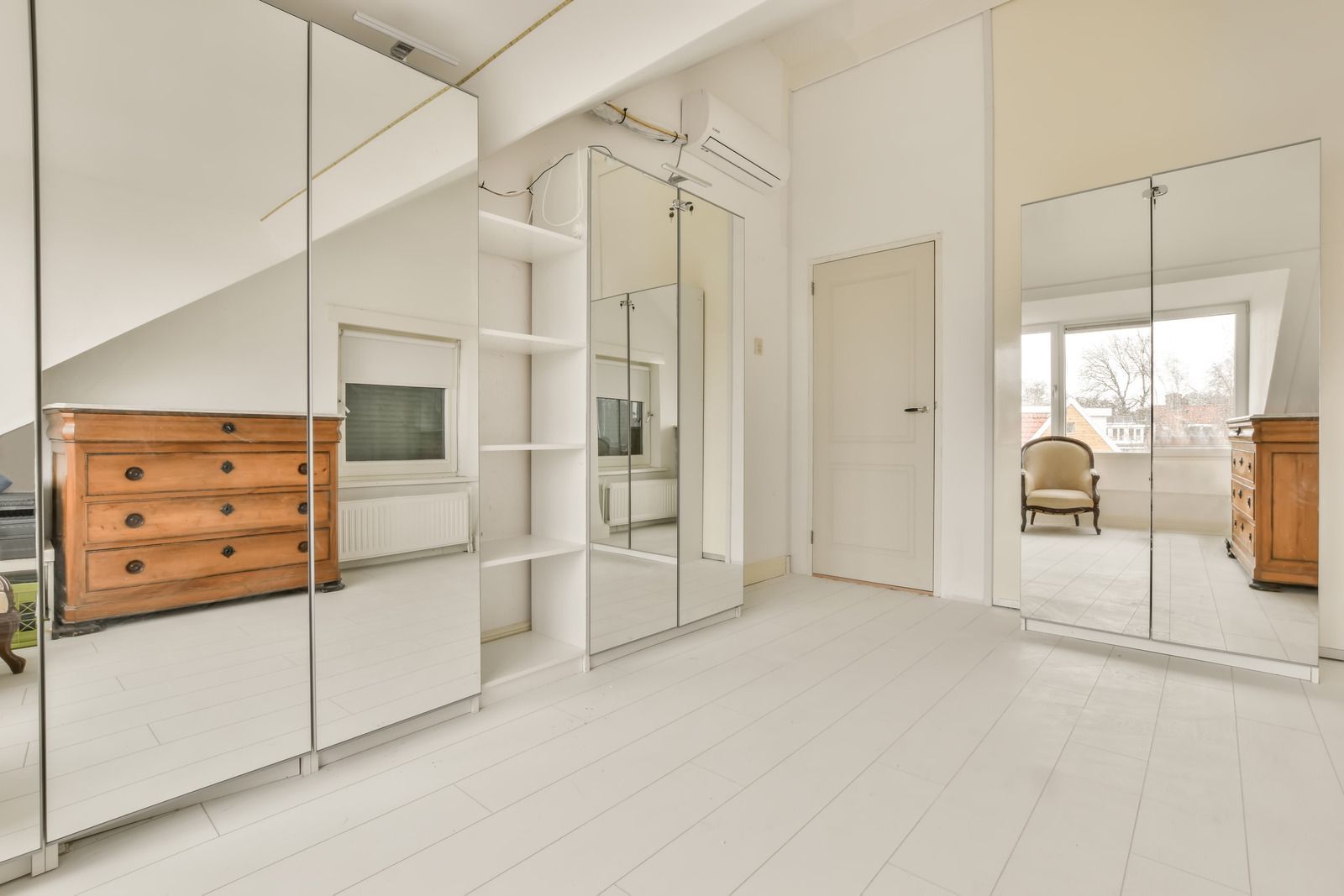
Bright white bedroom with mirrored closet doors, wooden dresser, and open doorway to a sunlit room
August 30, 2026
Compare spray-painted and hand-painted fitted wardrobes to understand differences in finish, durability, consistency, cost, and the best choice for your home.
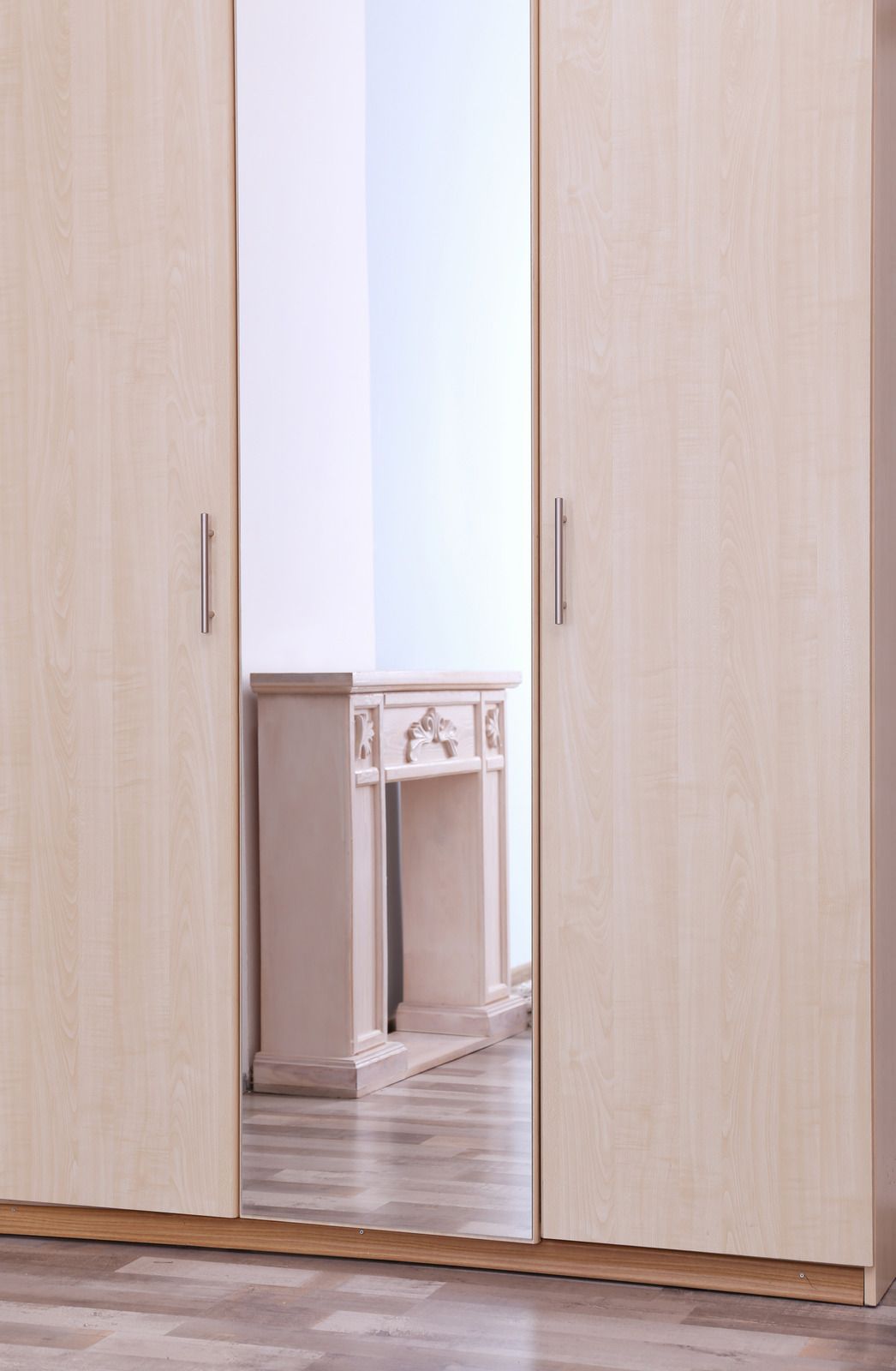
Light wood wardrobe with mirrored doors, reflecting a small desk in a bright room.
August 30, 2026
Explore the complete guide to fitted wardrobe handles and hardware, covering styles, finishes, functionality, durability, and tips for choosing the right options.
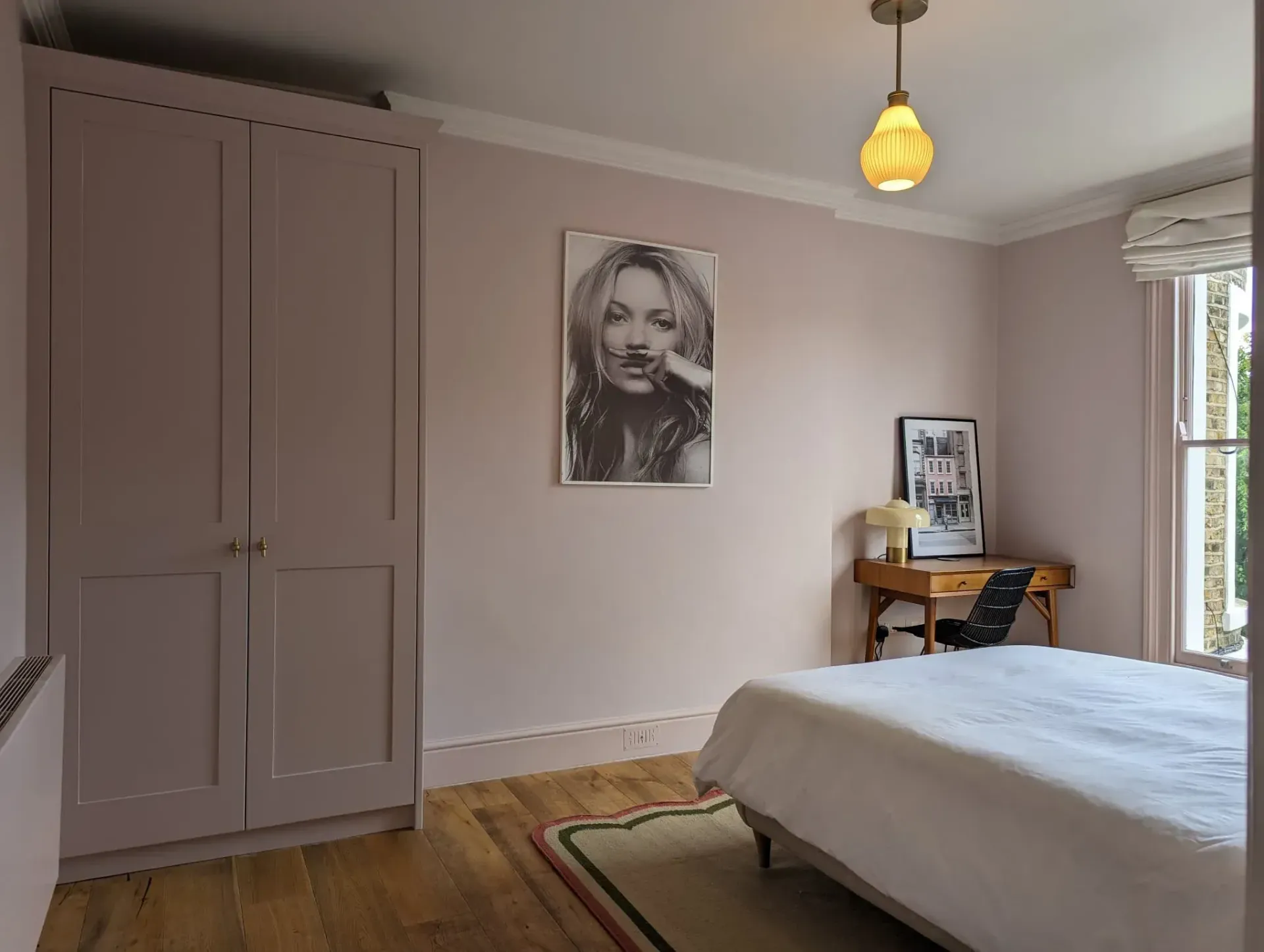
Bright bedroom with a bed, wardrobe, portrait on the wall, and a desk by the window.
August 30, 2026
Discover fitted wardrobes for Edwardian and Georgian London homes, combining period character with practical storage and bespoke designs that suit your space.
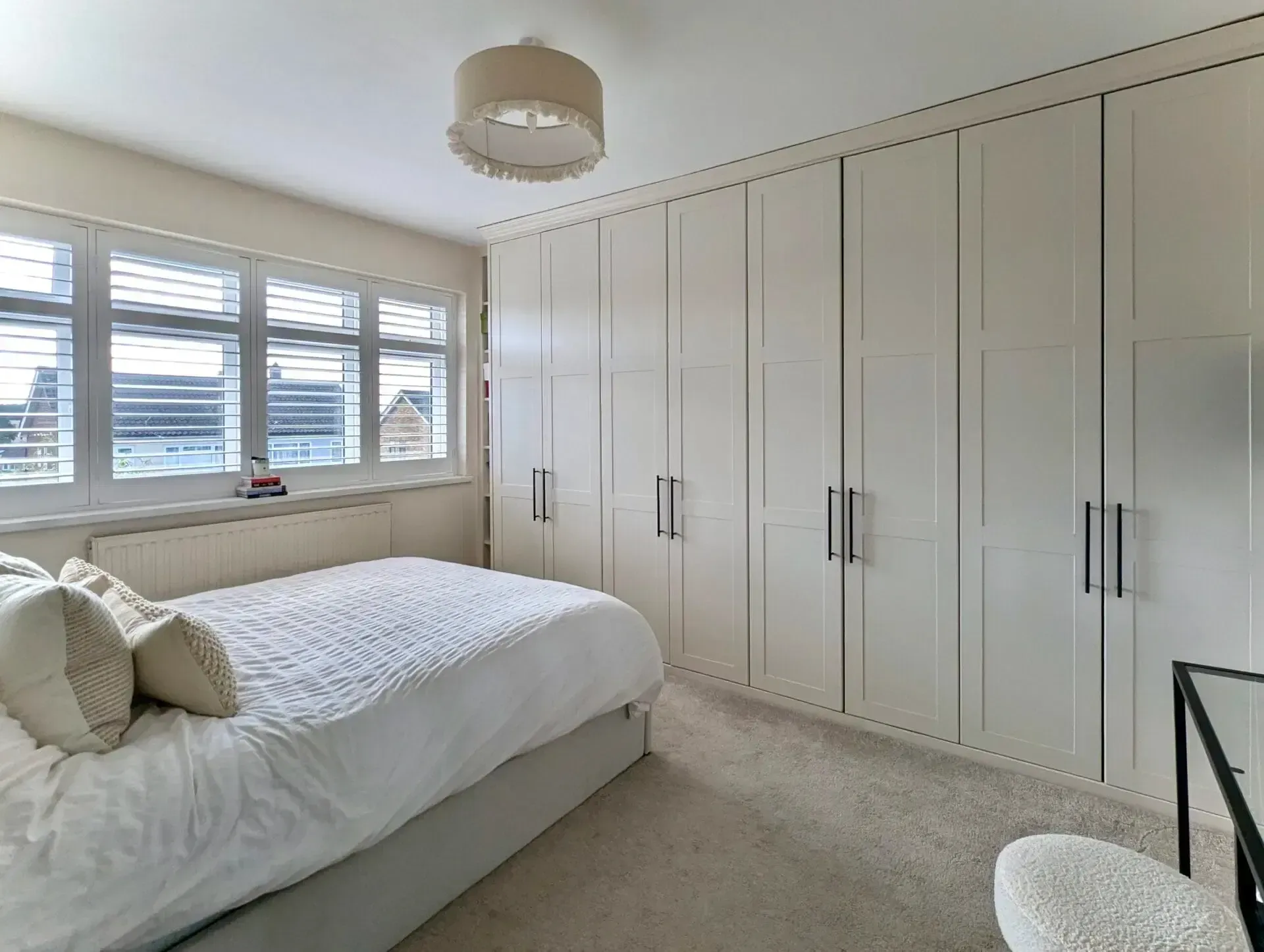
Bright bedroom with built-in wardrobes, white bed, and large window with blinds
August 30, 2026
Discover fitted wardrobes for small London bedrooms, with space-saving designs that maximize storage, improve organization, and make compact rooms feel larger.
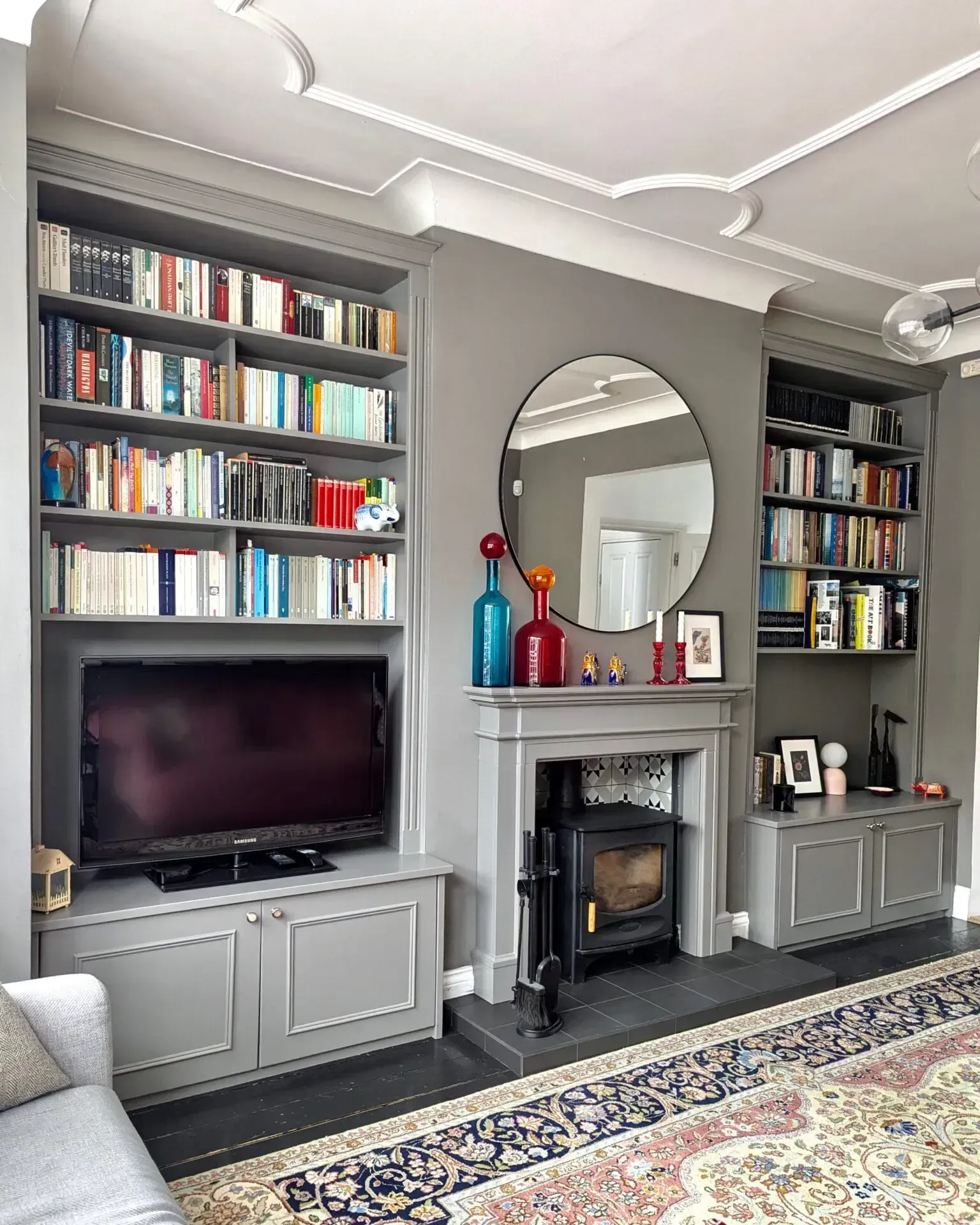
Gray living room with built-in bookshelves, fireplace, TV, mirror, and patterned rug
August 30, 2026
Explore entertainment units and media storage for London homes, with bespoke designs that organize devices, conceal cables, and complement your interior.
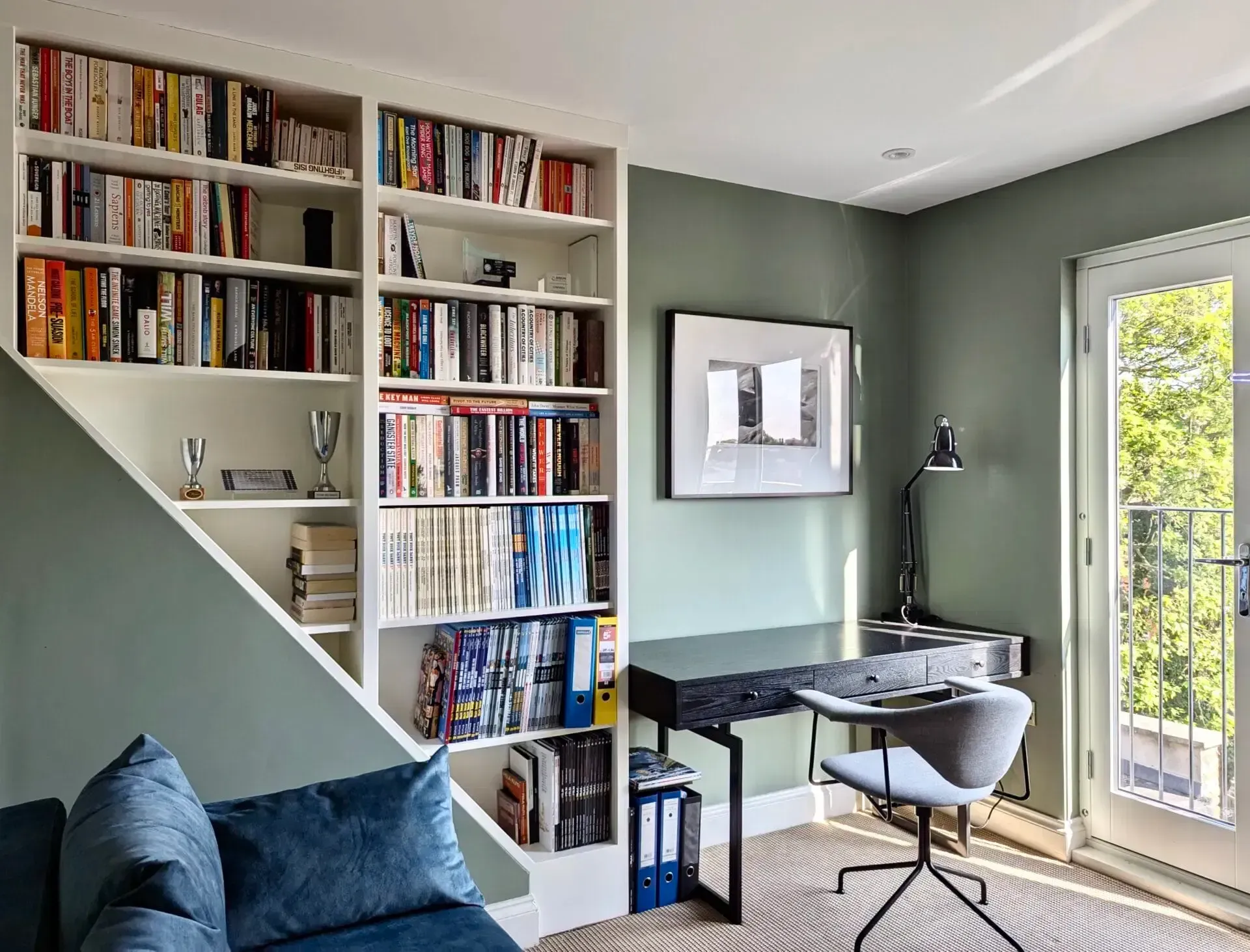
Modern home office with built-in bookshelf, desk, chair, and large window overlooking greenery
August 30, 2026
Explore bespoke bookcases and home libraries for London homes, with custom designs that maximize storage, complement your décor, and create a stylish space.
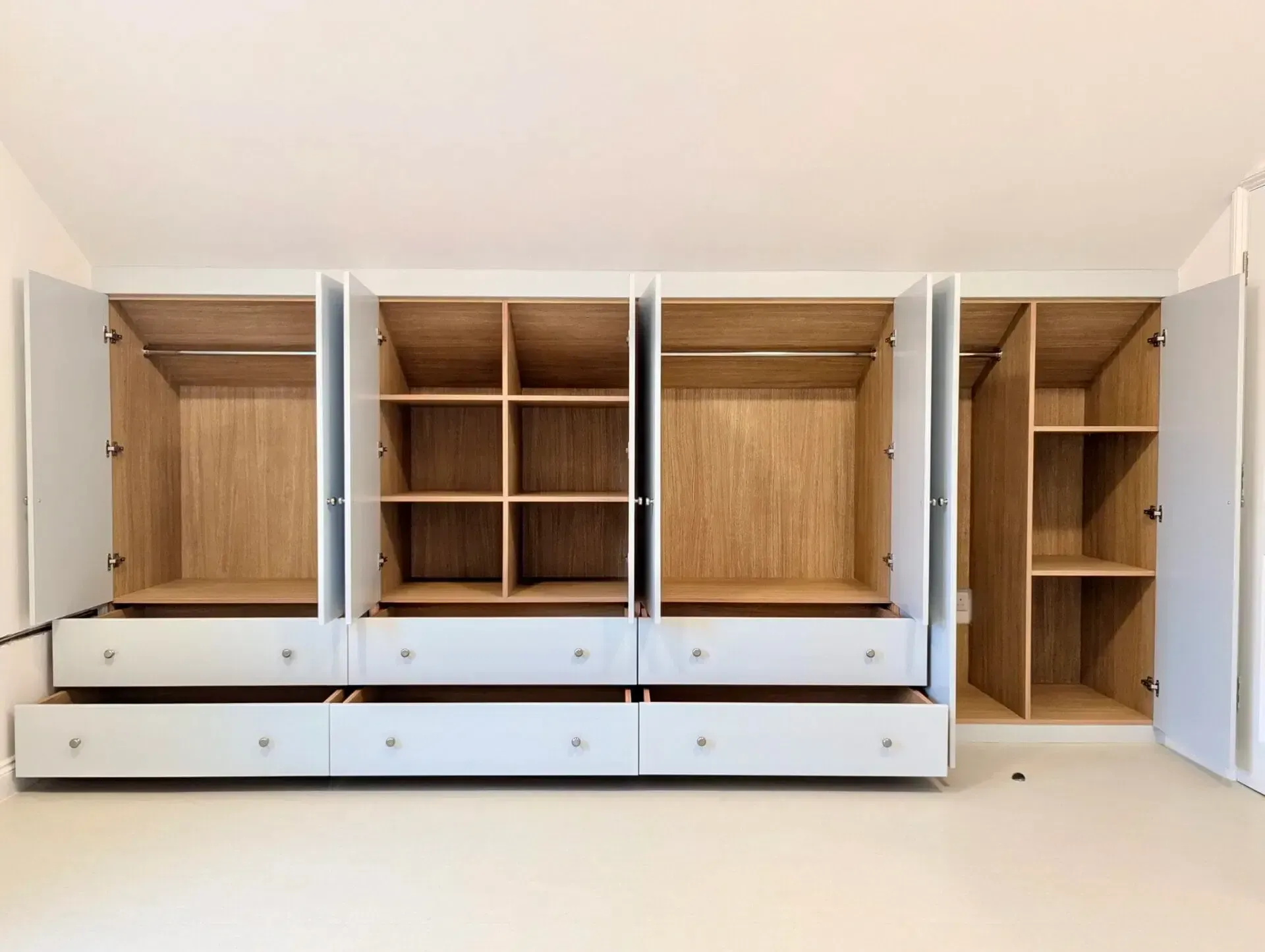
Open white wardrobe with empty wooden cabinets and drawers in a bright room
August 30, 2026
Learn how fitted wardrobe internal layouts should work, with smart storage, practical compartments, easy access, and designs tailored to your needs.
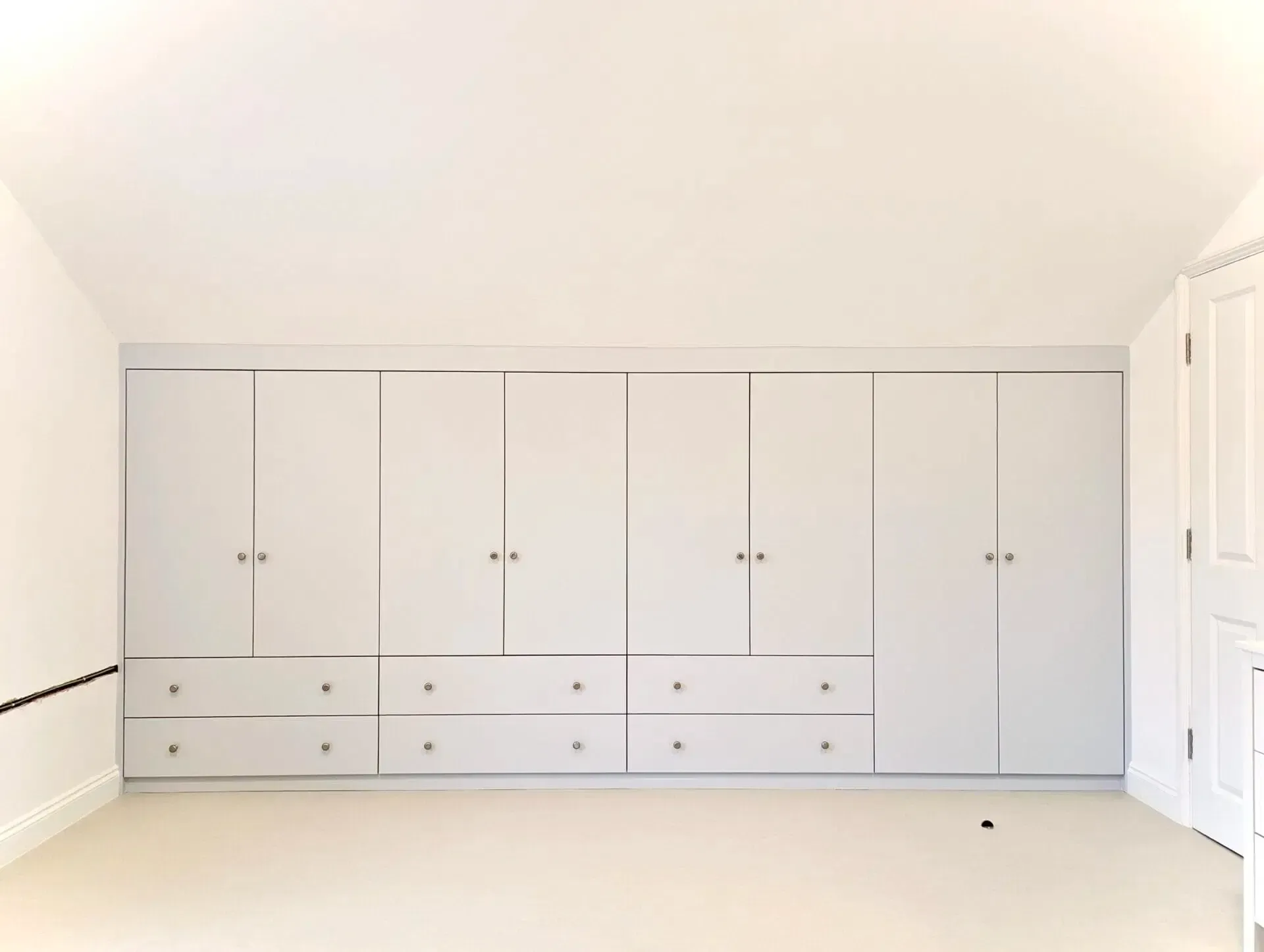
Built-in white bedroom wardrobe with drawers and cabinets against a sloped ceiling
August 30, 2026
Learn how to compare fitted wardrobe quotes in London by reviewing materials, design, installation, storage, warranties, and overall value.
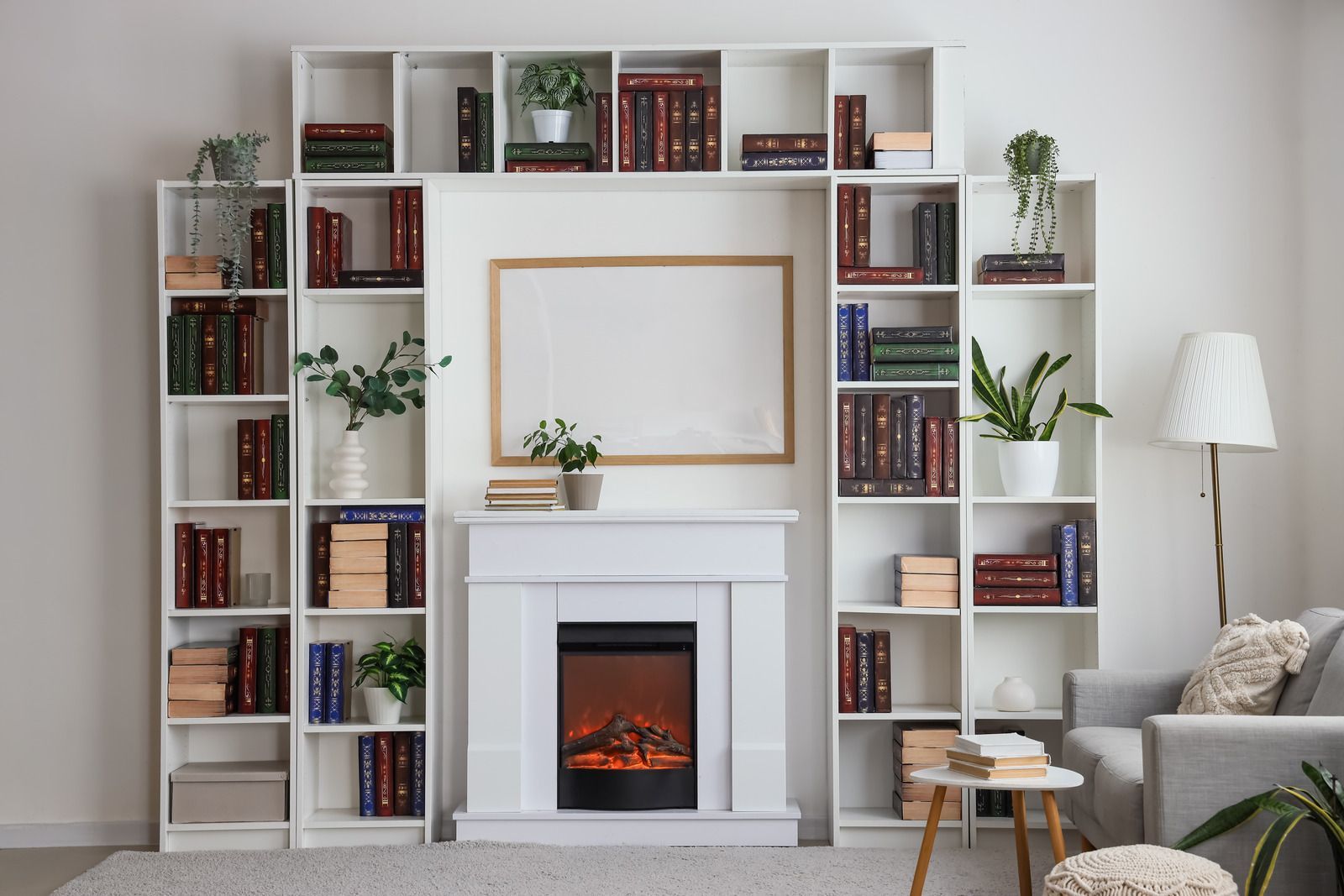
Living room with white built-in bookshelves, a fireplace, framed art, and a lamp beside a sofa.
August 4, 2026
Fulham and Hammersmith homes have specific storage problems — narrow terraces, chimney breast alcoves, conversion flats and loft rooms. Here's how fitted furniture solves each.
Show More