The Complete Guide to Fitted Wardrobe Handles and Hardware
Handles and hardware occupy a strange position in fitted wardrobe design. They're small components that most homeowners think about briefly at the end of the design process, yet they substantially affect both the appearance and the daily experience of using the finished furniture. The wrong handles can undermine an otherwise excellent design; the right handles can lift a wardrobe from good to memorable.
Beyond appearance, hardware determines how well the wardrobe actually functions. Cheap hinges sag after years of use. Budget drawer runners fail earlier than premium equivalents. Poor-quality soft-close mechanisms lose their function within a few years. The hardware you can barely see does more to determine the wardrobe's long-term performance than most of the visible design decisions.
This guide walks through the full range of handles, hinges, drawer mechanisms, and other hardware considerations for fitted wardrobes. The goal is to help you make informed decisions about components that will affect how your wardrobe looks and functions for the decades you'll live with it.
Handle Styles: Understanding Your Options
Handle choice affects both the visual character of the wardrobe and the daily experience of opening doors and drawers.
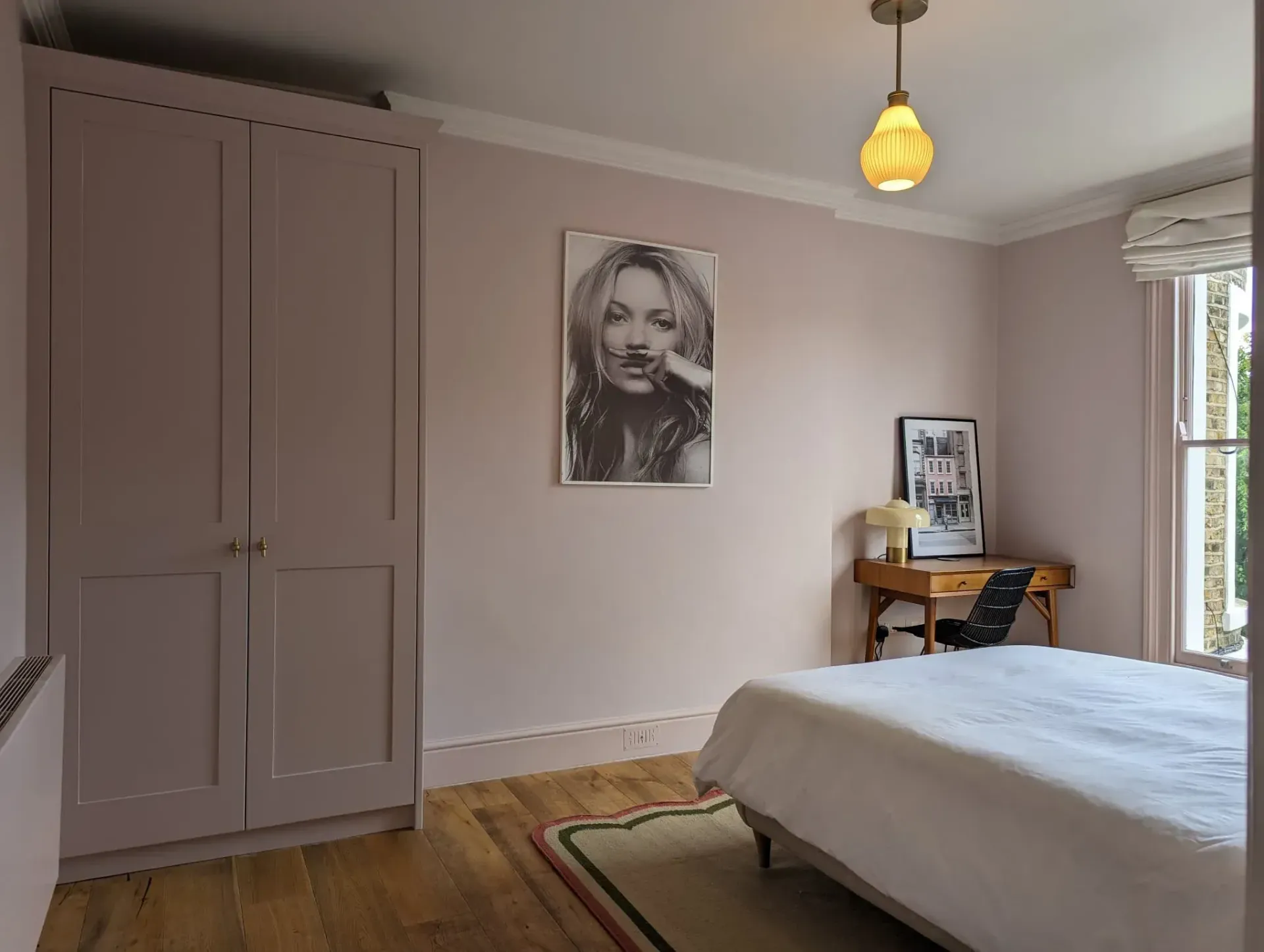
Cup handles are traditional pulls with a curved recessed grip, typically installed on drawers rather than doors. They suit period property aesthetics and work particularly well in Shaker-style designs. Popular finishes include antique brass, aged bronze, and polished nickel.
D-shaped handles are simple horizontal or vertical pulls forming a D or half-loop shape. They're versatile enough to work in both contemporary and traditional designs, with the specific style depending on proportions and finish.
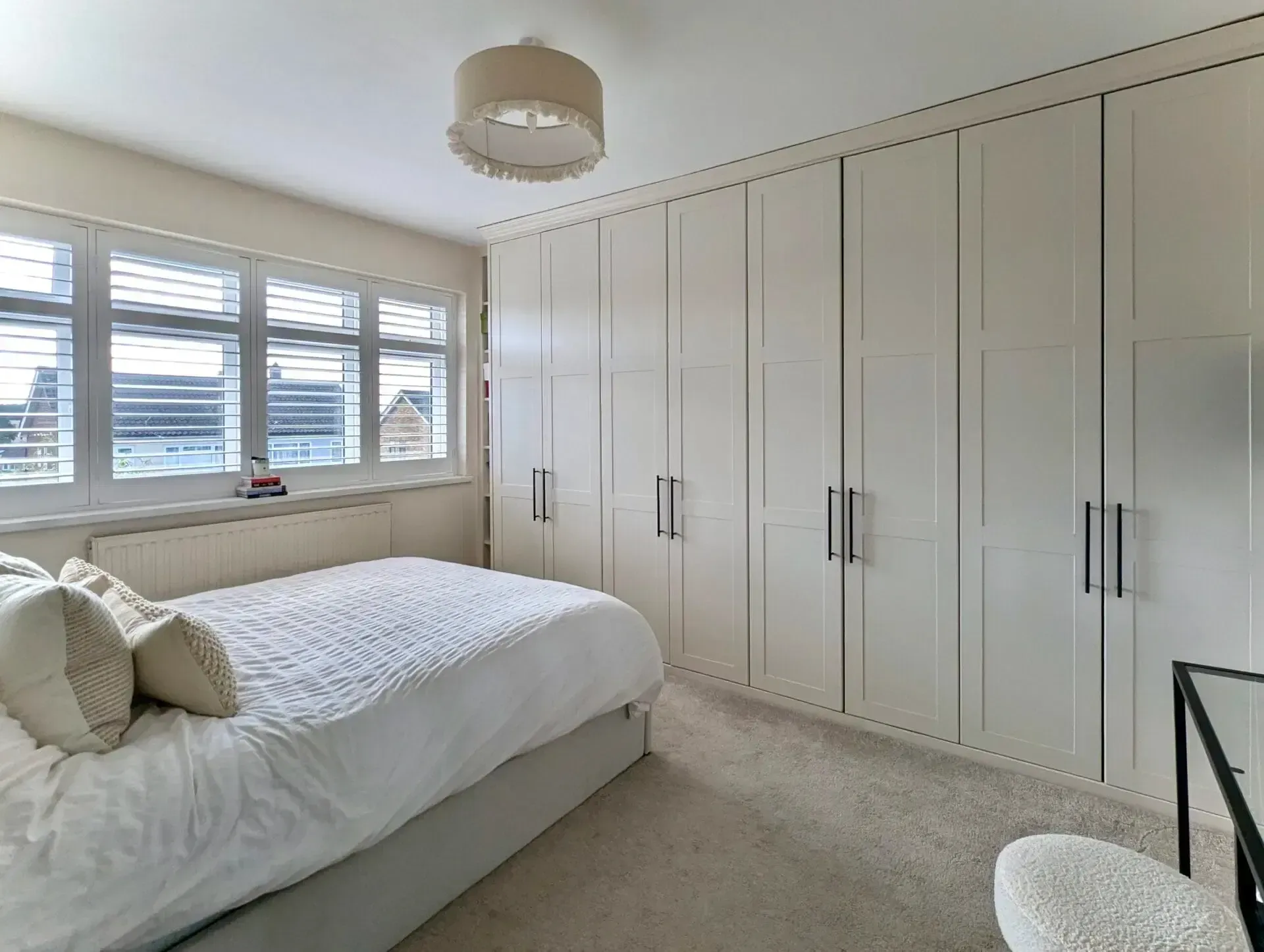
Bar handles are extended horizontal or vertical rods, typically longer than D-handles. They produce a strong linear design element and work particularly well in contemporary and modern wardrobe designs.
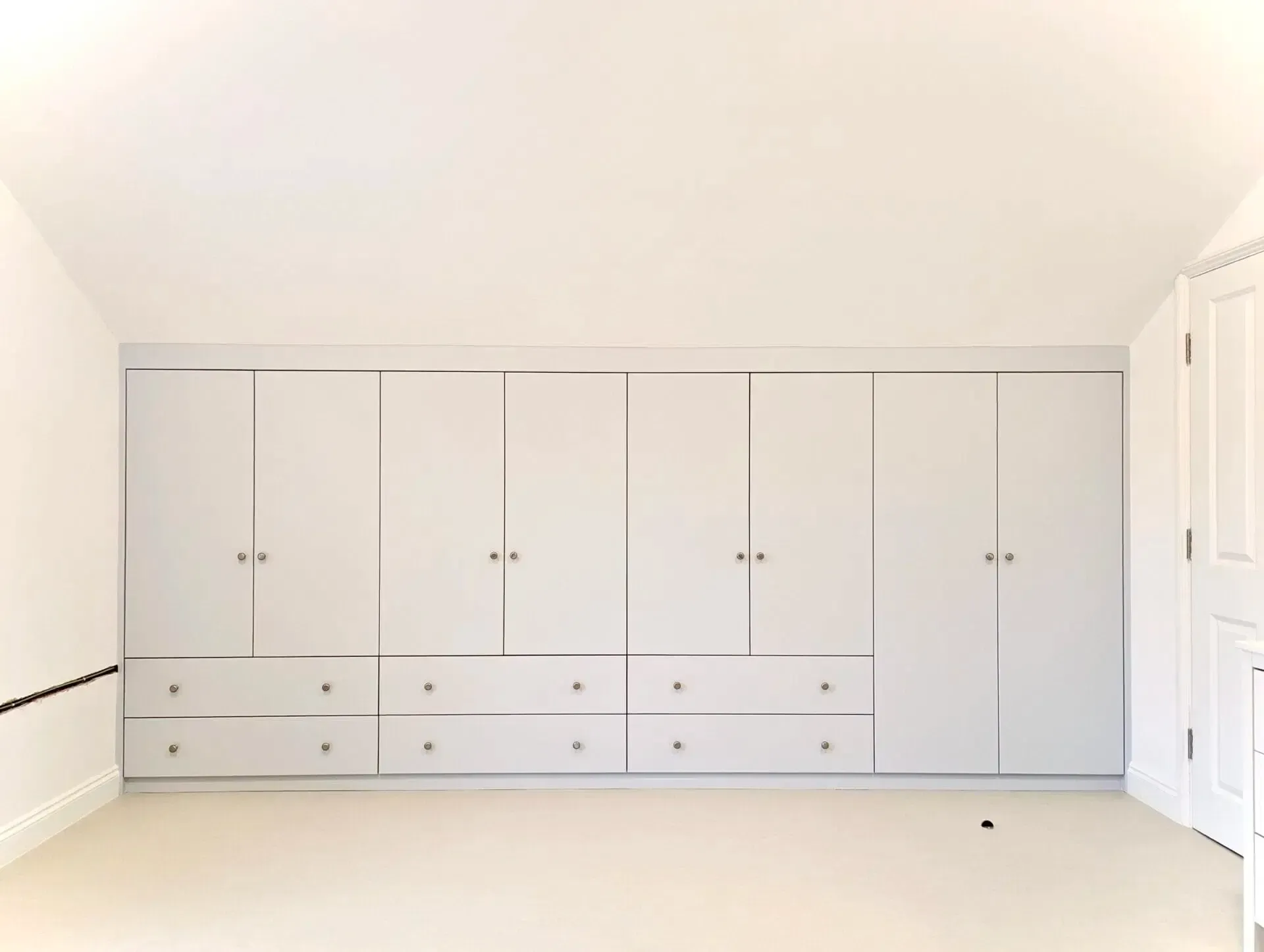
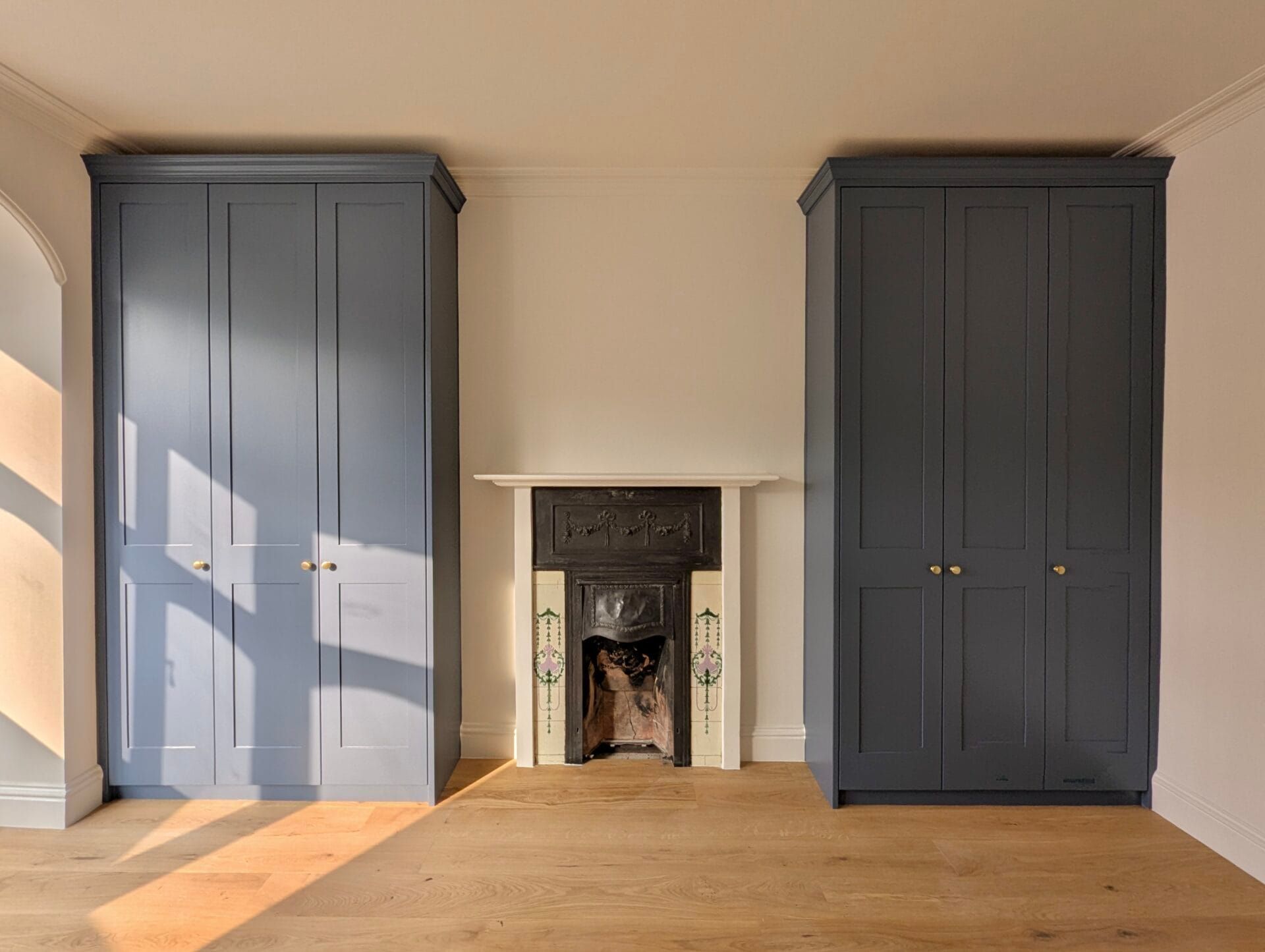
Knob handles are simple round or shaped protrusions used primarily on doors rather than drawers. They suit traditional and period-appropriate designs and can be manufactured in wood, ceramic, metal, or glass.
Recessed pulls are integrated into the door surface itself rather than protruding. They produce the cleanest visual result and work particularly well in modern minimalist designs where handles would otherwise disrupt clean surfaces.
Push-to-open mechanisms eliminate visible handles entirely by allowing doors and drawers to open when pressed. These produce the ultimate clean-surface aesthetic but require the mechanisms to remain functional for the life of the installation.
Finger pulls are subtle grooves cut into the top or side edges of doors and drawers, allowing them to be opened without visible hardware. Like push-to-open mechanisms, these produce very clean visual results.
Statement handles — oversized, sculptural, or artistically distinctive designs — can transform a wardrobe from functional storage into a design feature. These work well when the wider design supports them but can feel overwhelming if the rest of the room is understated.
Handle Materials and Finishes
Beyond shape, the material and finish of handles substantially affects both appearance and durability.
Brass in its various finishes — polished, satin, antique, aged — remains one of the most popular handle materials. Brass ages beautifully, developing a natural patina over years of use. Different brass finishes suit different design contexts: polished brass for formal or contemporary schemes, aged brass for period-appropriate installations.
Bronze finishes range from bright polished bronze through to darker aged bronze and oil-rubbed bronze. Bronze suits warmer interior colour palettes particularly well and works beautifully with warm timber tones.
Brushed steel and stainless steel produce cooler contemporary aesthetics. Brushed finishes hide fingerprints better than polished equivalents and work well in modern kitchen-style bedroom designs.
Chrome produces the brightest, most reflective finish. Chrome suits contemporary and modern designs but can feel dated in period properties or traditional interiors.
Matte black has become increasingly popular in contemporary designs. Black hardware creates strong visual contrast against light wardrobe finishes and produces striking modern aesthetics.
Nickel in polished or satin finishes offers a slightly warmer alternative to chrome, suitable for both contemporary and transitional designs.
Wood knobs and handles in matching or contrasting timbers work particularly well in traditional and period-appropriate designs. These can be turned from the same wood as the wardrobe or from contrasting species for visual interest.
Ceramic and porcelain knobs suit certain traditional aesthetics, particularly in more feminine or country-style designs. Available in painted, decorated, or plain finishes.
Leather-wrapped handles offer distinctive tactile and visual qualities. Available in various leather colours and finishes, these produce warm, luxurious effects particularly suited to walk-in wardrobes and dressing rooms.
Hinges: The Hardware You Never See But Always Notice
Hinge quality affects how doors hang, how smoothly they operate, and how long they continue to function properly. This is one area where budget hardware produces problems that appear years after installation.
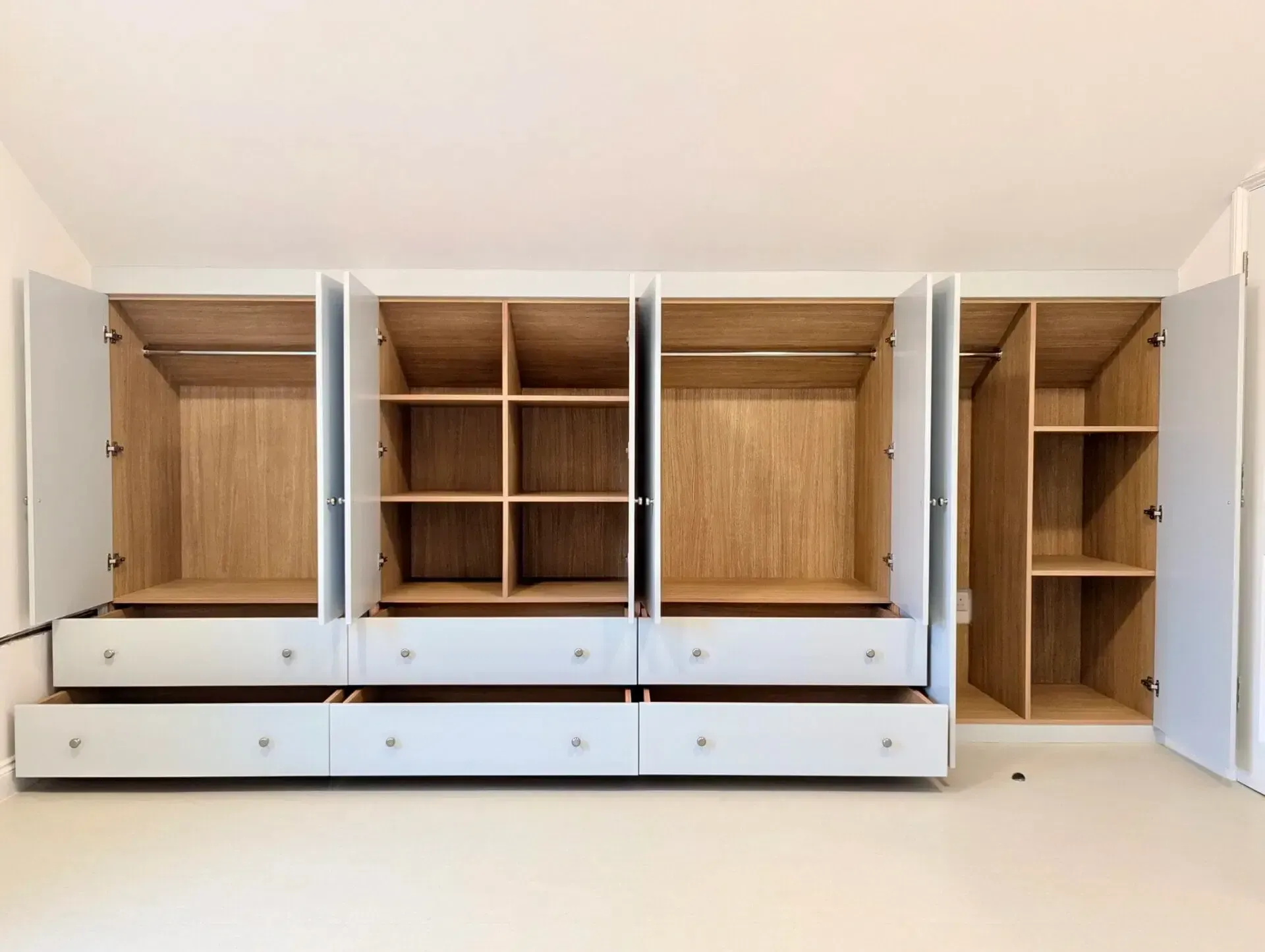
Concealed hinges (also called European hinges or cup hinges) are the standard for modern fitted wardrobes. They're invisible when doors are closed, allow doors to open at 100 to 165 degrees depending on the specific hinge, and include adjustment mechanisms that allow doors to be re-aligned as walls settle or components move over years of use.
Weight rating is the specification most homeowners overlook. Hinges are rated for specific door weights, and choosing hinges rated below the actual door weight causes sagging and failure over time. Heavier doors — such as those with mirror inserts, thick timber panels, or larger dimensions — require heavier-duty hinges.
Number of hinges per door depends on the door height and weight. Standard fitted wardrobe doors typically use three hinges. Taller or heavier doors may require four or more hinges to maintain proper alignment over time.
Soft-close hinges include damping mechanisms that prevent doors from slamming. The mechanisms use hydraulic or spring-and-friction damping to slow the final portion of door closure. Quality varies substantially between manufacturers, with premium brands producing mechanisms that maintain function for decades and budget alternatives failing within a few years.
Push-to-open hinges work with cabinet doors that lack handles, using a magnetic or spring mechanism to open the door when it's pushed. These require reliable long-term operation to remain functional as the wardrobe ages.
Established hinge manufacturers such as Blum, Hafele, Grass, and Salice produce hinges that maintain function for the life of the installation. Generic or unbranded hinges often look identical when new but fail earlier. Specifying named hinge brands protects long-term wardrobe performance.
Drawer Runners: The Hardware That Determines Daily Experience
Drawer runners determine how drawers open, how much weight they carry, and how they feel to use every day. This is another area where the difference between budget and premium hardware is substantial.
Full-extension runners allow drawers to extend fully out of the wardrobe, making all contents visible and accessible. These are the standard for well-designed fitted wardrobes.
Three-quarter extension runners allow drawers to extend most of the way but not fully, leaving the rear section less accessible. These are budget alternatives that produce daily frustration in use.
Weight capacity varies from 15kg to 60kg or more depending on the runner specification. Wardrobe drawers holding folded clothing rarely exceed 15kg, but drawers holding heavier items — jeans, boots, tools, books — need appropriately rated runners.
Soft-close mechanisms on drawer runners prevent slamming and extend the life of both the drawer and the wardrobe frame. As with soft-close hinges, quality varies substantially between manufacturers.
Push-to-open drawer runners allow drawers to open when pushed inward, eliminating the need for visible handles. These require reliable long-term function to remain useful.
Undermount runners are installed below the drawer sides rather than beside them, making the runners invisible when the drawer is open. This produces cleaner visual results and allows slightly greater drawer width for the same overall wardrobe dimensions.
Side-mount runners are visible on the drawer sides when the drawer is open. These are typically less expensive than undermount alternatives but produce less refined visual results.
Premium brand runners from manufacturers like Blum, Hafele, Grass, and Accuride maintain smooth operation for decades of use. Budget runners often develop rough operation, sticking, or complete failure within years.
Soft-Close and Push-to-Open Mechanisms
These technologies transform how fitted wardrobes function day-to-day but require quality specification to remain functional.
Soft-close door hinges eliminate the noise and impact of doors closing hard. Well-specified soft-close mechanisms operate smoothly for decades. Budget mechanisms fail within a few years, typically leaving the door either not closing properly or slamming despite the soft-close claim.
Soft-close drawer runners provide the same benefit for drawers. Full-quality drawer soft-close mechanisms produce a satisfying smooth close every time. Budget alternatives can develop irregular operation or fail entirely.
Push-to-open door mechanisms allow doors to open when pressed against them. These require both the door mechanism itself and the surrounding installation to remain properly aligned. Misalignment over time causes push-to-open mechanisms to stop functioning, at which point the doors become difficult to open without their intended handles.
Push-to-open drawer runners provide similar function for drawers. As with door mechanisms, ongoing alignment is critical for continued function.
Reliable brand specifications matter more for these mechanical components than for almost any other hardware element. This is not an area to specify budget alternatives.
Interior Hardware and Fittings
Beyond the visible handles and hidden hinges, fitted wardrobes include various interior hardware that affects daily use.
Hanging rails should be selected for both appearance and load capacity. Chrome, brushed steel, and brass rails all suit different aesthetic contexts. Load capacity matters — a fully loaded hanging rail holds substantial weight, and undersized rails sag over time.
Rail brackets and end supports vary in style from purely functional to decorative. In wardrobes where the interior is visible when doors are open, bracket style contributes to the overall aesthetic.
Pull-out accessory systems — belt racks, tie racks, trouser hangers, valet rods — should be specified from quality manufacturers. Blum, Hafele, and Peka all produce excellent accessory systems designed for long life.
Shoe racks and shoe storage systems should match the specific shoe collection being stored. Angled shoe racks, pull-out shoe drawers, and vertical shoe storage all have their applications.
Internal lighting hardware including LED strips, motion sensors, and transformers should be specified from reliable manufacturers. Cheap LED systems fail or discolour within years; quality systems last for decades.
Adjustable shelf supports allow shelves to be repositioned as needs change. Simple pin supports work for most applications; premium wardrobes may specify concealed or decorative alternatives.
Coordinating Hardware with Wider Design
Hardware choices should complement rather than fight against the wider wardrobe design and the room it occupies.
Match the era of the property where appropriate. Victorian and Edwardian properties suit traditional hardware — cup handles, aged brass, oil-rubbed bronze. Georgian properties suit refined classical hardware. Contemporary apartments accommodate modern hardware styles including matte black, brushed steel, and minimalist recessed pulls.
Coordinate with other fitted furniture in the same room and elsewhere in the home. Matching or complementing the hardware between bedroom wardrobes, alcove units, and bathroom fittings creates visual continuity across the property.
Consider adjacent room hardware. In open-plan apartments where multiple fitted furniture pieces are visible together, hardware coordination matters more than in closed-off traditional rooms.
Match hardware to other room details including light fittings, curtain hardware, door furniture, and any decorative elements. Rooms feel more considered when these details harmonise.
Balance visual weight. Heavy, dark hardware can dominate visually. Delicate, refined hardware can disappear. The right balance depends on how prominent you want the hardware to be within the wider composition.
Budget Allocation for Hardware
Hardware typically represents somewhere between 5% and 15% of total fitted wardrobe project cost, depending on specification choices. Understanding where to allocate this budget produces better long-term results than treating all hardware as equally important.
Prioritise hinges and drawer runners. These mechanical components are used every day and their failure creates ongoing frustration. Specifying quality here pays back in daily satisfaction and long-term reliability.
Handles can accommodate wider budget flexibility. Beautiful handles from budget manufacturers can look excellent if the design is right. Premium handles that suit the design better than budget alternatives are worth the premium.
Interior lighting quality matters more than lighting appearance. LED strips are largely invisible in use; what matters is that they continue to function and produce consistent light for years.
Interior accessory systems should be specified for actual use. Pull-out belt racks, trouser hangers, and similar accessories should be quality-specified where they'll be used daily, but standard specifications work fine for occasional-use items.
What Humphries Cabinets Offers
We specify quality hardware across all our fitted furniture projects, including named-brand hinges, drawer runners, and mechanisms designed for decades of reliable operation. Our services include:
- Bedrooms — fitted wardrobes with quality hardware specification throughout
- Living Room — alcove units and entertainment cabinetry with appropriate hardware for each application
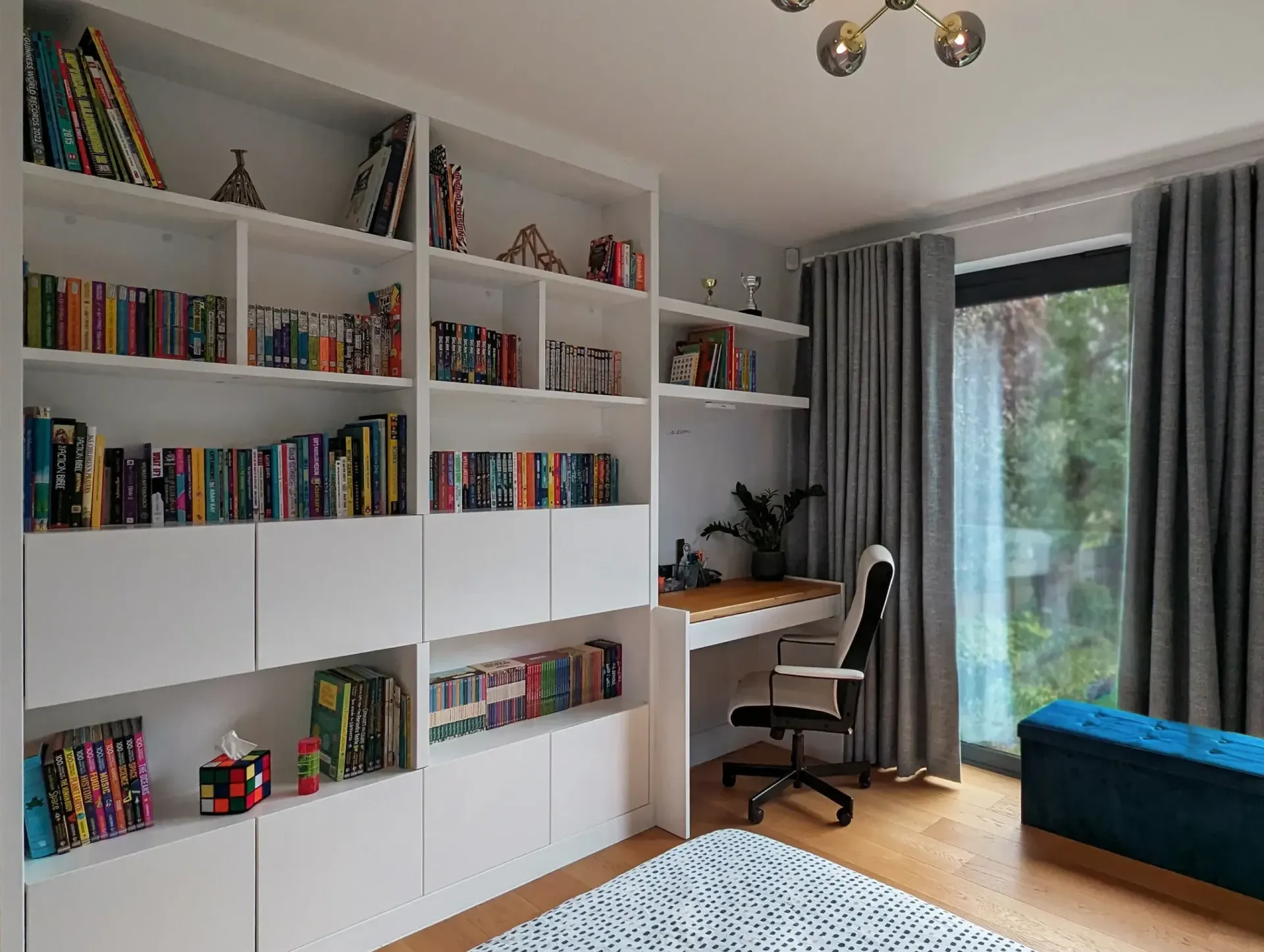
- Home Libraries — bookcases with structural hardware appropriate to actual book loads
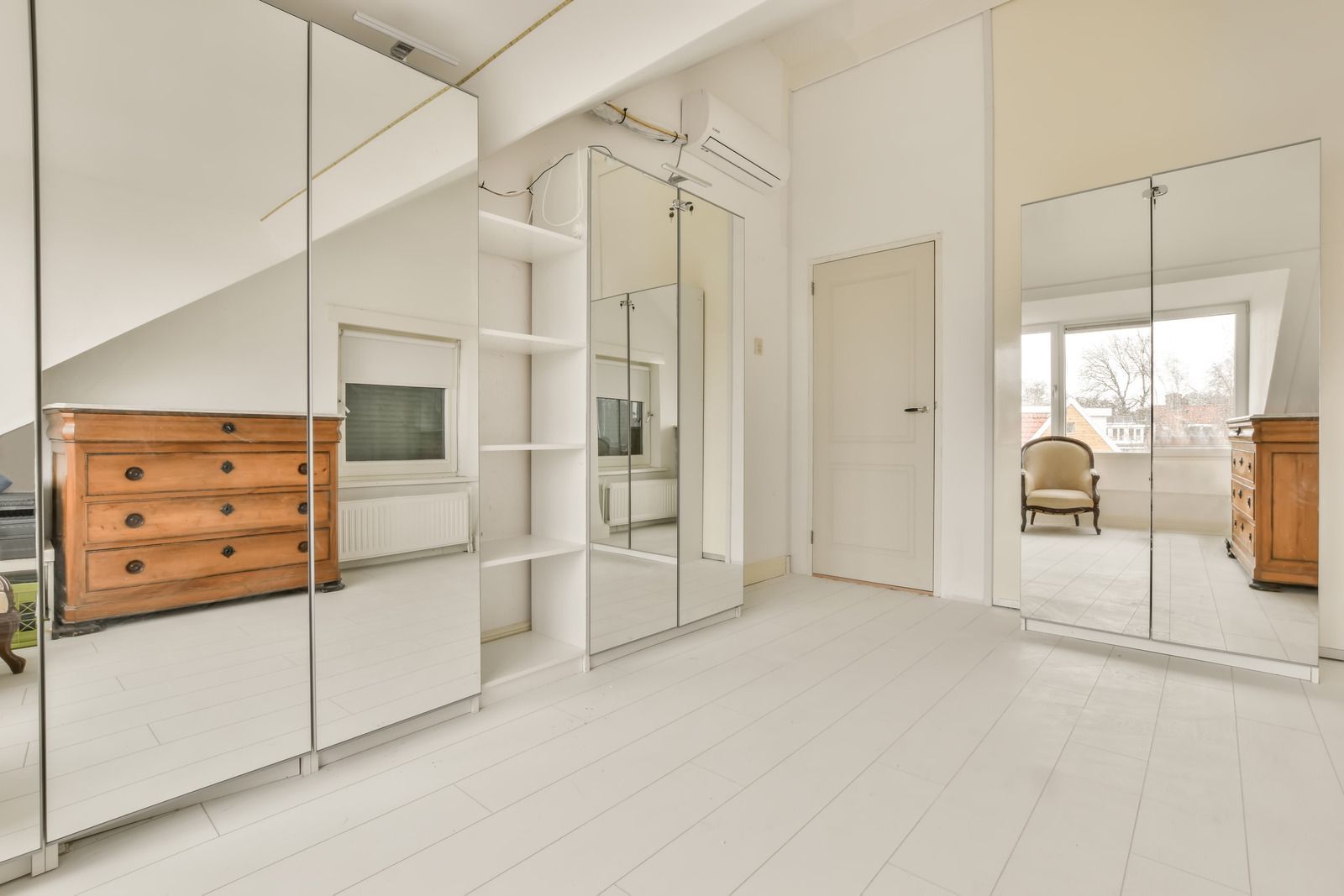
- Lofts — loft installations with hardware selected for sloped-ceiling applications
- Hallways — hallway storage with hardware appropriate to high-use entryway environments
- Office Desks — built-in workspaces with hardware selected for office applications
Every design consultation includes discussion of handle styles, finishes, and hardware specifications appropriate to your specific project. Sample handles can be provided for tactile assessment before final selection.
Why Choose Humphries Cabinets
At Humphries Cabinets, we treat hardware specification as an important part of the design process rather than as a final afterthought. Our specifications use named quality brands for mechanical components, appropriate handle selections for the design context, and considered coordination between all the hardware elements in a project. The result is fitted furniture that both looks good on the day of installation and continues to function well through decades of daily use.
If you're planning a fitted wardrobe project and want proper attention to hardware specification,
contact us today to arrange your free consultation.
Recent Posts