Media Units & TV Wall Storage Solutions: Combining Design with Functionality

April 1, 2026

Share this article

In modern living rooms, the television often serves as the focal point. Whether used for entertainment, relaxation, or social gatherings, the area surrounding the TV plays a central role in both functionality and design.


However, without proper planning, media areas can quickly become cluttered with cables, devices, and accessories. Freestanding units often lack the capacity or integration needed to maintain a clean and cohesive look.


Bespoke media units and TV wall storage solutions offer a refined alternative. By tailoring every element to your space, custom cabinetry allows you to combine practicality with sophisticated design—creating a seamless, organised living area.


This guide explores how bespoke media units can transform your living room while enhancing both usability and aesthetics.

The Importance of a Well-Designed Media Area

A poorly designed media setup can disrupt the overall flow of a room.


Common issues include:


  • Visible cables and wiring.
  • Limited storage for devices.
  • Bulky furniture that dominates the space.
  • Lack of cohesion with the rest of the interior.


Bespoke media units address these challenges by integrating storage, technology, and design into a single, unified solution.

Built-In TV Units for a Seamless Finish

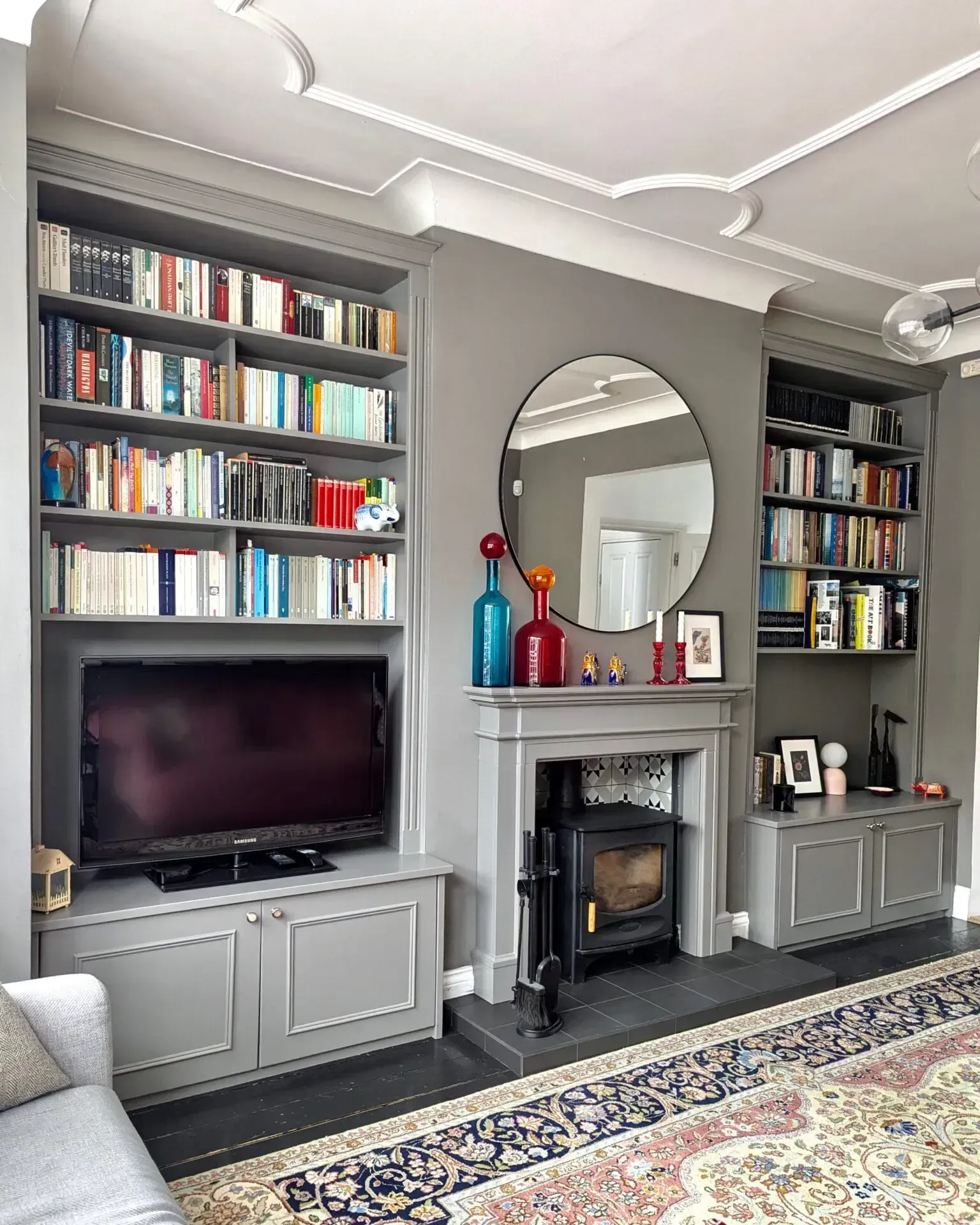
Custom-built TV units are designed to fit perfectly within your living space.


They can be tailored to:


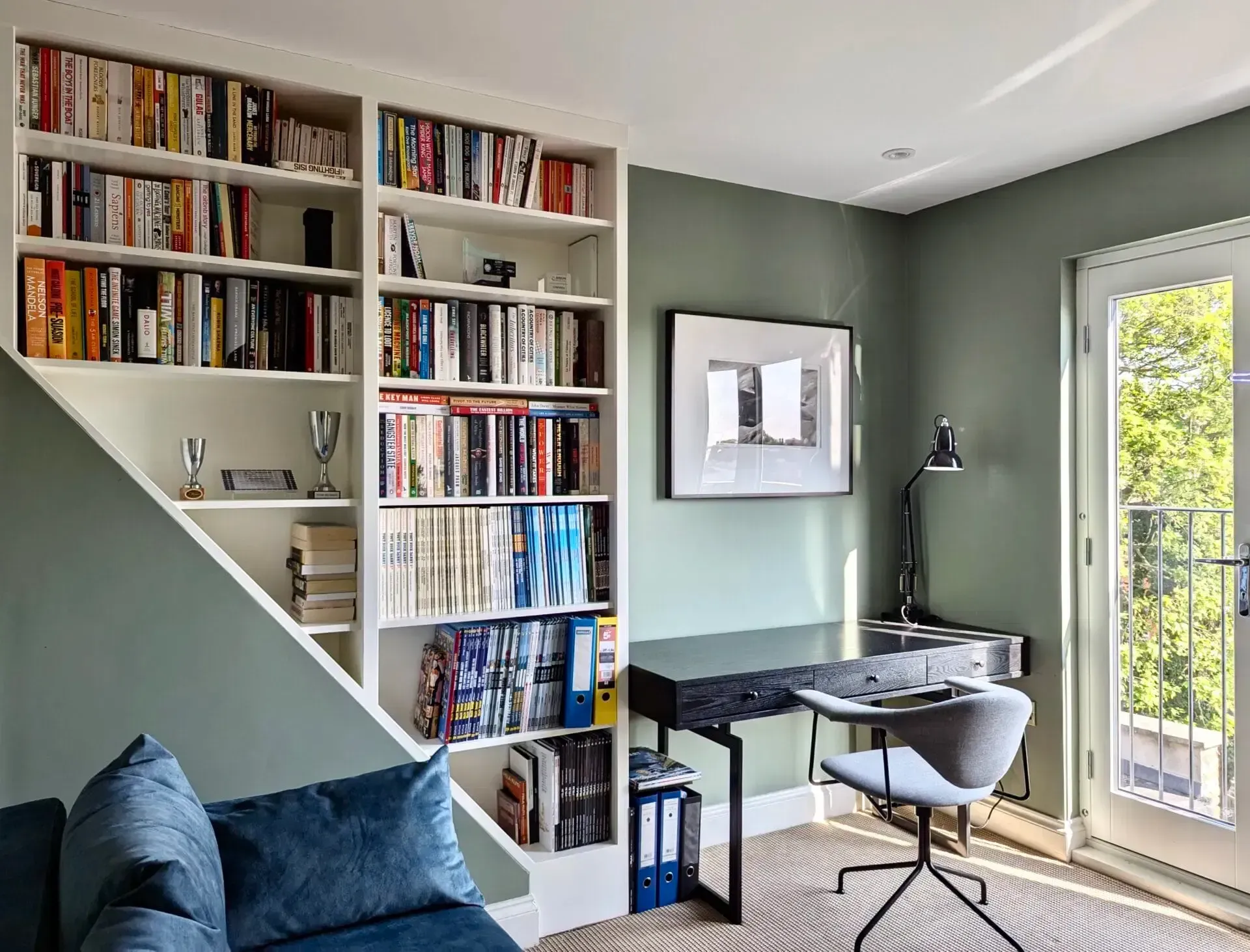
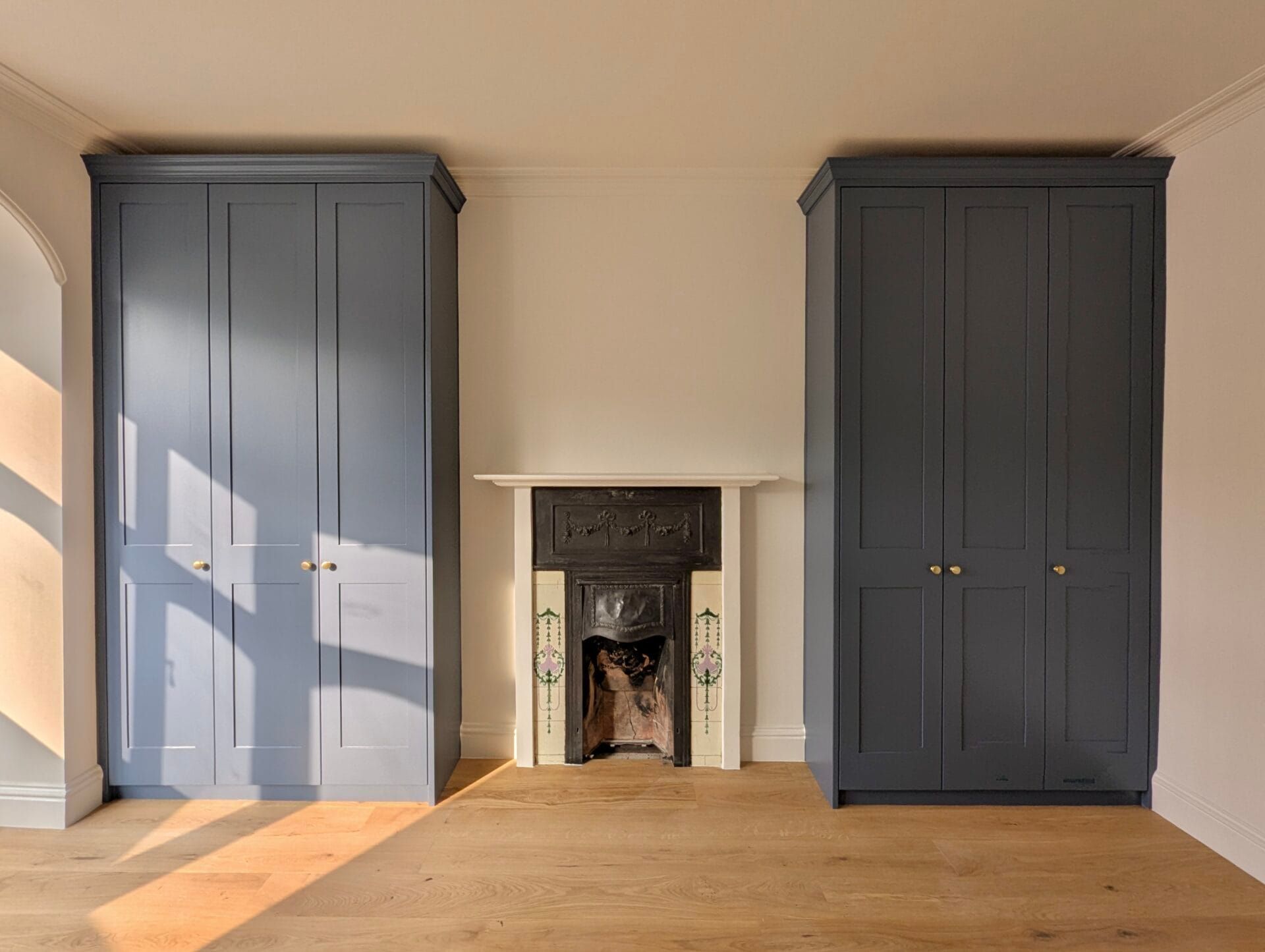
  • Fit wall-to-wall or within alcoves.
  • Align with ceiling heights and architectural features.
  • Integrate seamlessly with surrounding cabinetry.


This creates a clean, built-in appearance that enhances the overall design of the room.

Concealed Cable Management

One of the most significant advantages of bespoke media units is the ability to hide cables and wiring.


Integrated solutions include:


  • Hidden cable channels.
  • Built-in power sockets.
  • Concealed compartments for routers and devices.
  • Ventilation for electronic equipment.


By planning cable management from the outset, the entire setup remains neat and visually uncluttered.

Storage for Media Devices and Accessories

Modern entertainment systems often include multiple devices, such as:


  • Streaming boxes.
  • Gaming consoles.
  • Sound systems.
  • DVD or Blu-ray players.


Bespoke cabinetry provides dedicated storage for each element, ensuring everything is organised and easily accessible.


Features may include:


  • Adjustable shelving.
  • Pull-out trays.
  • Soft-close drawers.


This tailored approach improves both functionality and convenience.

Balancing Open and Closed Storage

A successful media unit combines both display and concealment.


Open shelving can be used for:


  • Decorative items.
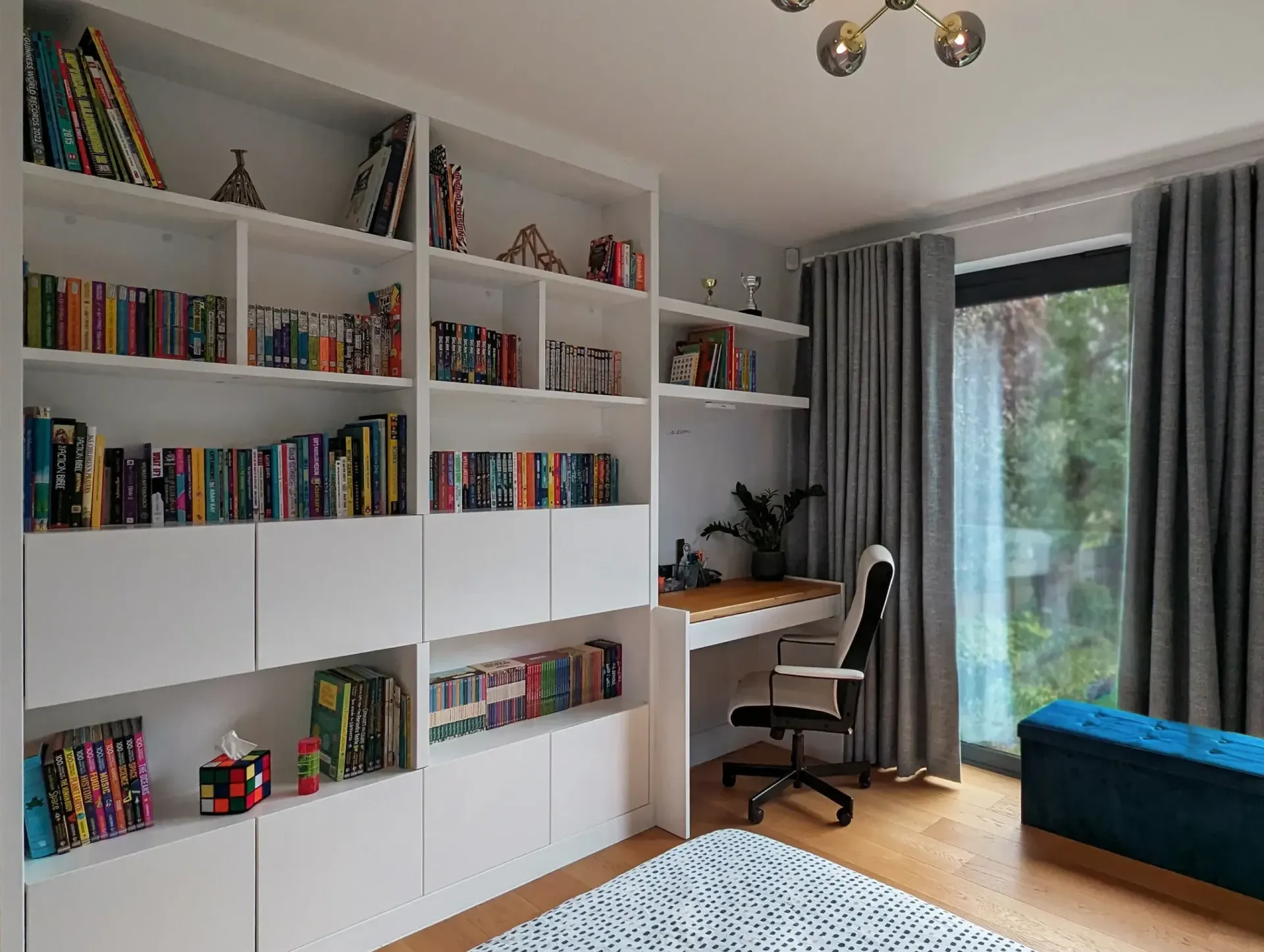
  • Books and accessories.
  • Frequently used devices.


Closed cabinets help hide:


  • Cables and electronics.
  • Everyday clutter.
  • Less visually appealing items.


This balance creates a clean, curated look while maintaining practicality.

Creating a Feature Wall

Bespoke media units can form the centrepiece of a living room.


A feature wall may include:


  • Integrated TV space.
  • Surrounding shelving.
  • Symmetrical cabinetry.
  • Accent lighting.


This approach adds visual impact while providing functional storage.

Floating Units for a Modern Look

Floating media units are a popular choice for contemporary interiors.


They:


  • Create a sense of openness.
  • Allow floor space to remain visible.
  • Provide a sleek, minimalist appearance.


Wall-mounted cabinets can be combined with shelving above or alongside the TV for a balanced design.

Incorporating Lighting for Atmosphere

Lighting enhances both functionality and ambience within a media unit.


Options include:


  • LED strips behind the TV for a soft glow.
  • Lighting within shelving for display.
  • Ambient lighting to reduce screen glare.


Integrated lighting adds depth to the design while improving the viewing experience.

Material and Finish Choices

The finish of your media unit should complement the overall interior style.


Popular options include:


  • Matte painted finishes for a refined look.
  • Wood veneers for warmth and texture.
  • High-gloss finishes for a contemporary feel.
  • Textured panels for added interest.


Choosing the right materials ensures the unit integrates seamlessly with the rest of the room.

Adapting to Different Room Sizes

Bespoke media units can be designed to suit both large and small living rooms.


For smaller spaces:


  • Slimline designs maintain clear walkways.
  • Floating units create a sense of openness.
  • Integrated storage reduces the need for additional furniture.


For larger rooms:


  • Full feature walls create a strong focal point.
  • Expanded storage accommodates multiple uses.
  • Layered design elements add depth and interest.


This flexibility ensures the solution is tailored to your specific space.

Integrating Sound Systems

Sound systems are an important part of many media setups.


Bespoke cabinetry can accommodate:


  • Built-in speakers.
  • Soundbars.
  • Hidden wiring for audio equipment.


Proper integration ensures optimal sound performance without compromising design.

Multi-Functional Media Units

Modern living spaces often require flexibility.


Media units can be designed to incorporate:


  • Storage for games and entertainment.
  • Display areas for décor.
  • Hidden desks for occasional work use.


This multi-functional approach maximises usability without overcrowding the room.

Maintaining a Clean and Organised Space

One of the key benefits of bespoke media units is their ability to reduce clutter.


By providing designated storage for every item:


  • Surfaces remain clear.
  • Cables are hidden.
  • Devices are neatly organised.


This contributes to a more relaxing and visually appealing living environment.

Enhancing Property Appeal

A well-designed media unit can significantly enhance the appeal of a property.


It demonstrates:


  • Attention to detail.
  • High-quality craftsmanship.
  • Thoughtful use of space.


In London’s competitive market, these features can make a home more attractive to buyers.

Future-Proofing Your Media Setup

Technology evolves quickly, so it is important to design media units with flexibility in mind.


Consider:


  • Adjustable shelving for new devices.
  • Space for future upgrades.
  • Modular components that can be adapted.


This ensures your media unit remains functional over time.

Conclusion

Bespoke media units and TV wall storage solutions offer the perfect combination of design and functionality. By tailoring every detail to your space, custom cabinetry creates a seamless, organised, and visually striking focal point within your living room.


From concealed cable management and integrated lighting to balanced storage and feature wall designs, bespoke solutions elevate both the practicality and aesthetic of your home.


At Humphries Cabinets, we specialise in designing custom media units that integrate effortlessly into London homes. With expert craftsmanship and thoughtful design, we create storage solutions that enhance your living space while supporting modern lifestyles.

Recent Posts

Bright bedroom with a wooden bed, white wardrobe, and sunlit hardwood floor
June 29, 2026
How corner wardrobes solve awkward bedrooms, covering L-shaped runs, corner hanging and carousels, wrapping around chimney breasts, doors and sloped ceilings.
Bright minimalist living room with bay window seat, white rug, and wicker chair on hardwood floor
June 29, 2026
How to design a bay window seat with storage, covering lift-up lids vs drawers, cushions and proportions, fitting square and curved bays, and matching the room.
Bedroom with open closets and drawers, showing neatly hung clothes and folded items beside a bed.
June 29, 2026
How to build a dressing table or vanity into a fitted wardrobe, covering layouts, knee room, mirror placement, lighting and storage for makeup and jewellery.
Walk-in closet with hanging clothes, drawers, and a bed in the foreground
June 29, 2026
Why wardrobe hardware matters, from soft-close hinges and runners to rails and pull-out fittings, and how the parts you never see decide how a wardrobe feels.
Empty bright room with white wardrobes, wood floor, windows, and an open door to a stairwell
June 29, 2026
What handleless and push-to-open wardrobes are, how the mechanisms work, where the look suits a room, and how to keep painted fronts clean and smudge-free.
White built-in cabinets beneath skylight windows in a bright attic room with wood floor.
June 29, 2026
How to use loft eaves and knee wall space with fitted eave units, covering access, pull-out drawers vs doors, what to store there, and ventilation.
Modern home office with built-in bookshelf, desk, chair, and large window beside a blue sofa
June 29, 2026
How to design alcove cupboards and shelving around a chimney breast, from cupboards and open shelves to matching skirting, cornice and the chimney breast line.
Bright empty bedroom with mirrored closet doors, white shelving, and wooden dressers, viewed toward a doorway and window.
June 29, 2026
A guide to mirror wardrobes, covering sliding vs hinged mirror doors, where they work best, how they make a room feel bigger, and keeping them clean.
Bright home office with white built-in bookshelves, a rug, and a patterned armchair by a railing.
June 29, 2026
Built-in bookcase and home library design ideas, from finding the right wall and designing around a fireplace to adjustable shelves, ladders and lighting.
White cube shelves with folded clothes, shoes, and storage baskets in a tidy closet
June 29, 2026
How to get floating shelves right, from choosing the material and judging weight limits to the hidden fixings, ideal depth and styling that looks considered.
Show More